Rooted in Place, Reaching Outward
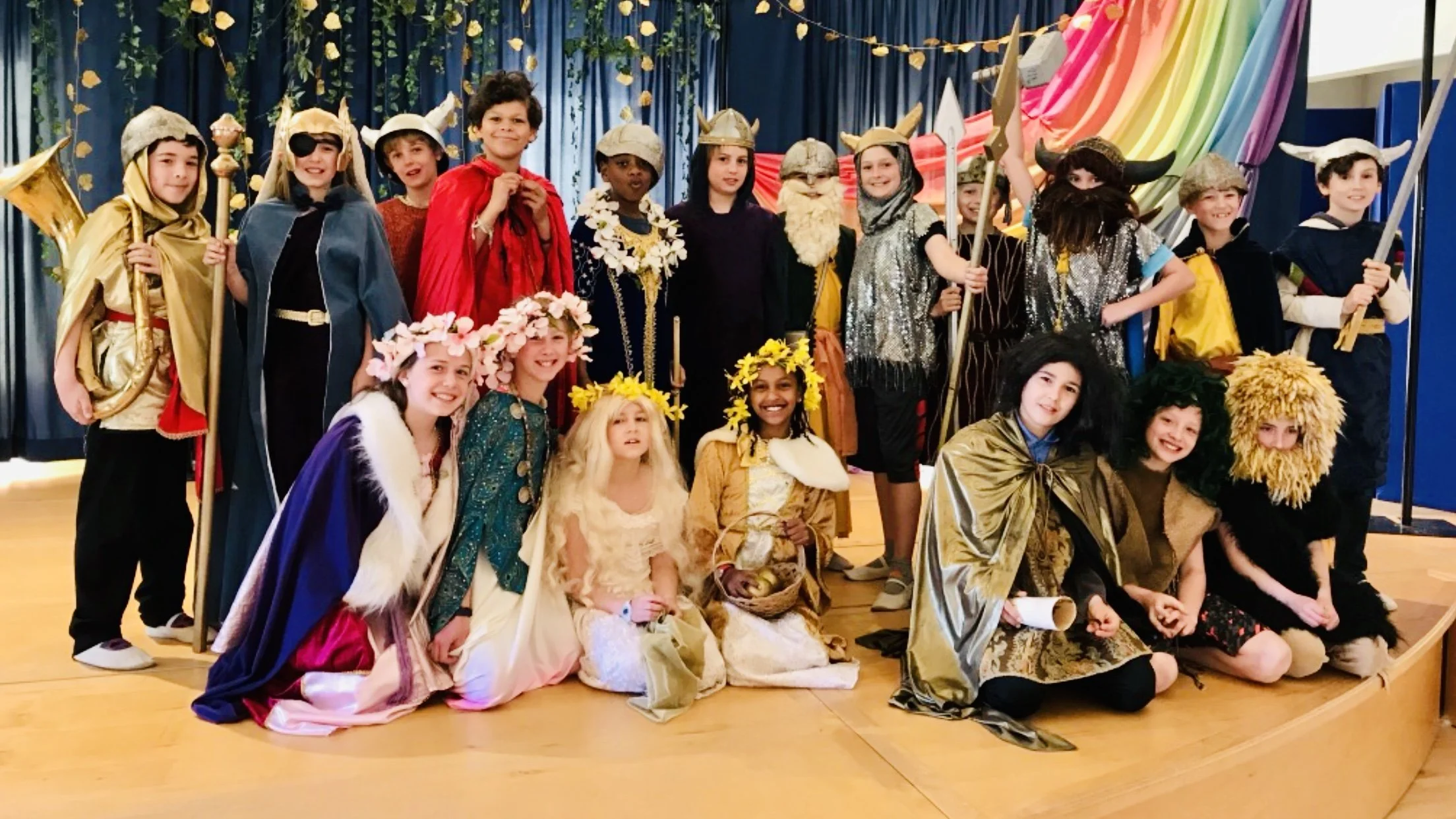
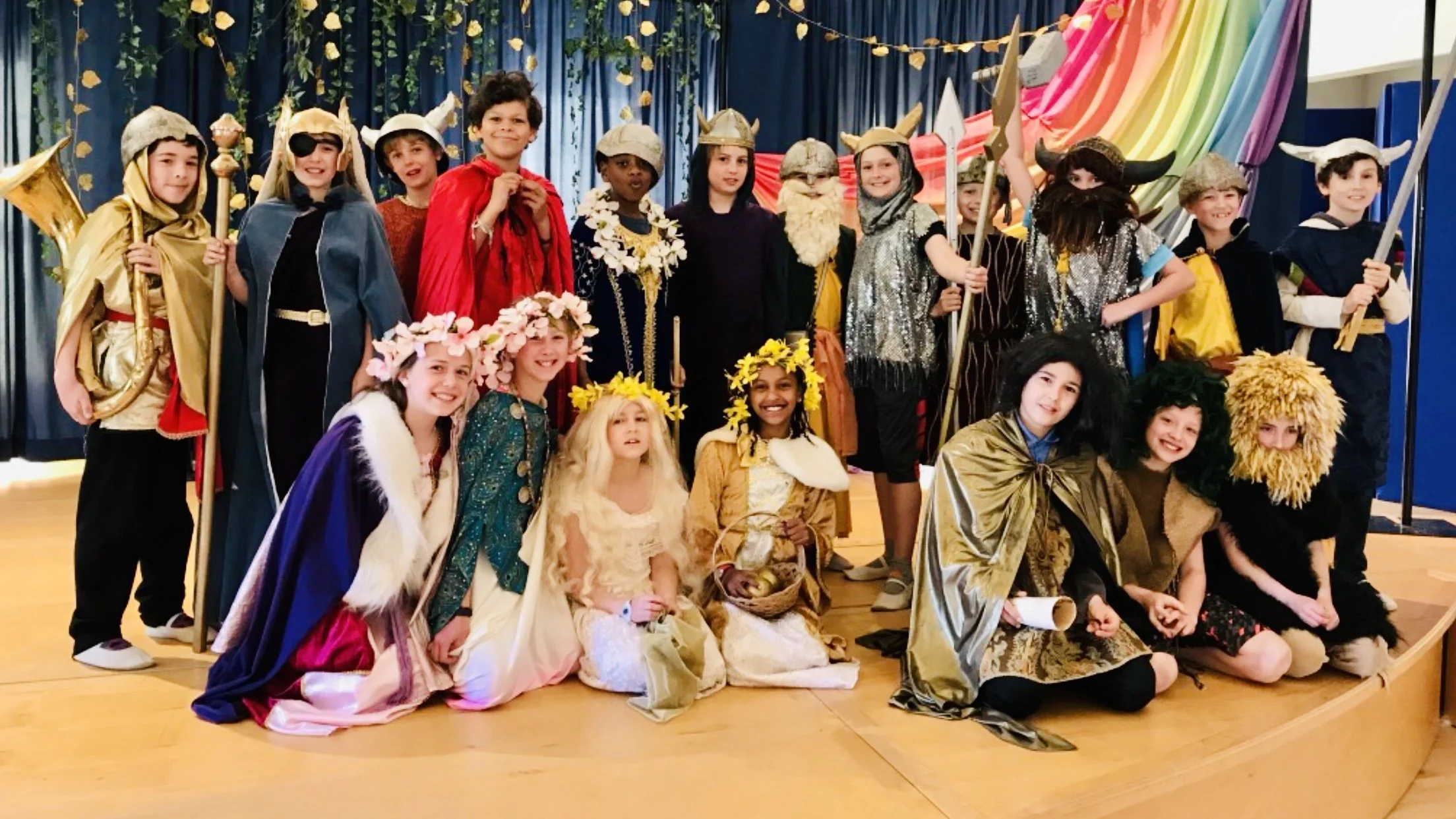
As fourth graders grow in confidence and self-awareness, they begin to discover their unique interests, strengths, and place in the wider world. Studies of local and state geography, Coast Salish history and culture, American colonial history, Norse mythology, and zoology deepen their connection to the land and its use over time.
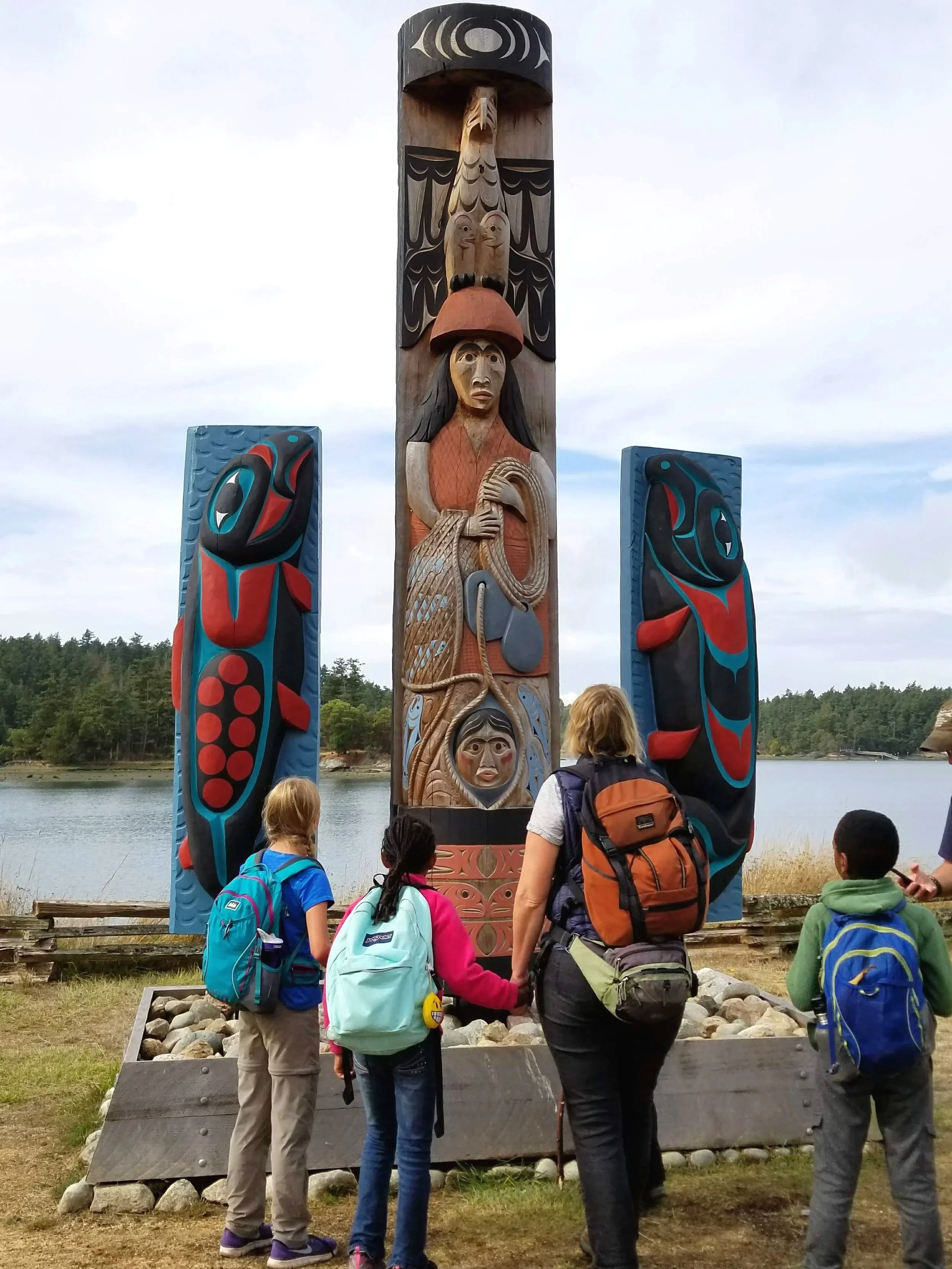
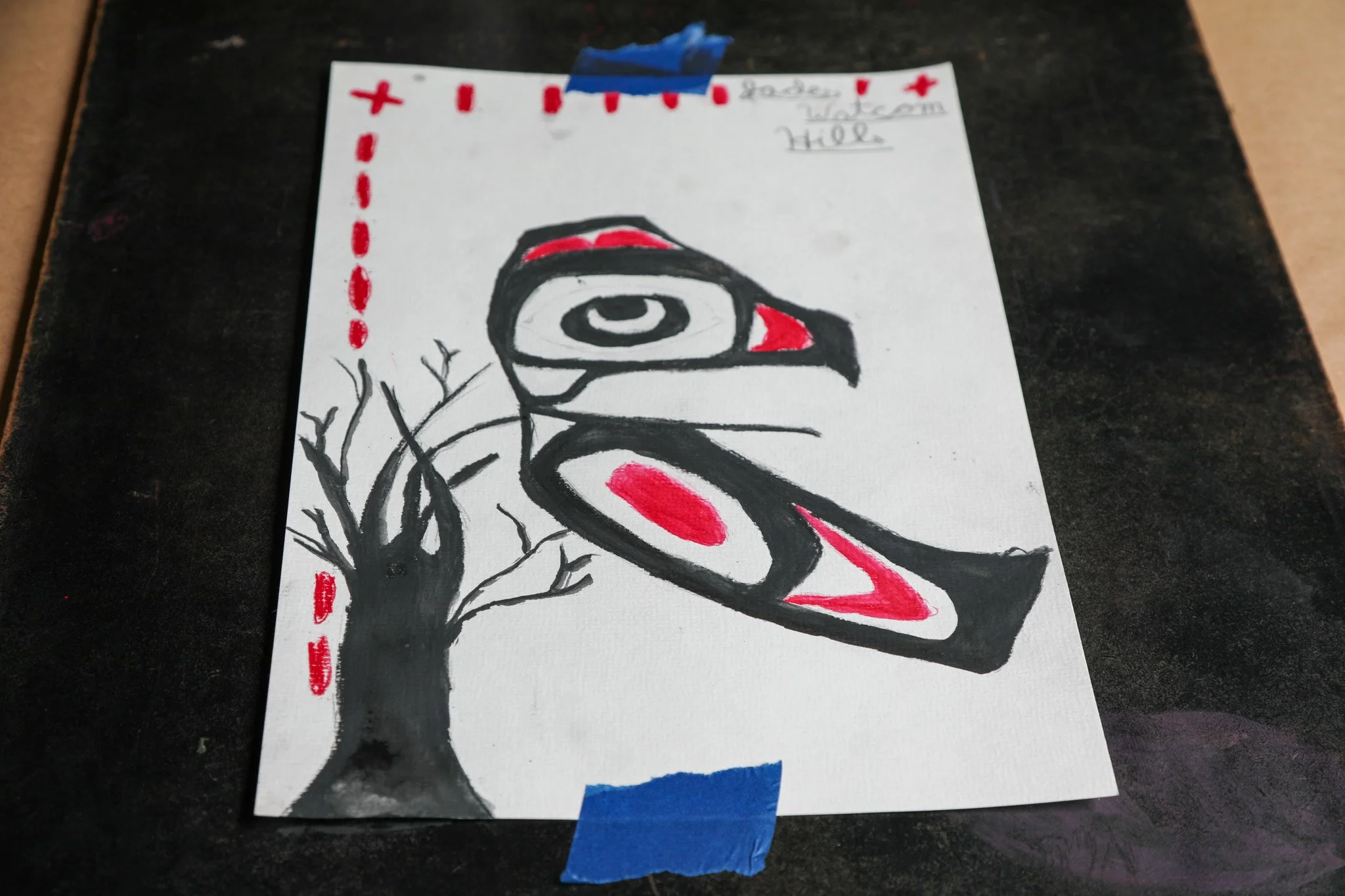
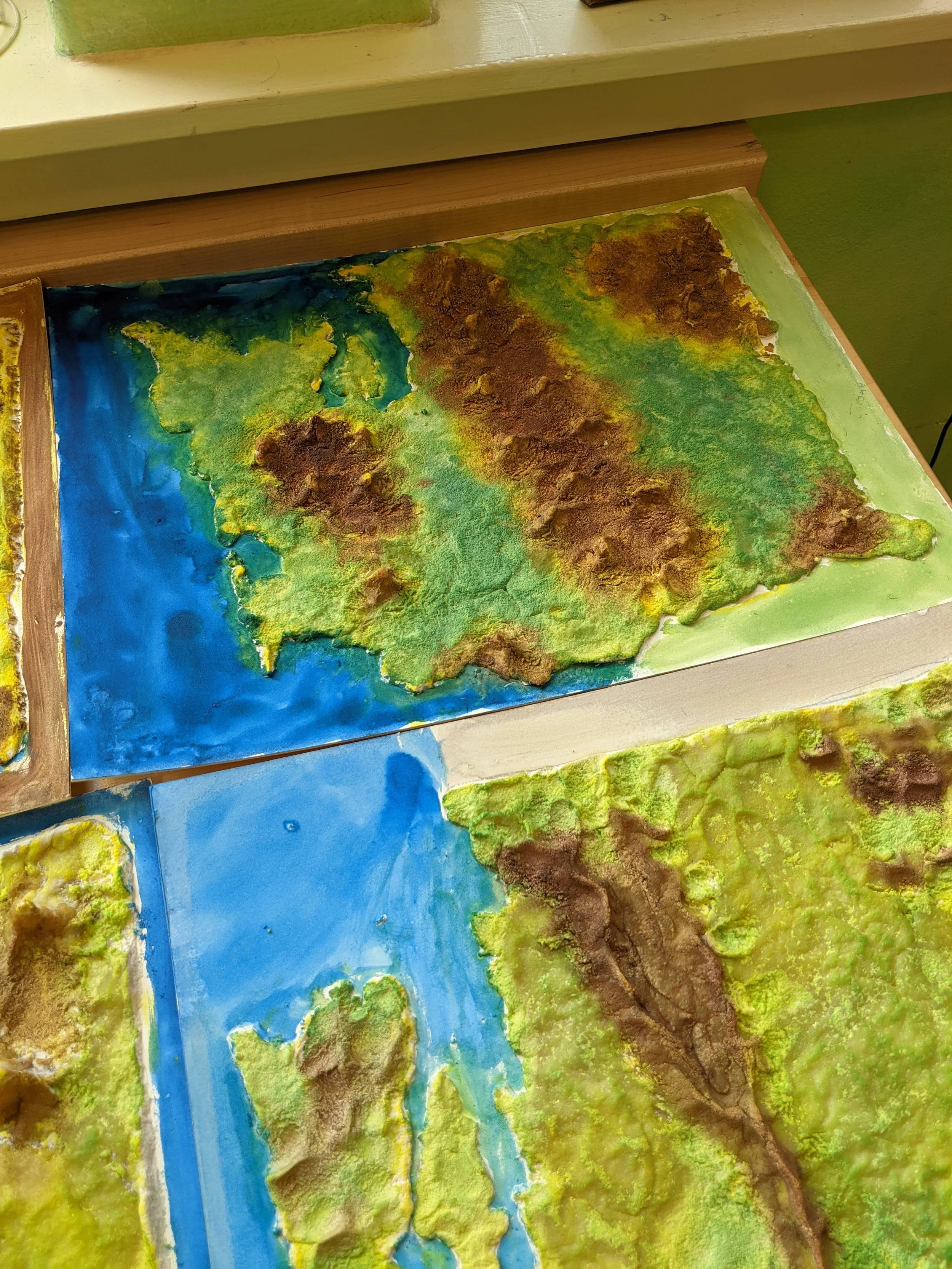
As students learn the art of topographical mapmaking, their perspective expands from the classroom and local community to the boundaries of Washington State, exploring how the ocean, rivers, mountains, climate, and natural resources have shaped the lives of those who call this region home. Visits with local Indigenous plant medicine experts and participation in the regional Coast Salish Cultural Sharing further deepen their connection to the history, traditions, and ecology of the Pacific Northwest.
Through in-depth study of the animal kingdom, individual research projects, and artistic and oral presentations, students cultivate both scientific understanding and a sense of wonder for the natural world. Rich with adventure, humor, and vivid characters, the Norse sagas invite reflection on courage, loyalty, and the consequences of our choices. Mathematics introduces the elegant logic of fractions, while language arts grows through grammar, composition, poetry, storytelling, and confident self-expression.
Fourth Grade Curriculum
-
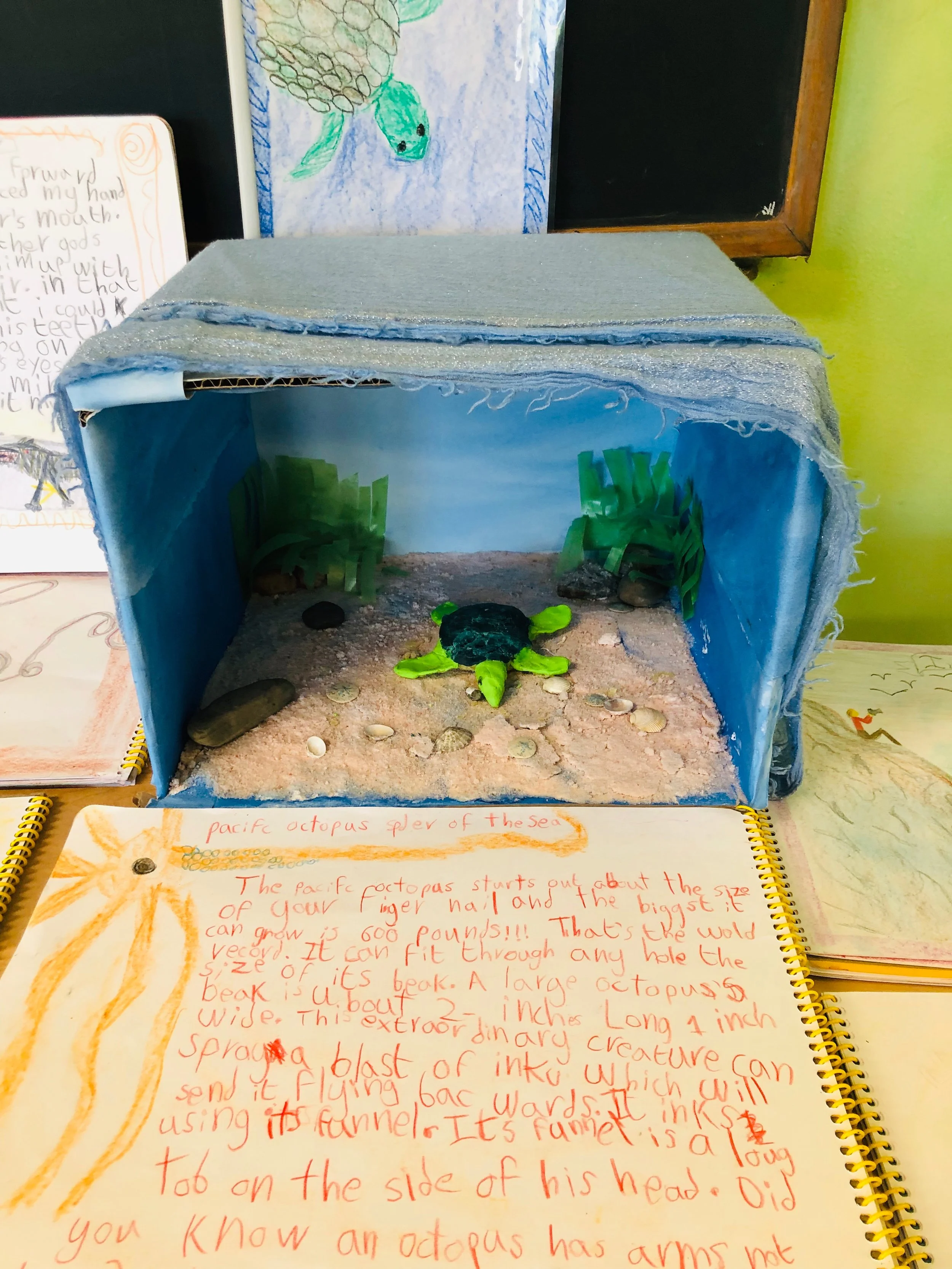
Language Arts: Individual animal projects include research, report writing, diorama/model, and an oral presentation
History and Geography: Norse mythology, Native American stories, mapmaking, local and Washington State geography.
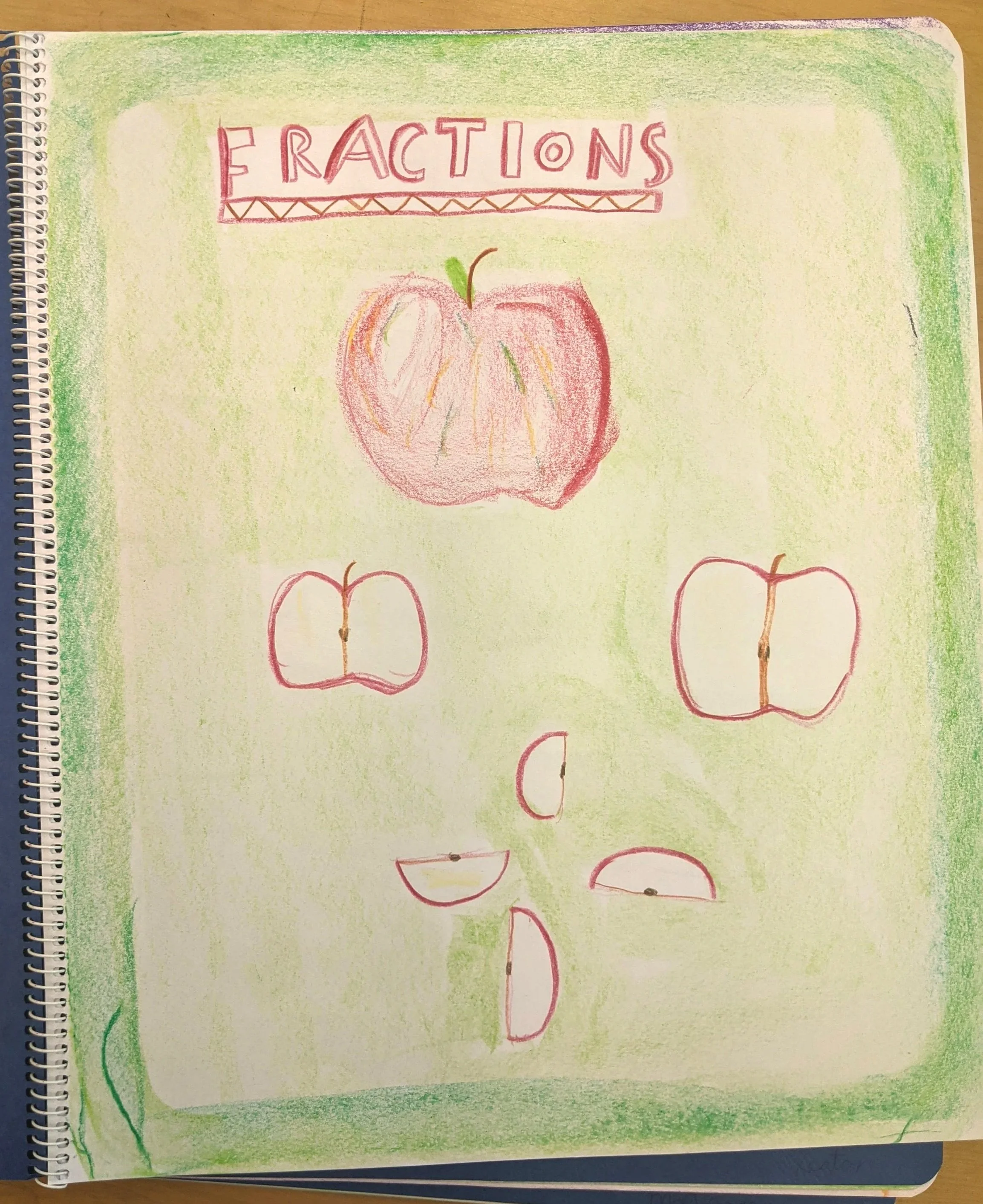
Mathematics: Fractions (proper, improper, mixed numbers, addition, subtraction), averages, factoring, measurement, long division and multiplication
Science / Nature Study: Zoology, animal physiology, topography and map skills, study of indigenous plant medicine
-
World Languages: Spanish and American Sign Language
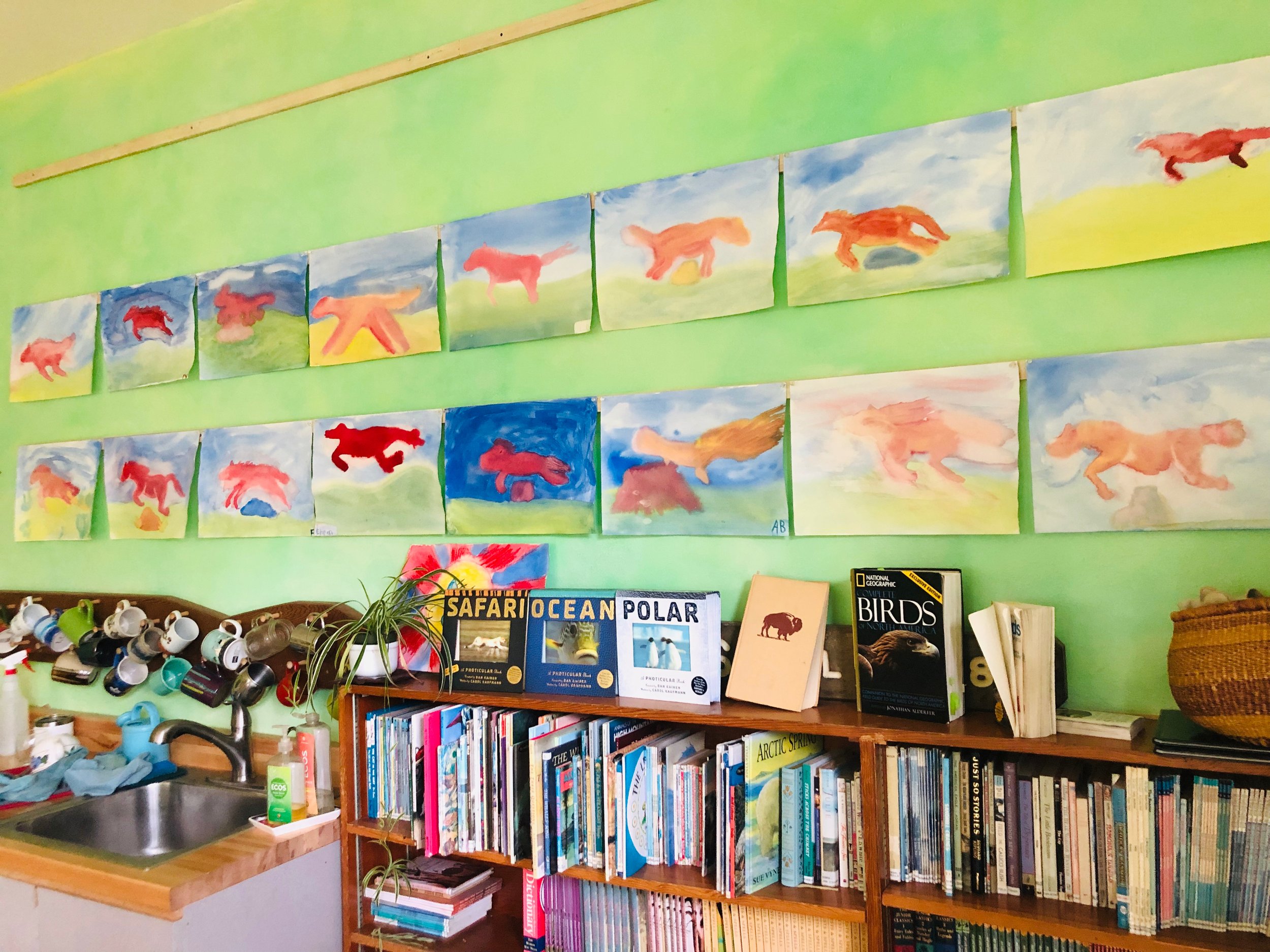
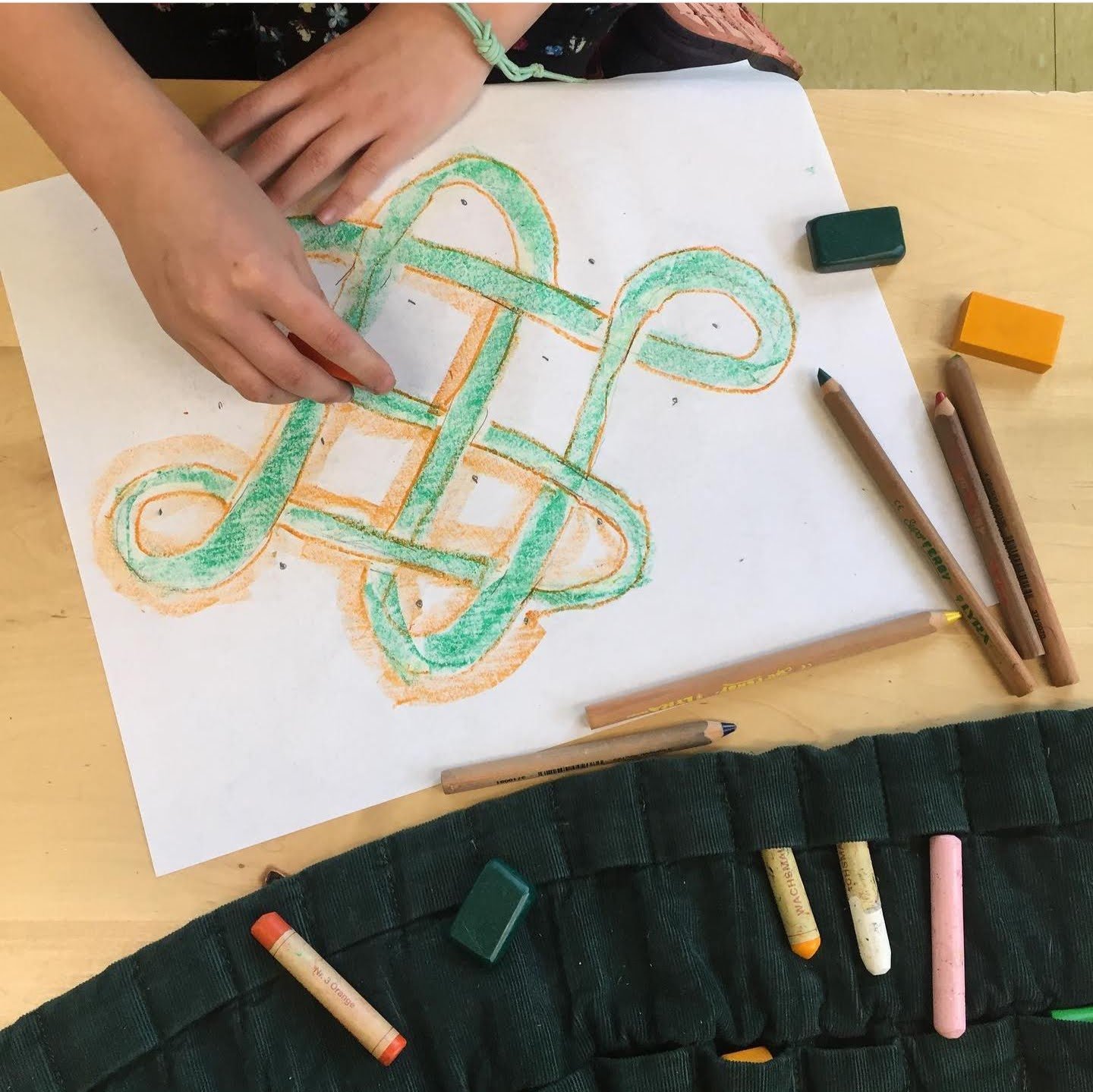
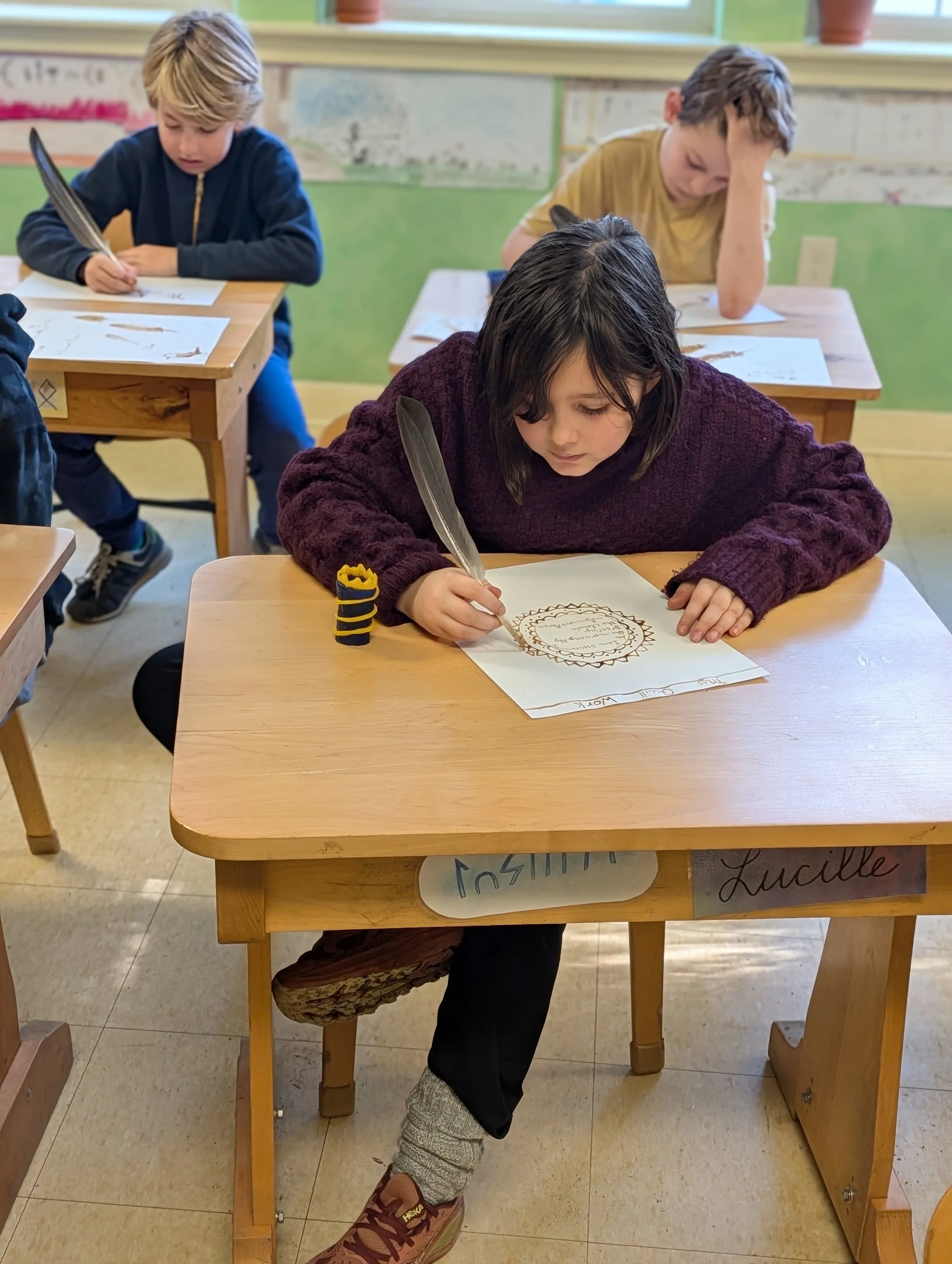
Artistic Work: Watercolor painting (animal forms, landscapes), form drawing (braiding and knots), ink calligraphy, beeswax modeling
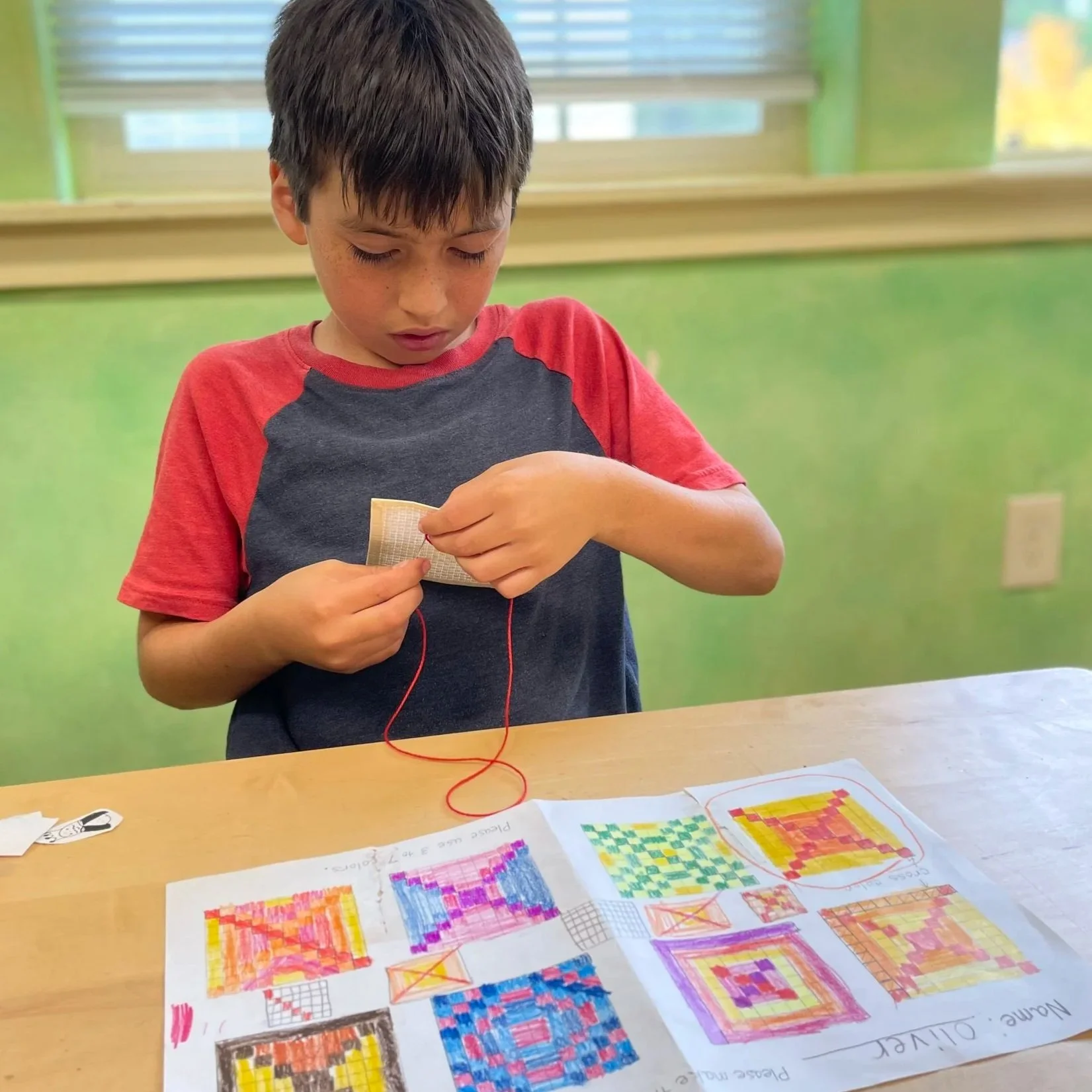
Fiber & Practical Arts: Cross-stitch, embroidery, crochet, woodworking (hand carved brooms), and gardening
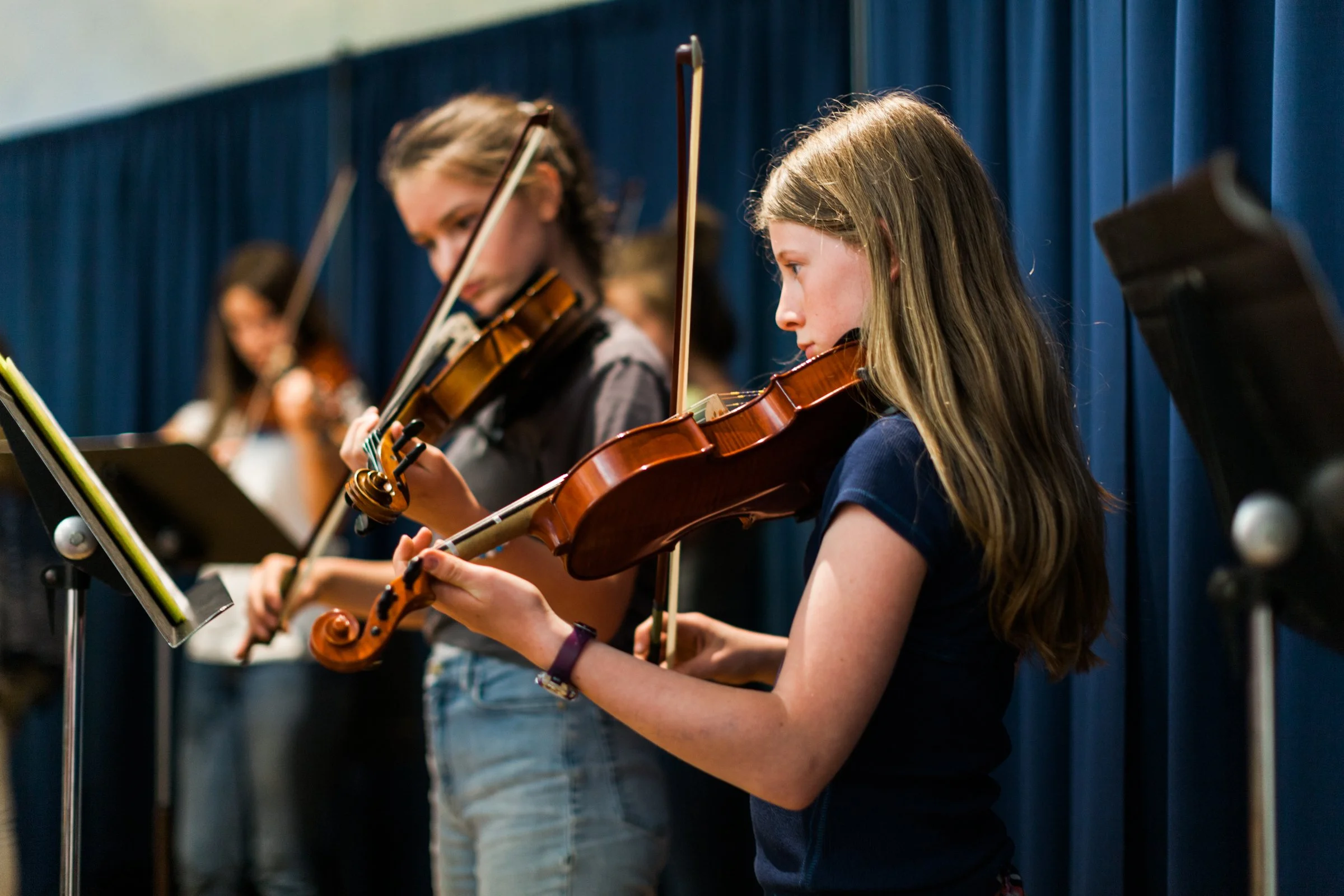
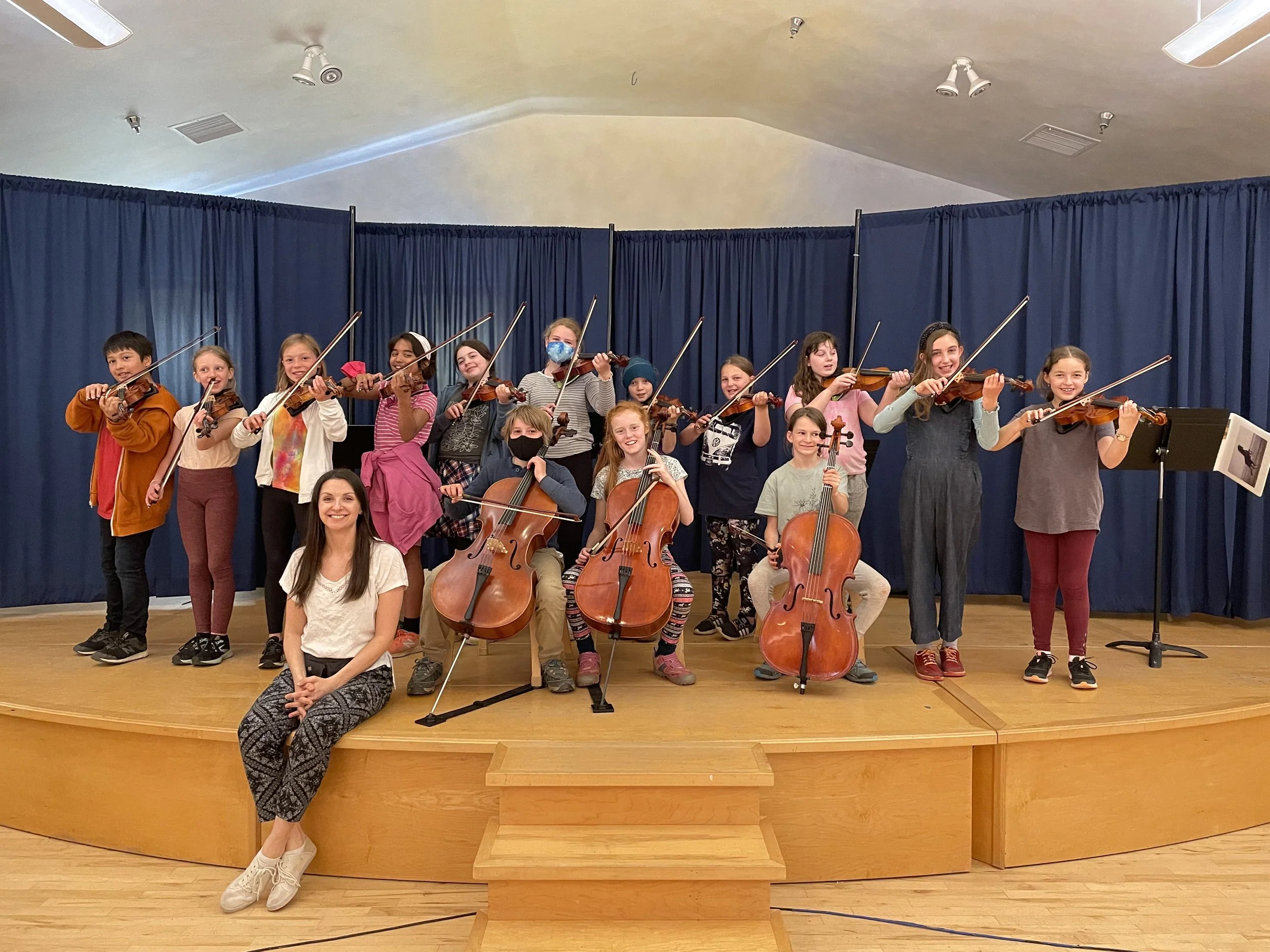
Music: Singing, recorder playing, and orchestral strings
Movement: Spatial dynamics, cooperative games, jump rope, ball skills, frisbee, relays, field games, introductory team sports, and imaginative play
Eurythmy
-
Field trips: Marine Life Center, Mount Baker Theater, Woodland Park Zoo, local history and geography walks
Adventures: San Juan Island (day or fall overnight)
Regional Events: Regional Coast Salish Cultural Gathering,
Sample Daily Schedule
8:30am - Main Lesson
10:30am - Snack & Recess
11:00am - Strings
11:45am - Spanish
12:30pm - Lunch & Recess
1:15pm - Movement
2:00pm - Woodworking
3:00pm - Close
Early release Fridays at 1:15pm
Fourth Grade Highlights
Coast Salish Cultural Sharing
Fractions
San Juan Island Camping Trip
Zoology
Coast Salish Cultural Sharing
Coast Salish Cultural Sharing
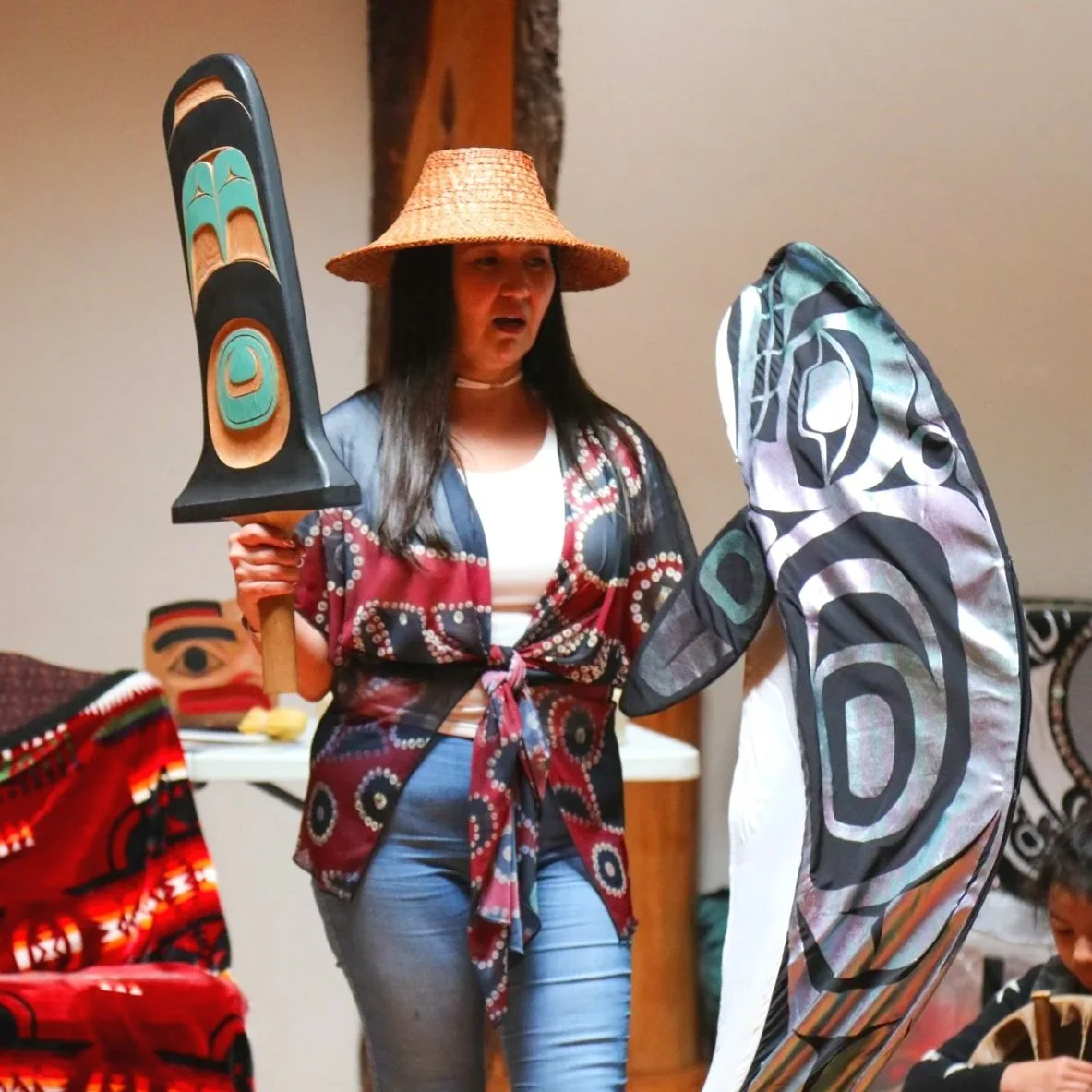
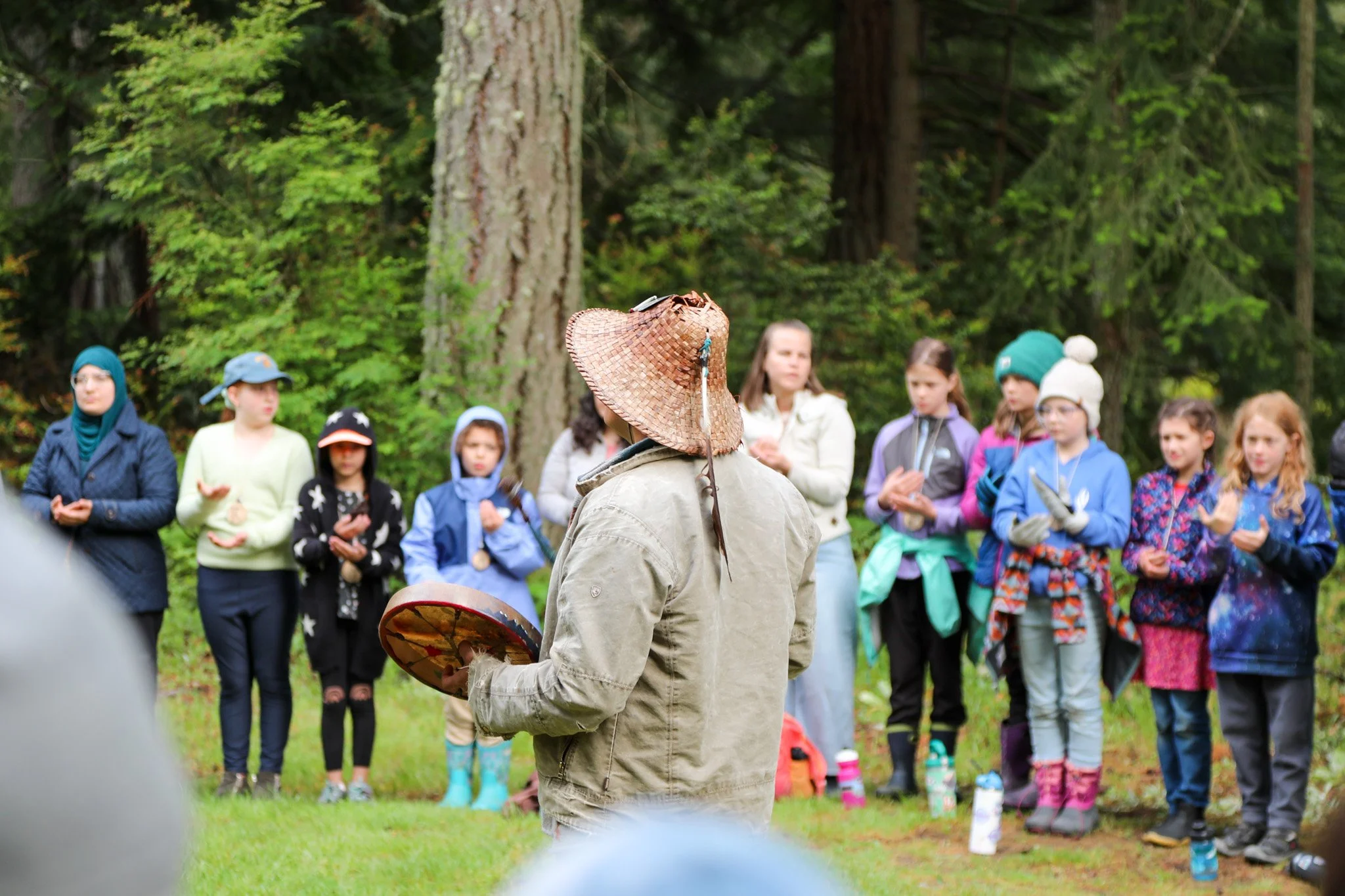
Each year, fourth graders take part in the Coast Salish Cultural Sharing, a three-day immersion experience held alongside other Waldorf schools at Camp Killoqua. Rooted in themes of unity, acceptance, serving, and giving — echoing elements of a traditional Potlatch — the gathering unfolds through story, song, and hands-on learning led by First Nations Elders active in their traditional cultures today. Students are welcomed into "family groups" and learn skills such as drumming, flute and traditional song, woodcarving, dance, and traditional games, while each school offers artistic presentations of drama, song, dance, and poetry. The experience culminates in a Salmon Feast and Give Away, honoring the depth and generosity of the Coast Salish traditions.
Fractions
Fractions: Finding Order in the In-Between
The mysterious but lawful world of numbers in between numbers shows students that there is structure and order even when things seem to fall apart.
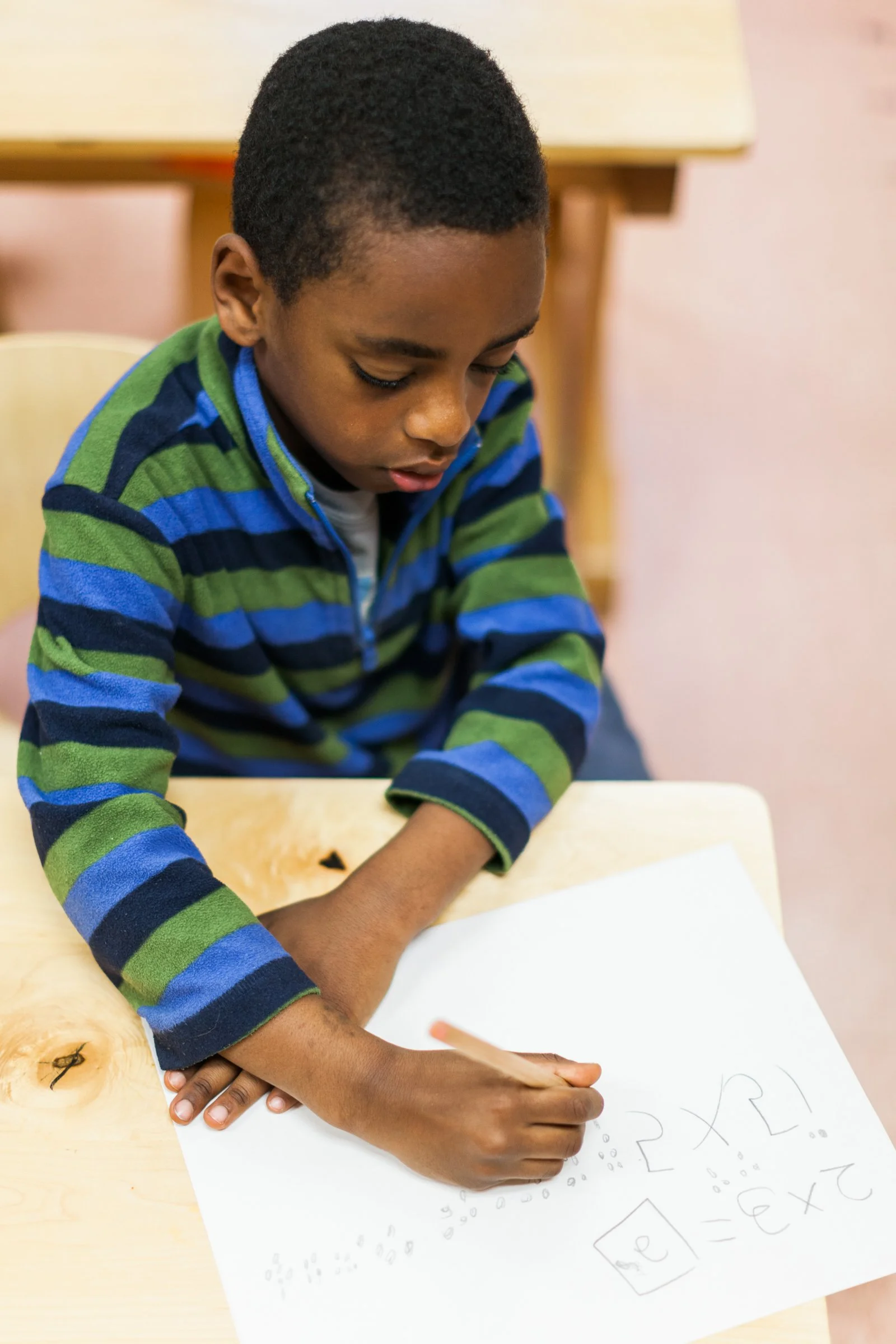
As children become more self-aware, they begin to tell the difference between the whole of an experience and its individual parts, and fractions give that idea a concrete form. Students experience parts of a whole with hands-on materials like pies, cutting and sharing them to see fractions for themselves. They learn the numerator and denominator, then go on to expand, reduce, add, subtract, multiply, and divide fractions. Along the way, they work with factors, multiples, and mixed numbers.
San Juan Island Adventure
San Juan Island Camping Trip
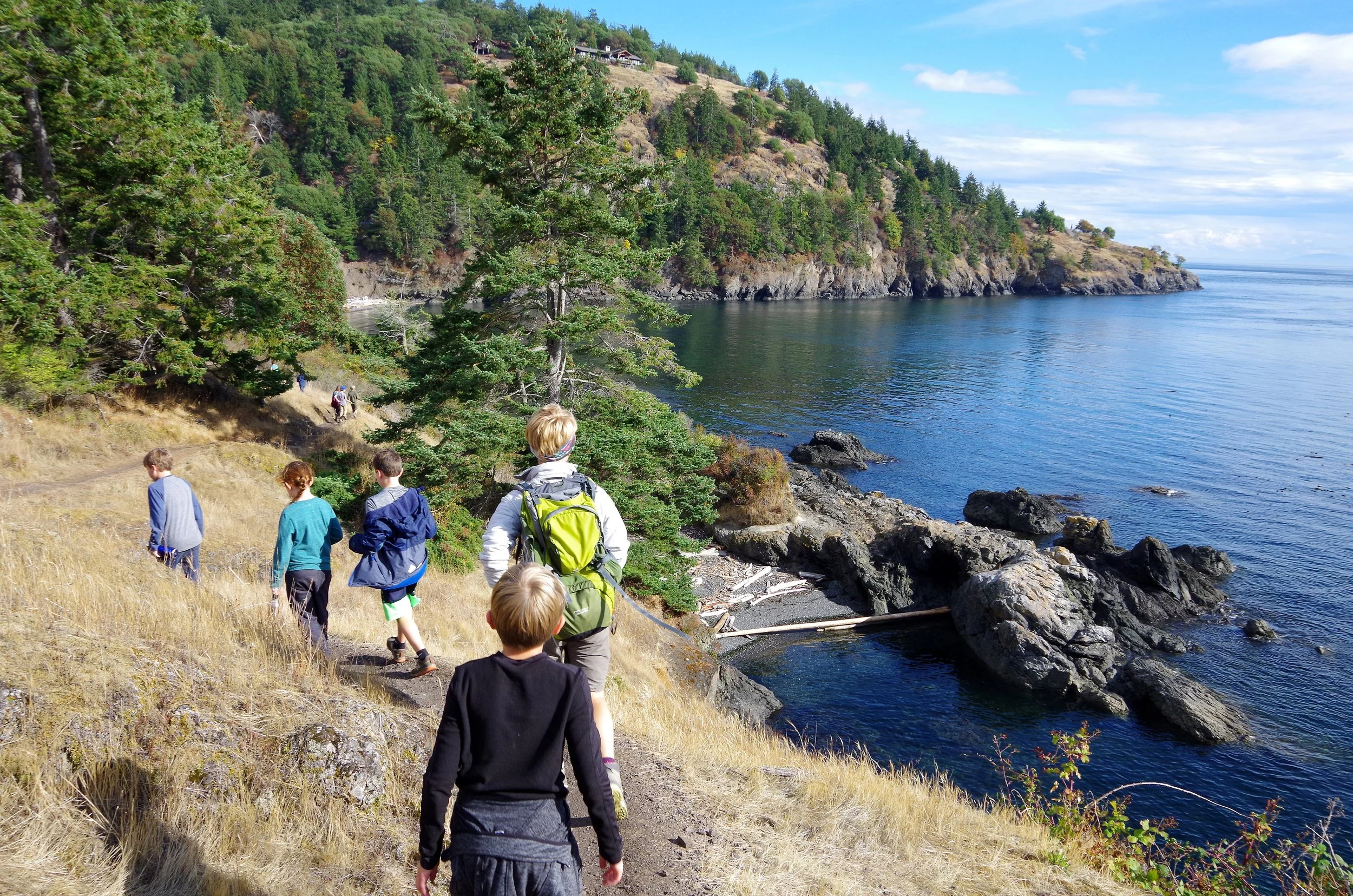
In the spring, the class travels by ferry to San Juan Island for a hands-on camping adventure rich in history and natural discovery. Students explore English Camp and its historic Block House, then set up camp at San Juan County Park. Days are filled with beach exploration — spotting marine life, building crabitats, and swimming — alongside visits to the Whale Museum, Lime Kiln State Park (where they spot humpback whales and learn about the historic lime kiln), and American Camp, where students learn about the island's history, including the Pig War. Evenings bring campfires, treats, and time spent adventuring together in the outdoors. It's an immersive experience that blends local history, marine biology, and community.
Animal Reports
Animal Reports
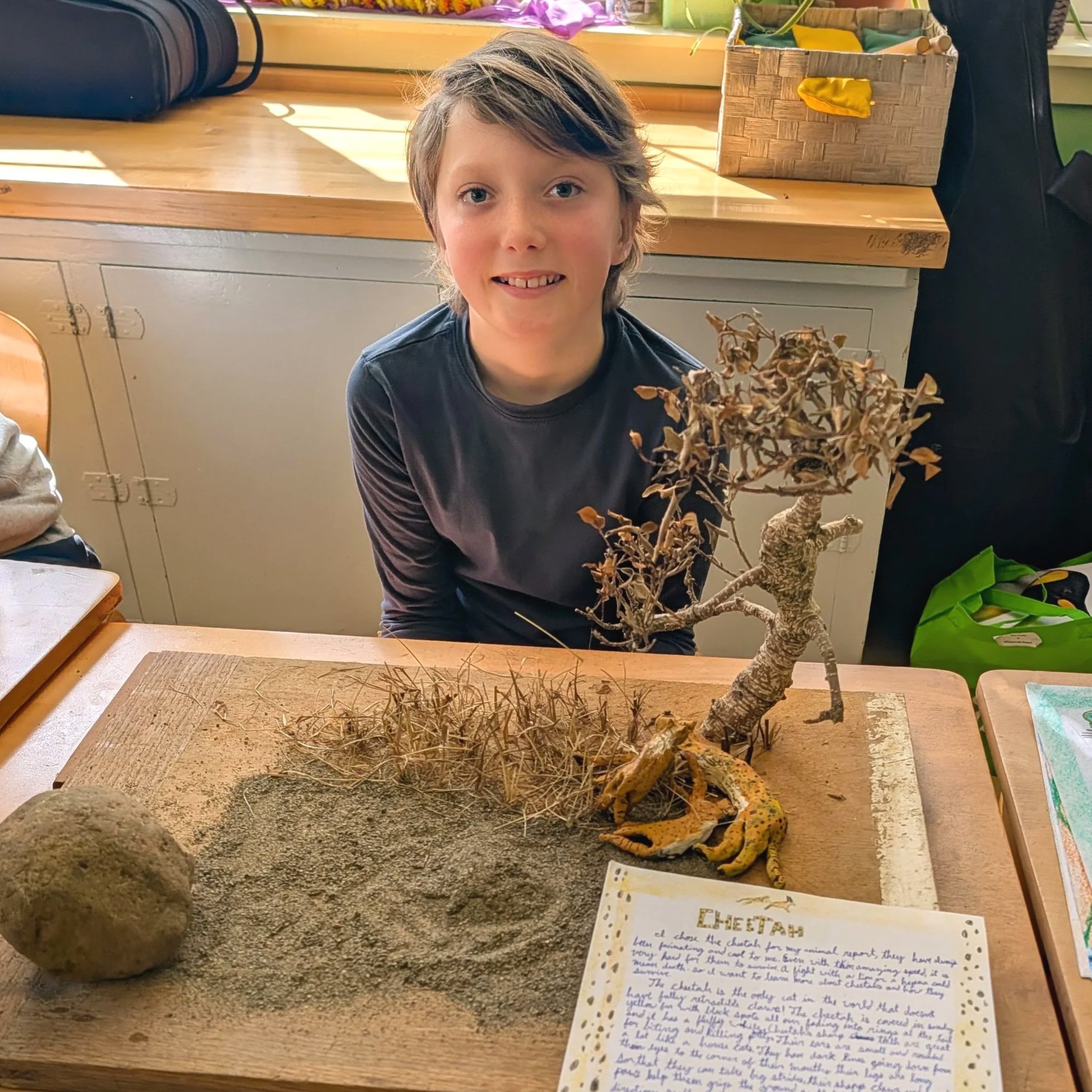
As Fourth Graders begin to distinguish their "inner self" from the "outer world," they're ready for their first proper study in natural science: zoology. Moving beyond the stories and imaginative pictures of earlier grades, students start by examining the human form and how our bodies work, then explore the animal kingdom broadly — from single-celled organisms to the great mammals of Africa — discovering how each creature's unique specialization reflects a piece of themselves and their place within the whole of nature. The block culminates in an individual animal project where students research, write, create dioramas, and give an oral presentation, building confidence as young scientists and communicators.
Read More
Fourth Grade in Photos
Meet the Teaching Team
Classroom Teachers
Staff Photos

Specialty Teachers
Staff Photos