Building the Foundations with Rhythm and Belonging
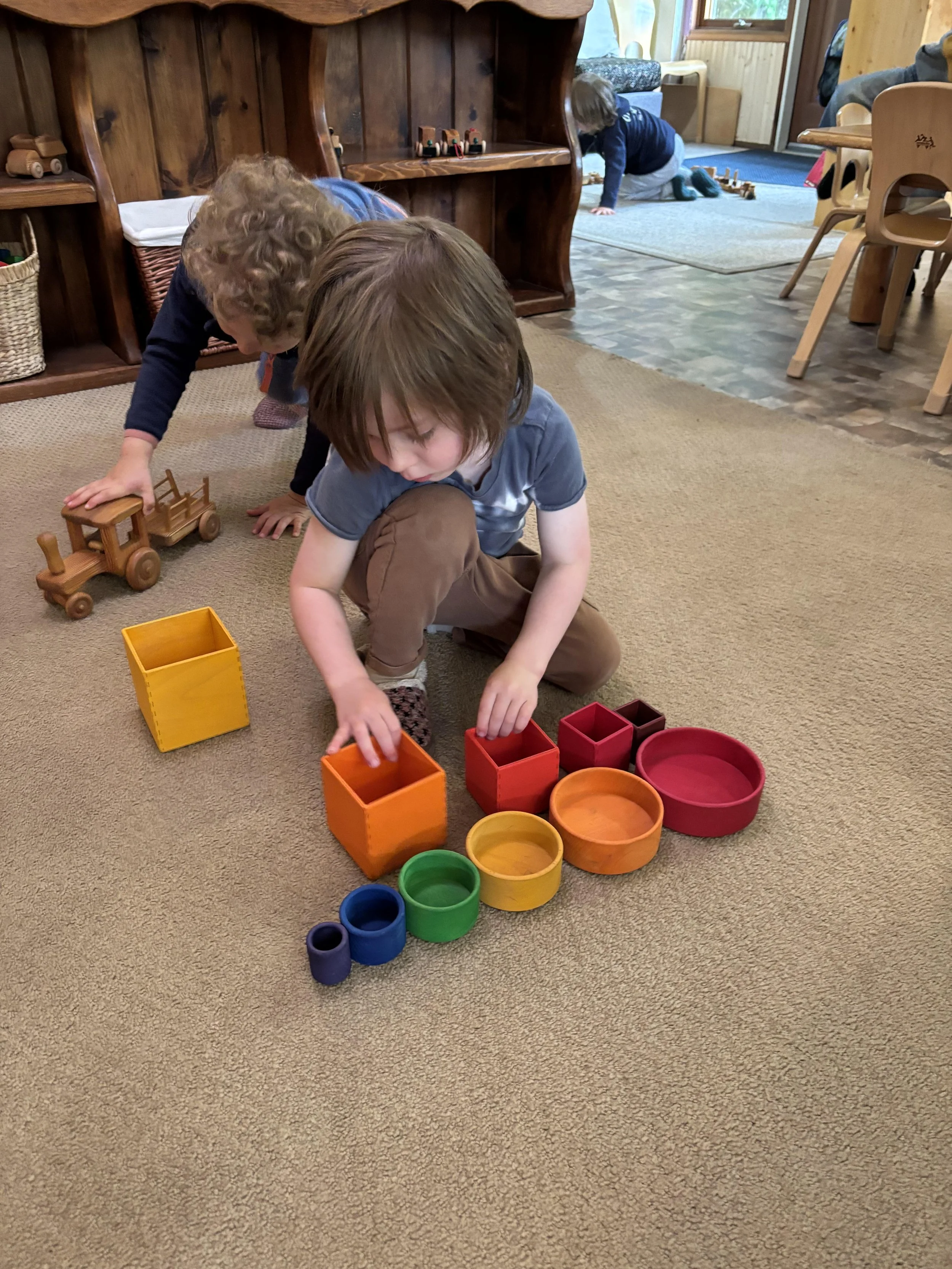
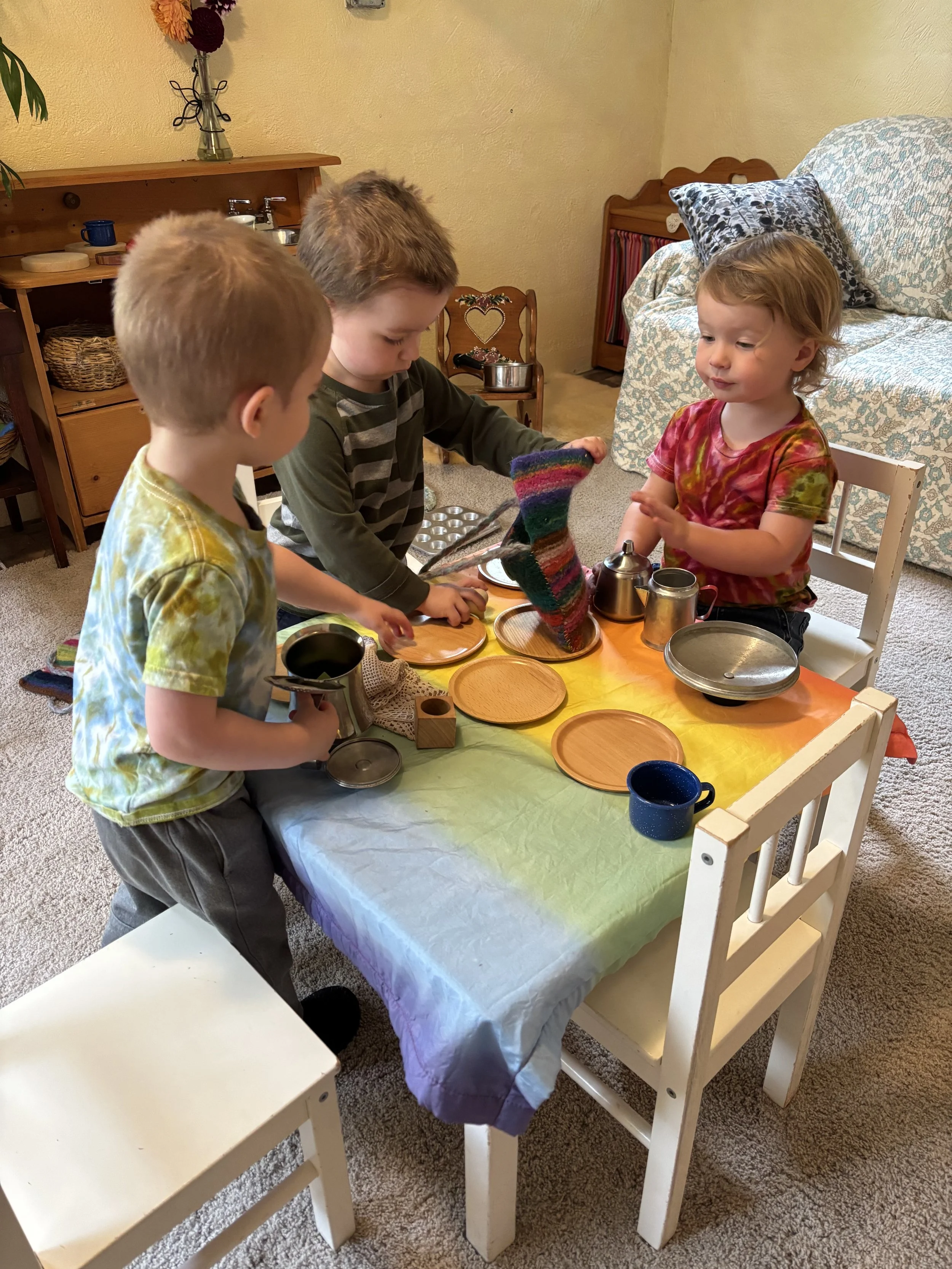
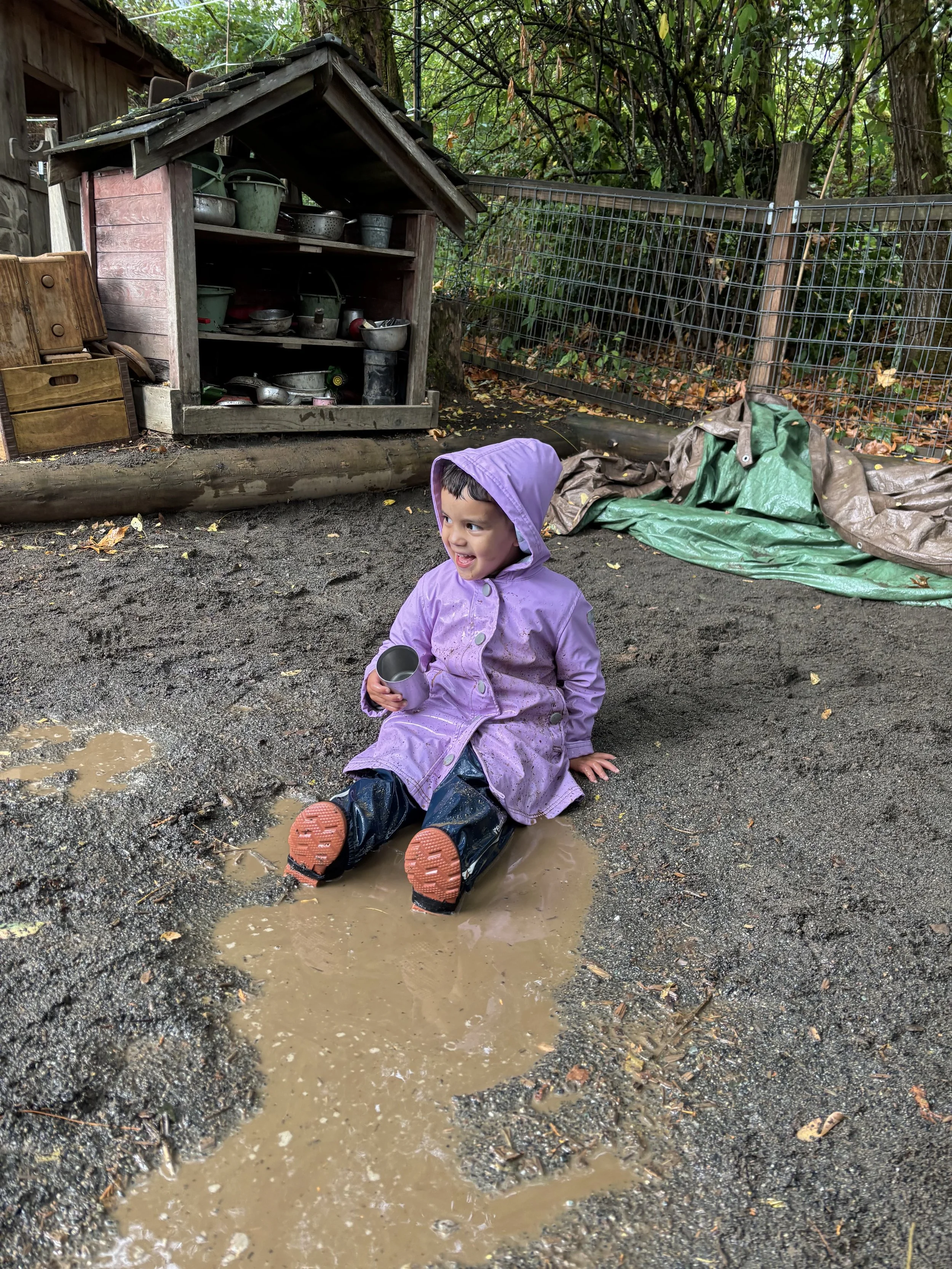
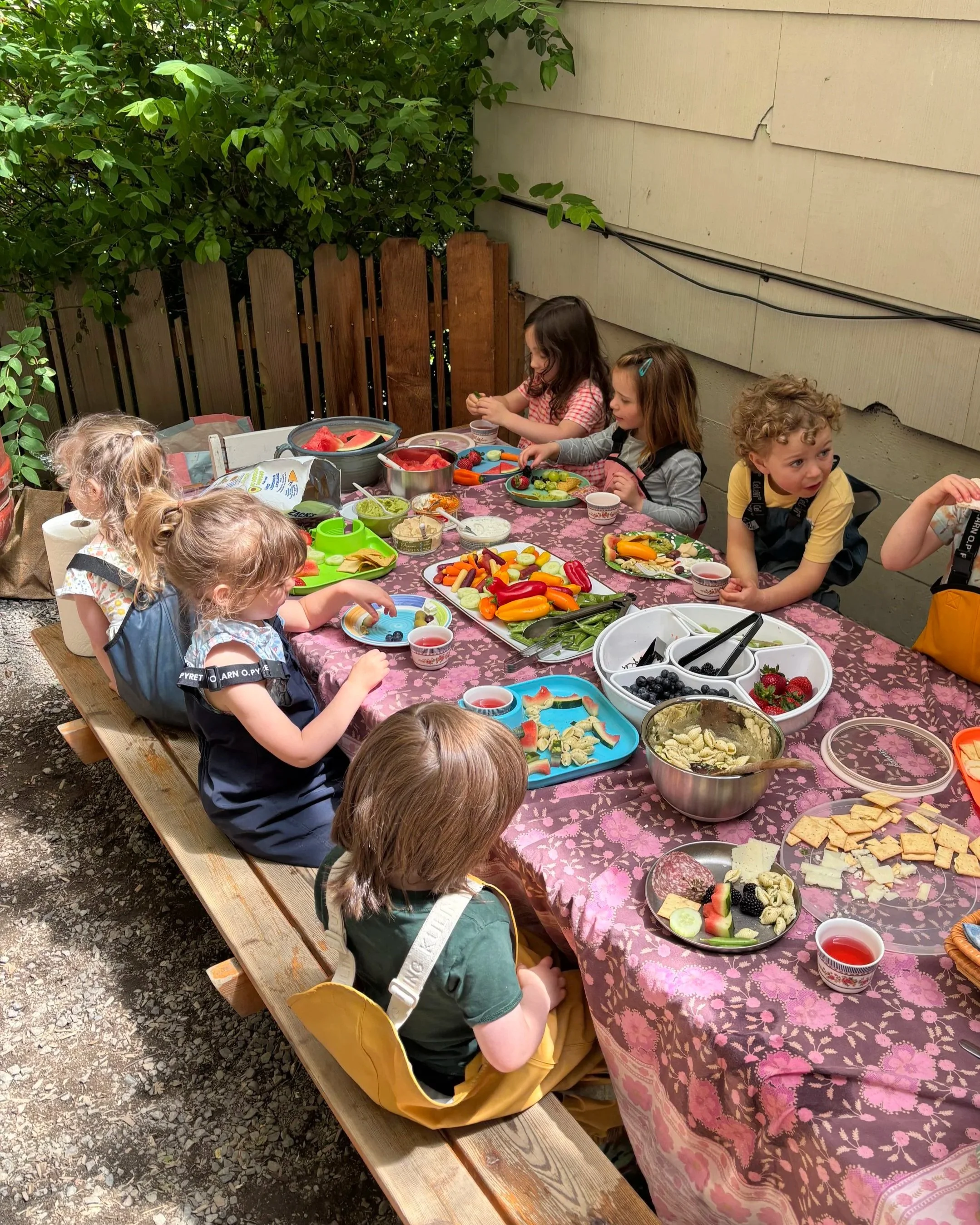
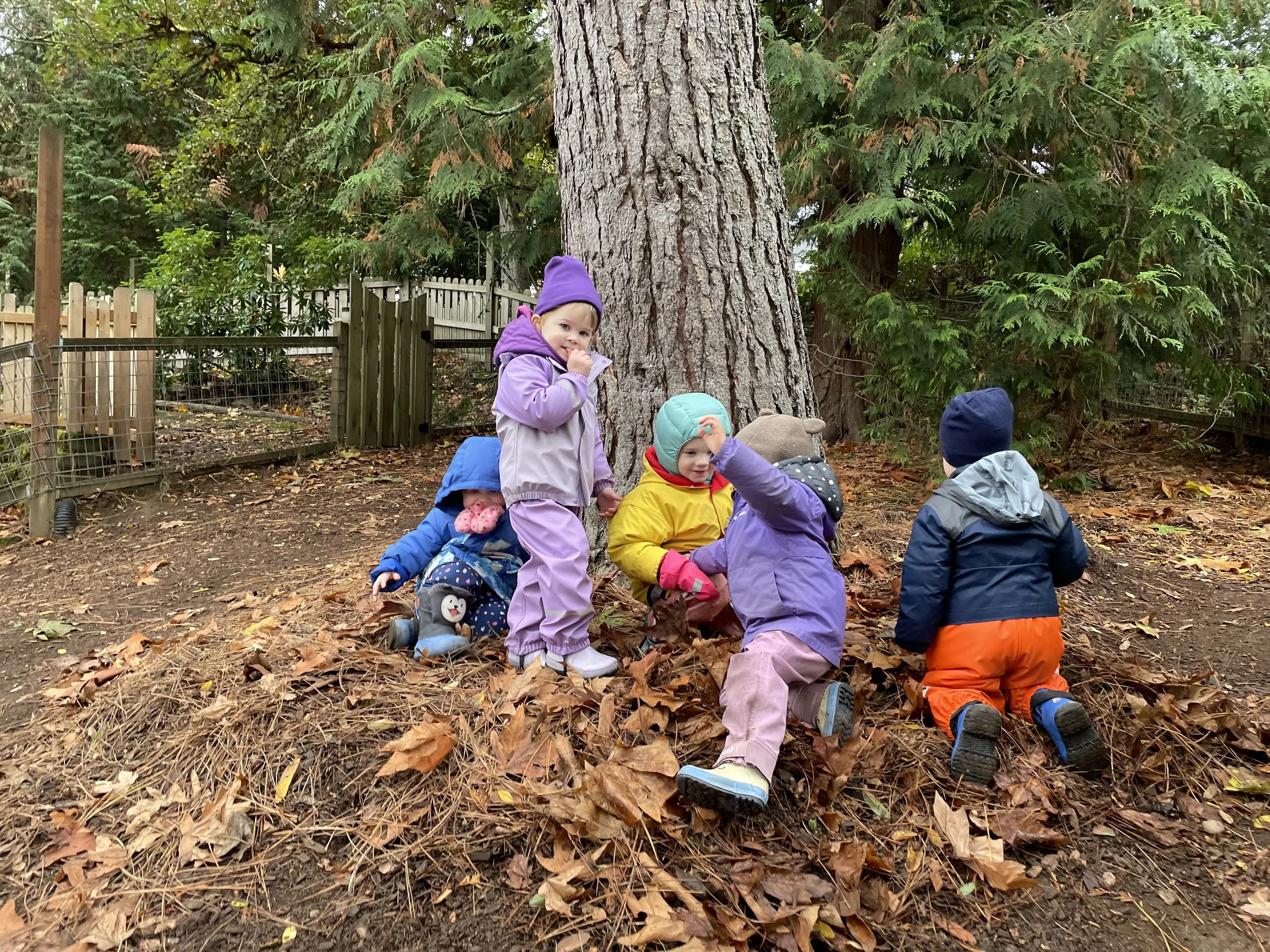
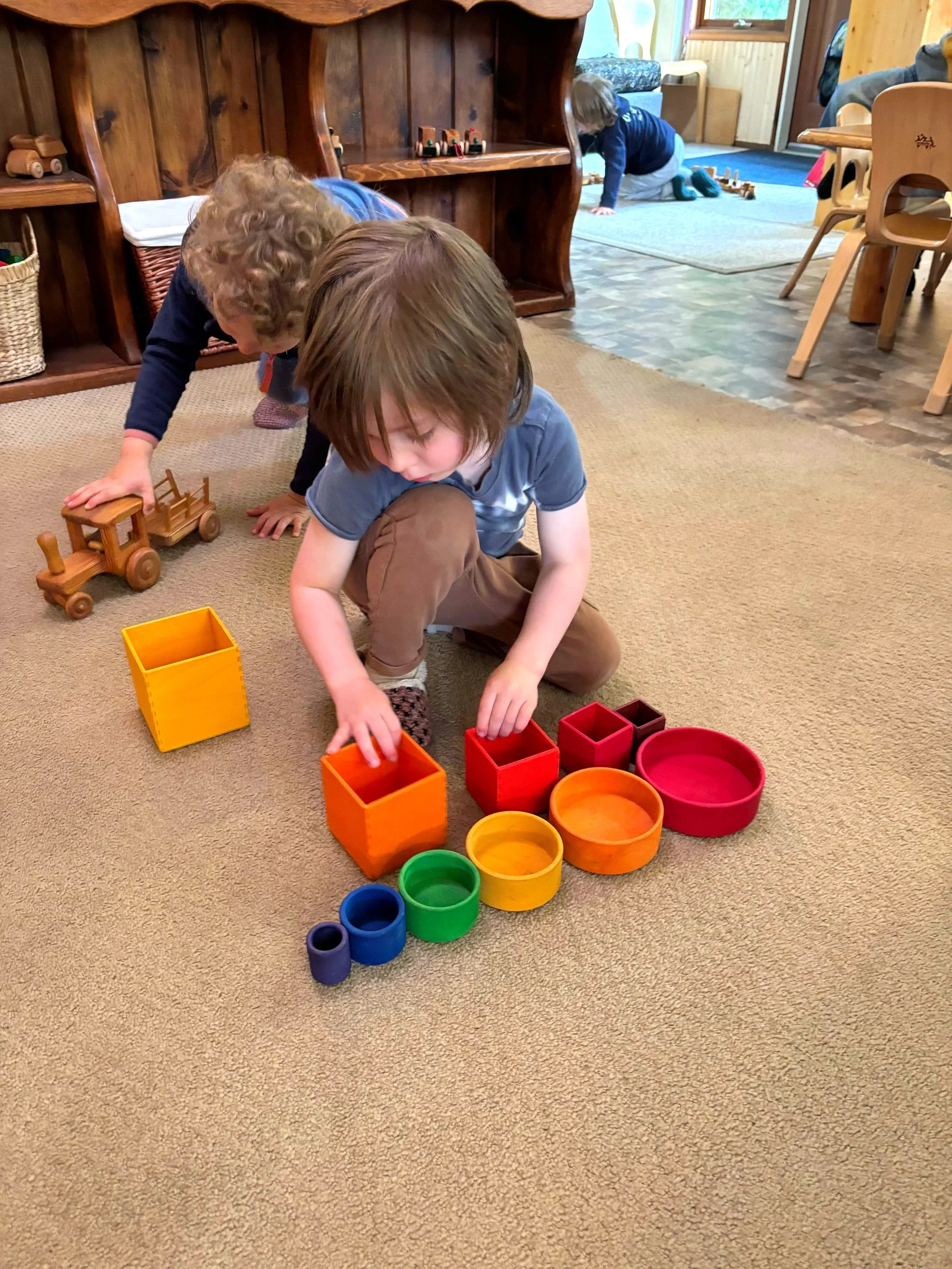
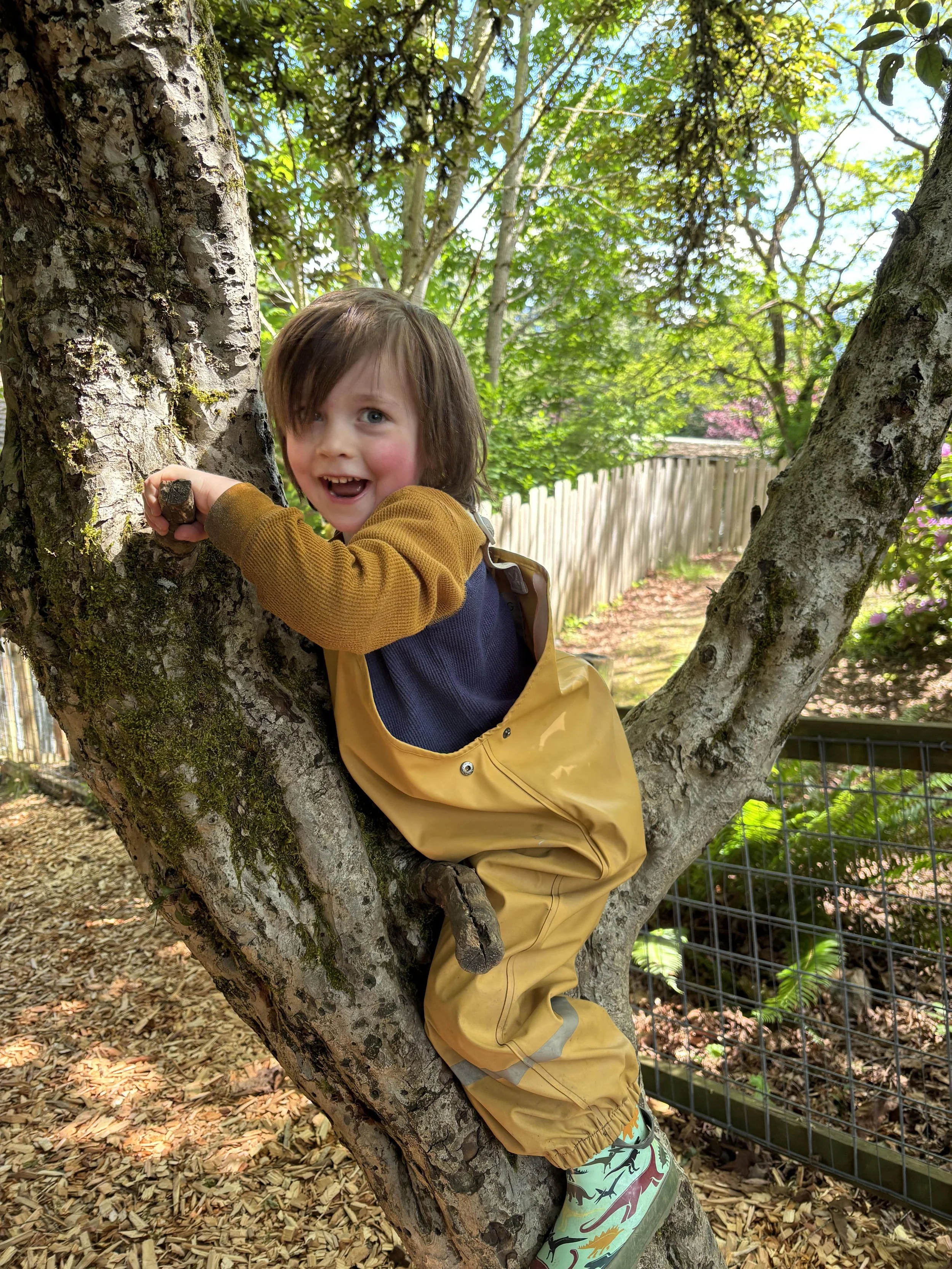
In our Waldorf nursery program, young children learn through meaningful, hands-on experiences woven into the rhythms of daily life. Whether grinding grain for muffins, tending the garden, setting the table, or sorting seeds, children are invited to participate in real work that nurtures confidence, independence, and a sense of purpose. Gentle rhythms of stories, songs, circle time, rest, and outdoor play provide a reassuring structure to each day, creating a sense of security and belonging. Surrounded by caring teachers and a warm, home-like environment, children develop social skills, coordination, balance, self-expression, and wonder through play, practical activities, and joyful engagement with the natural world.
Chickadees Nursery
9 students per class
Must be 2 1/2 by September 1st
4-day program
Mon-Thu, 8:30am-3pm
Nursery Highlights
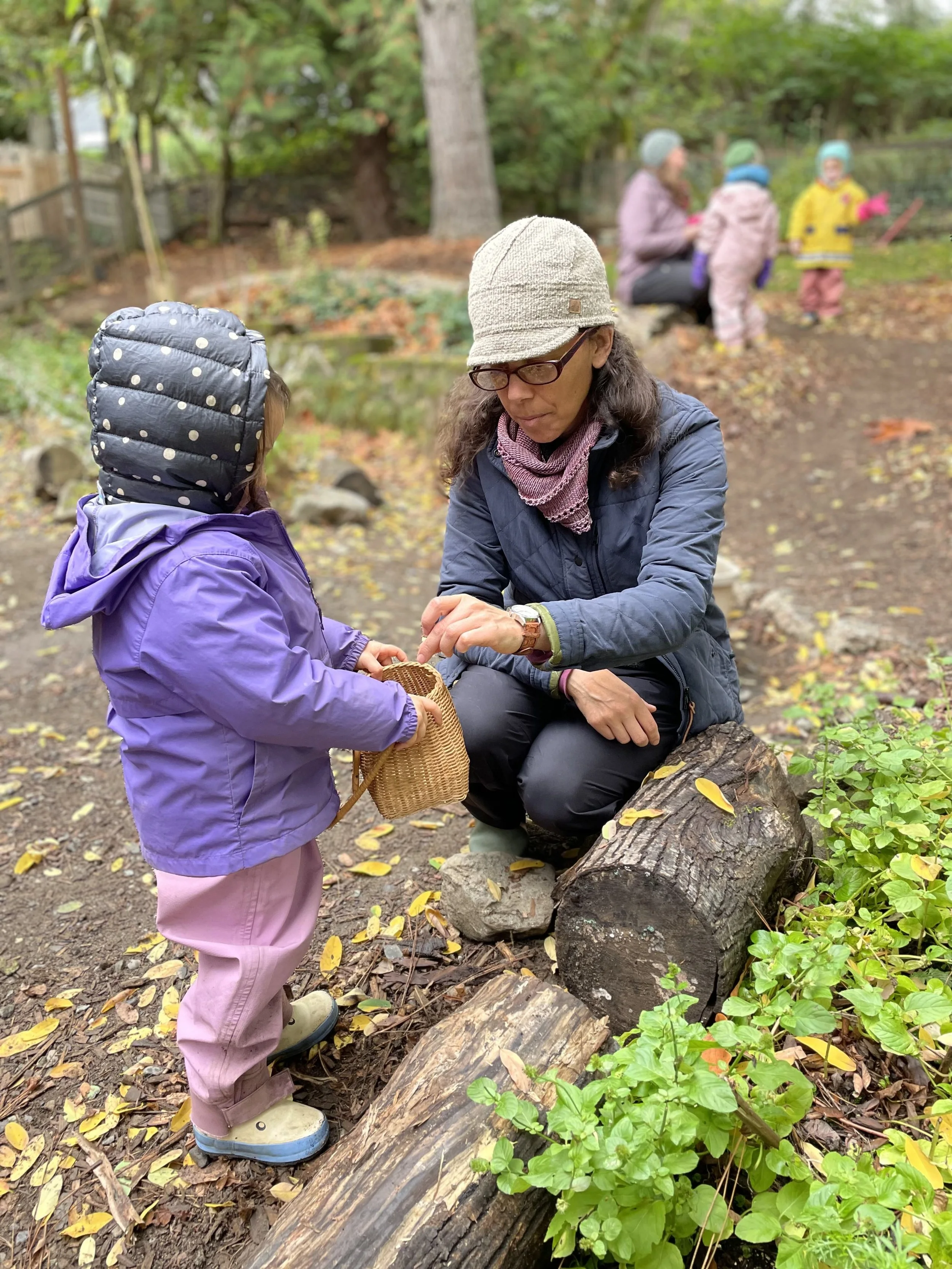
Rhythm of the Day
Purposeful, Practical Work
Foundational Senses
Socio-Emotional Learning
Rhythm of the Day
Finding comfort in rhythm
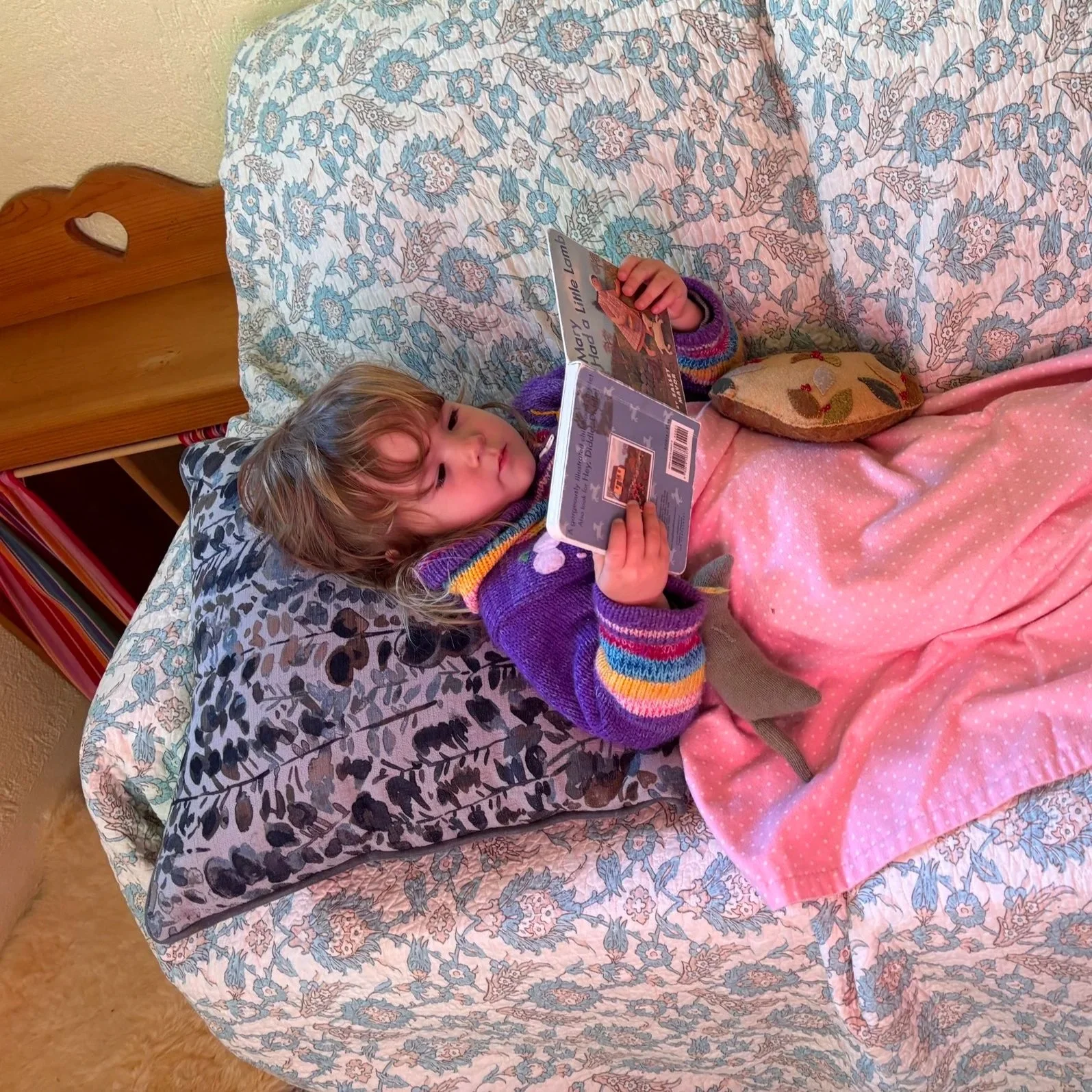
Each day in the nursery follows a predictable rhythm of play, stories, songs, meals, and rest — a gentle structure that helps young children feel safe and secure as they make the transition from home to school. This repetition supports the healthy development of memory and gives children the confidence that comes from knowing what to expect.
Purposeful, Practical Work
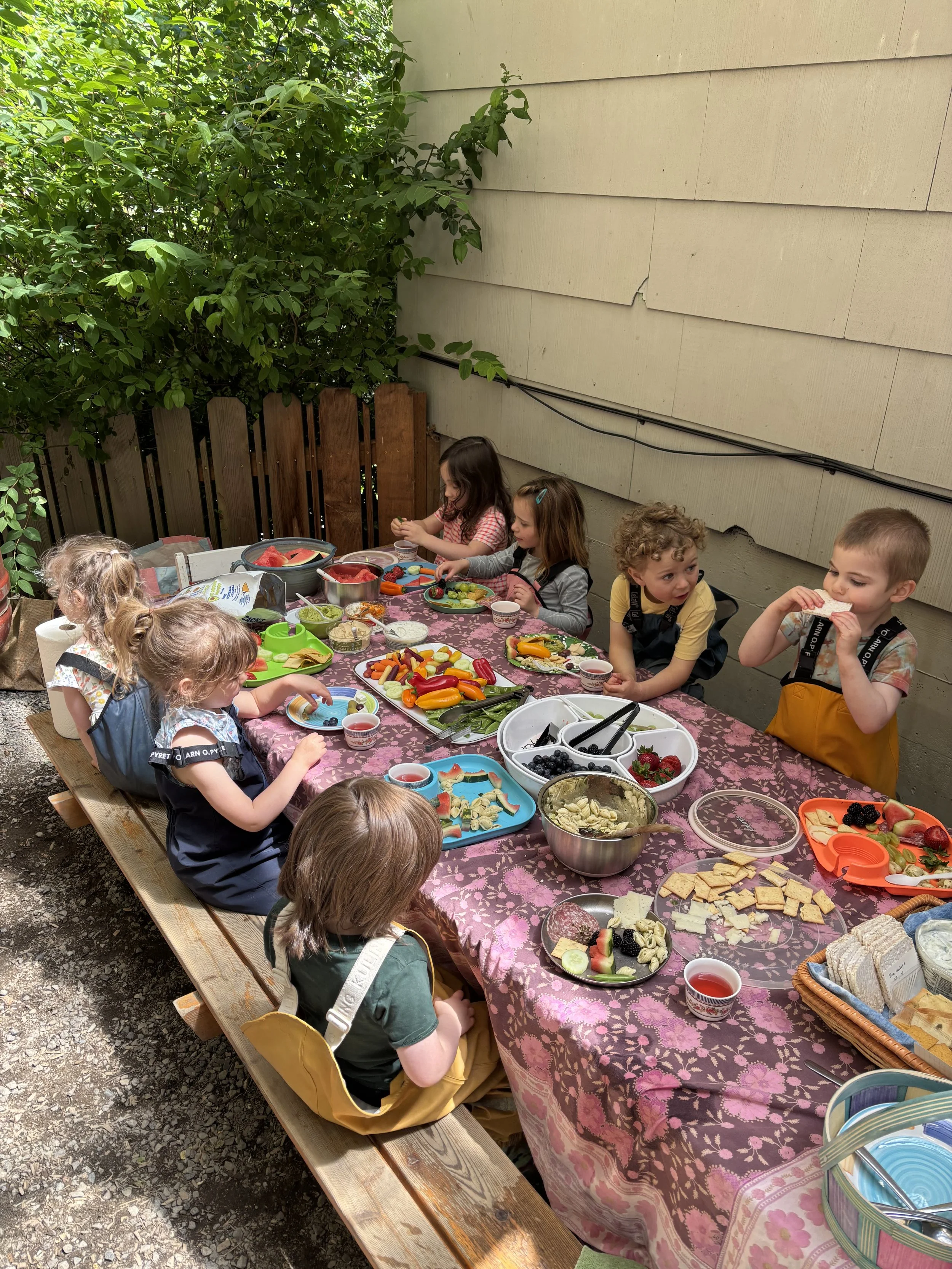
Learning through real work
Rather than being handed abstract lessons, nursery children take part in real, meaningful tasks — grinding grain, tending the garden, setting the table, and sorting seeds alongside their teachers. This real work nurtures a sense of purpose, independence, and belonging, long before a child is ready for more academic forms of learning.
Foundational Senses
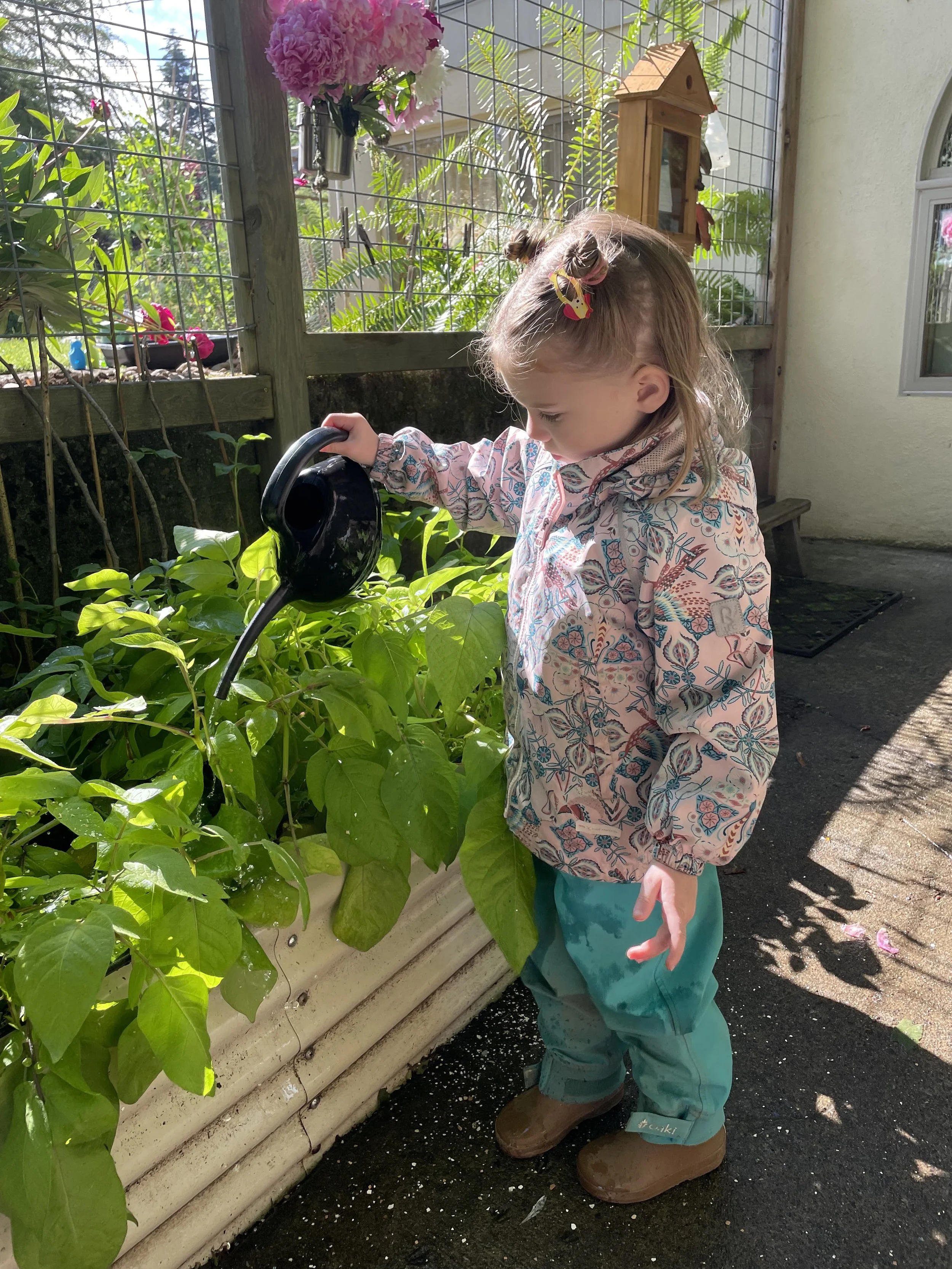
The foundations for future learning
Through climbing, swinging, running, and playing freely outdoors, young children develop what Waldorf educators call the four foundational senses: touch, balance, movement, and the sense of life and wellbeing. These early senses form the groundwork for every later stage of development — from physical coordination to focus and emotional security.
Socio-Emotional Learning
Learning to belong
In the nursery, very young children take their first steps into a wider social world — learning to be near other children, to share a teacher's attention, and to trust the adults who care for them each day. Guided by loving, consistent teachers who model warmth and connection, children begin to build the trust and security that social development rests on.
Meet the Teaching Team
Classroom Teachers
Staff Photos