Where Learning Feels Like Wonder
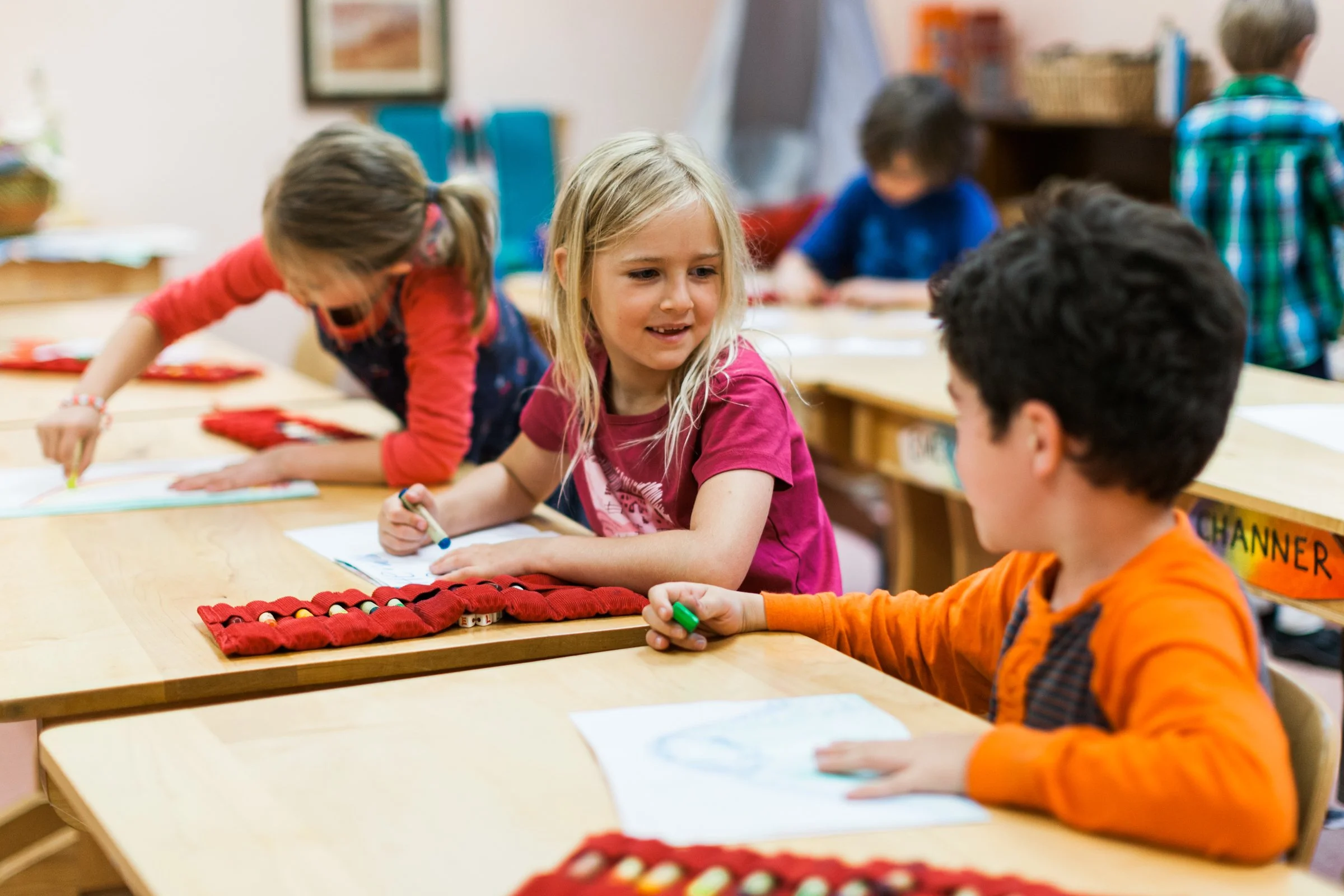
First Grade marks the beginning of an eight-year journey of joyful, experiential, and developmentally focused learning. Strongly imaginative and playful by nature, young children learn best through stories, movement, artistic work, rhythm, and hands-on experience — step into the classroom and you'll often find desks pushed to the side so students have room for circle time, games and movement exercises.
Nature stories and archetypal tales from around the world open the door to cultural diversity and early life science observations, while fairy tales, form drawing, poems and songs build a joyful relationship to language from the very start. Math grows out of movement, games, and practical activity before flowering into written work with the four operations, and literacy and numeracy alike take root through repetition, imitation, and vivid imagery found in story. Science and geography emerge through outdoor exploration, connecting children to seasonal rhythms and our local landscape.
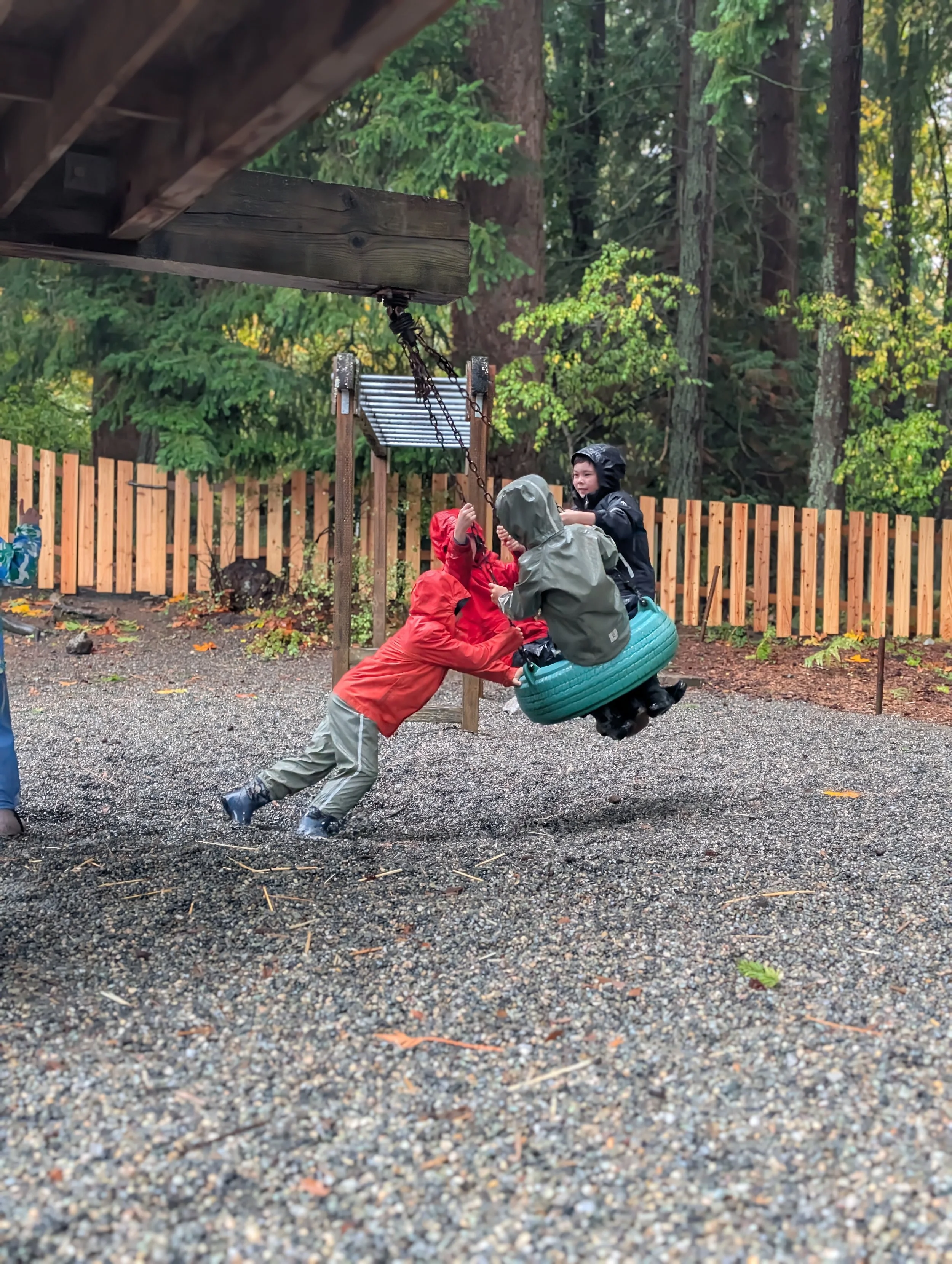
Alongside this academic foundation, teachers meet first graders' development by nurturing healthy habits — proper posture, a tidy desk, treating others with kindness and compassion, sharing classroom chores, and caring for their own materials. Free play remains central to the first grader's experience — whether playing with their 8th grade buddies, running around the playground, jumping rope, or making up games in the classroom.
First Grade Curriculum
-
Language Arts: Letters of the alphabet, upper- and lowercase sounds and symbols, reading instruction including phonics, simple sentence writing, story retelling and verse recitation, class play
History & Geography: Fairy and folk tales from around the world, nature stories, poetry, descriptive storytelling, exploration of the local environment
Mathematics: Qualities of numbers up to 12, introduction to the four operations, number patterns, sequencing and memorization, counting through clapping and rhythmic movement
Science/Nature Study: Outdoor walks and observation, awareness of nature’s rhythms, including sunrise/sunset, moonrise/moonset, weeks, months, and seasons
-
World Languages: Spanish and American Sign Language
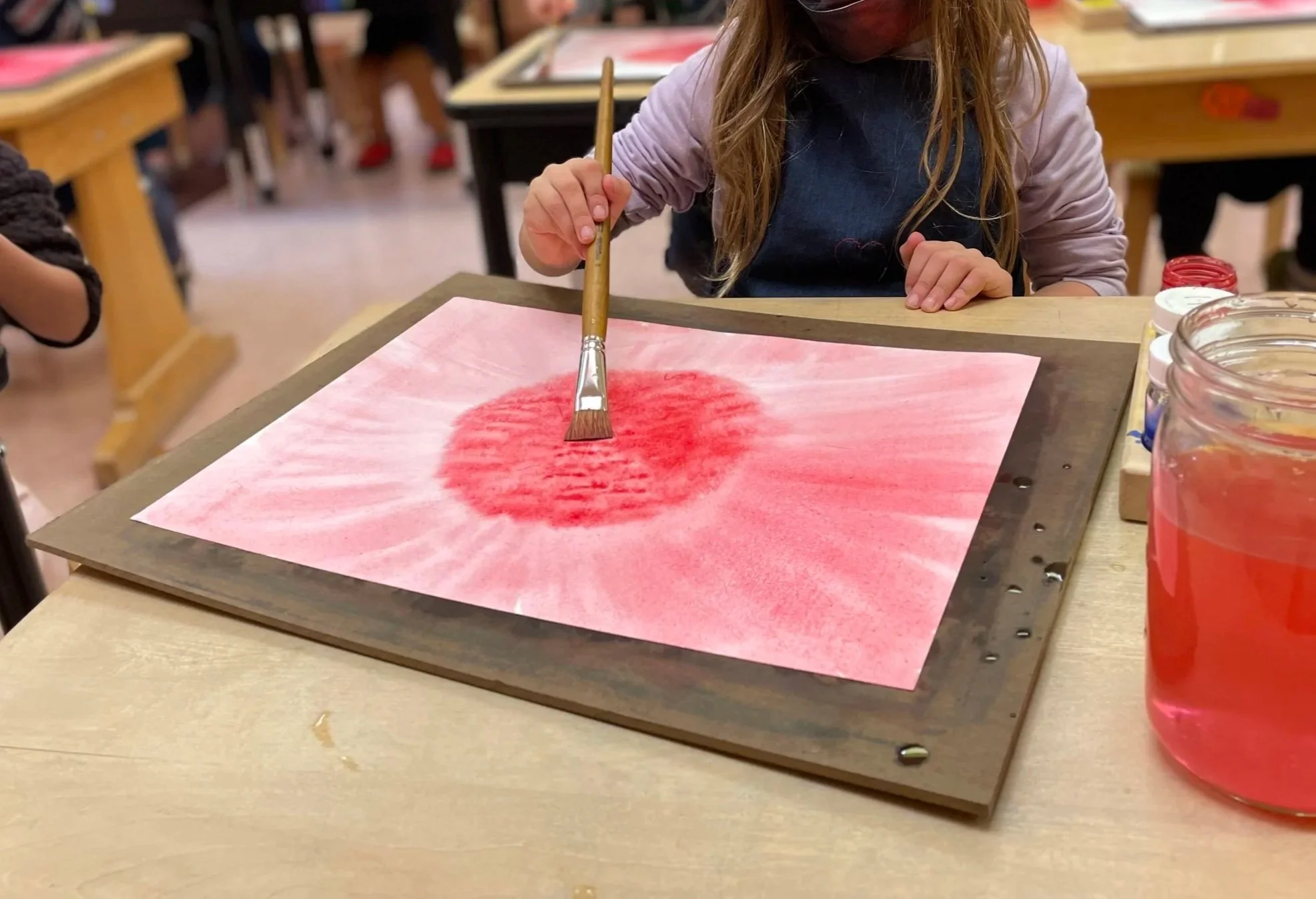
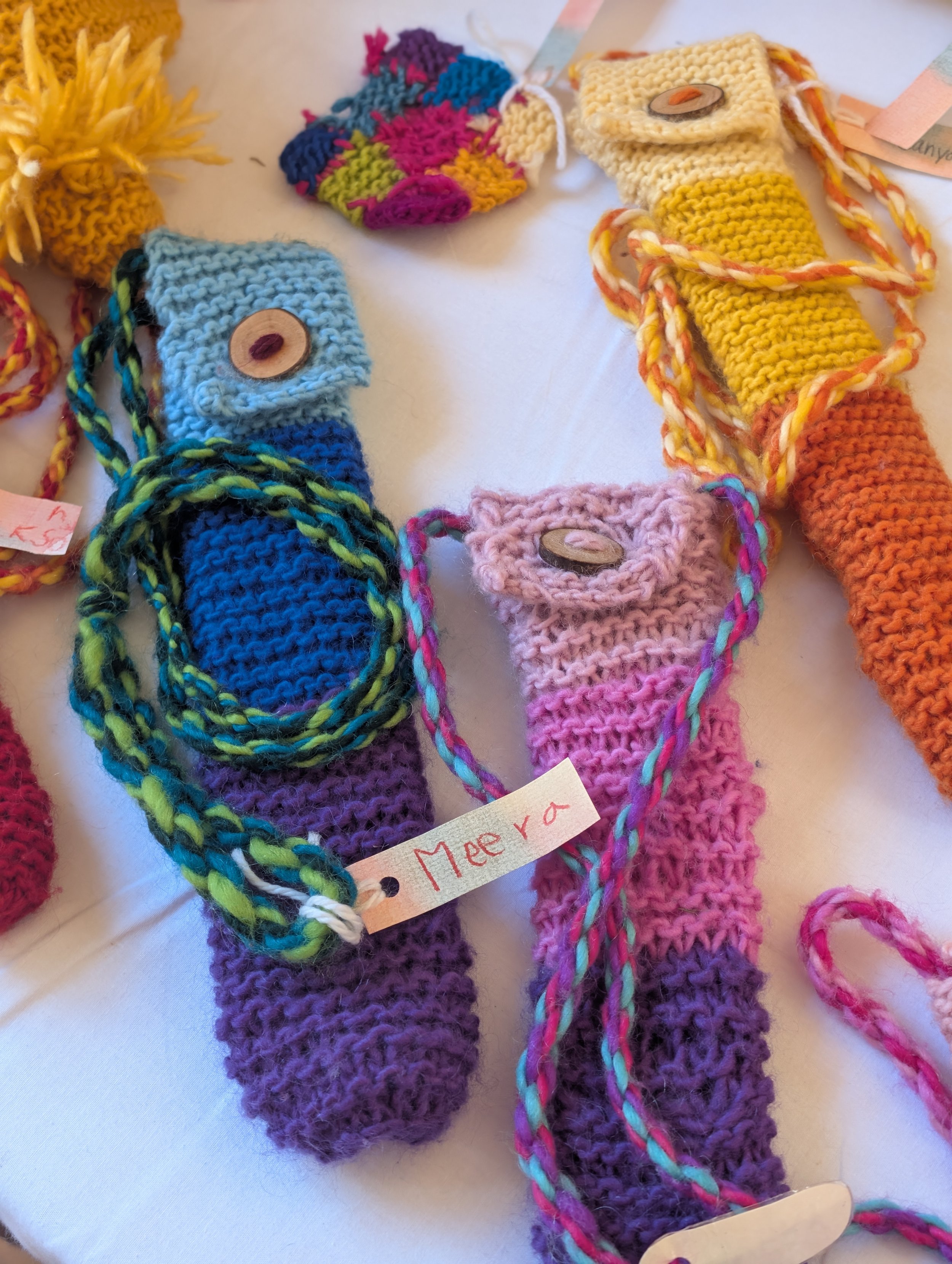
Fine & Practical Arts: Painting, drawing, beeswax modeling, form drawing, craft projects and knitting (flute cases and simple dolls)
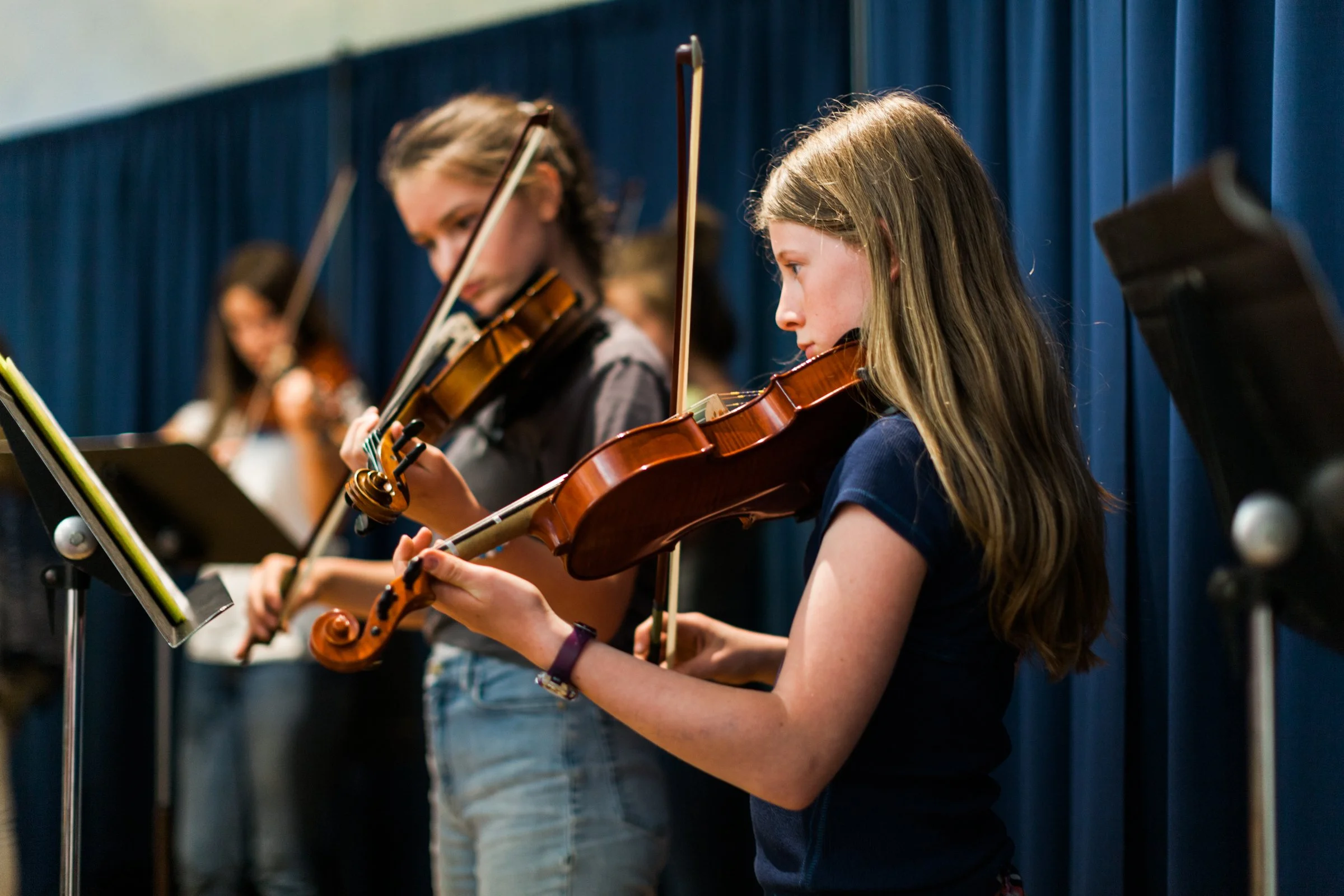
Music: Pentatonic flute and singing
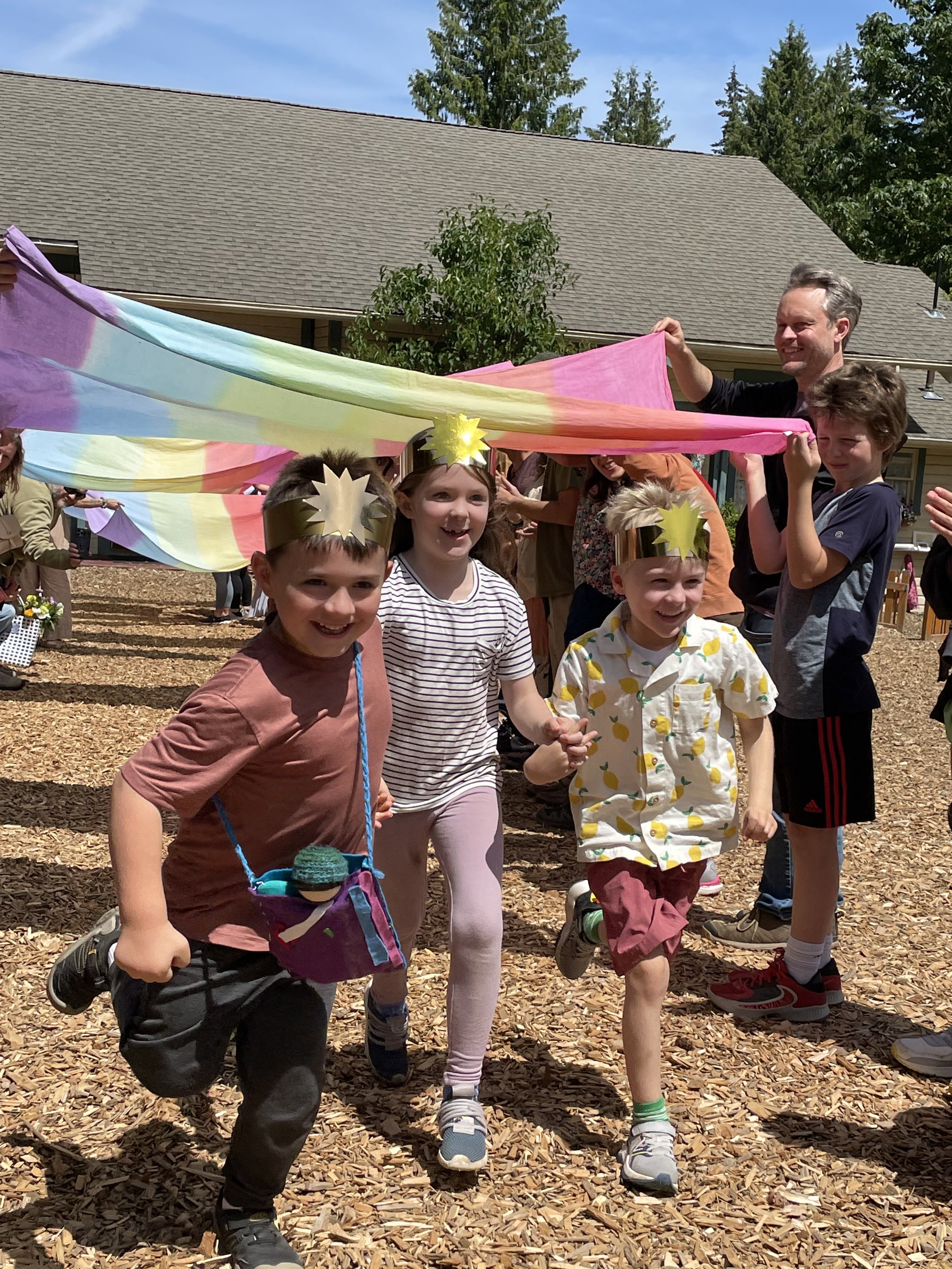
Movement: Cooperative and imaginative games, spatial awareness, rhythmic movement, clapping and partner games, jump rope, ball skills, simple dances, tumbling, and parachute games
Eurythmy: Storytelling through gestures and movement, straight and curved forms, rhythm, and body geography exercises
-
Field Trips: Pumpkin Patch or farm visit in fall, Mount Baker Theater
Adventures: Local walks in Stimpson Nature Preserve, Lookout Mountain; Local Beaches - Semihamoo, Birch Bay
Family Events: Evening Lantern Walk, weekend family camp out
Sample Daily Schedule
8:30am - Main Lesson
10:30am - Snack & Recess
11:00am - Form Drawing
11:45am - Spanish
12:30pm - Lunch & Recess
1:15pm - Fiber Arts
2:00pm - Nature Study
3:00pm - Close
Early release Fridays at 1:15pm
First Grade Highlights
8th Grade Buddies
Form Drawing
Class Play
Annual Traditions
Mentorship Across Grades
Mentorship Across Grades
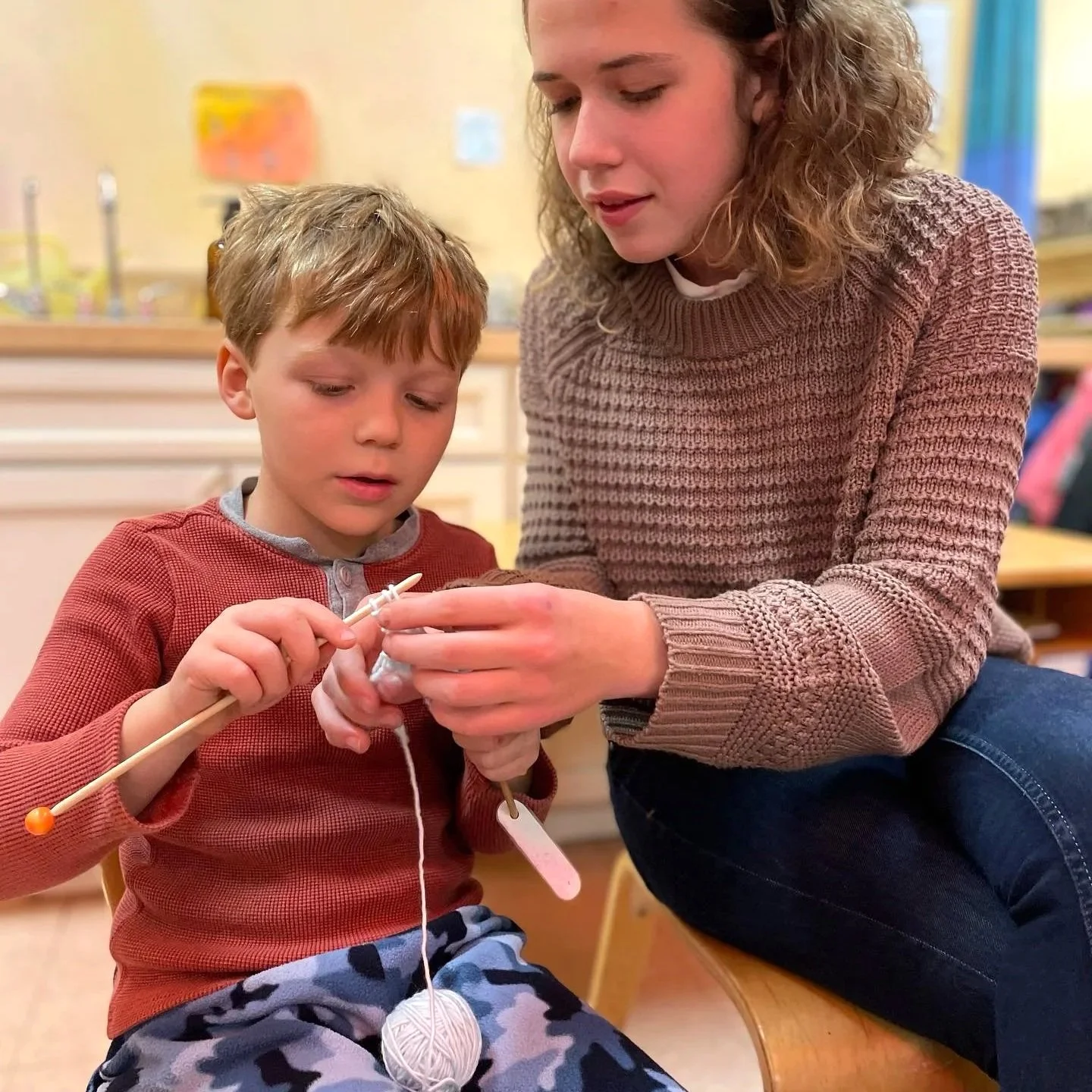
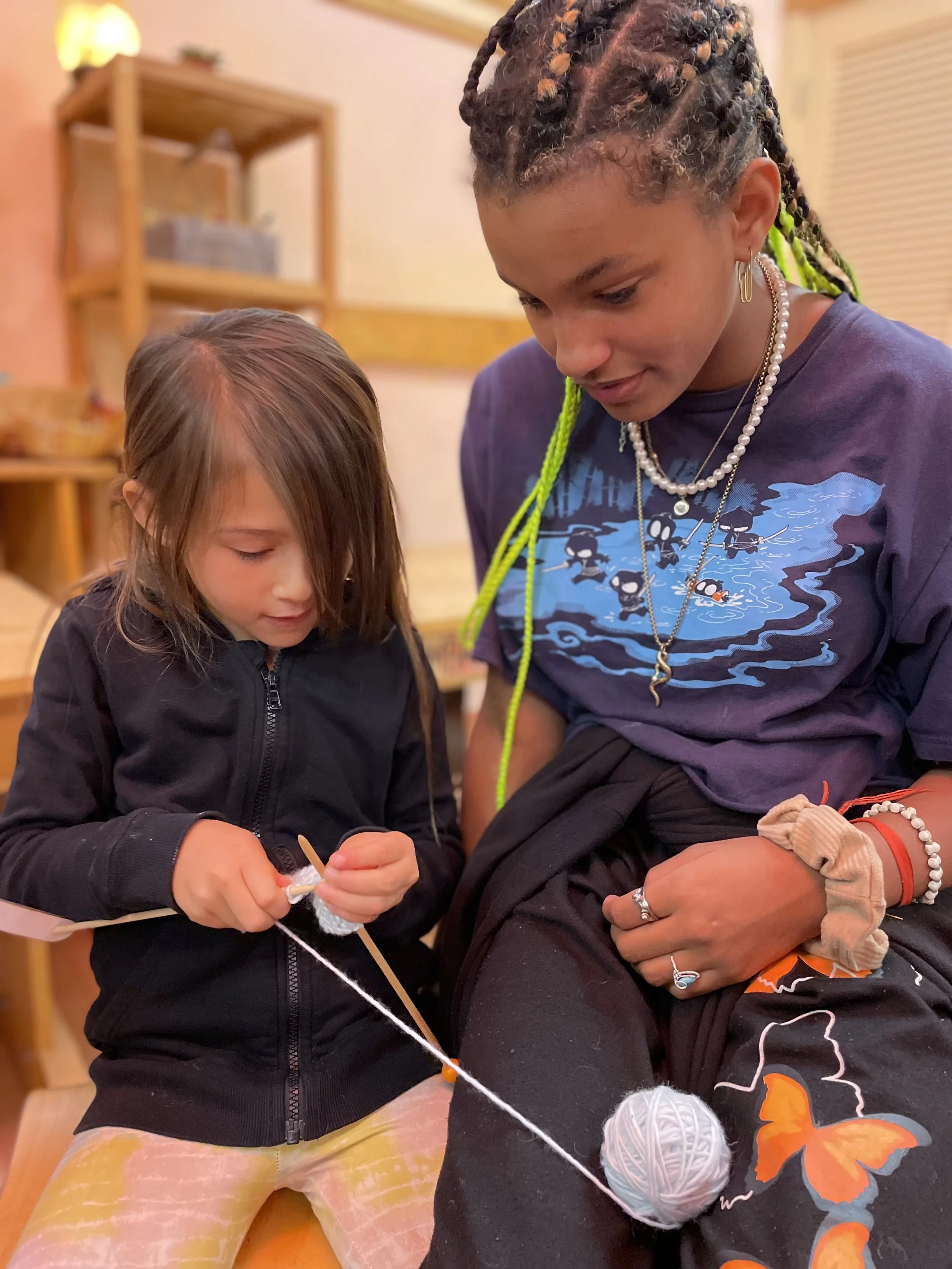
A cherished Whatcom Hills tradition, each fall our 8th graders patiently and tenderly guide the 1st graders in learning to knit — first demonstrating the technique themselves, then lovingly coaching the little ones as they take up the needles on their own. It's heartwarming to witness: the adoration on 1st graders' faces as they bask in their older buddies' attention, and the quiet confidence of our oldest students as they step into the role of teacher for the day. It's just one of the many beautiful ways Waldorf education cultivates connection and learning across the ages.
Form Drawing
Form Drawing
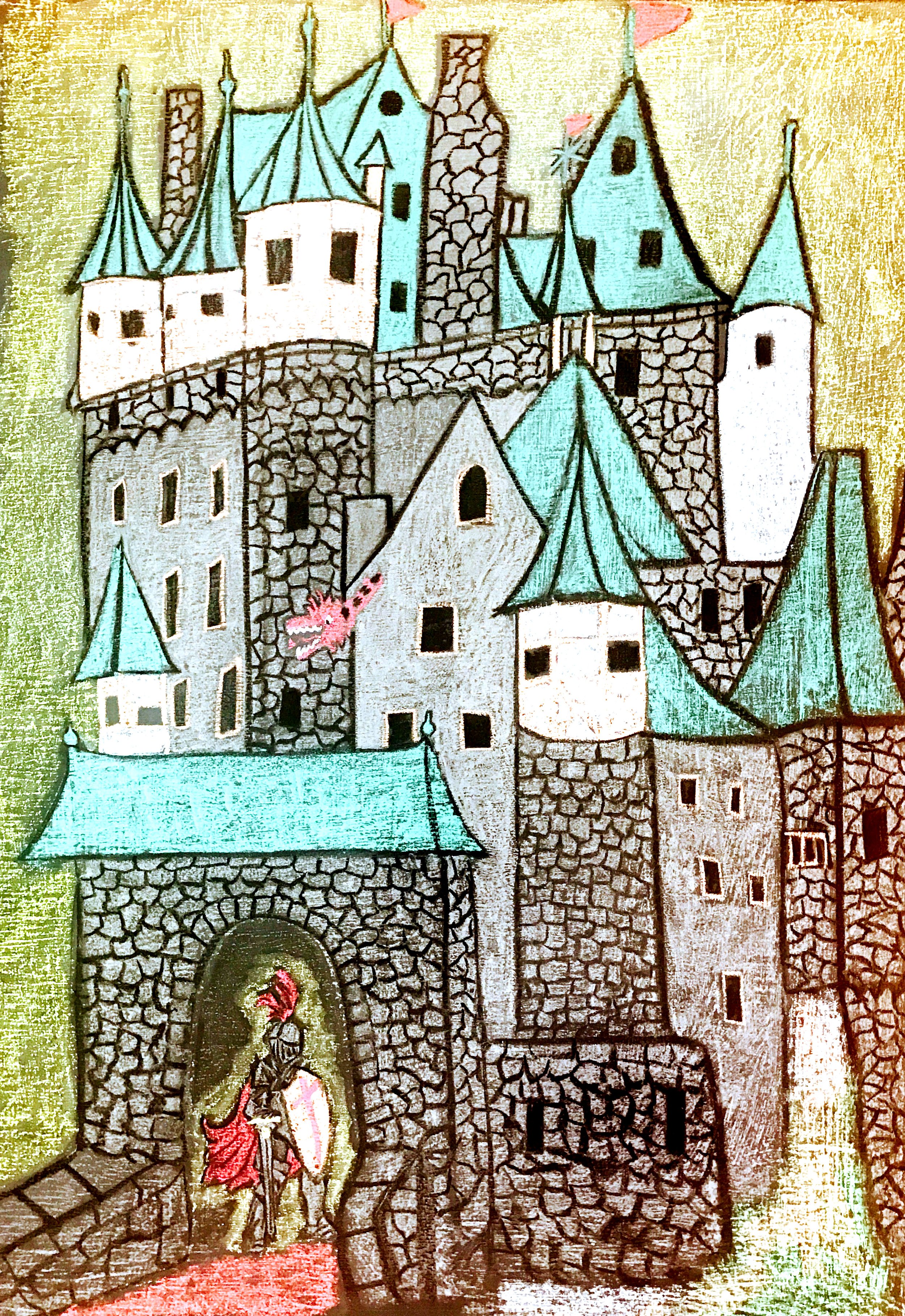
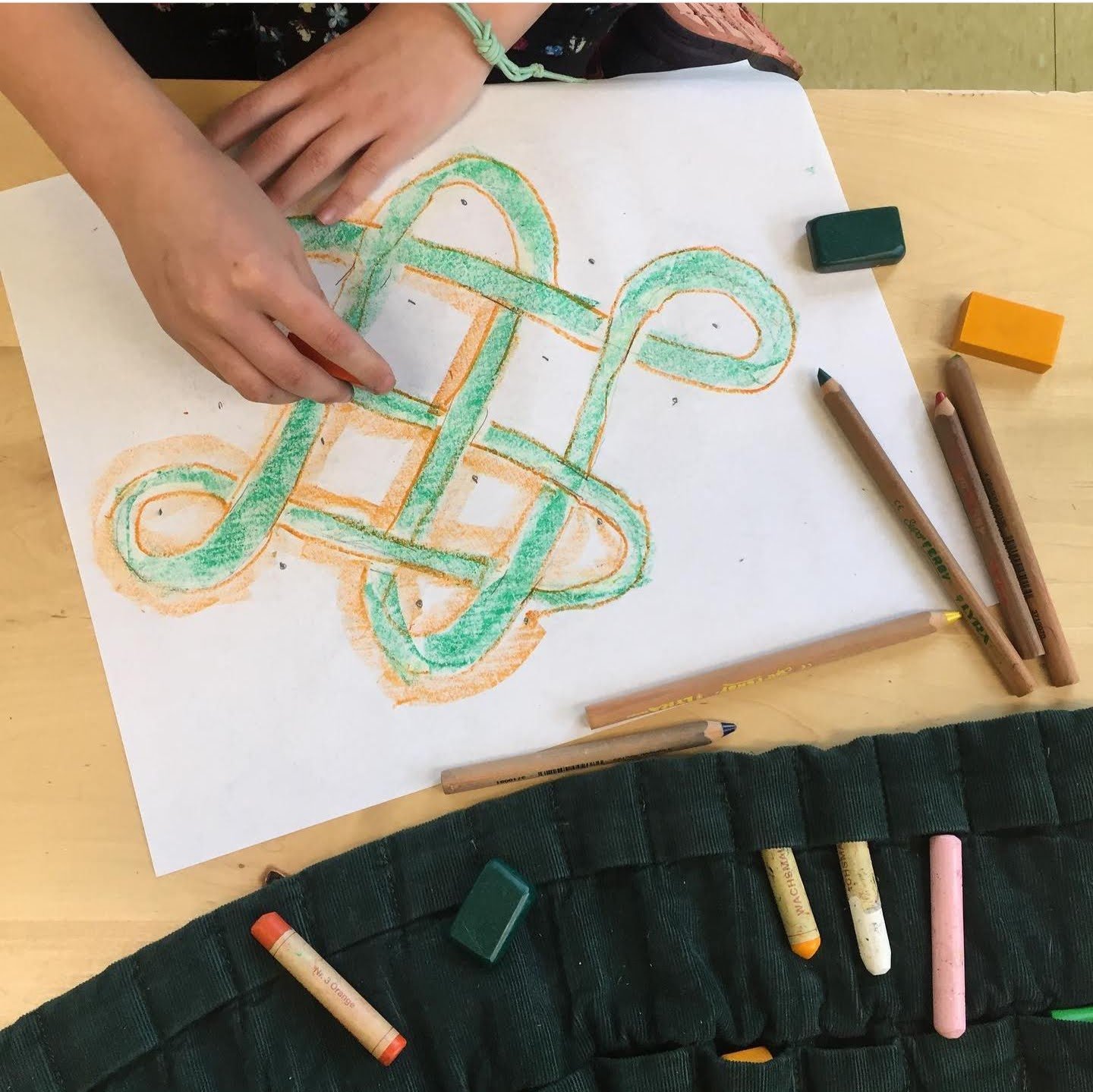
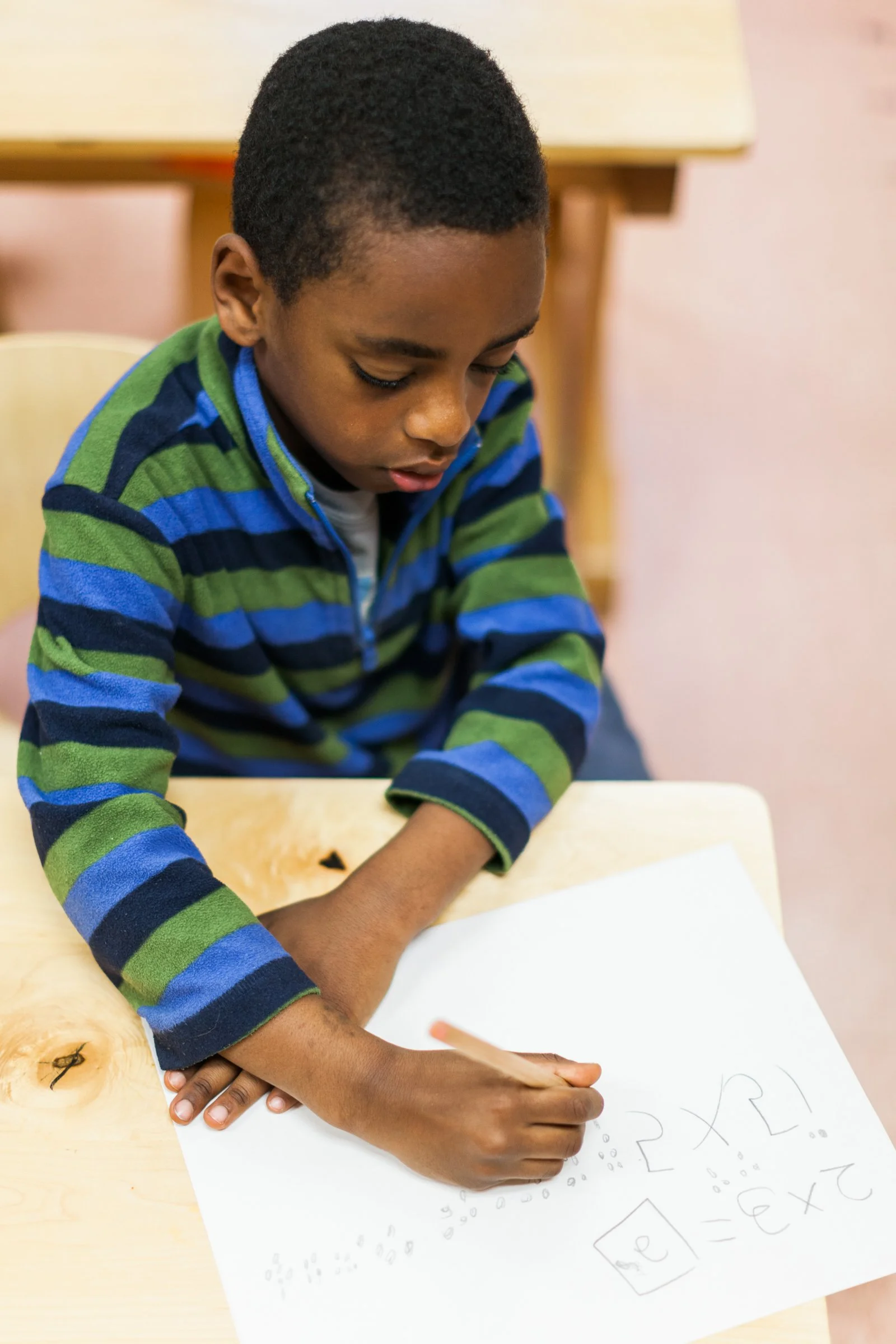
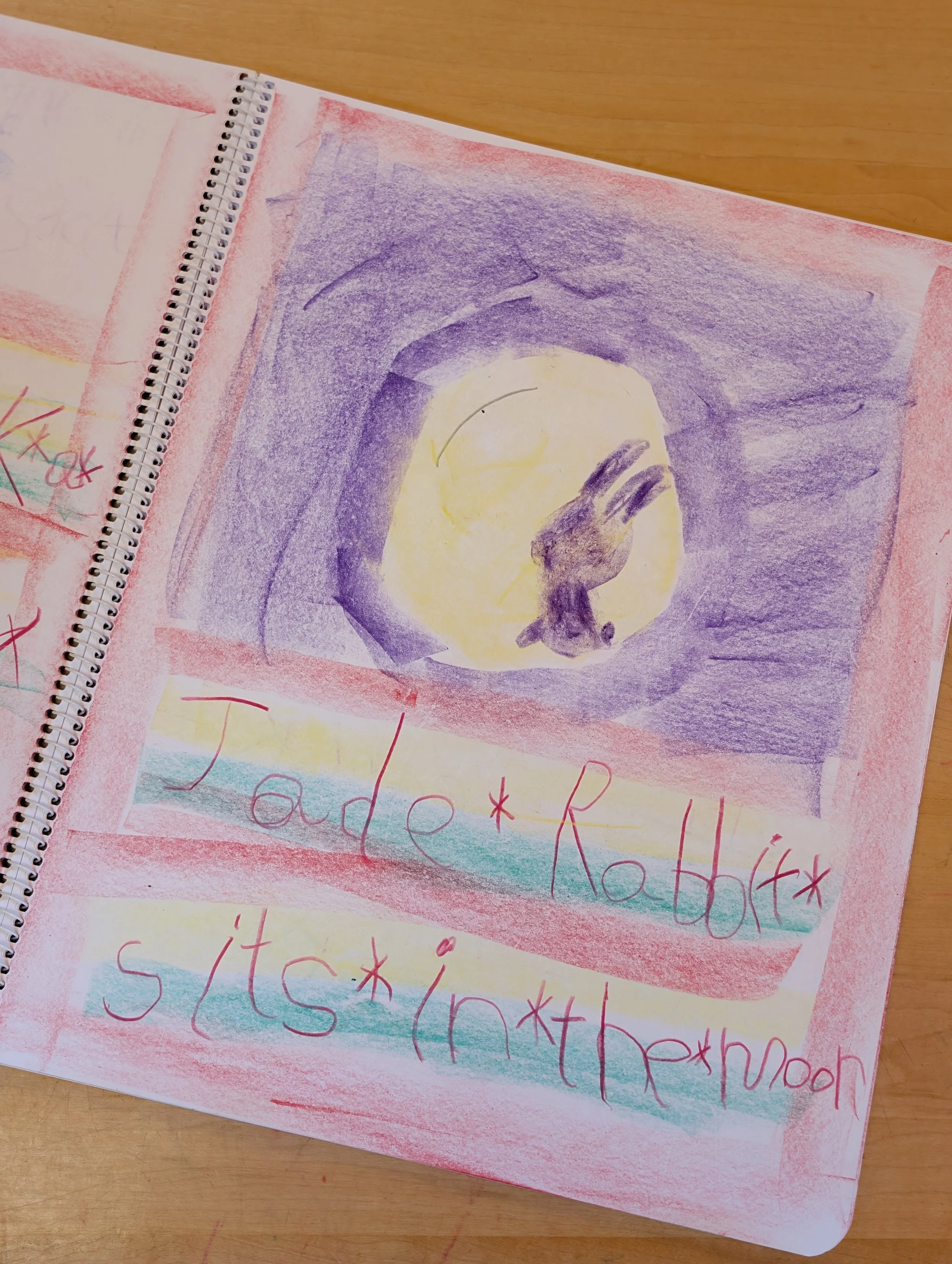
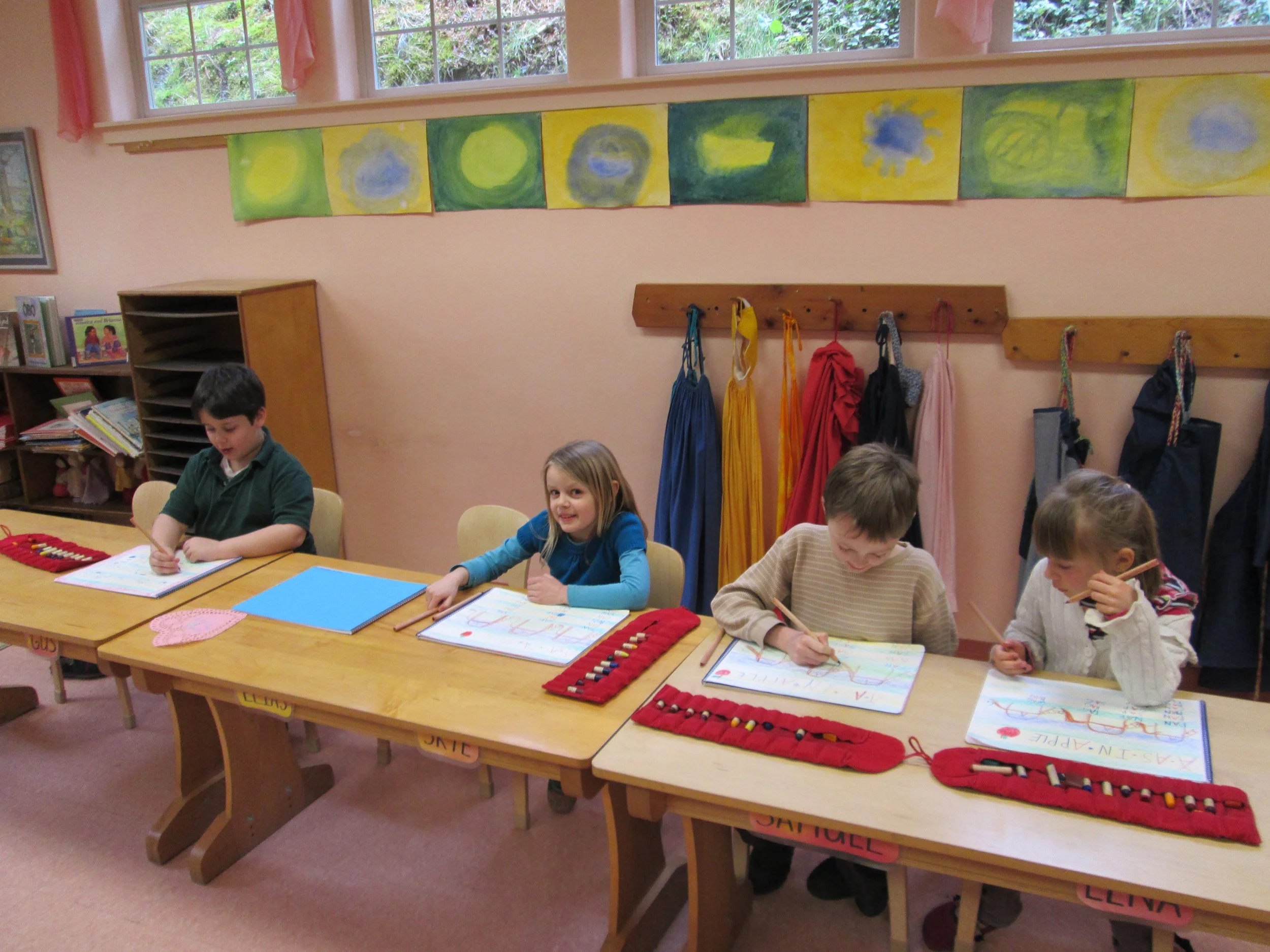
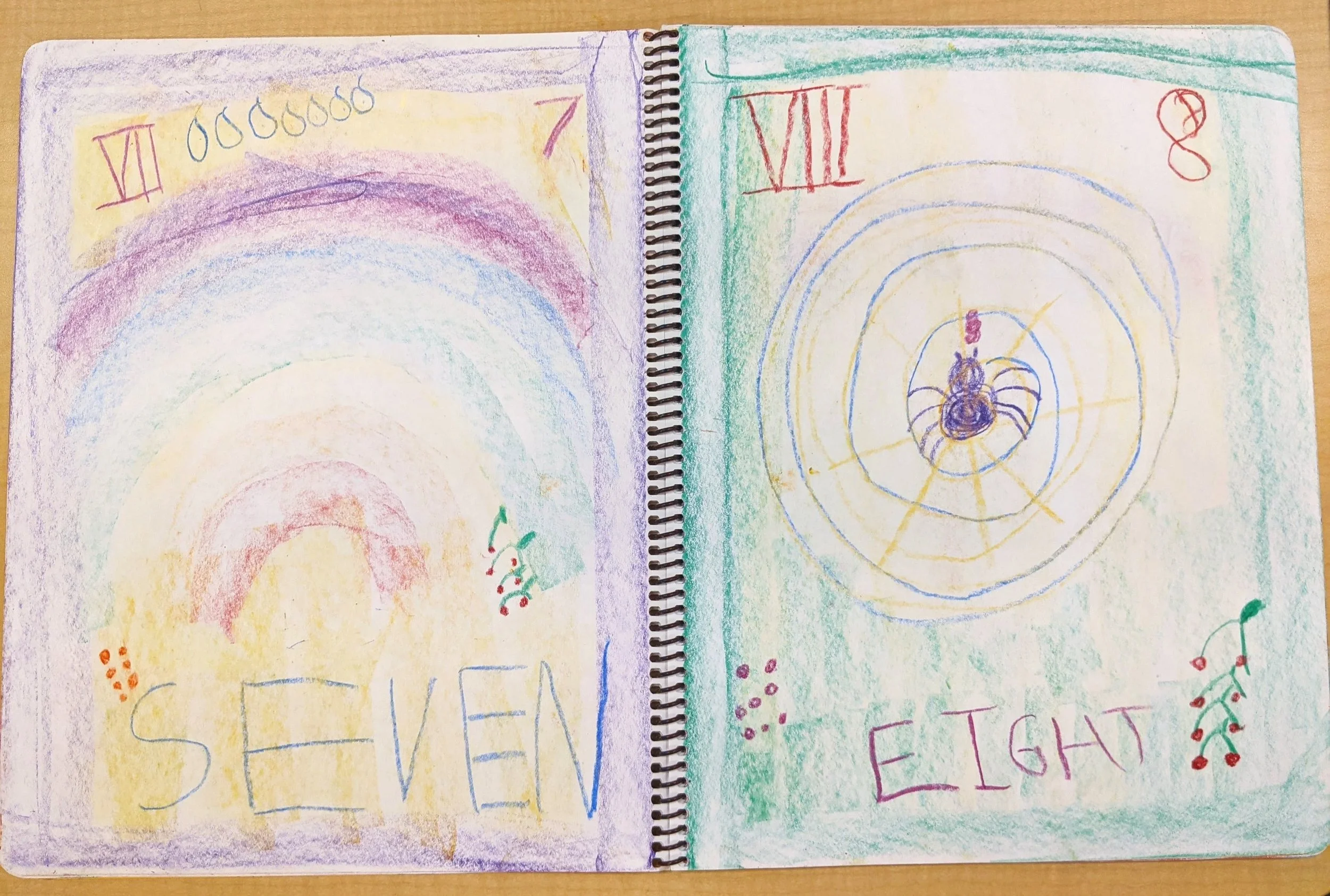
One of the foundations of our curriculum in the early grades, form drawing is the practice of drawing straight and curved lines, then patterns, symmetries, and flowing forms. Rudolf Steiner originally called it "dynamic drawing." It starts with the simplest elements there are, the straight line and the curved line, and grows more complex each year.
This gentle, hands-on practice does quiet but important work. It builds focus, strengthens the hand-eye coordination that handwriting depends on, and helps children develop a confident sense of space: up and down, left and right, center and edge. It is also the first step toward writing, since the curves and strokes children practice are the same ones that make up letters. Learn more about this multi-sensory activity.
The Magic of the Class Play
The Magic of the Class Play
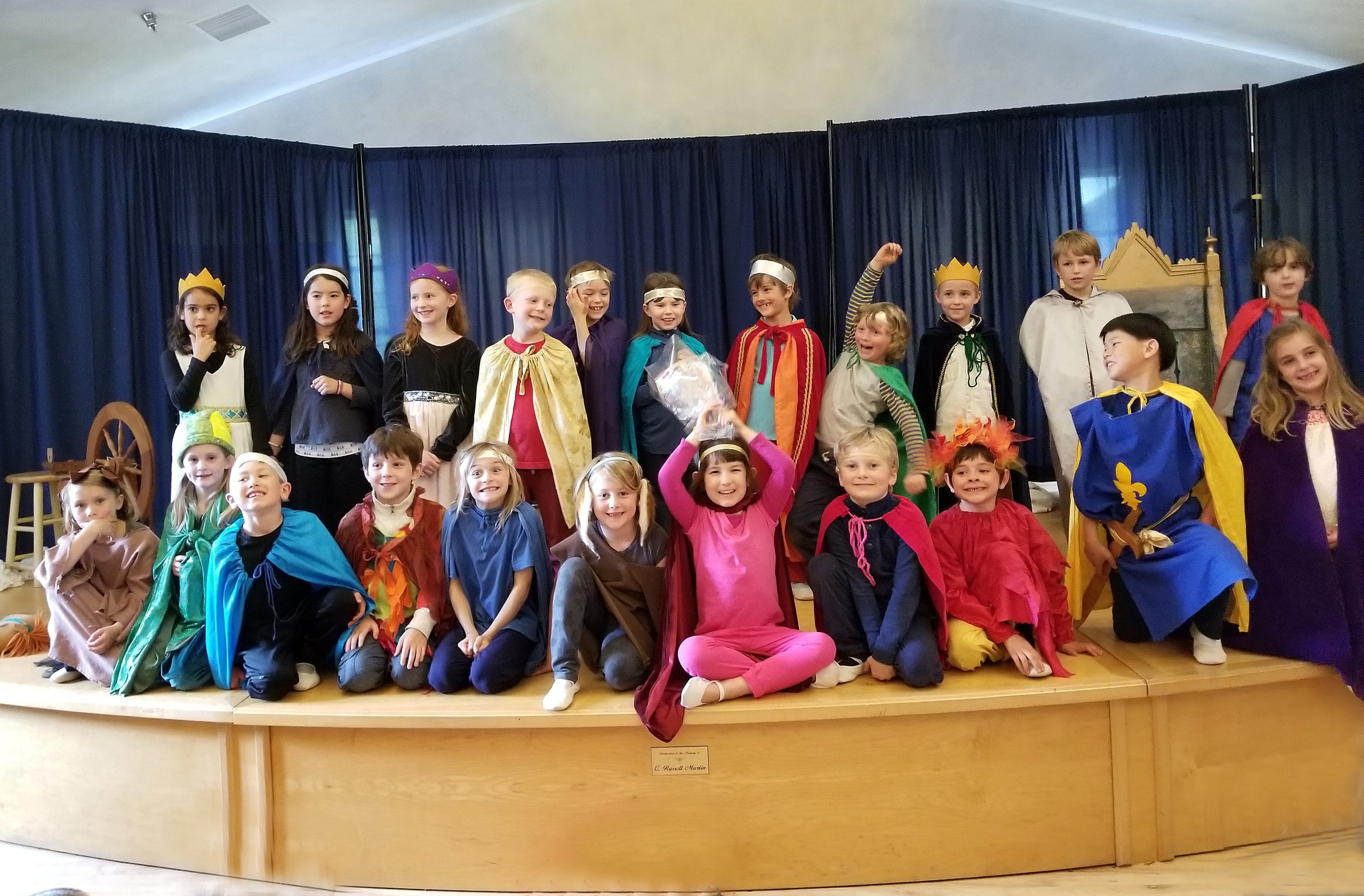
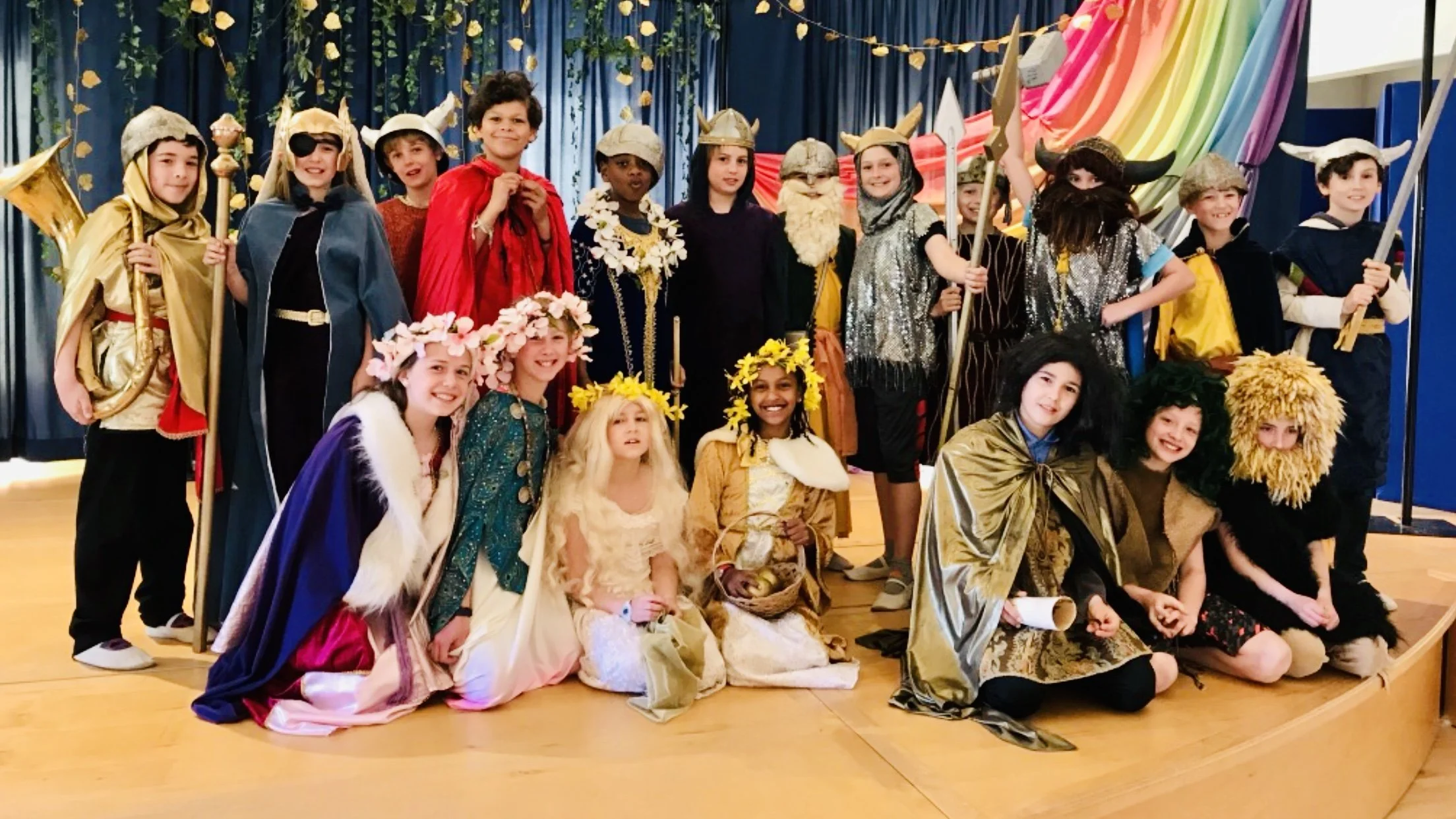
Beginning in 1st grade, our students embark on a beloved Waldorf tradition: the class play. In these earliest years, the children speak and recite together as one voice, building a shared rhythm and a strong sense of belonging. This gentle first step onto the stage begins to build confidence, self-awareness, and public speaking skills — seeds that will grow each year into the individual voice and confident presence every child carries with them long after they leave our school.
Annual Traditions
Wildflower & Rose Ceremonies
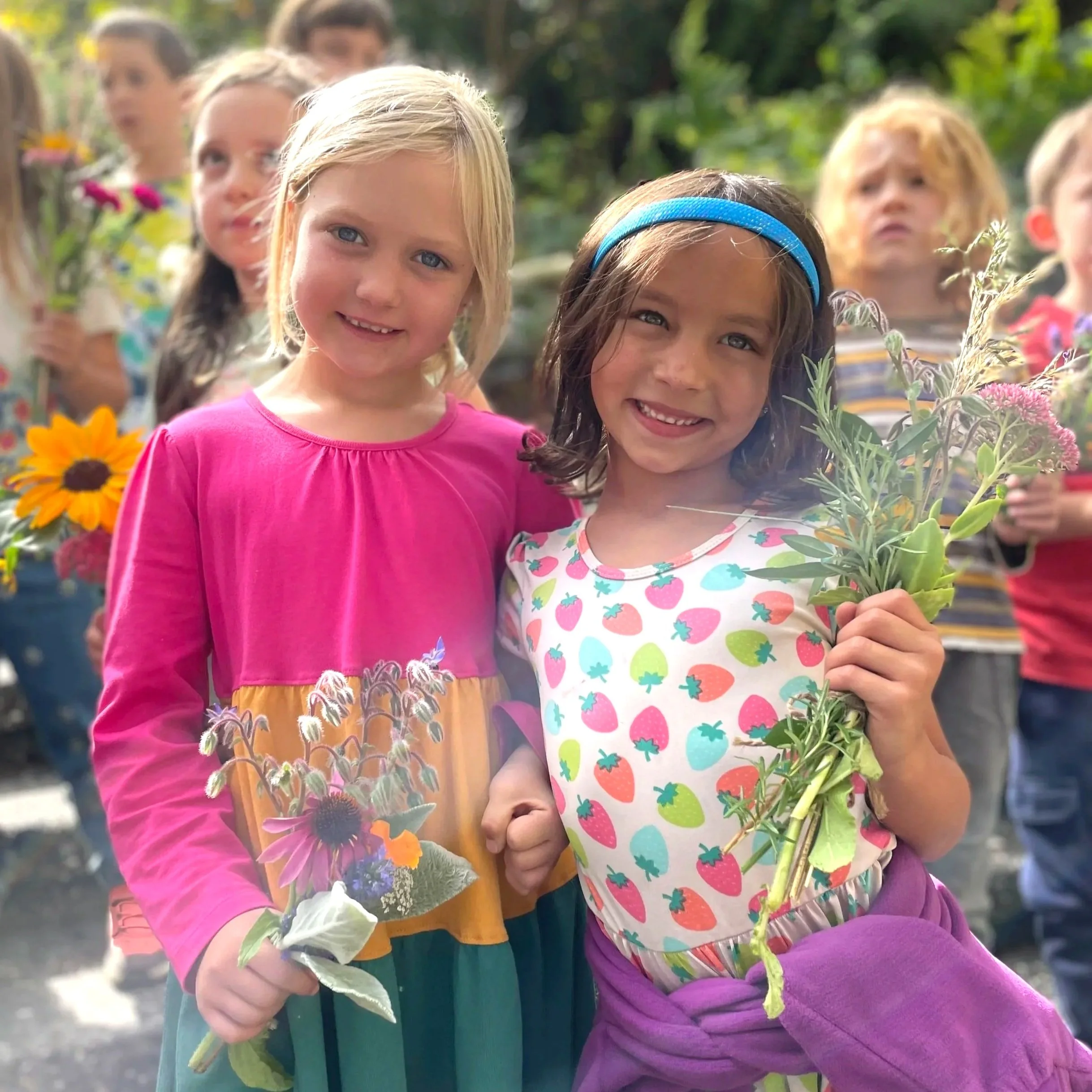
On the very first day of school, our 8th graders welcome the newest members of the Grade School with a handful of gathered wildflowers, a simple and heartfelt gesture that says: you belong here now. Then, on the last day of school, the circle closes — our 1st graders return the gift, crowning their 8th grade friends with wild rosebud crowns to honor the completion of their journey through the grades. This sweet tradition lives on in the hearts of everyone who has participated at WHWS, a quiet thread connecting the youngest and oldest students year after year.
Read More
First Grade in Photos
Meet the Teaching Team
Classroom Teachers
Staff Photos

Specialty Teachers
Staff Photos