
Learning Through Doing
As they progress through the grades, Whatcom Hills Waldorf School students experience a vibrant array of specialty classes integrated with their core academic learning.
Grade Five may explore Greek history in movement class through javelin and discus, Third Grade fiber arts may include dyeing wool with plants grown during a farming block, and 8th Grade students studying the Industrial Revolution will learn to work with sewing machines and explore how factory-line production transformed modern life.
At WHWS, academic learning and artistic practice work together to engage the whole child and enliven learning in meaningful, developmentally appropriate ways.
Movement Education
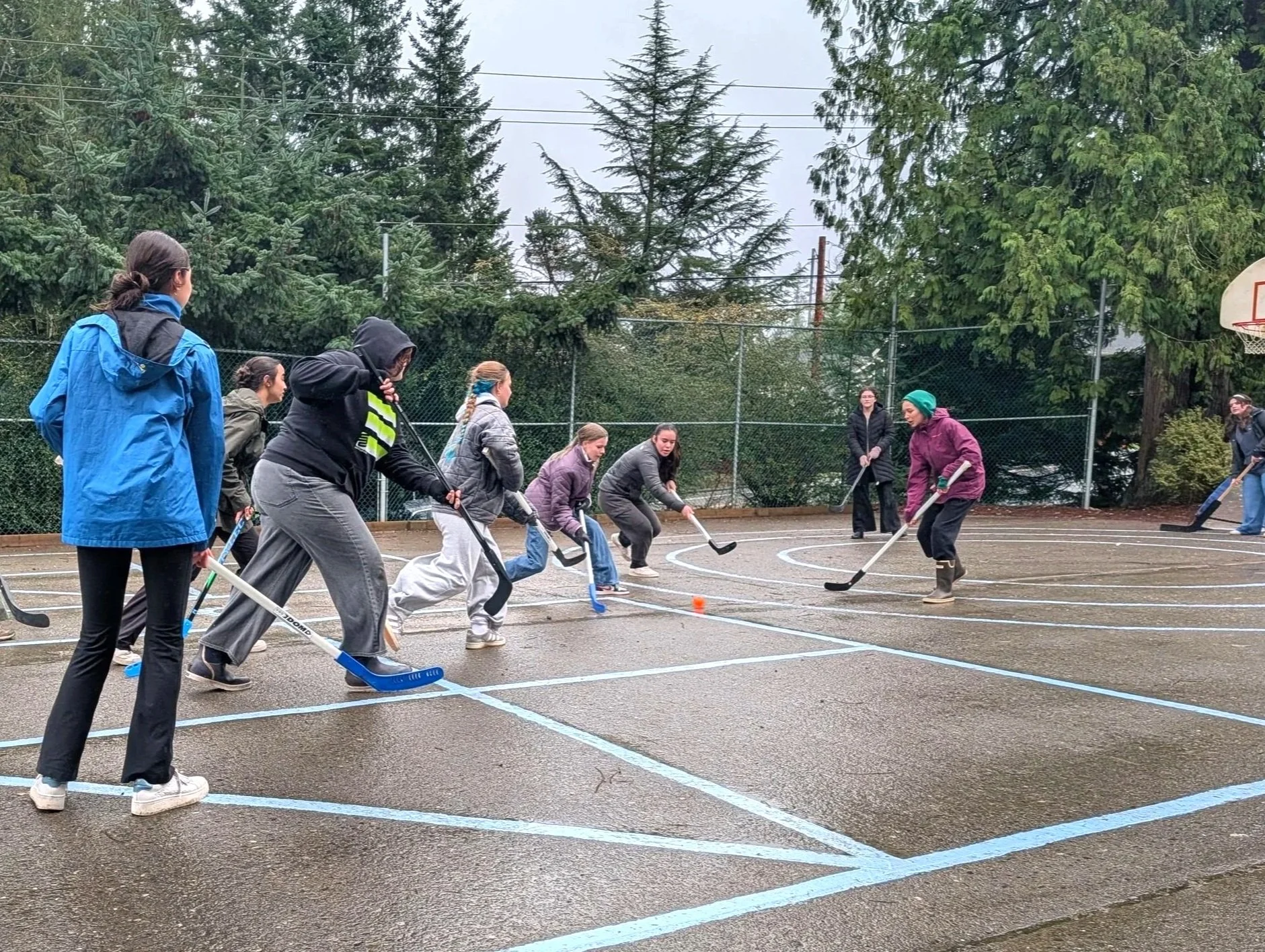
From jump rope, basketball and archery to Ultimate Frisbee, folk dances, and collaborative games from around the world, our Movement curriculum gives students a joyful, varied physical education grounded in Spatial Dynamics principles. Students also learn skills needed to participate in several regional athletic events such as the Greek Games in fifth grade, the Medieval Games in sixth grade, and Track and Field meets in seventh and eighth grade.
Many of our students also participate in after-school sports through local middle schools, clubs, and youth organizations.
Music
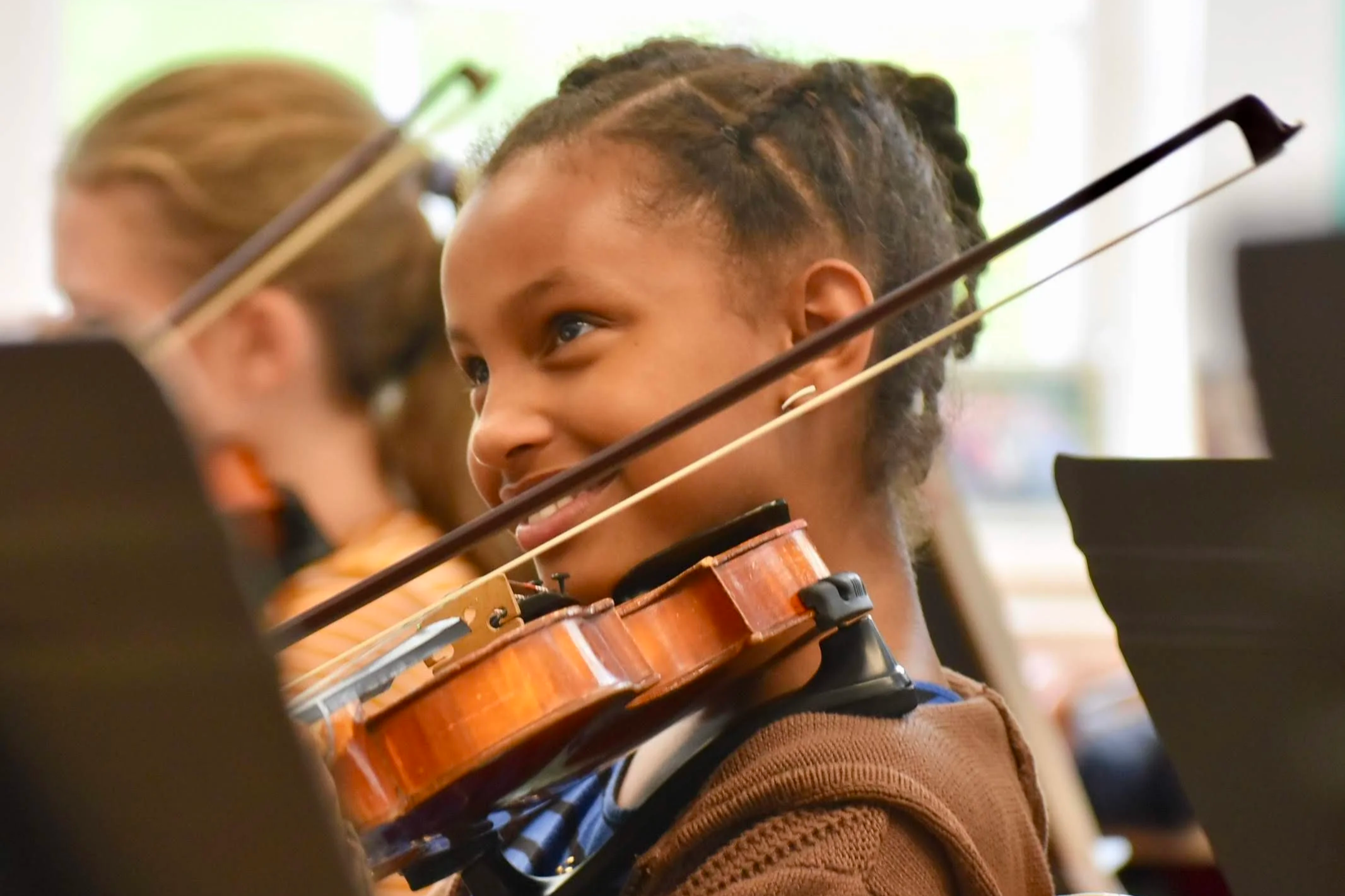
Singing is woven into every school day, and music runs throughout the entire curriculum — not just as a subject, but as a daily rhythm of classroom life. Formal music study begins with pentatonic flute in 1st grade, moves into dedicated music classes in 3rd grade, and continues as students take up a string instrument in 4th grade, culminating in combined orchestra and choir ensembles by 7th & 8th grade.
Fiber Arts
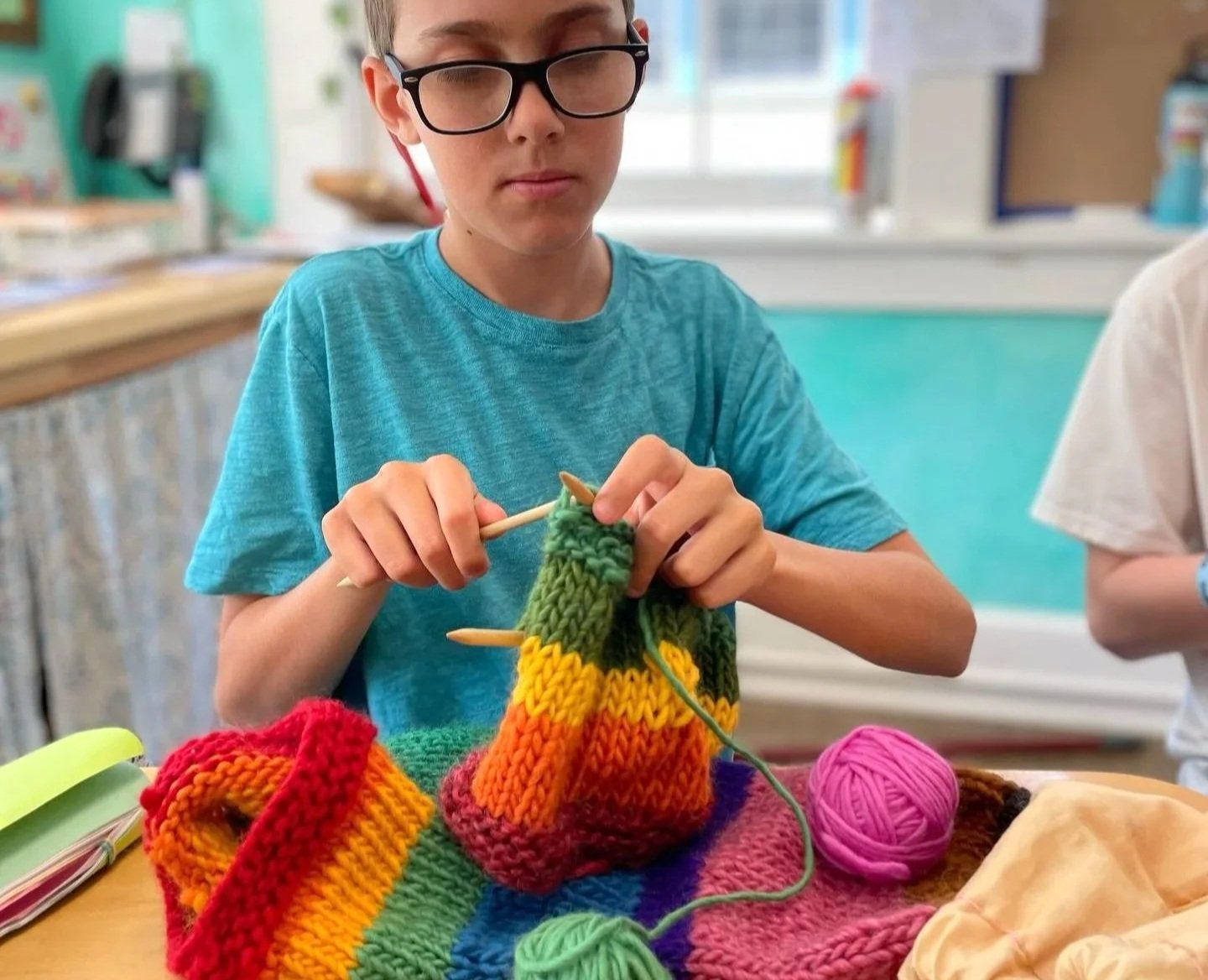
Students begin in Grade 1 by making their own knitting needles, then grow through the grades learning to knit, crochet, cross stitch, embroider, sew by hand, and ultimately work with electric sewing machines. Practical and beautiful projects—from knitted socks and crocheted hats to complex stuffed animals, dolls and their clothing, and full size garments—are tangible marks of their growing skill that many students treasure for years. These activities build fine motor skills, hand-eye coordination, concentration, and perseverance, along with proficiency with counting and patterns.
Spanish
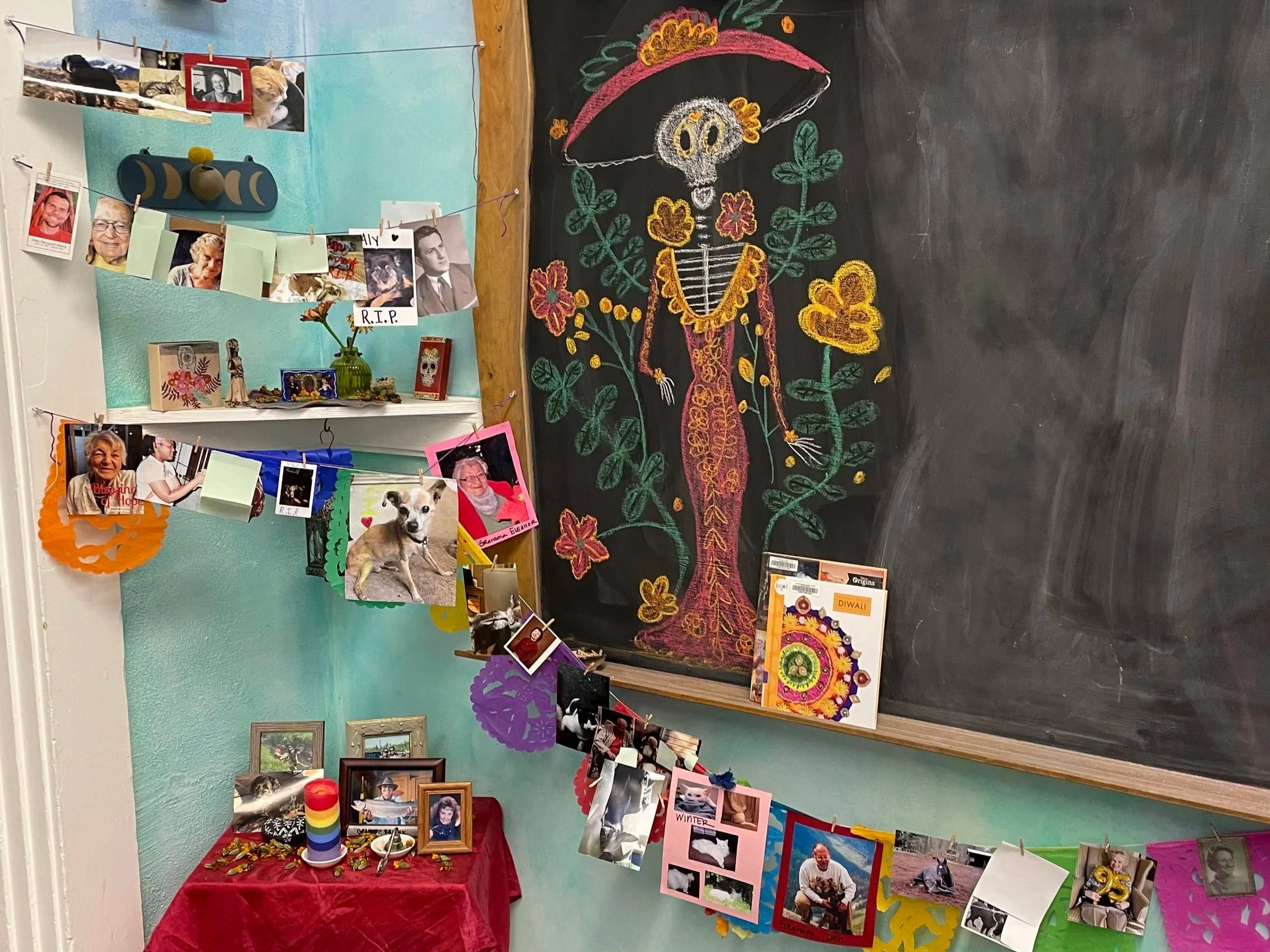
A holistic approach develops Spanish language skills alongside cultural understanding. Beginning with songs, stories, and games, learning progresses into reading, writing, conversation, and a more structured study of vocabulary, grammar, and global culture, brought to life through hands-on experiences like celebrating Día de los Muertos and preparing traditional foods. This sustained, joyful exposure builds real language skill along with cultural fluency and confidence — many of our graduates go on to pursue Spanish in high school and college.
American Sign Language
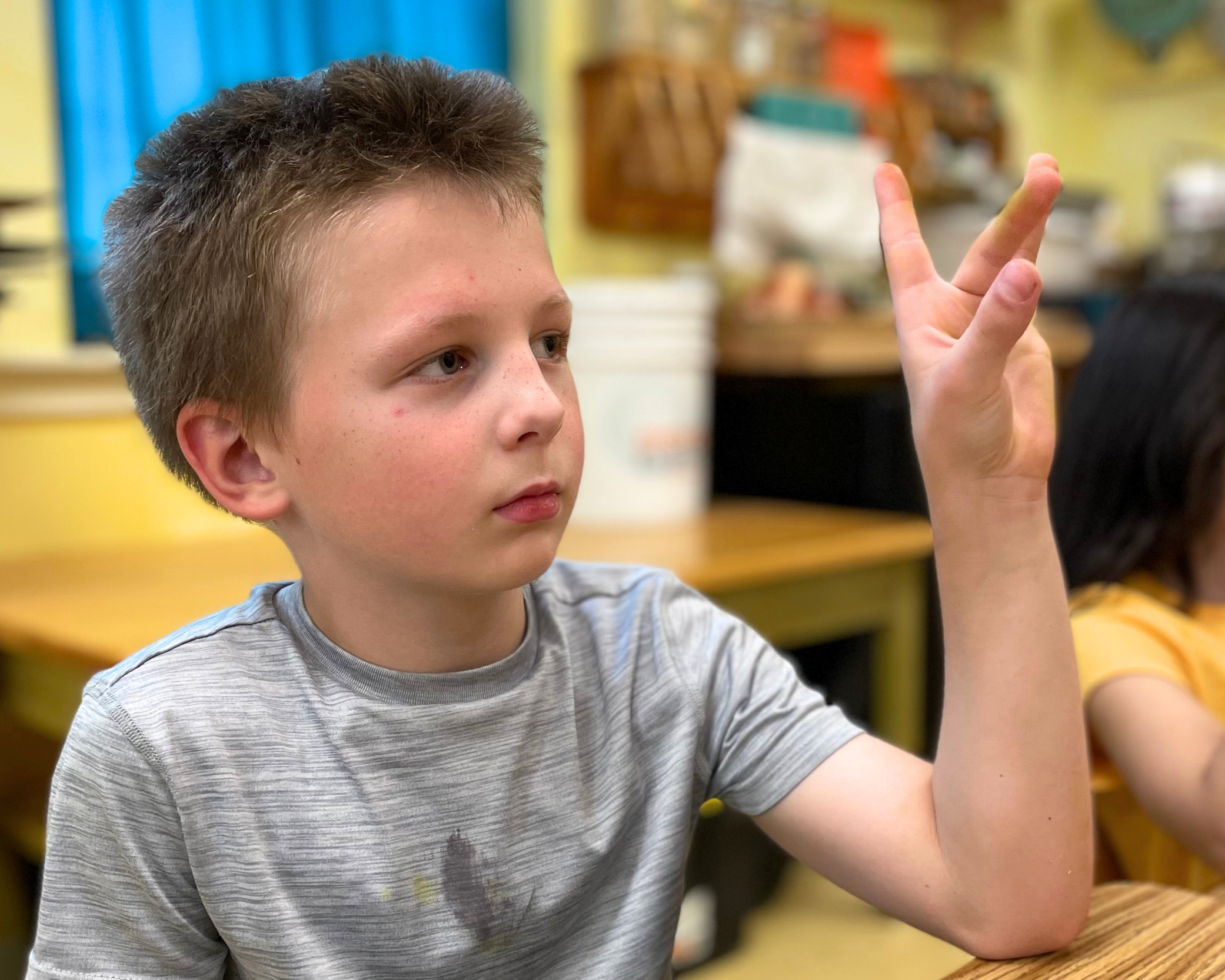
Through ASL, students use their bodies and movement to express ideas and emotions, building memory, multitasking, and spatial awareness along the way. Learning Deaf history and culture invites students to examine audism and consider how they can be allies to the Deaf community and others affected by ableism. ASL also provides a meaningful foundation for continued language learning, as it is offered in all of our local high schools.
Woodworking
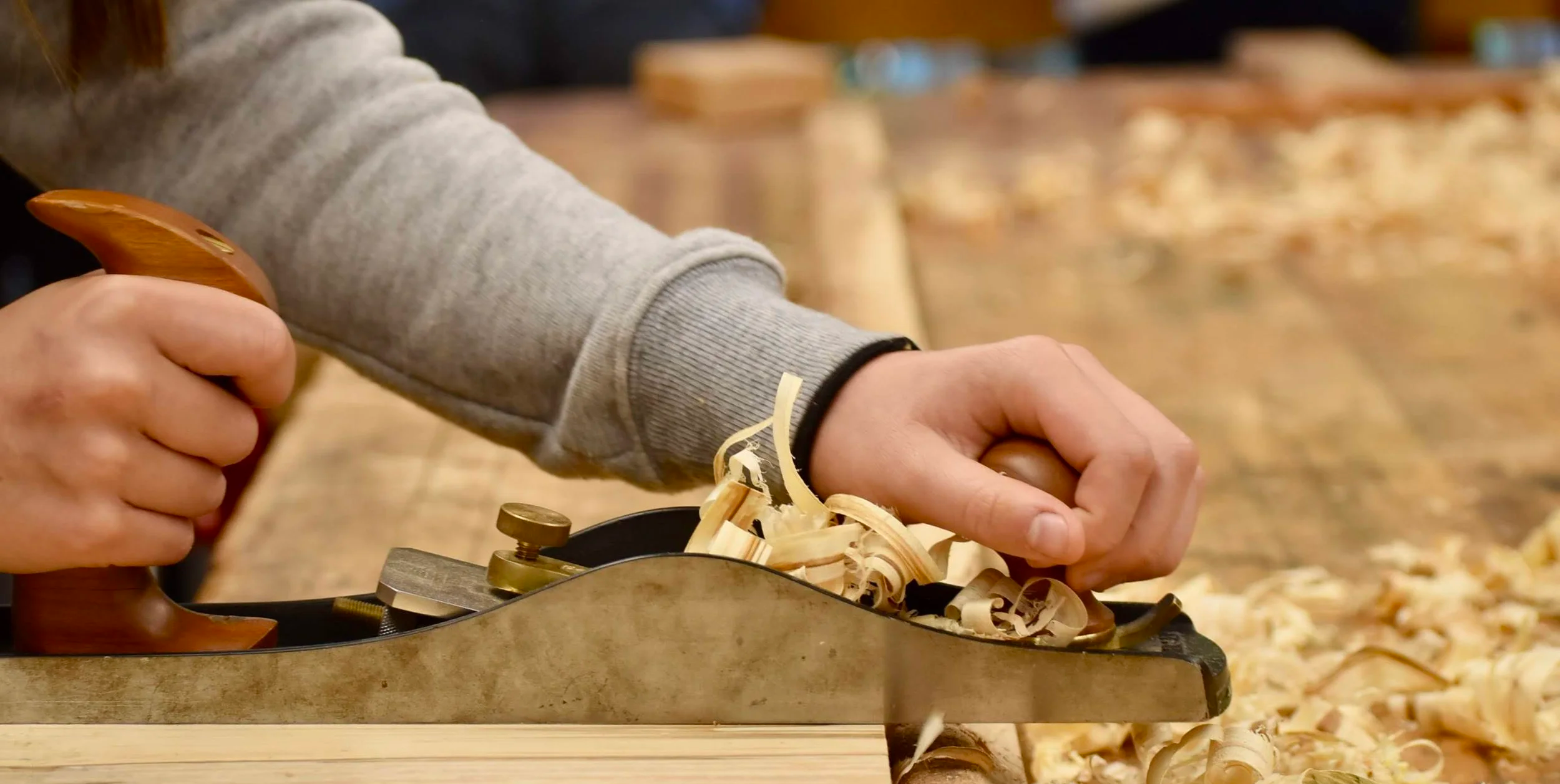
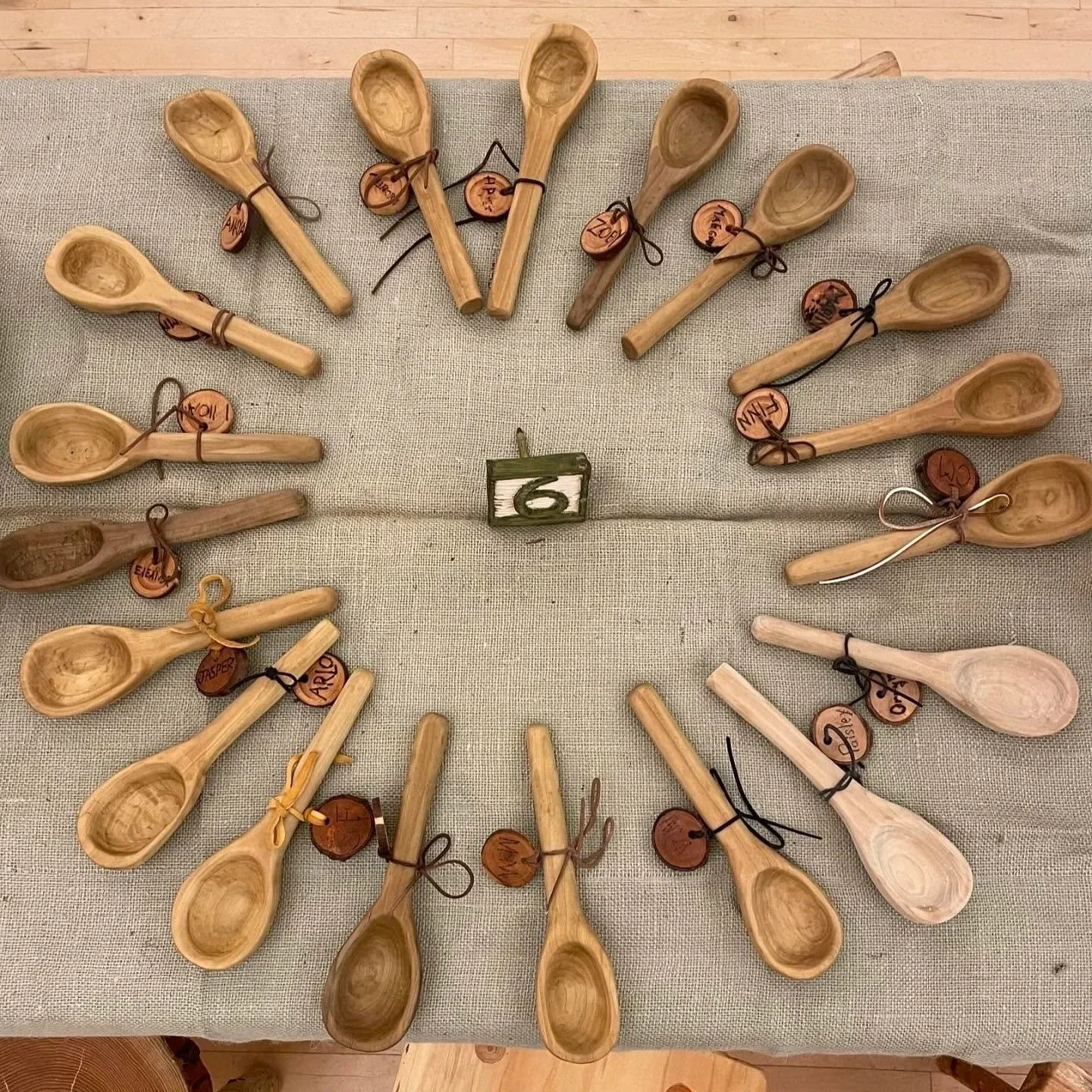
Beginning in Fourth Grade, students attend weekly classes in our woodshop, learning to transform raw material into useful, beautiful objects using fundamental tools like handsaws, chisels, gouges, rasps, and carving knives. Projects grow more complex with each grade, from broom handles and simple spoons to four-legged stools and functional automatons by eighth grade. Throughout, students develop patience, perseverance, and the pride and satisfaction of bringing an idea to life through their own skilled hands.
Gardening
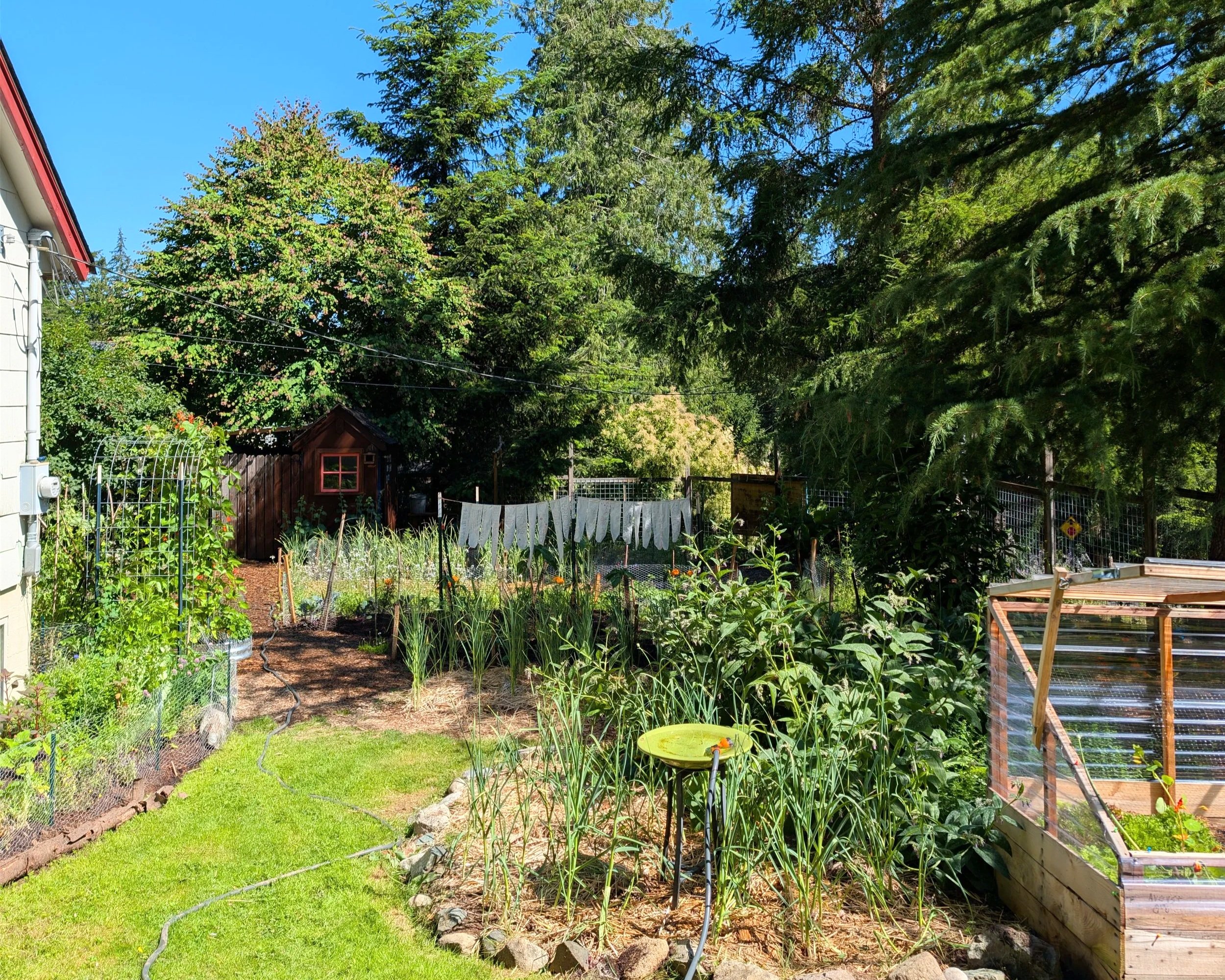
In our school garden, students plant, tend, and harvest throughout the seasons, experiencing the natural rhythms of growth firsthand. They grow crops such as potatoes, cabbage, lettuce, apples and kale; learn to clean and save seeds; and work in our outdoor classroom and kitchen to prepare and share what they’ve grown. Gardening also brings main lesson subjects such as botany, physics, ecology, soil science, and nutrition to life through hands-on discovery.
Eurythmy
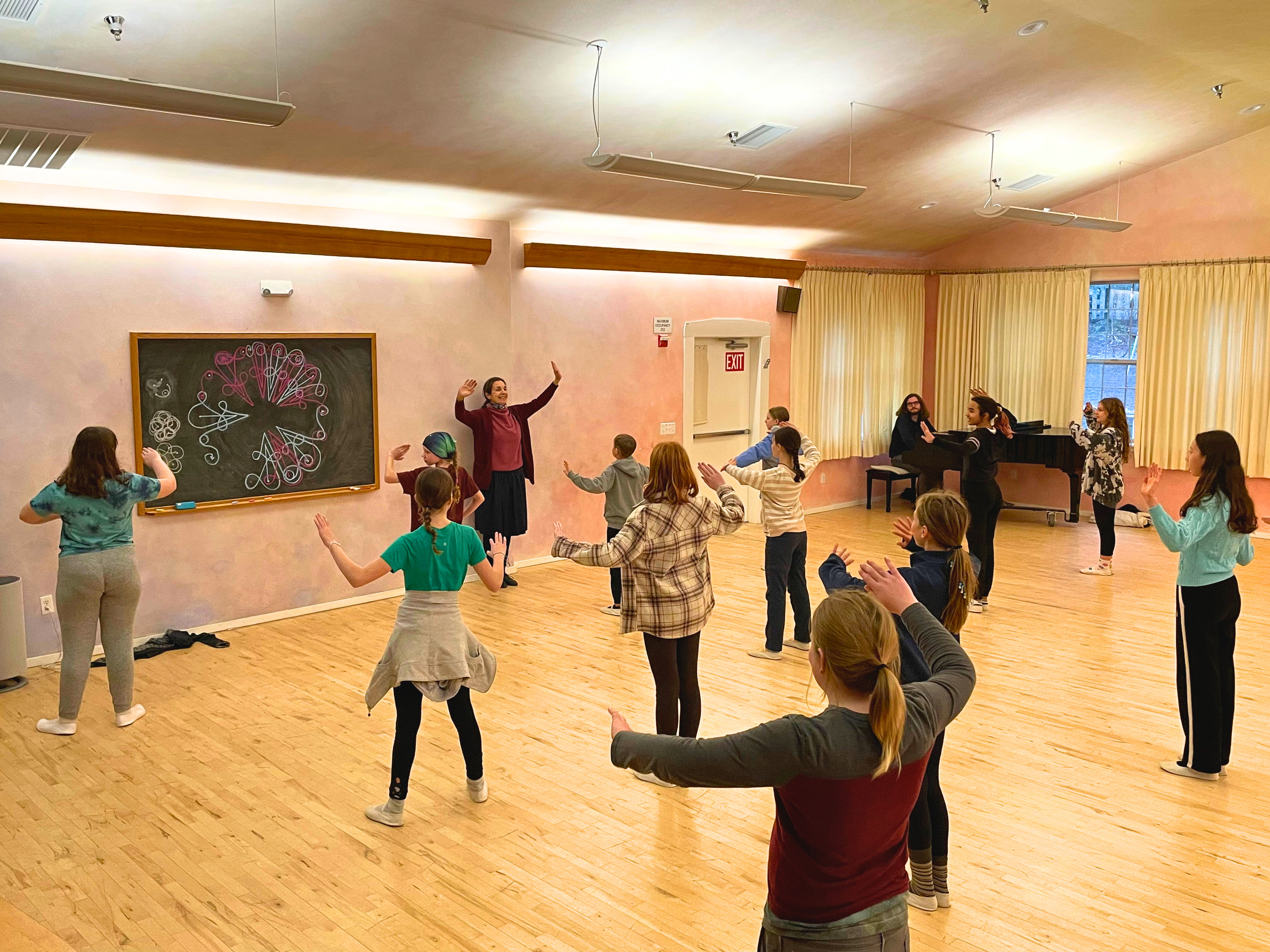
Eurythmy is a movement art unique to Waldorf schools. Students bring the life and color of music and poetry to vivid expression through movement of their bodies in space. Eurythmy helps students to develop concentration, self-discipline, and a sense of beauty, strengthening a healthy foundation for bodily movement, spatial relationships and social development. Eurythmy lessons follow the themes of the curriculum from Kindergarten through 8th grade, and explore rhyme, meter, story, geometric forms and musical elements, with live piano accompaniment.
Cyber Civics
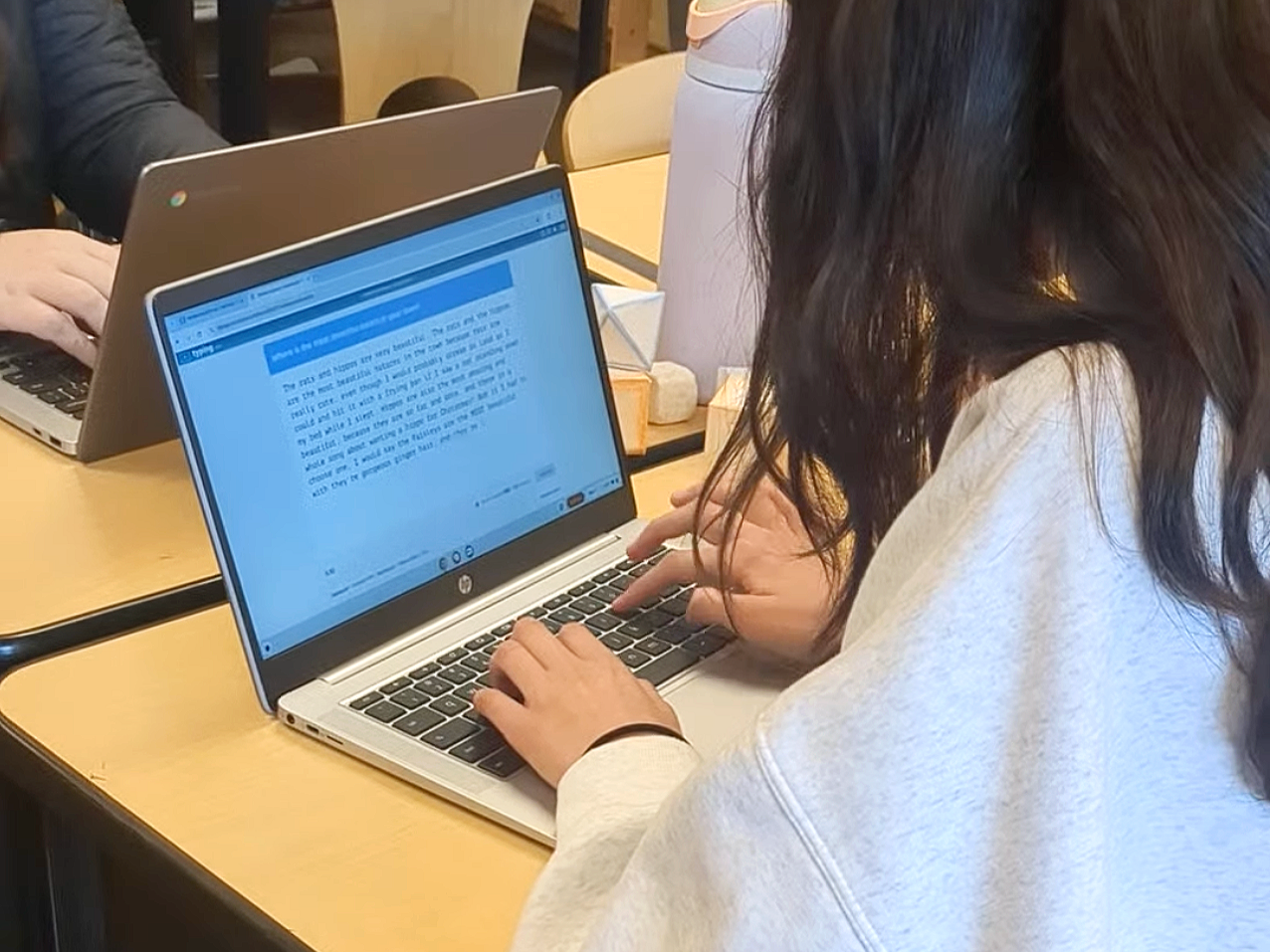
Starting in 6th Grade, Cyber Civics lessons build the digital literacy, ethical reasoning, and critical thinking students need to navigate and contribute to a complex digital world. Students explore artificial intelligence and its ethical implications, learn to find, evaluate, and use online information responsibly, and gain practical experience with the digital tools — including laptops and district-mandated learning platforms — they'll encounter in high school and beyond. By the time they graduate from 8th Grade, students have developed not just the practical skills to use technology effectively, but the discernment to use it responsibly.
Middle School Math
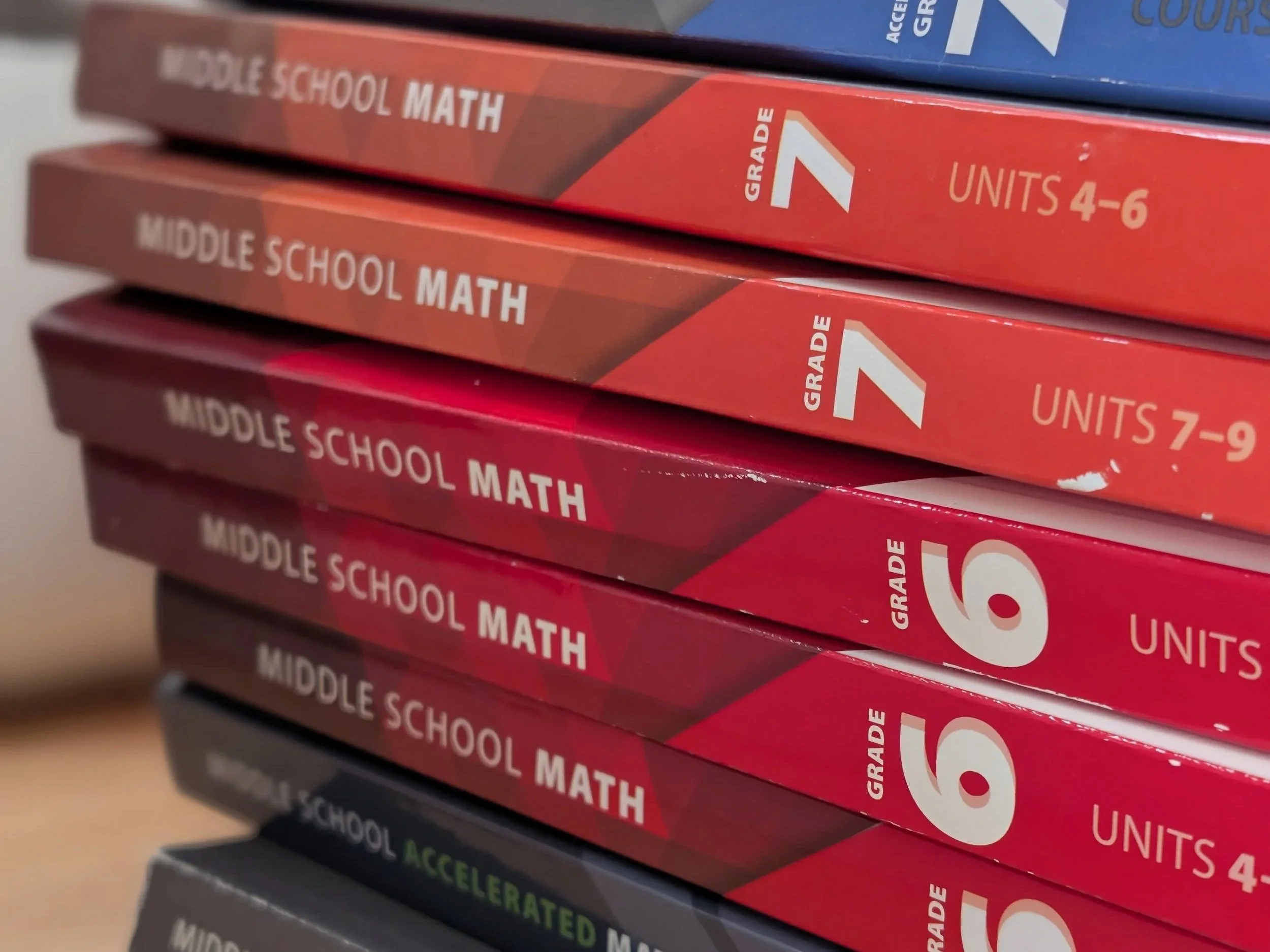
In addition to mathematics main lesson blocks throughout the year, 6th, 7th, and 8th graders participate in three weekly math track classes taught by a dedicated math specialist. This approach strengthens foundational skills, mathematical thinking, and problem-solving while providing the appropriate level of challenge for each student. More than half of our students complete Algebra I by the end of 8th grade, entering high school a year ahead of their peers in math.
Applied Civics
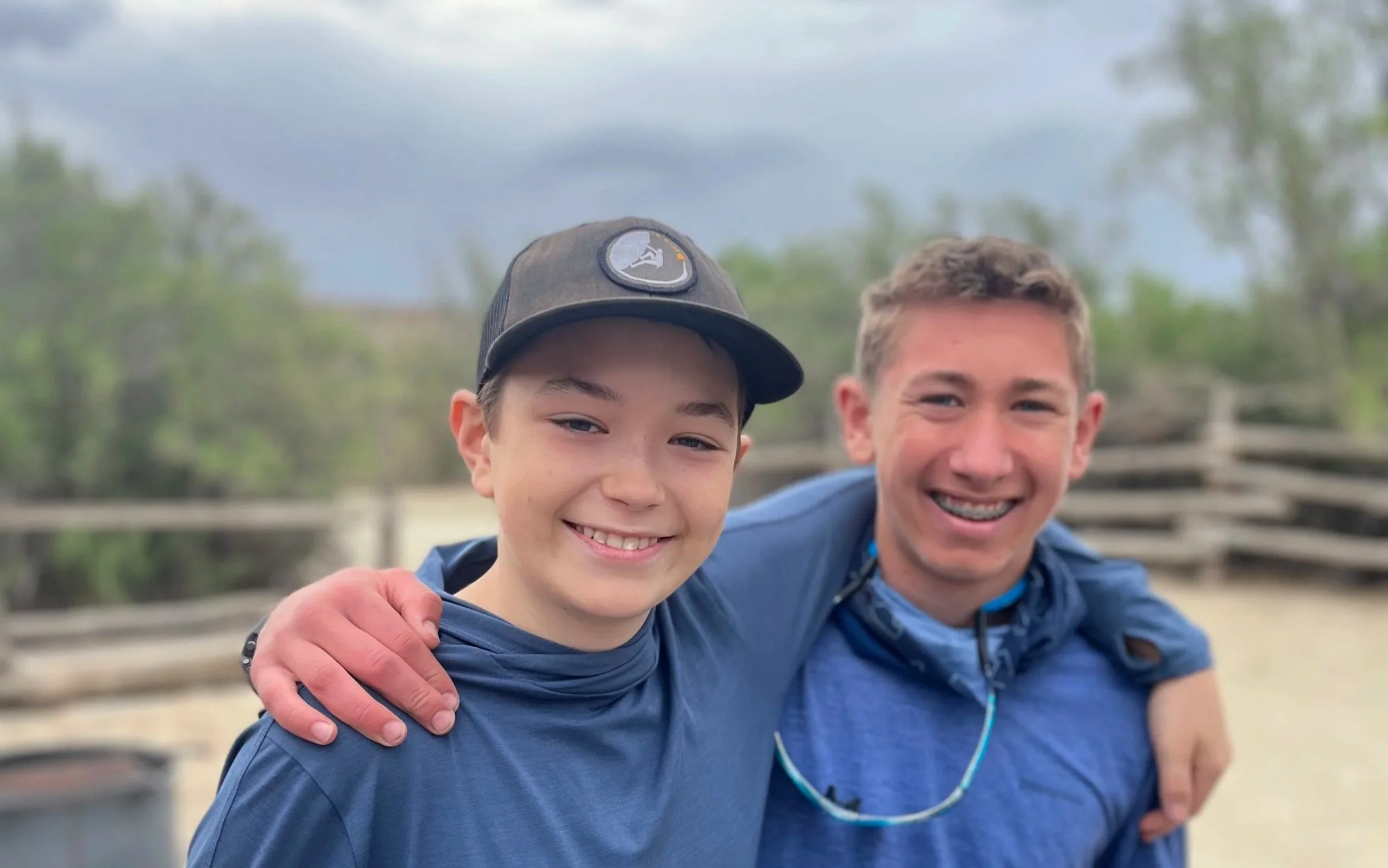
As a component of our school’s student support system, eighth graders study social dynamics and are trained as our Student Social Action Committee. As they gain skills in social inclusion and learn how to support, they engage in playground and hallway supervision, and help younger students with behavior needs, circles of friendship and no blame problem solving process meetings.