Moving Into the World
Sixth grade is a year of transition. Students step more fully into the wider world, bringing new independence, self-awareness, and a sharpening analytical mind. They're hungry to understand how things work — structure, order, cause and effect — and the curriculum meets that hunger head-on.
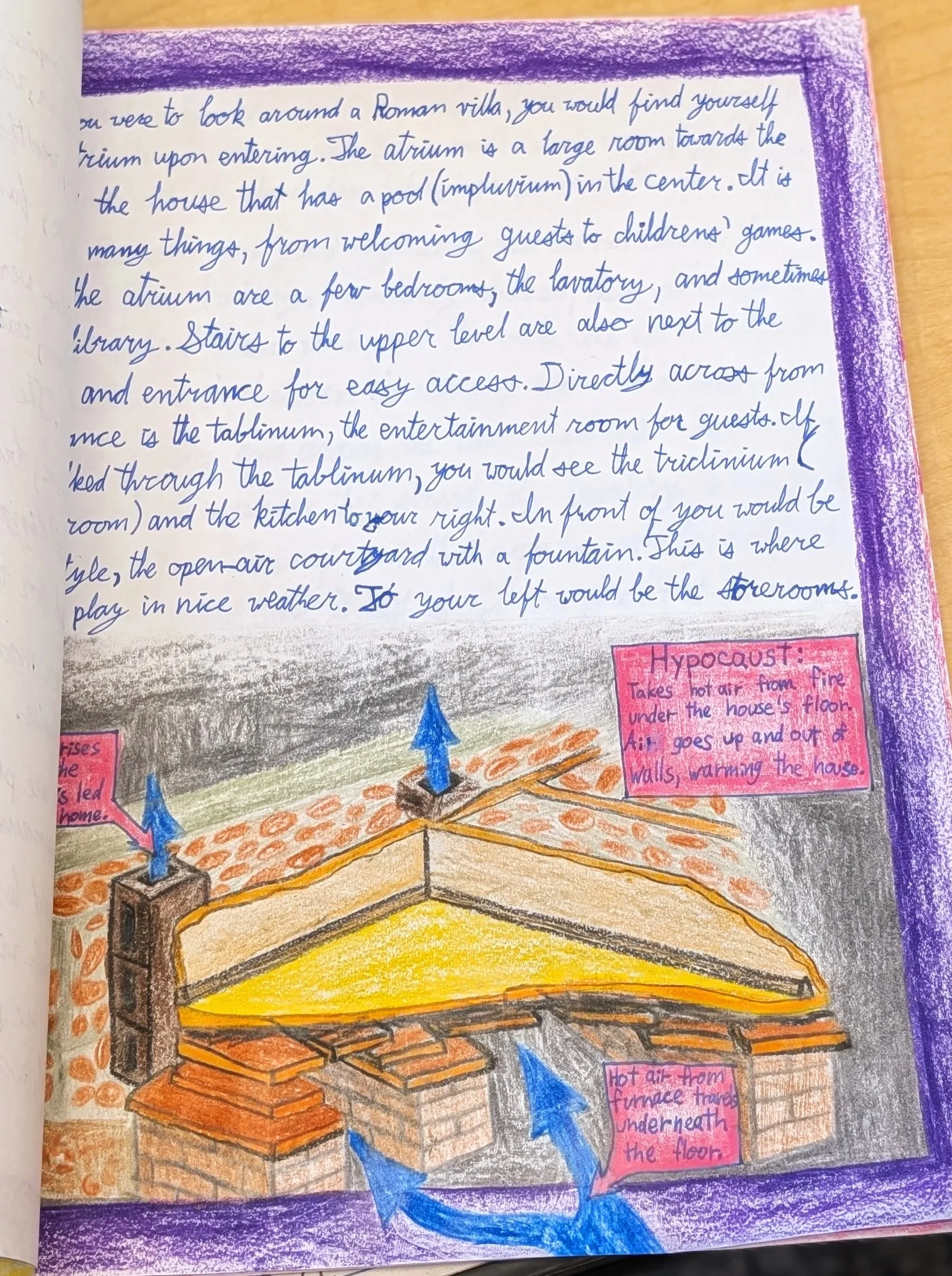
The class will journey through Ancient Rome and the Medieval period, then turn to world geography, exploring how societies, cultures, and landscapes take shape over time.
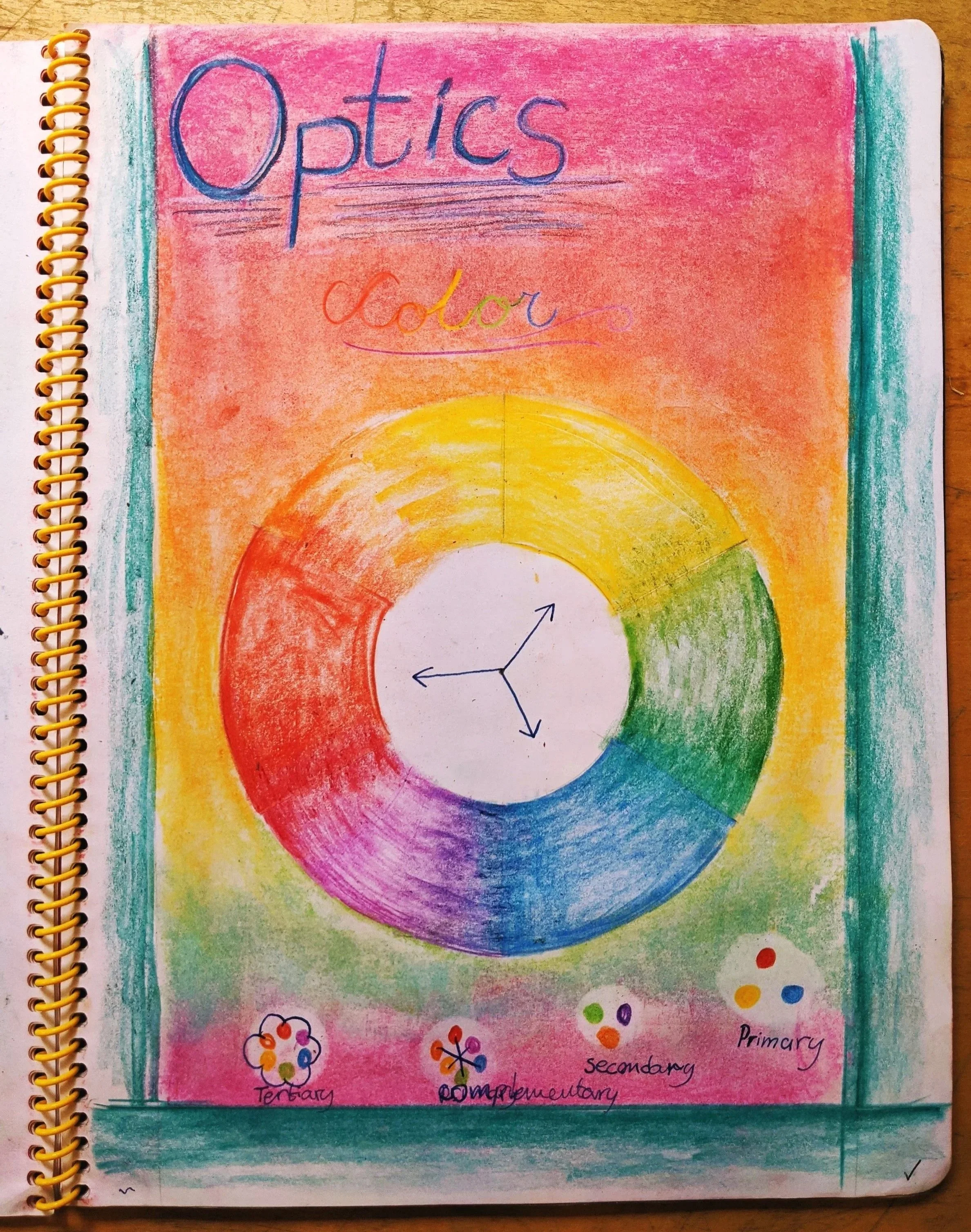
The sciences take center stage this year, as students investigate the movement of the heavens, the composition of the earth, and the phenomena of heat, light, sound, and color — all through direct observation and hands-on experimentation.
Language arts turns its focus to the structure and laws of grammar, while mathematics moves into practical, real-world applications like business math and percentages.
Together, these studies speak directly to the sixth grader's growing curiosity about how the world works, laying the groundwork for the more rigorous academic inquiry ahead.
Sixth Grade Curriculum
-
Language arts: Note taking, composition, essay writing, individual research reports, presentations, and class play
ADD LITERATURE
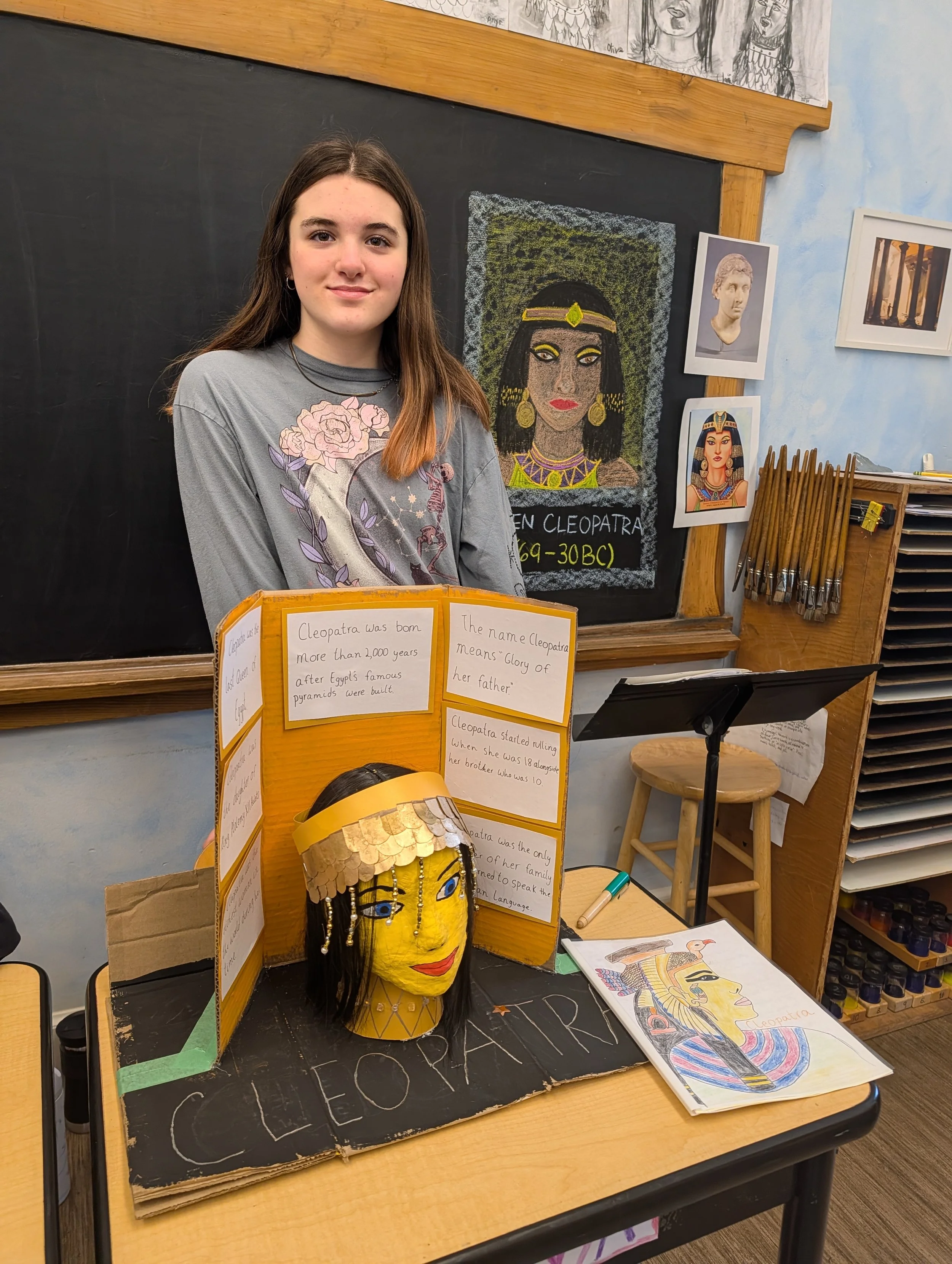
History & Geography: Ancient Rome, the birth of Islam and Christianity, Medieval Europe, World Geography, a focus on biomes of the world and the continent of Africa
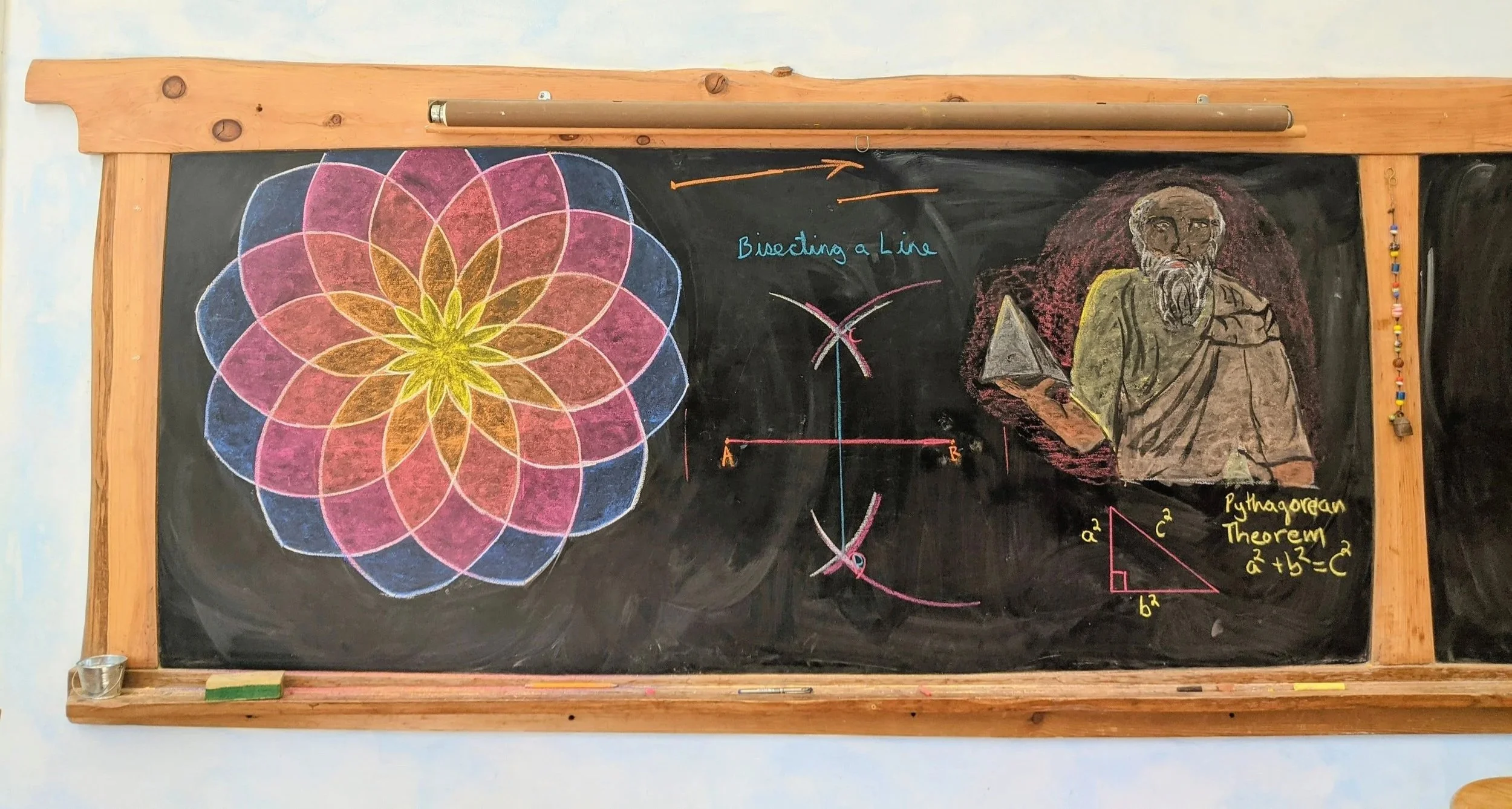
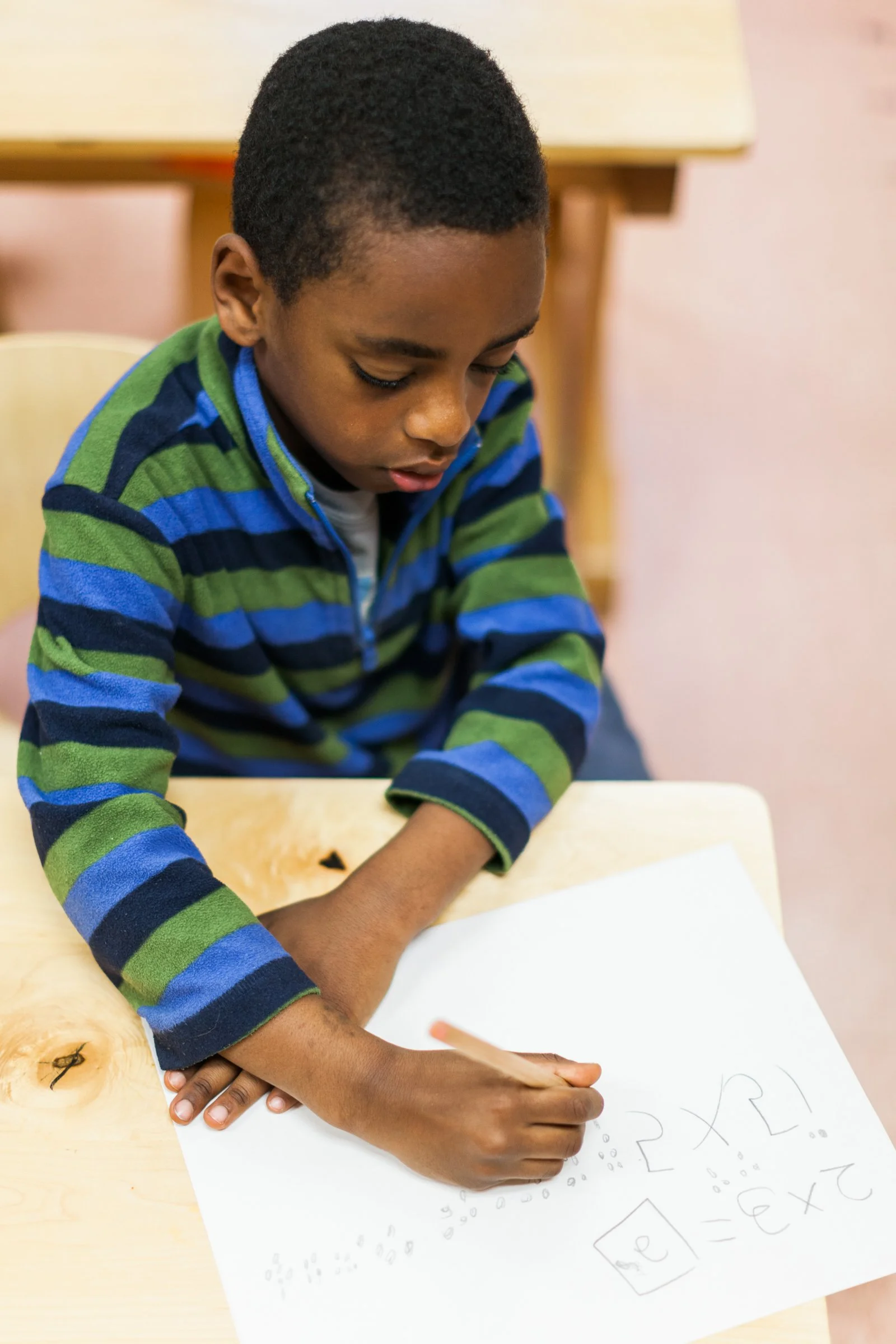
Mathematics: Mental math, economics, introduction to percentages, use of geometric tools, and exploration of geometric constructions
Science: Geology and Mineralogy, Physics (acoustics, optics, thermodynamics, and magnetism), Geocentric Astronomy
-
World Languages: Spanish and American Sign Language
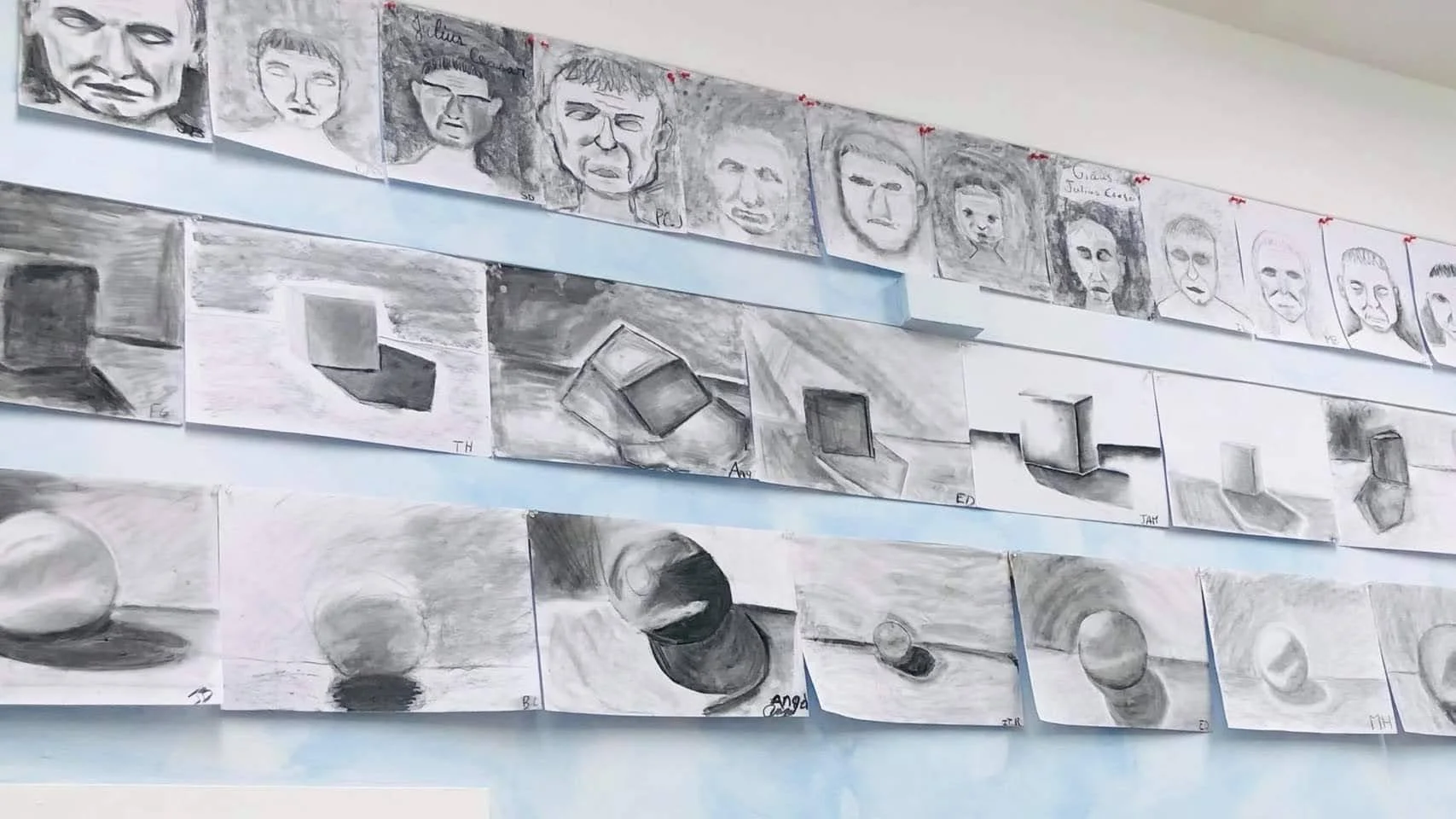
Artistic Work: Painting, drawing, charcoal drawing, clay modeling
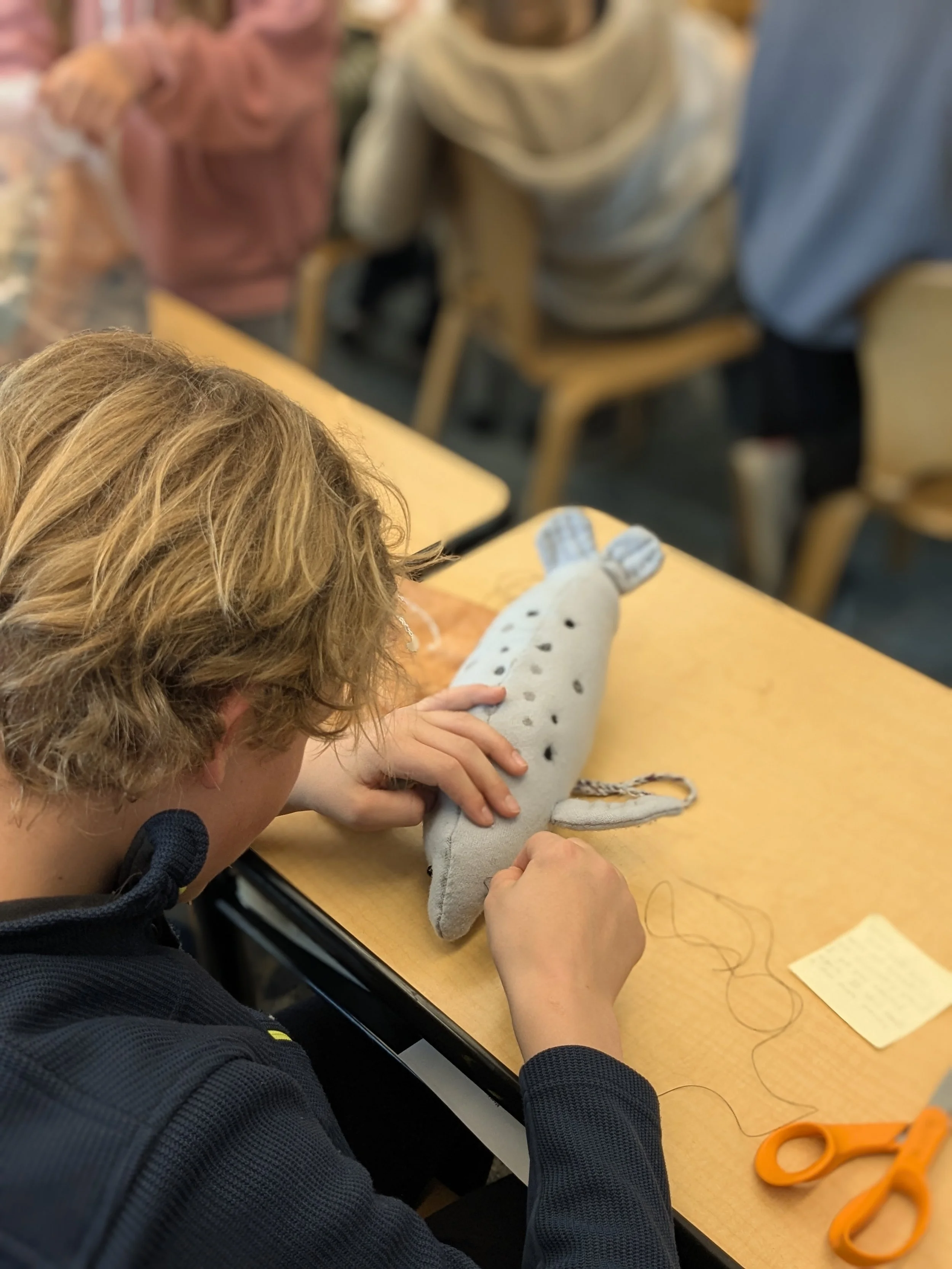
Fiber & Practical Arts: Self-designed, hand-sewn stuffed animals; woodworking (hand-carved cups); gardening
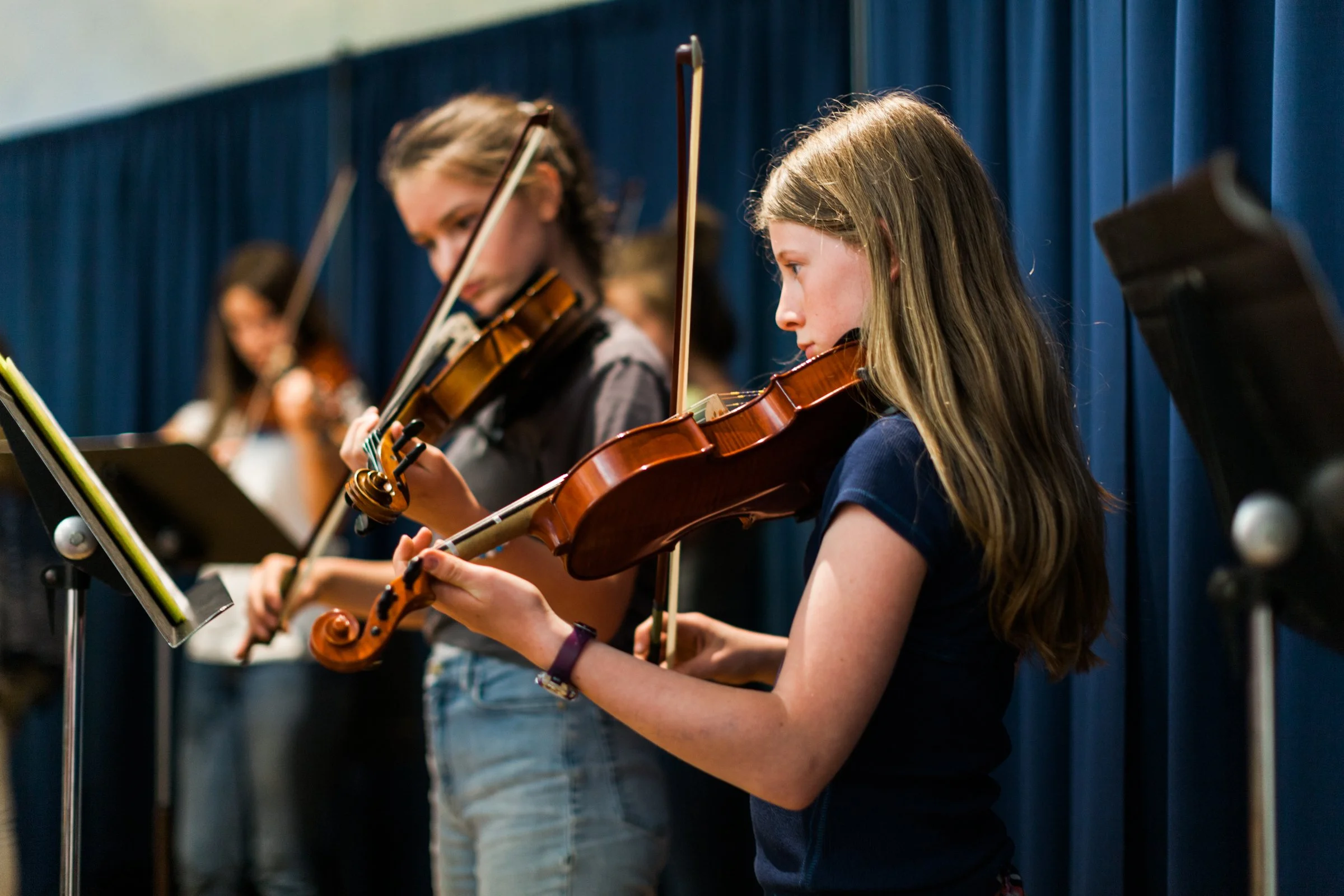
Music: Singing, recorder playing, and orchestral strings
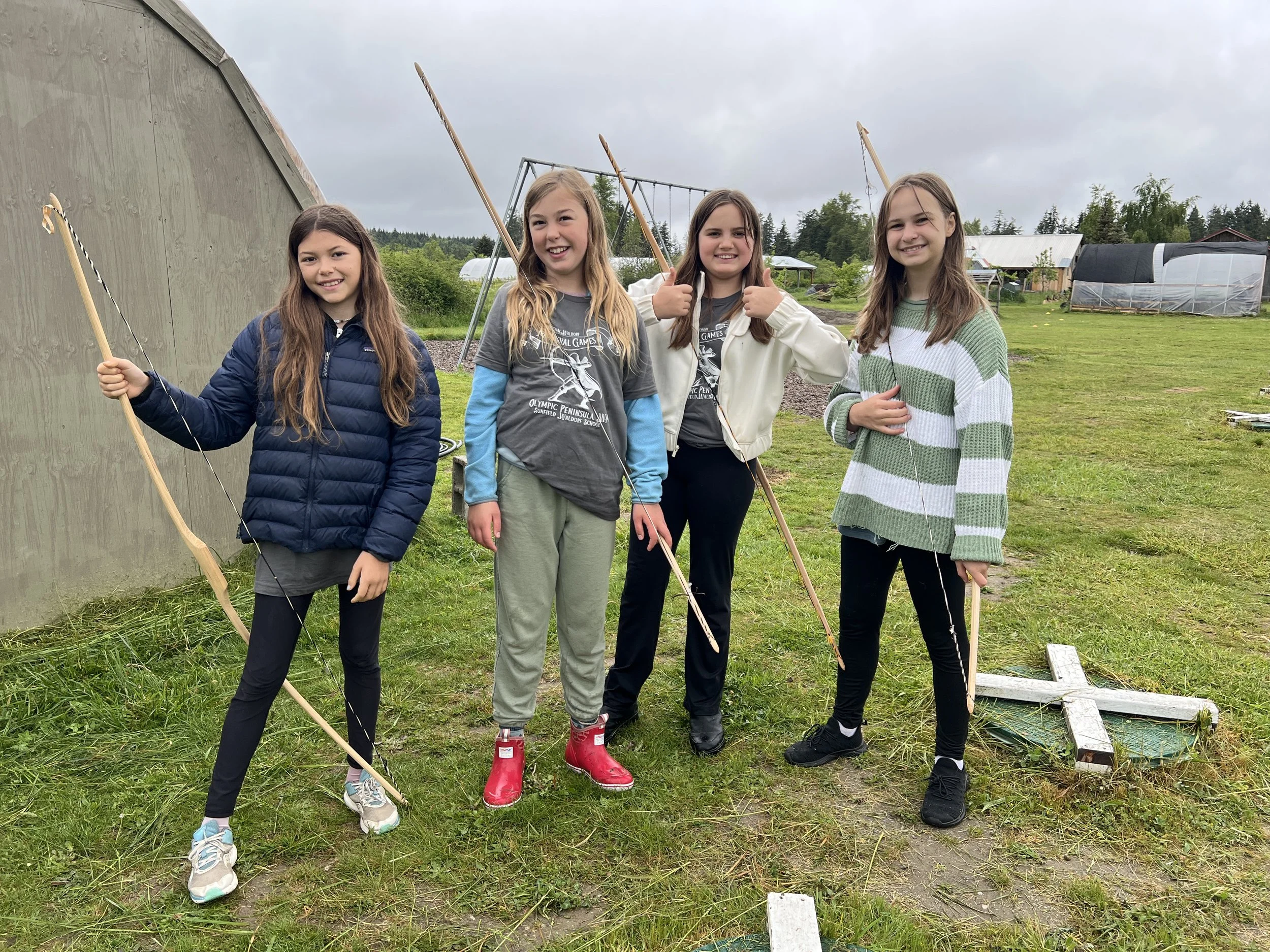
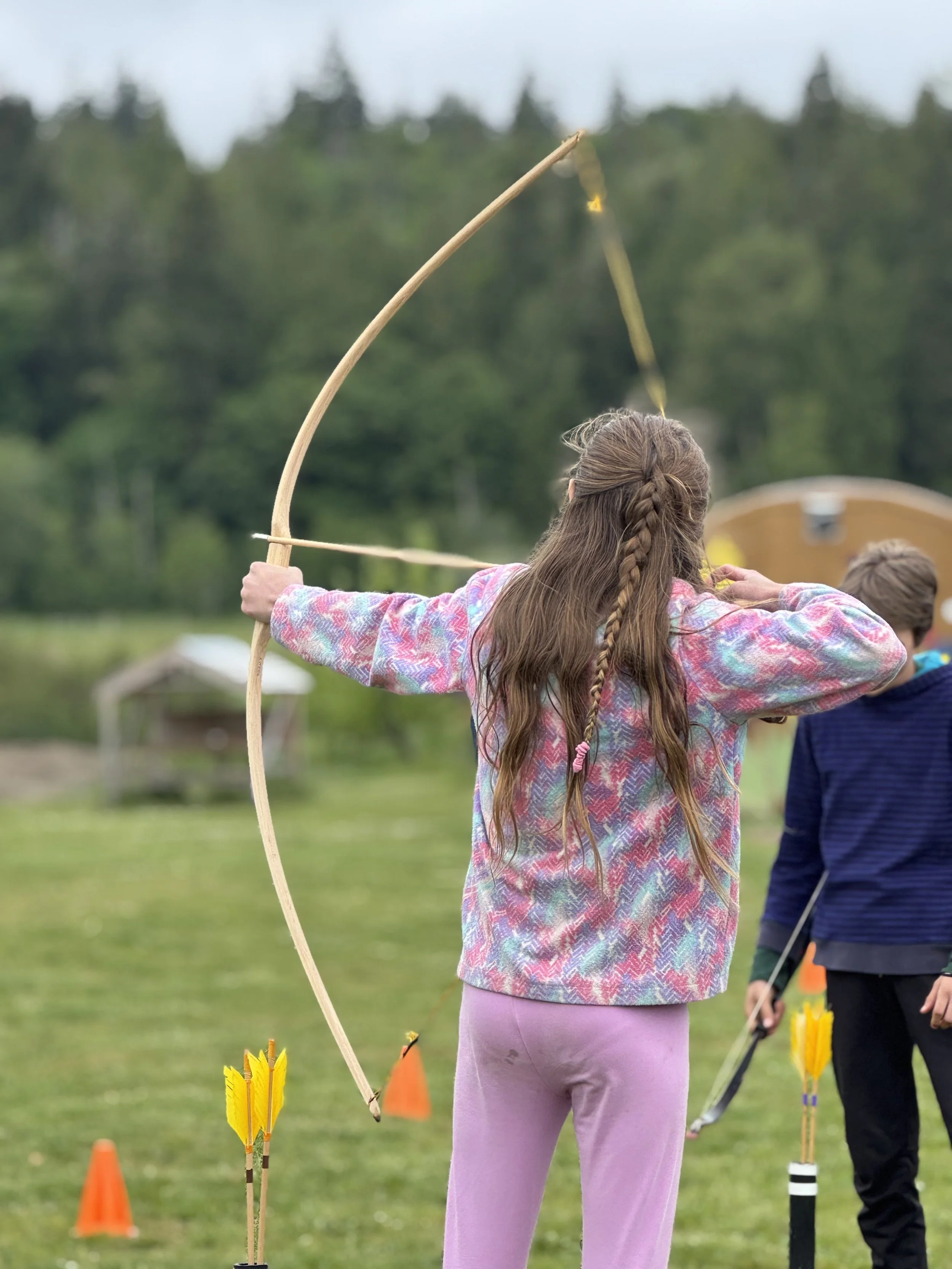
Movement: Medieval games preparation (i.e. archery, javelin, stilt walking, running), field games, ball sports, frisbee, and team-building activities
Cyber Civics: The safe and responsible use of digital tools: digital citizenship, respectful online communication, ethical decision-making, digital reputation, cyberbullying prevention, and online identity and privacy
Eurythmy
-
Field Trips: Geology hikes and walks (such as Rock Trail, Racehorse Falls, Mount Baker), Spark Museum, Public High School Plays and Musicals, Mount Baker Theater
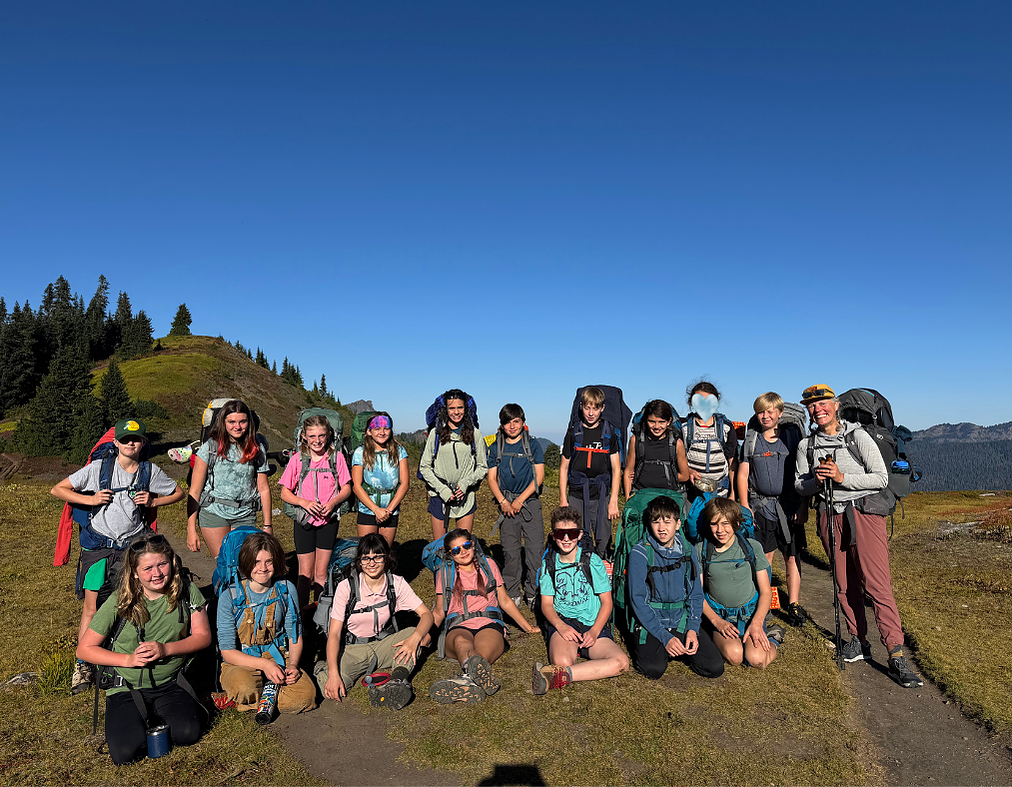
Adventures: Overnight backpacking trip in the North Cascades wilderness; Geology Overnight to Mount Saint Helens
Archery Range & Bow Making
Medieval Games: See Highlights below
Sample Daily Schedule
8:30am - Main Lesson
10:30am - Snack & Recess
11:00am - Math Track
11:45am - Spanish
12:30pm - Lunch & Recess
1:15pm - Woodworking
2:00pm - Cyber Civics
3:00pm - Close
Early release Fridays at 1:15pm
Sixth Grade Highlights
Cyber Civics
Backpacking
Medieval Games
Cyber Civics
Cyber Civics
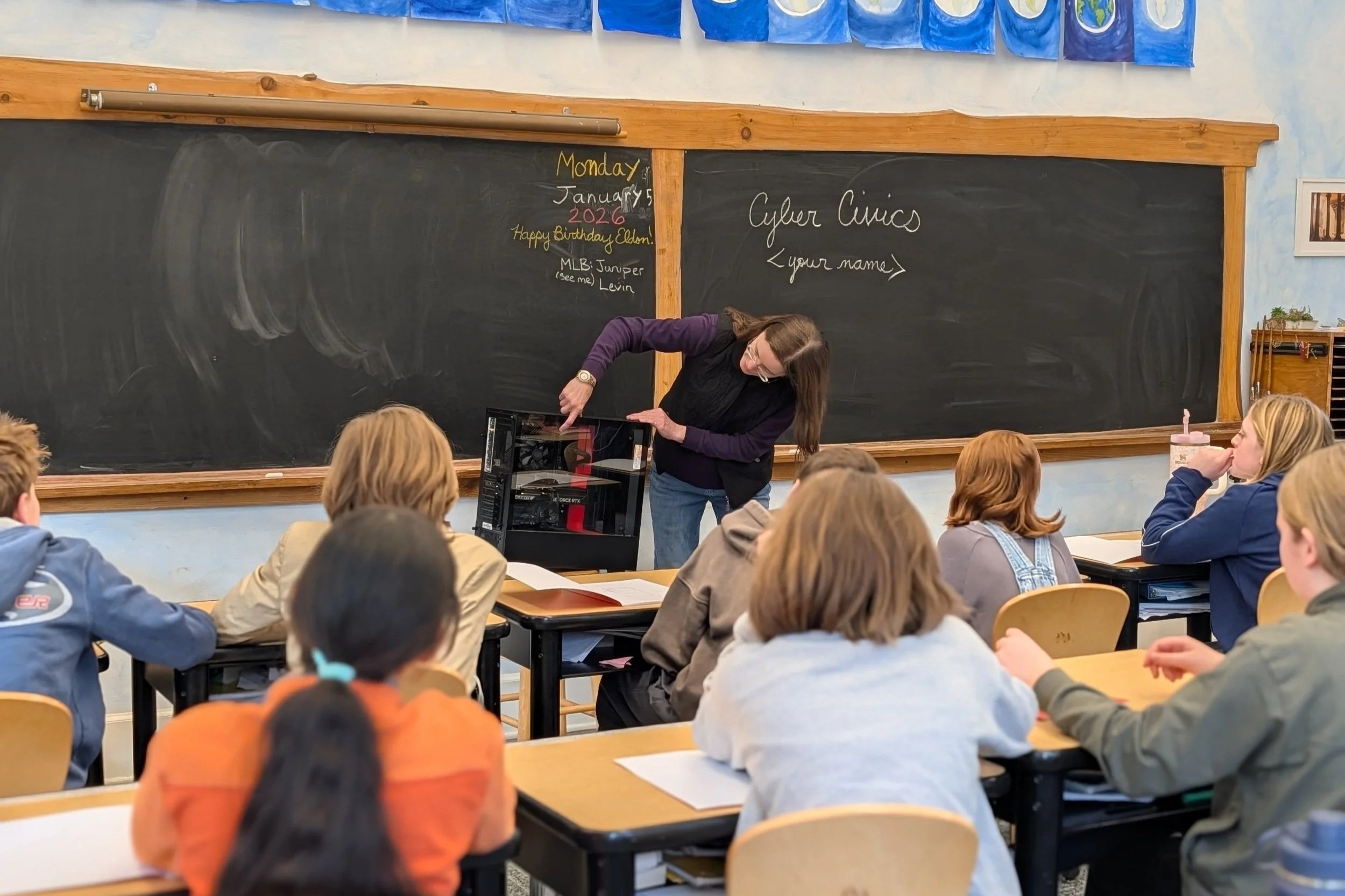
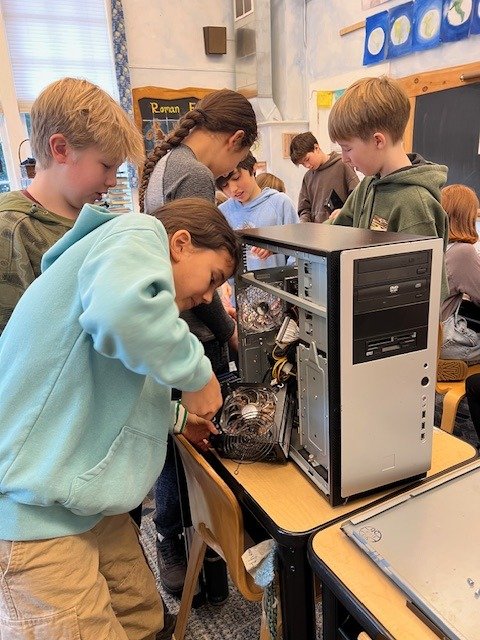
In 6th grade, our digital-literacy curriculum begins with Cyber Civics, building the skills to become responsible, ethical digital citizens. Students practice critical thinking and ethical decision-making as they explore digital citizenship, online communication, and digital reputation, along with cyberbullying prevention and online privacy. Alongside this, students also study physical computers and their working parts, building hands-on understanding of the hardware behind the technology they use. The goal is to help students develop the digital literacy and judgment needed to navigate and thrive in an online world.
Backpacking
Into the Wilderness
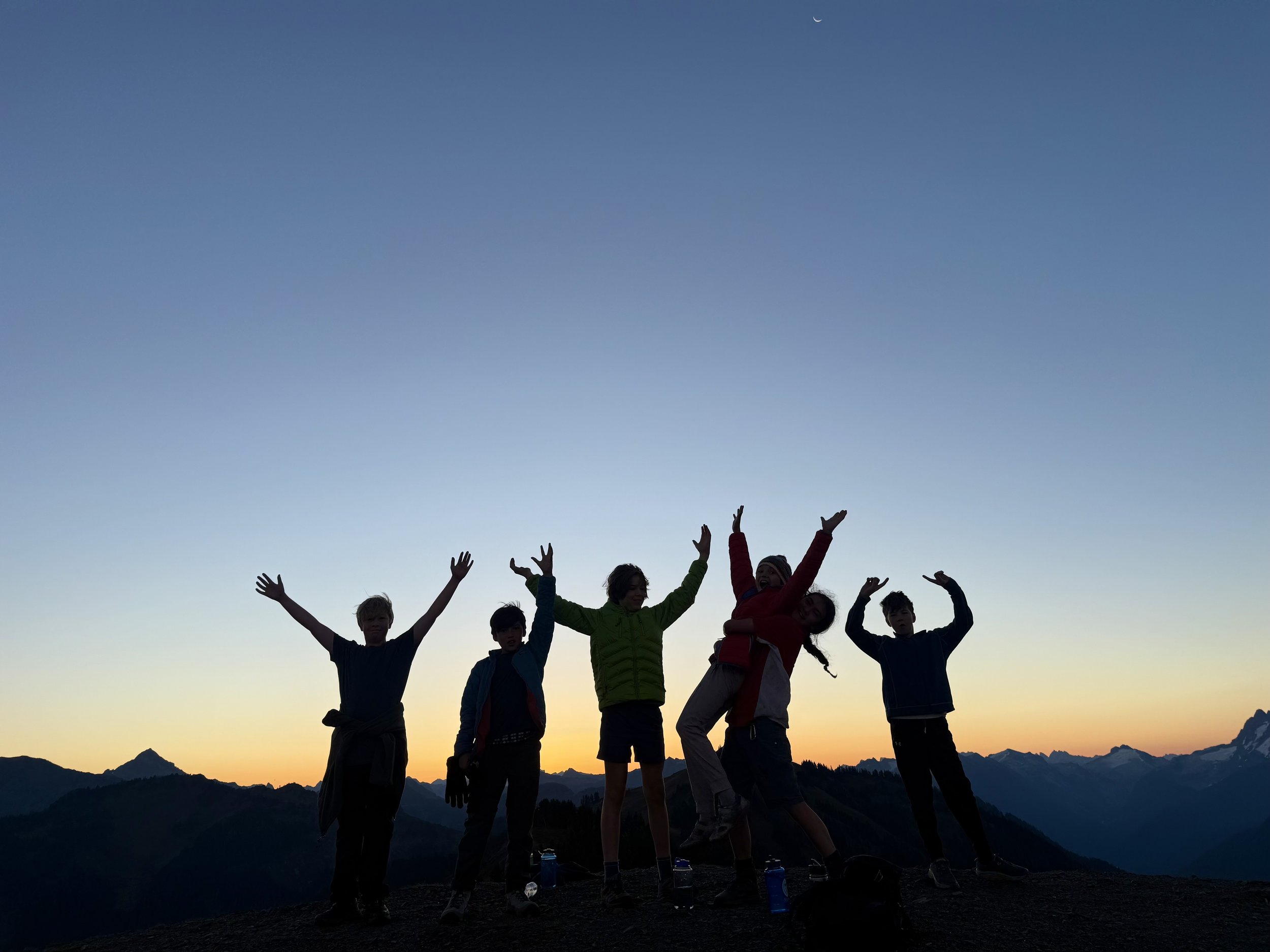
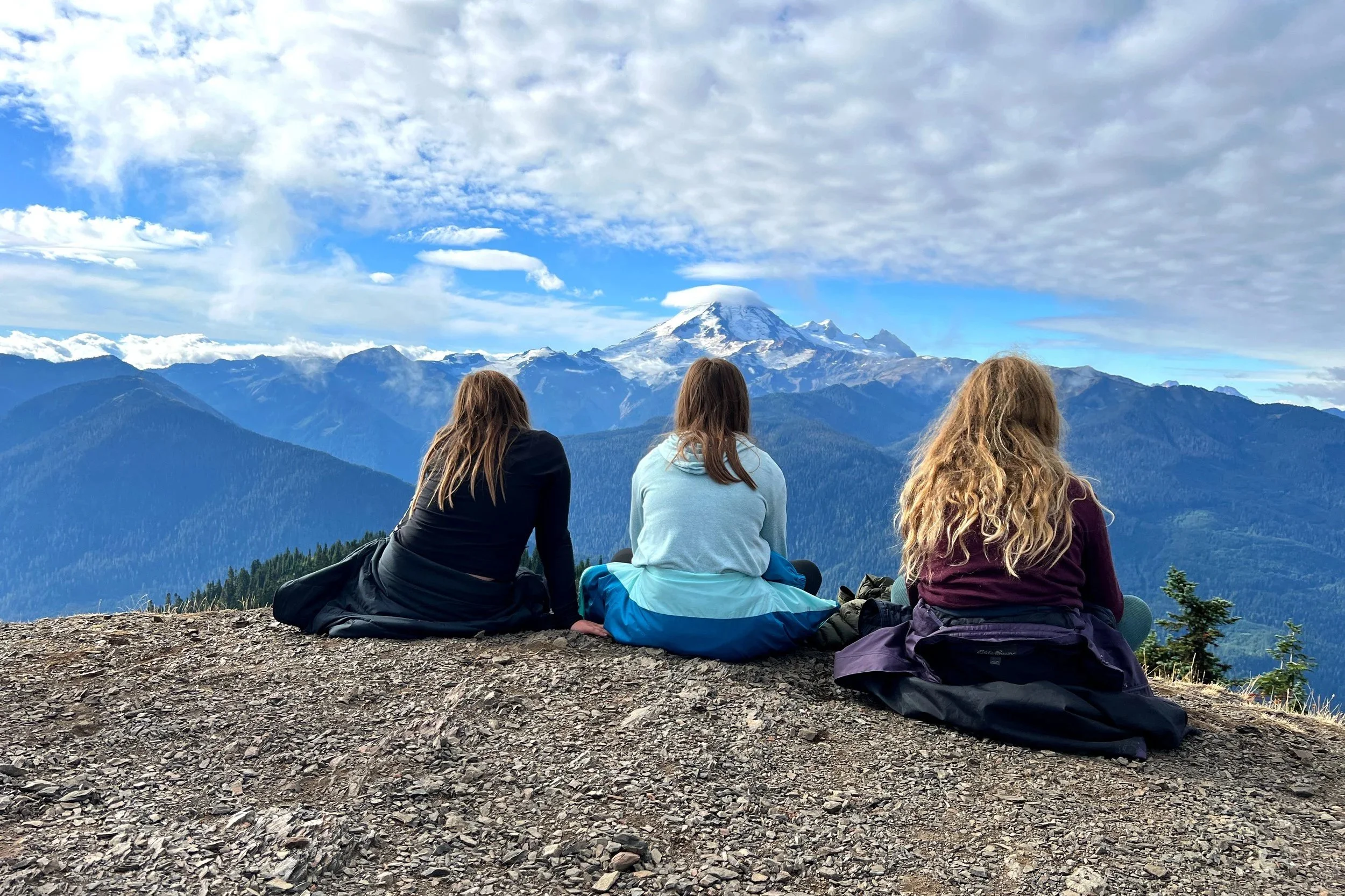
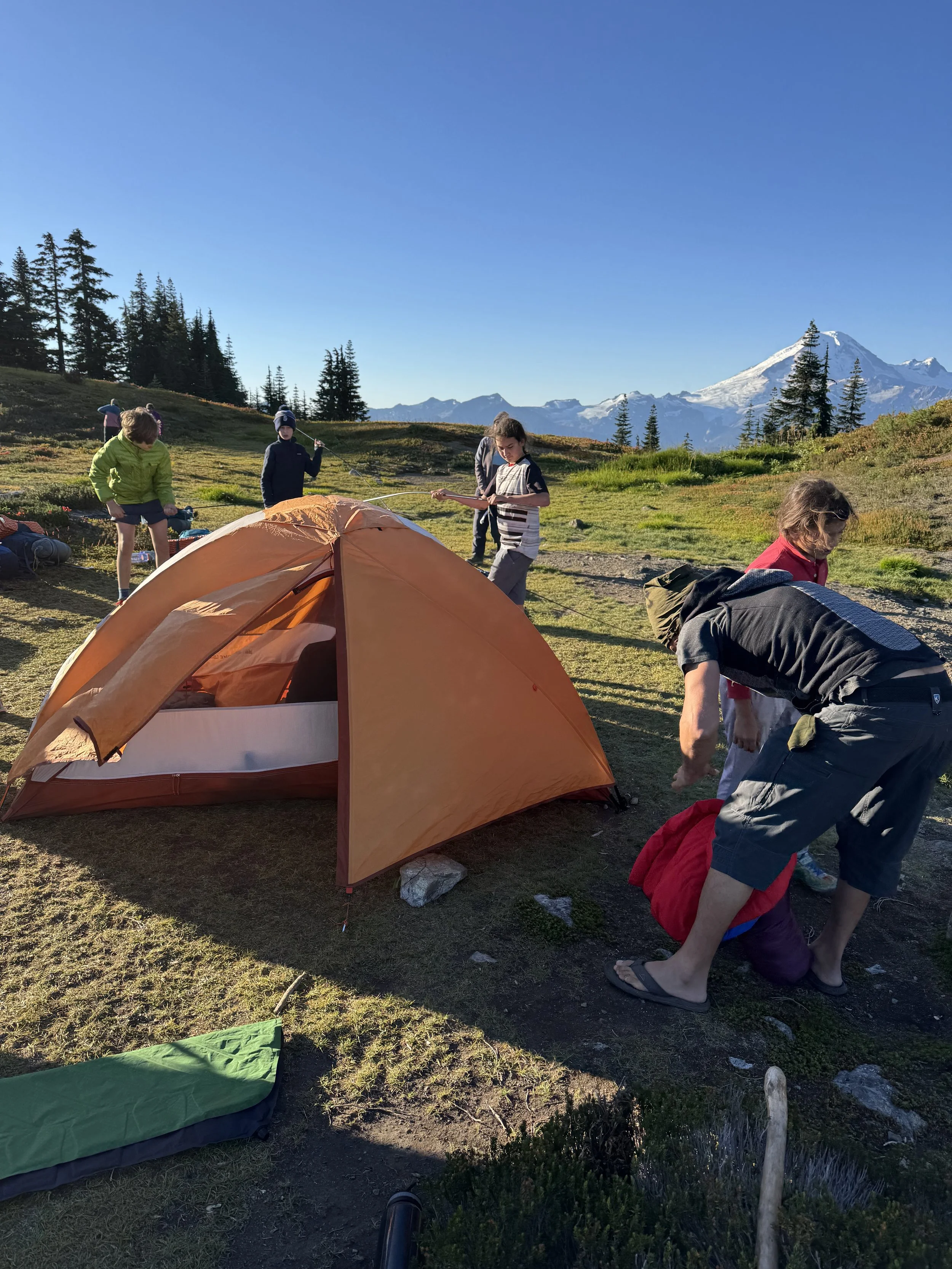
Our sixth grade classes take a fall backpacking trip into the North Cascades to deepen their connection with nature, develop leadership skills, and build self awareness. Students learn to use essential outdoor equipment, from packing a proper backpack to setting up camp, and build practical wilderness skills, like purifying water, cooking over a camp stove, and understanding basic survival principles. These experiences develop resilience, confidence, and a lasting respect for the natural world.
Medieval Games
Medieval Games
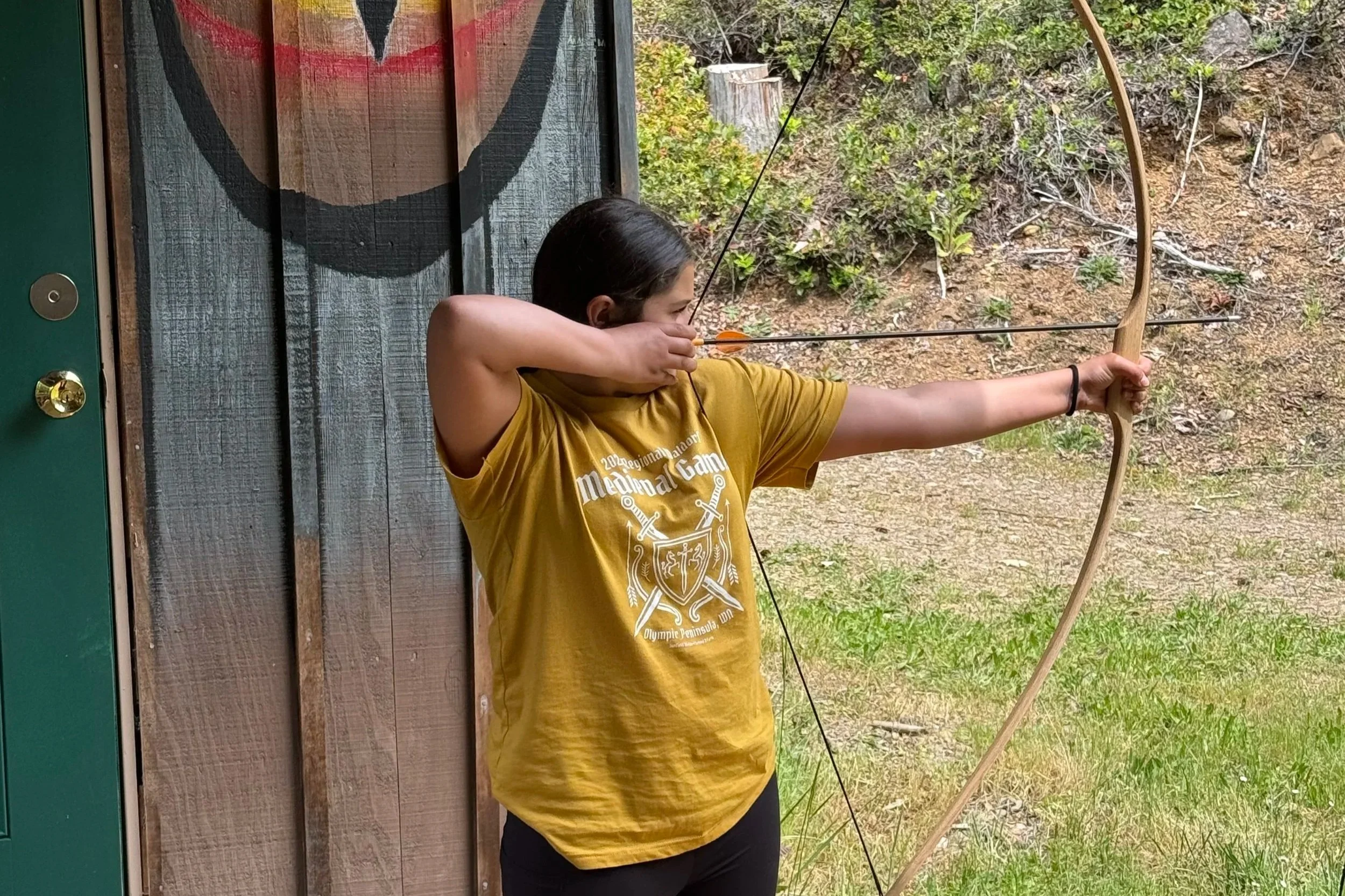
One of the most celebrated regional Waldorf traditions, and the capstone to a multidisciplinary study of the medieval period. Waldorf schools from across Cascadia convene for a multi-day festival and athletic tournament featuring archery, javelin, puzzle-solving, and collaborative games.
In keeping with the Waldorf approach of learning by doing, the Medieval Games are the culmination of the students’ social, scientific, and literary investigations of the Medieval period.
Read More
Sixth Grade in Photos
Meet the Teaching Team
Classroom Teachers
Staff Photos

Specialty Teachers
Staff Photos