The Age of Exploration
As students enter Seventh Grade, their inner lives grow more vibrant, complex, and questioning. Increasingly aware of themselves and the wider world, they begin to test boundaries, form their own opinions, and seek out what's real.
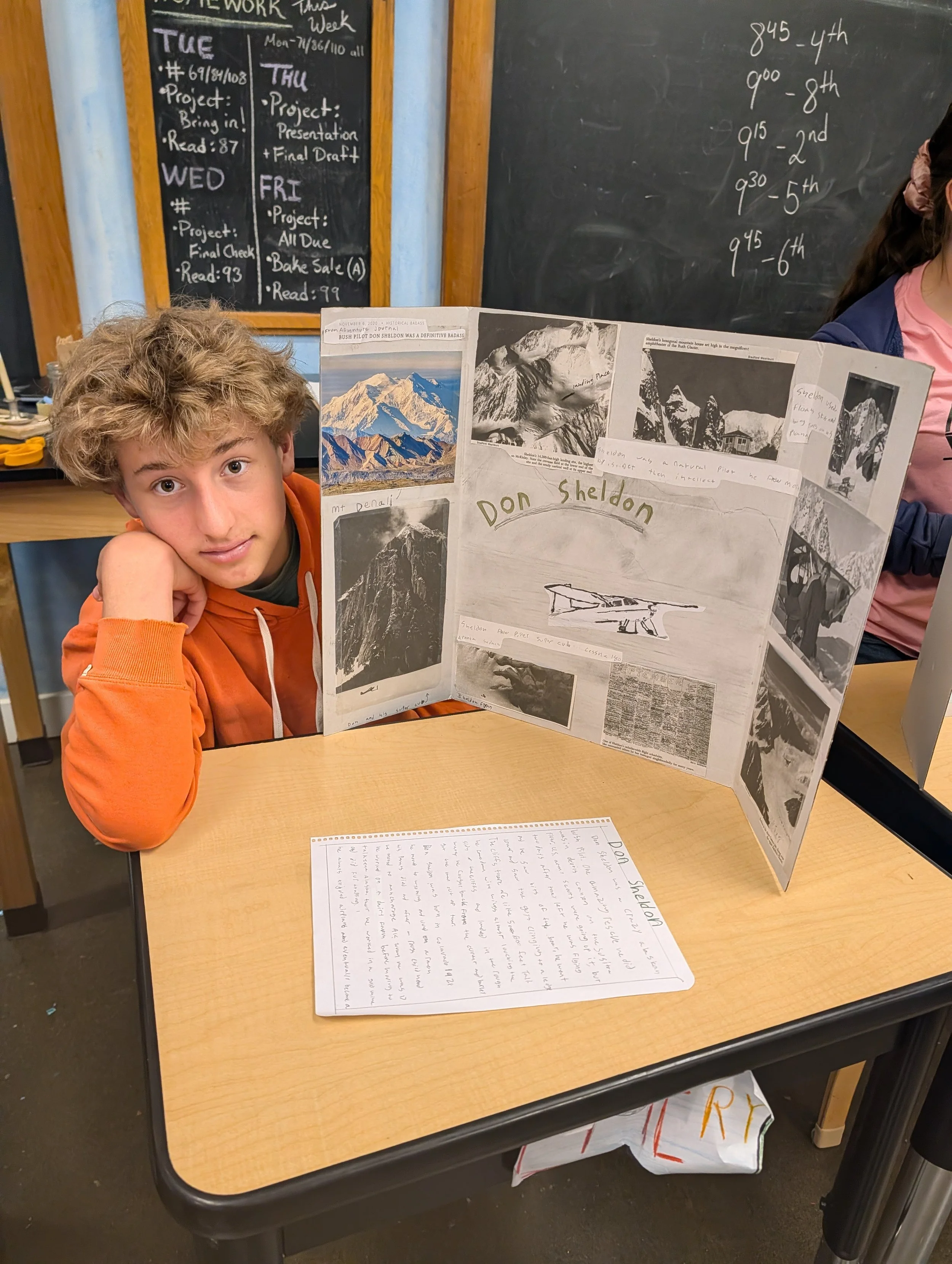
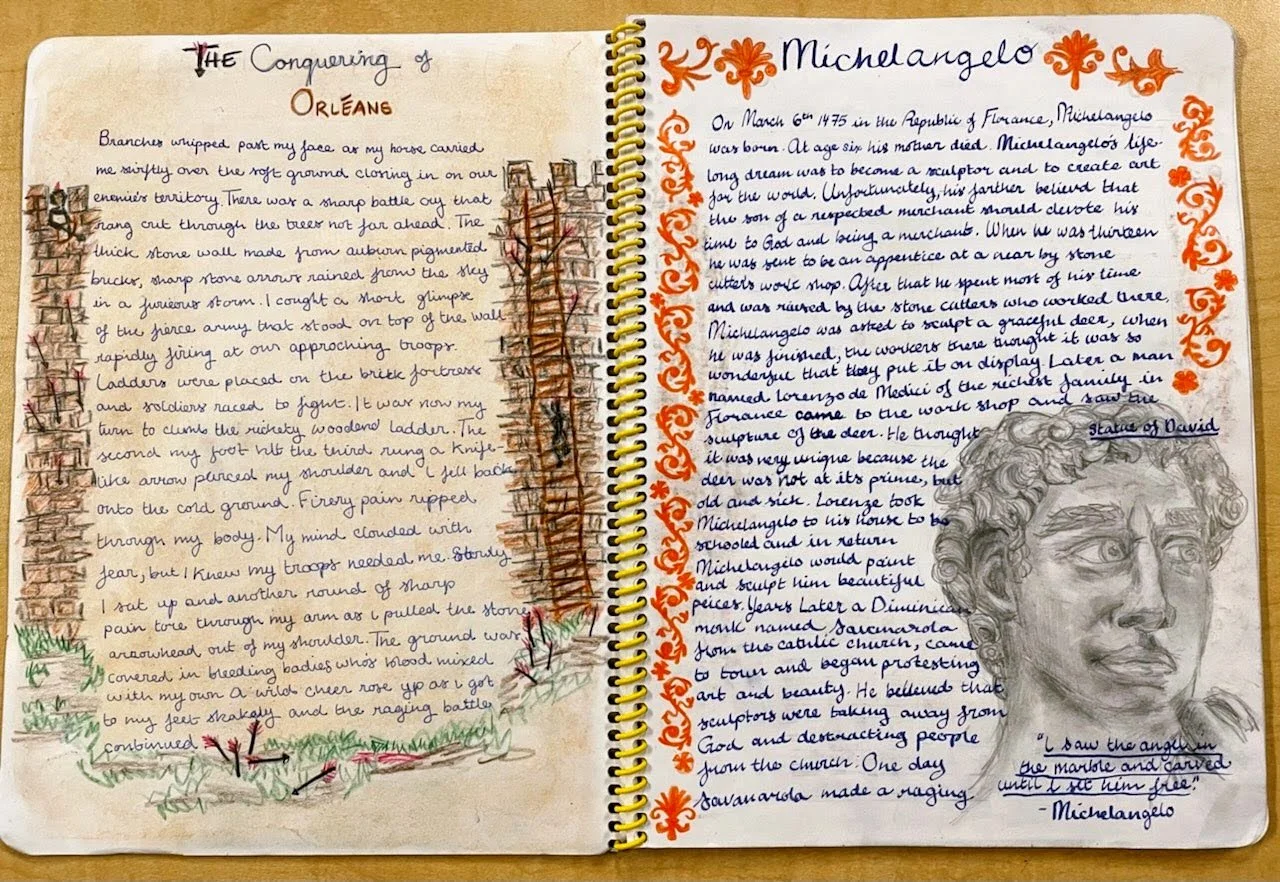
The curriculum meets this stage of development through studies of the Renaissance, Reformation, and Age of Exploration — eras defined by individuals and cultures who challenged accepted boundaries, ventured into the unknown, and changed the course of history. Biographies of explorers, artists, inventors, and scientists invite students to grapple with courage, innovation, and the complexities of human achievement.
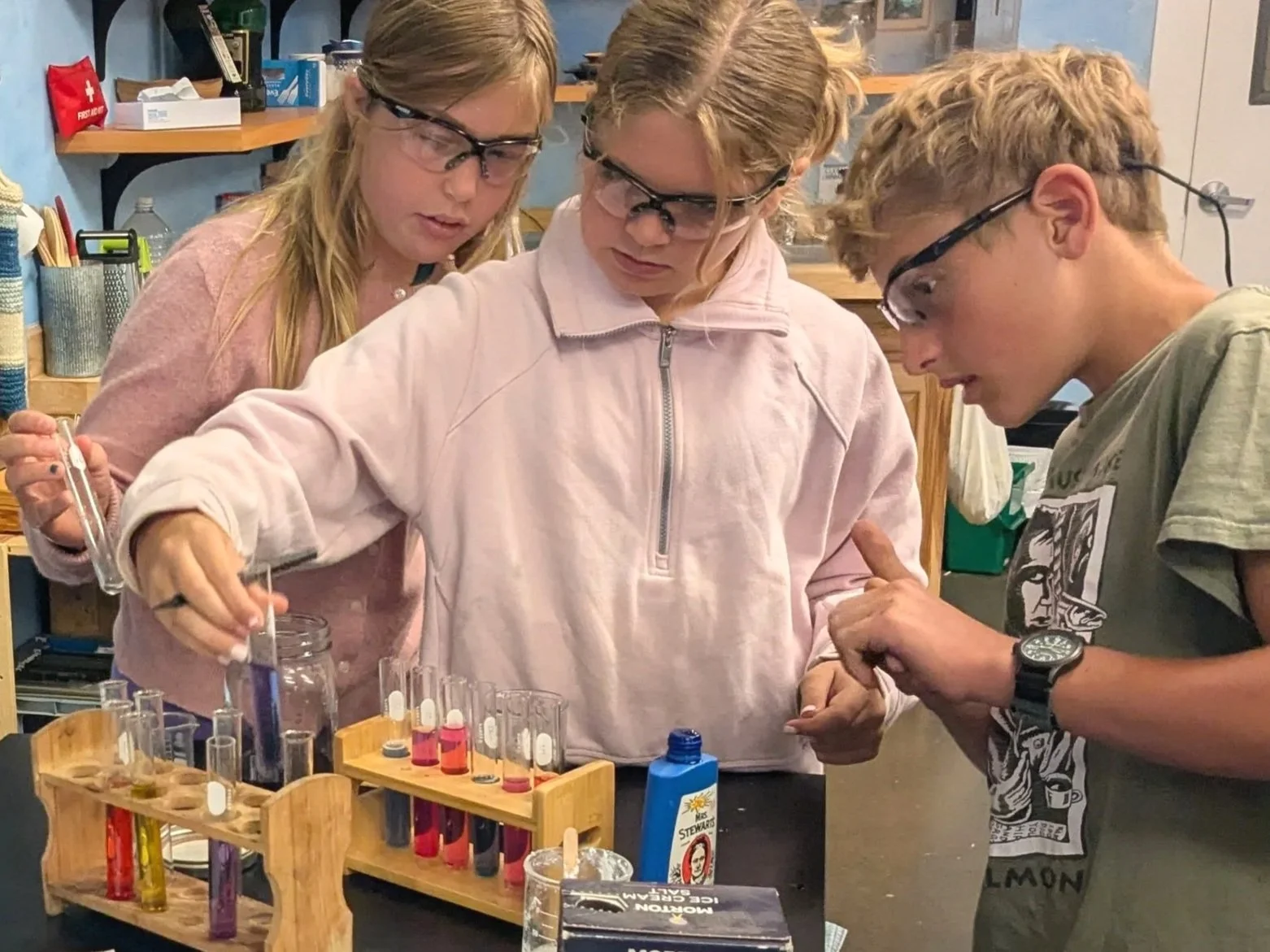
In the sciences, chemistry and physics open up a deeper understanding of the material world through hands-on experiments in combustion, acids and bases, mechanics, light, heat, sound, and electricity. Perspective drawing, creative writing, and more sophisticated work in algebra and geometry engage both imagination and intellect, encouraging students to find their own voice and point of view.
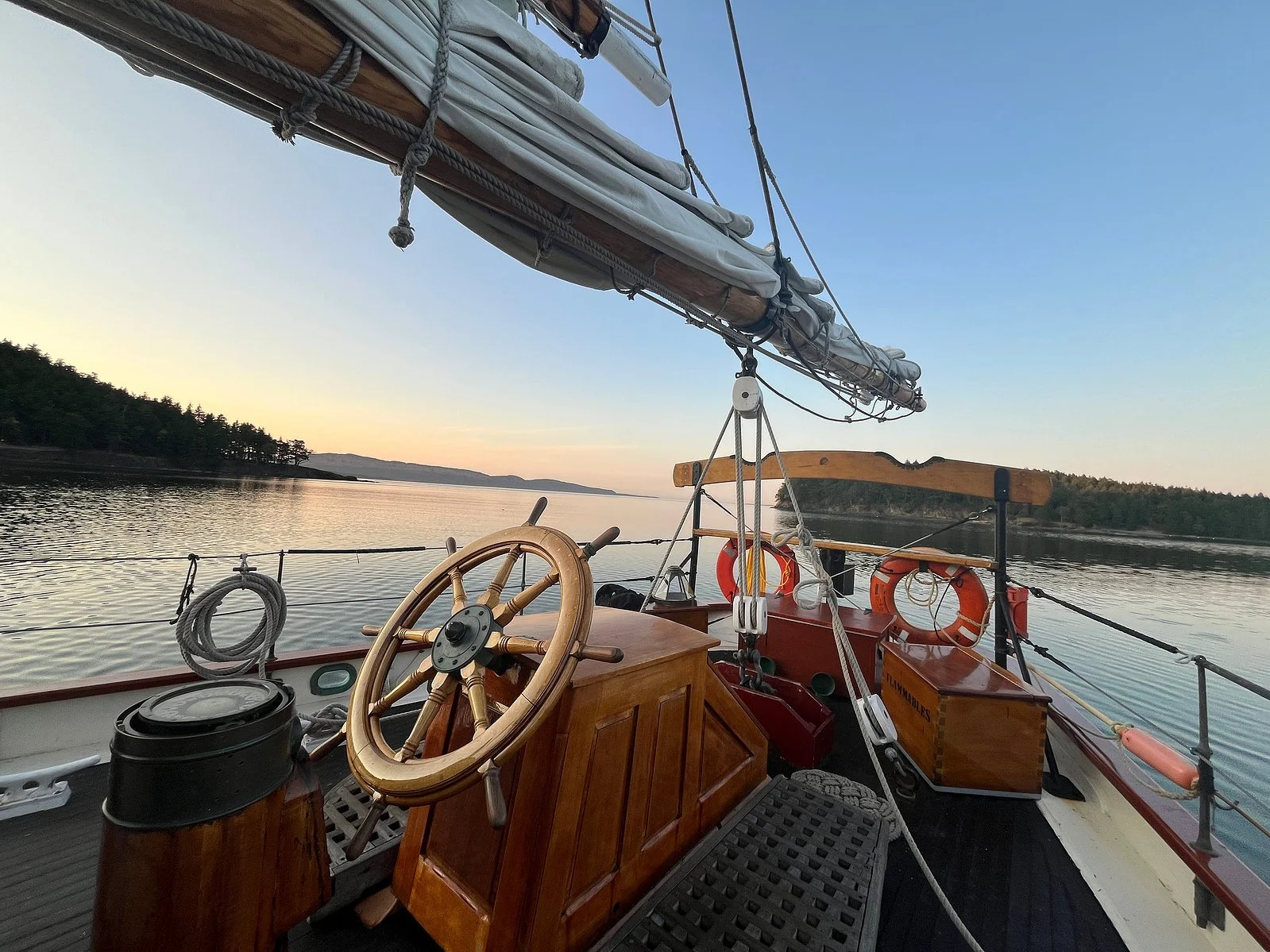
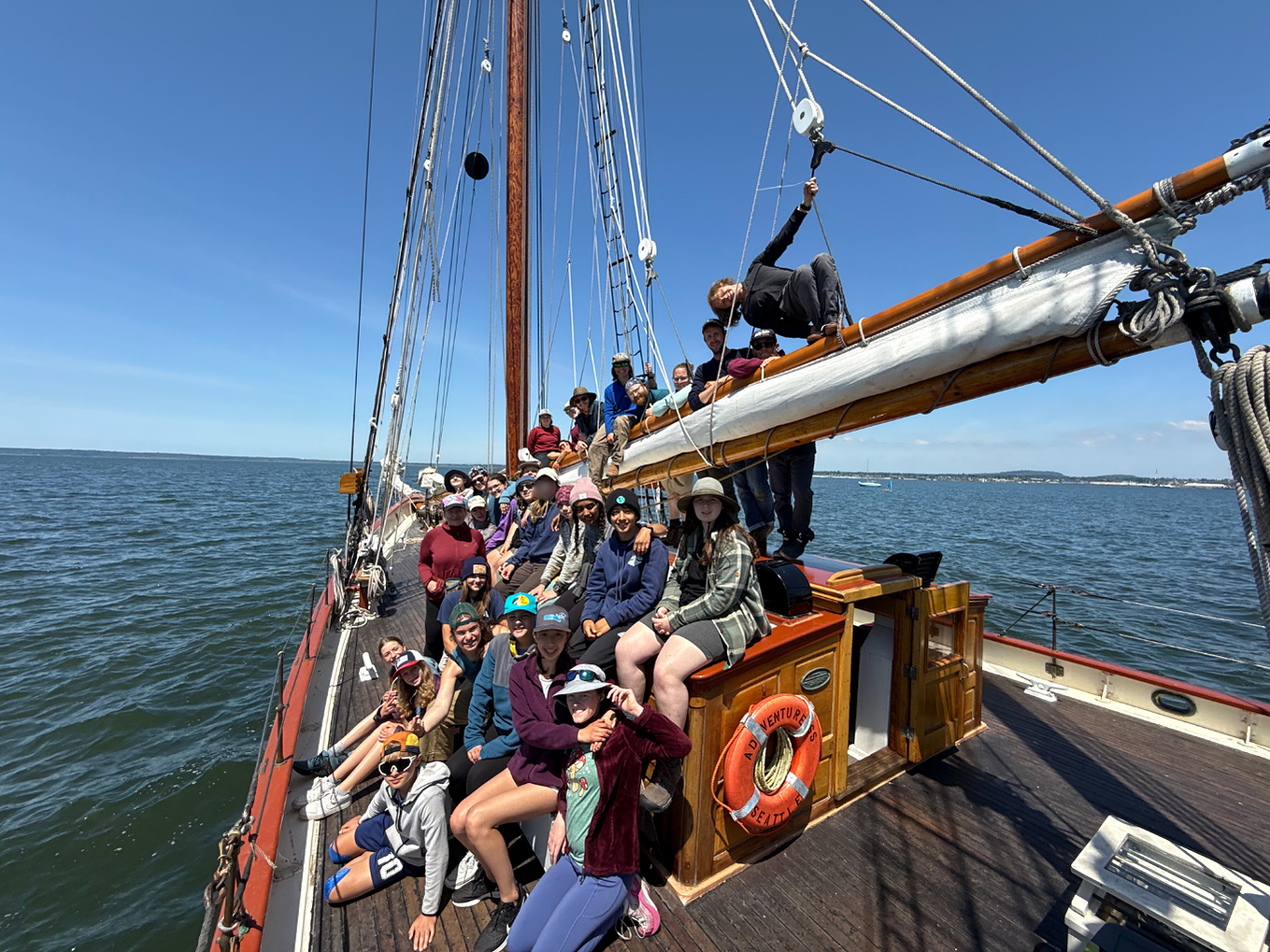
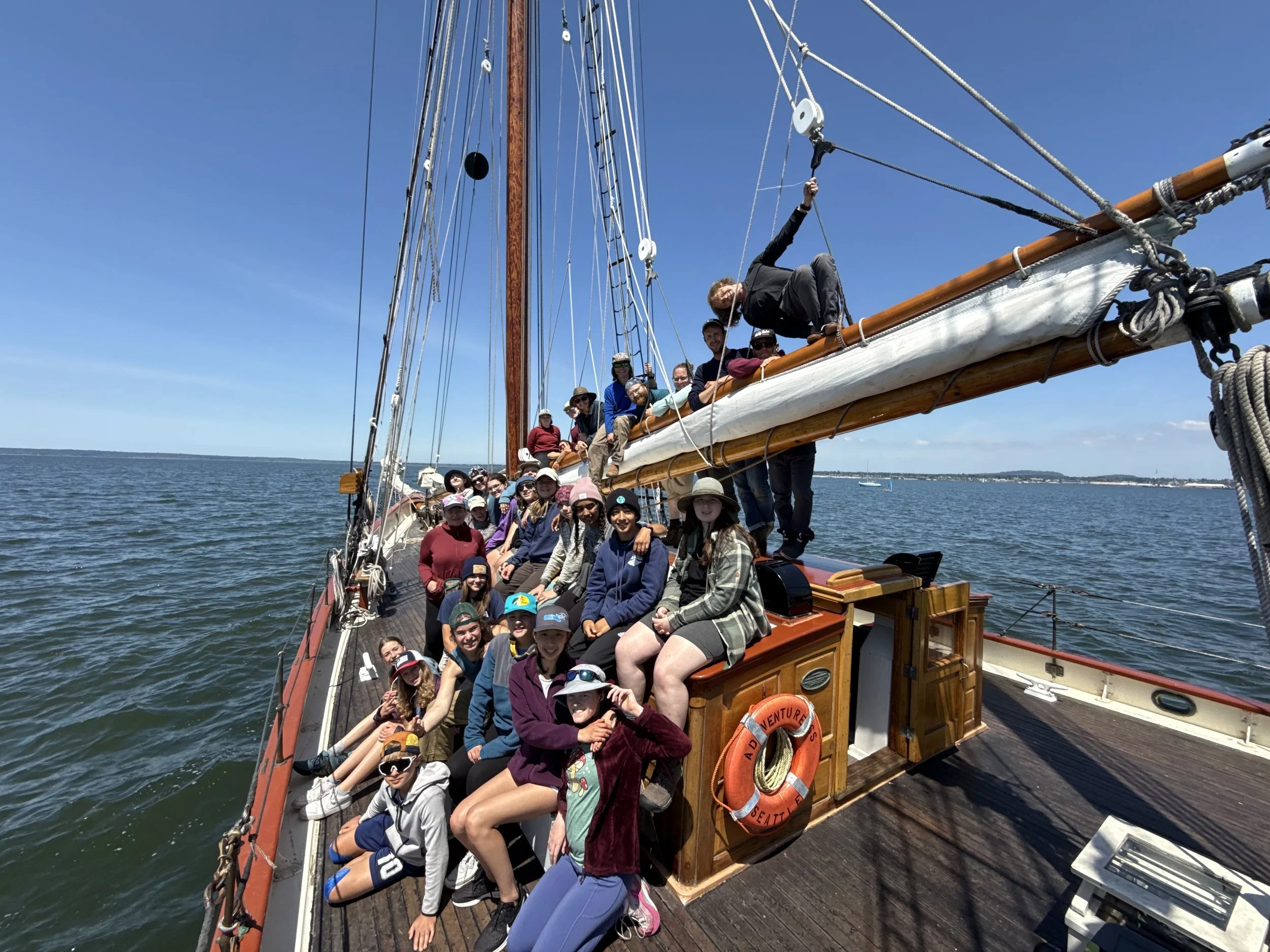
In the spring, a four-day sailing trip aboard the historic schooner Adventuress connects the class to the early maritime exploration of the Salish Sea — building sailing and seamanship skills and further developing their capacities for leadership and environmental stewardship.
Seventh Grade Curriculum
-
Language Arts: Poetry, creative writing, written and oral research projects, essay writing, diverse reading curriculum, note taking
History & Geography: World and European history, including the Age of Exploration and Encounters, Reformation, and Renaissance; biographies, world geography, world oceans, freehand mapmaking
Washington State History, including lessons from the John McCoy (lulilaš) Since Time Immemorial curriculum
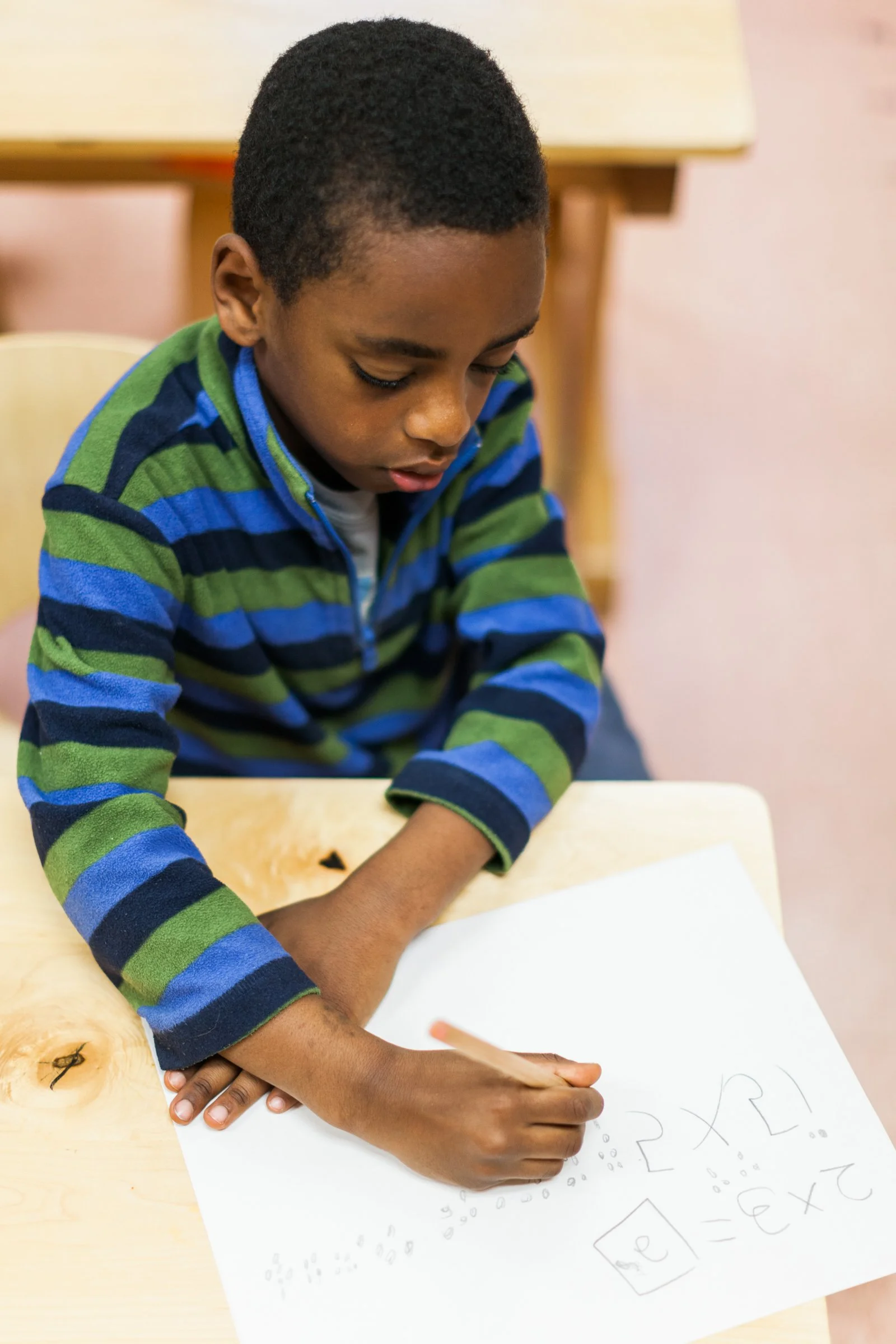
Mathematics: Algebra, geometry, rational numbers, negative integers, order of operations, business math (compound interest), simple statistics, and scientific notation
Science: Astronomy (phases of the moon, planetary movement, seasons, and constellations), Inorganic Chemistry (combustion, salts, acids and bases, and the lime cycle), Physics (acoustics, optics, thermodynamics, electricity, and simple machines), Physiology (body systems, wellness, nutrition, and health)
-
Business Operations: Students put business math into practice by operating a weekly hot-lunch program that helps fund class adventures
World Languages: Spanish and American Sign Language
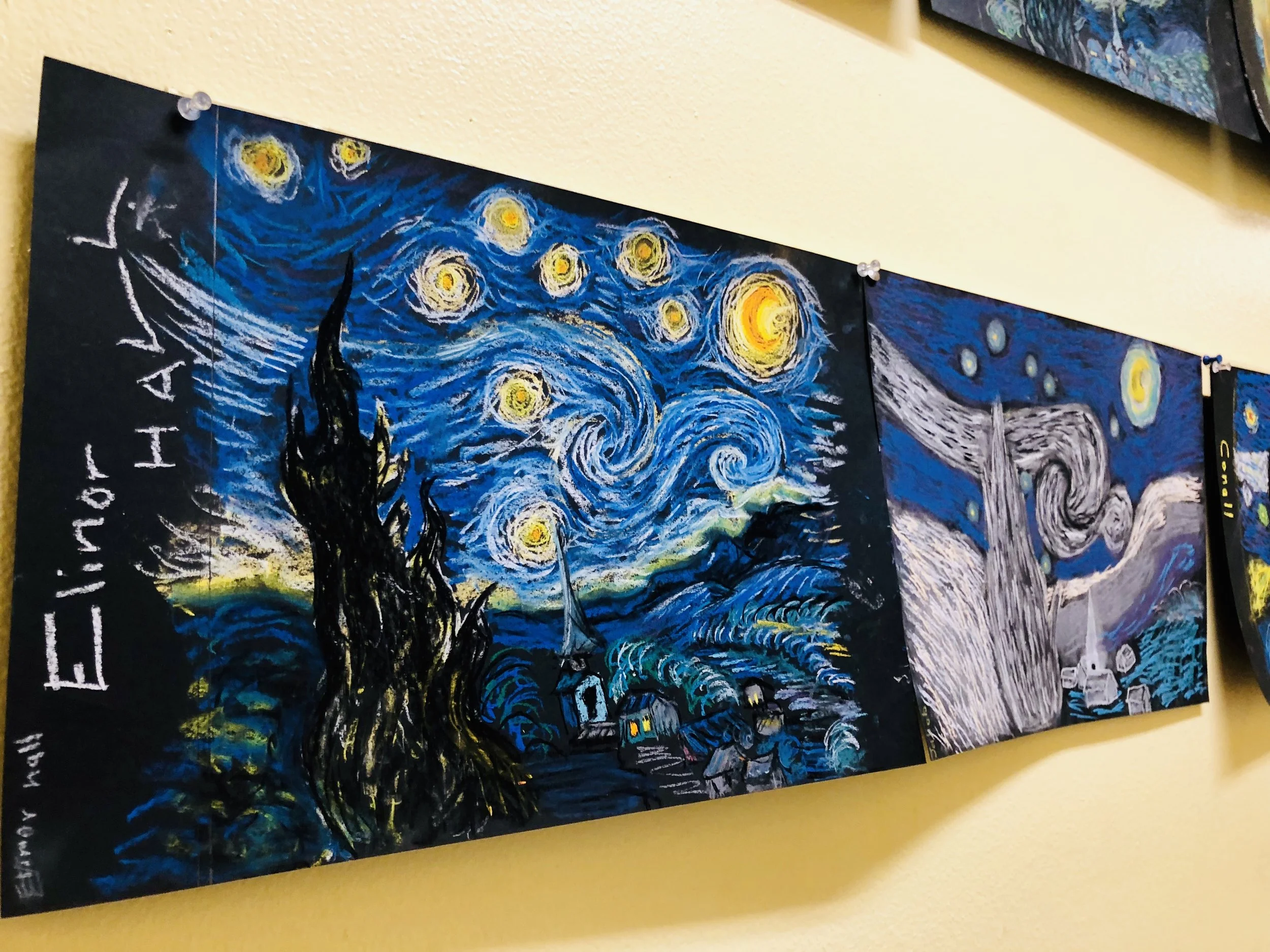
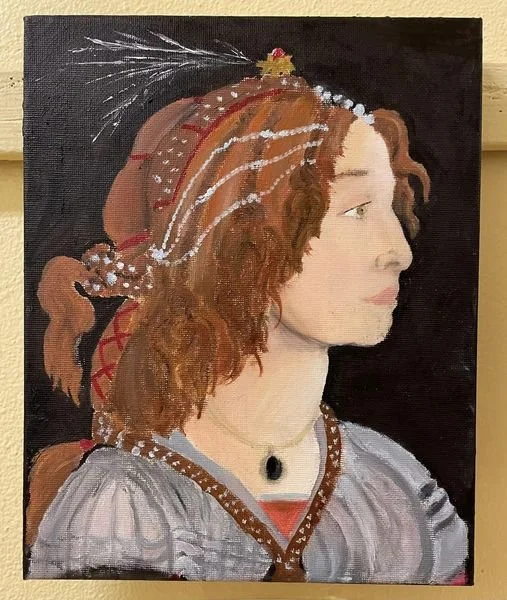
Artistic Work: Oil painting, the Golden Ratio, perspective drawing
Fiber & Practical Arts: Sewing (3D dolls and clothing), woodworking (hand-carved stools), and gardening
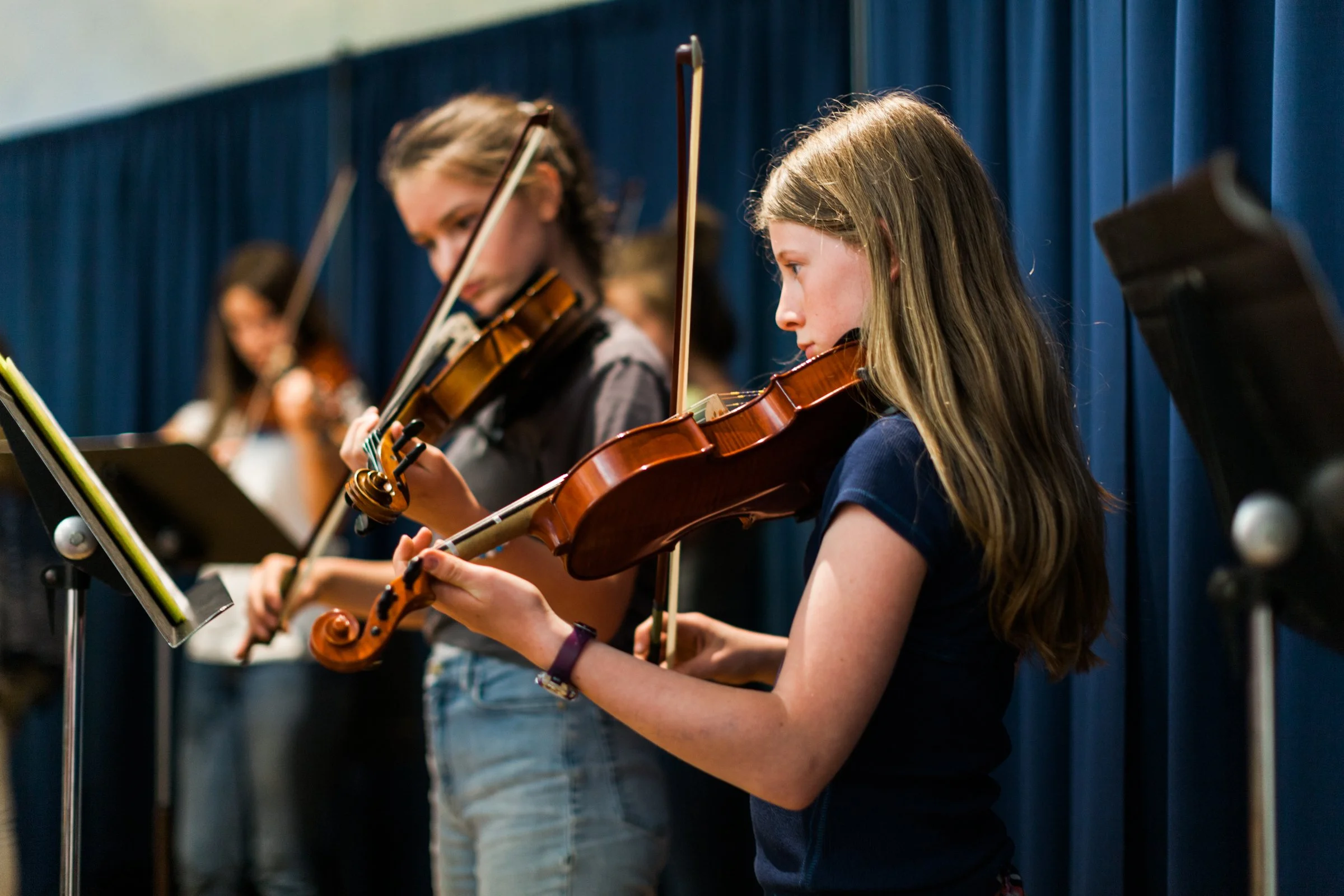
Music: Choir, recorder ensemble, and combined 7th & 8th grade orchestra
Movement: Fitness, track and field training (running, relays, javelin, discus, shot put, high jump, and long jump), team sports (i.e. basketball, street hockey, volleyball, ultimate frisbee, etc), renaissance dances and social dancing
Cyber Civics: Introduction to classroom laptops, typing and keyboarding, digital presentations, online research and information literacy, digital balance, online safety and security, AI literacy, personal data and privacy, copyright and fair use, and responsible digital citizenship
Eurythmy
-
Field Trips: Spark Museum, regional high school plays and musicals, Mount Baker Theater
Wilderness Experiences: Students extend their leadership and outdoor skills on a multi-night backpacking trip into the North Cascades
Schooner Adventuress: Students explore the Salish Sea and build maritime skills on a 4-day trip aboard the historic schooner Adventuress
Regional Events: Renaissance Faire (multi-school gathering hosted by WHWS); regional middle school dance
Sample Daily Schedule
8:30am - Main Lesson
10:30am - Snack & Recess
11:00am - Washington State History
11:45am - ASL
12:30pm - Lunch & Recess
1:15pm - Strings
2:00pm - Math Track
3:00pm - Close
Early release Fridays at 1:15pm
Seventh Grade Highlights
Hands-on Science
Digital Literacy
Multi-School Events
Sailing & Backpacking
Hands-On Science
Igniting Scientific Inquiry!
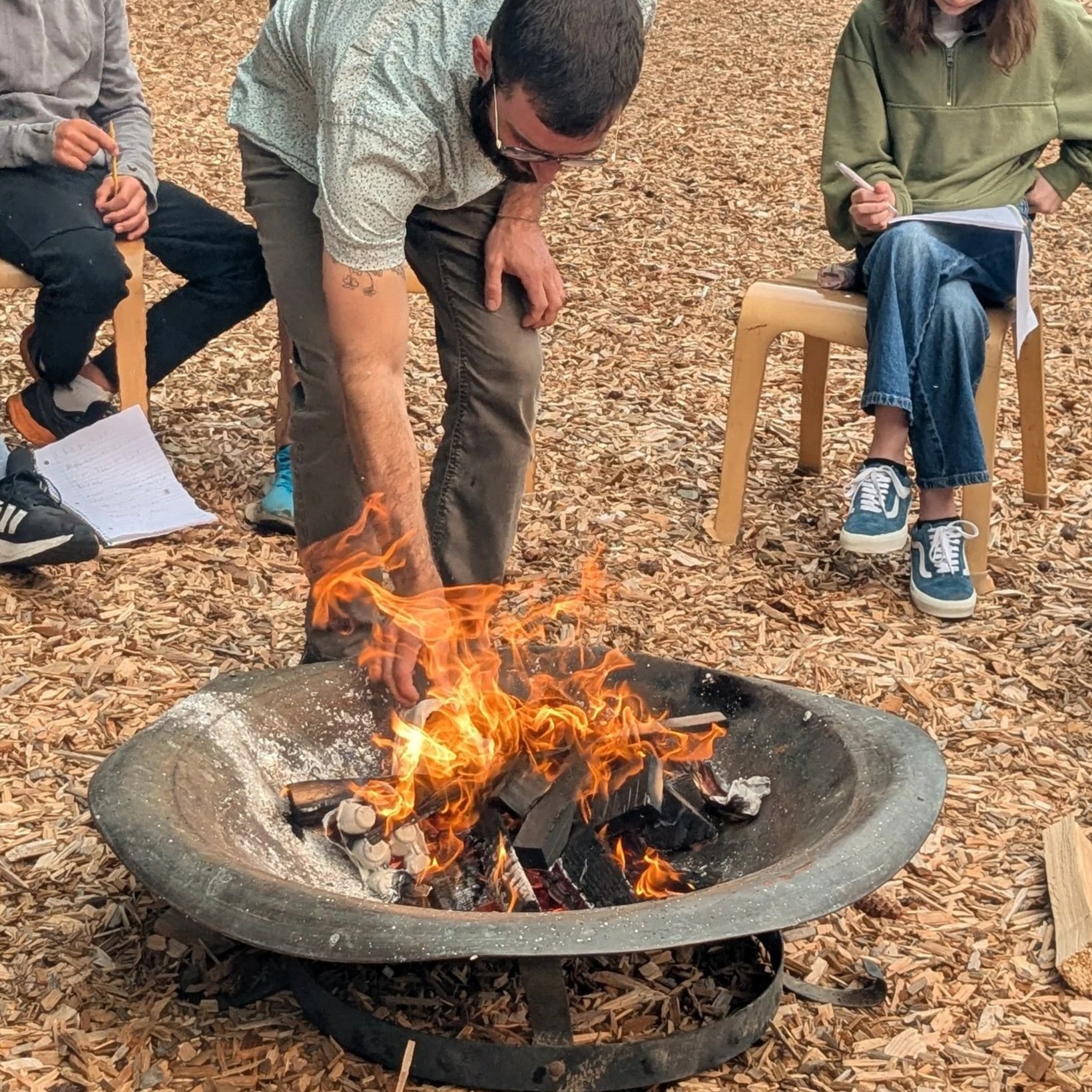
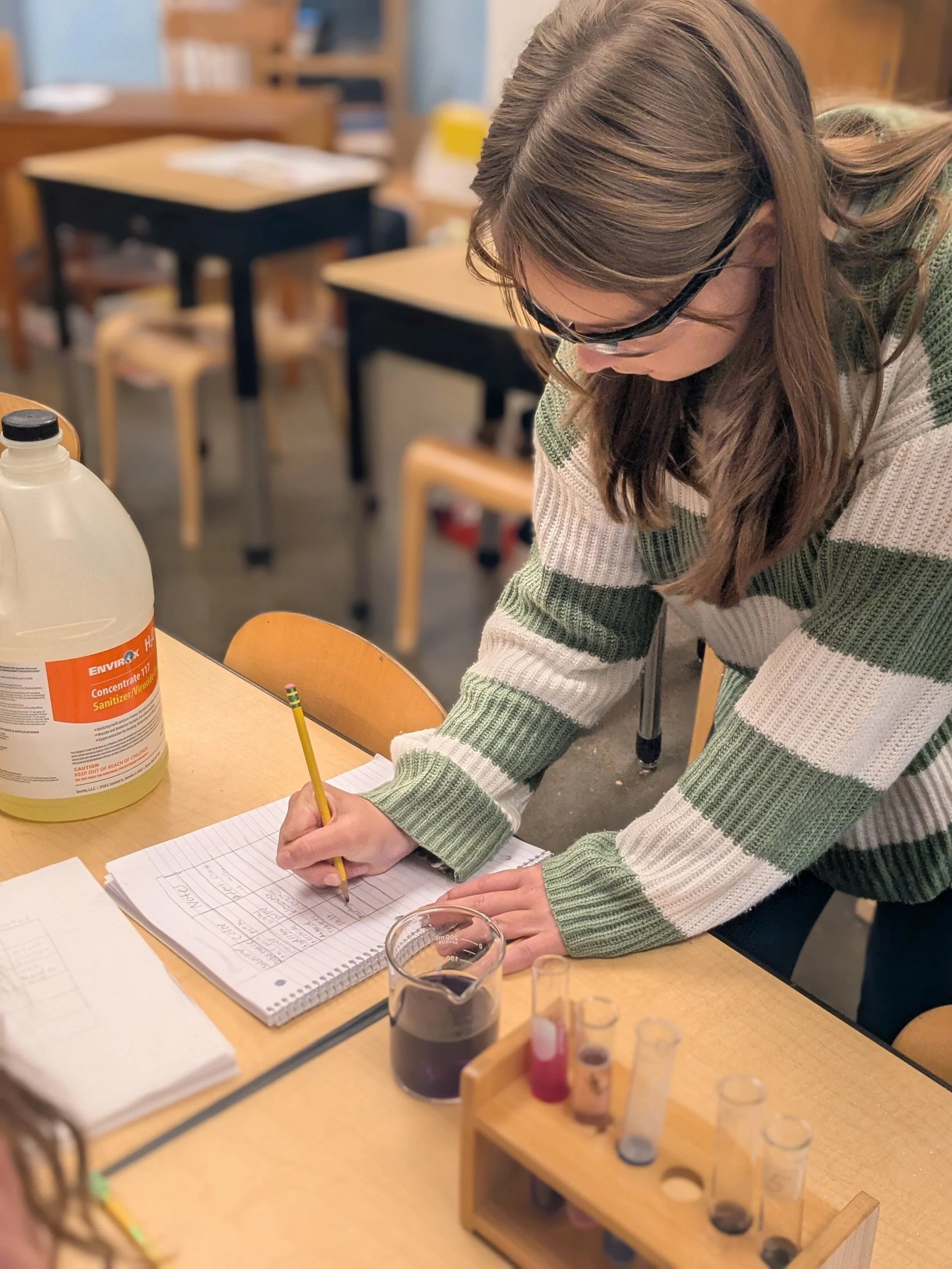
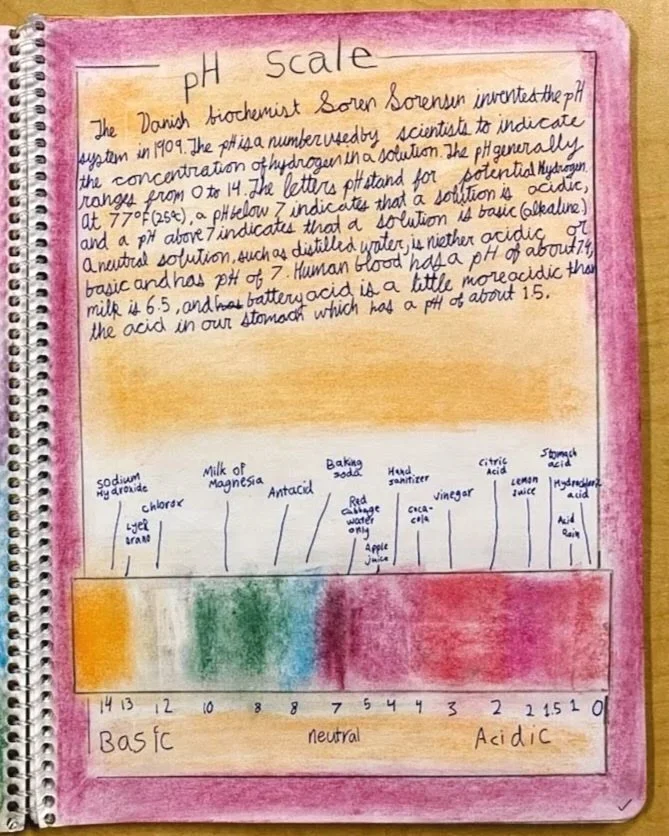
Our Waldorf science curriculum takes a hands-on, phenomenological approach — students observe first, then reflect, asking "what do I know?" and "how do I know it?" In 7th grade, chemistry comes alive as students study combustion by building and observing a bonfire, explore acids and bases through soap-making and household chemicals, and bring the lime cycle to life using a campus lime kiln. Physics turns to sound, light, and mechanics, with a focus on simple machines — don't be surprised to find a mountain bike in the classroom for some hands-on discovery! Rather than being told how the world works, students discover it, becoming careful observers, critical thinkers, and flexible learners ready to make sense of the modern world.
Digital Literacy
Growing Further into Digital Expertise
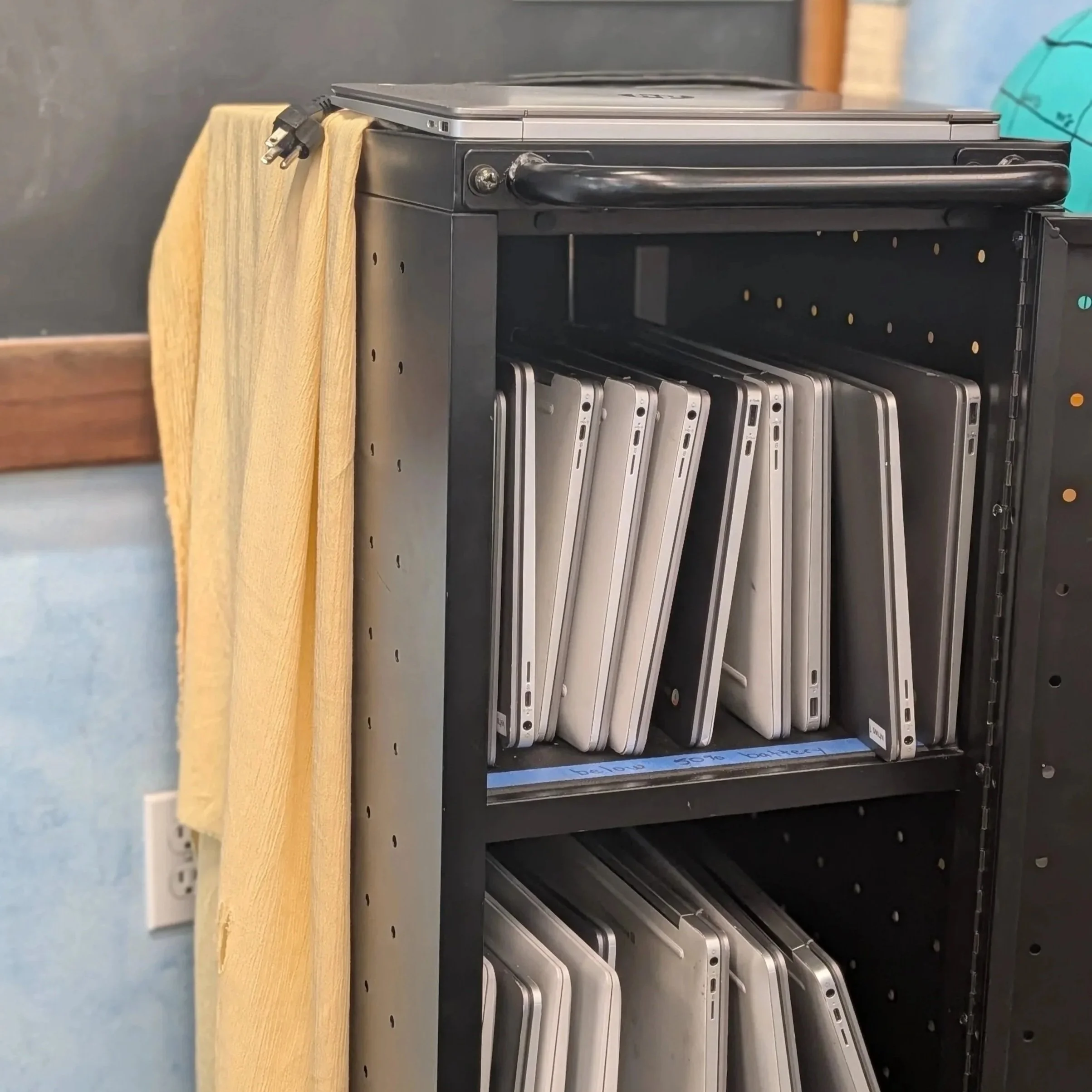
Seventh graders continue building responsible technology skills through their Cyber Civics curriculum. Students begin using laptops and school email accounts, and learn typing, online research and information literacy, presentation and document tools (Google Suite). Typed essays and homework assignments are integrated into the curriculum.
Multi-School Events
Multi-School Events
7th grade features a slate of regional events in combination with other regional Waldorf schools:
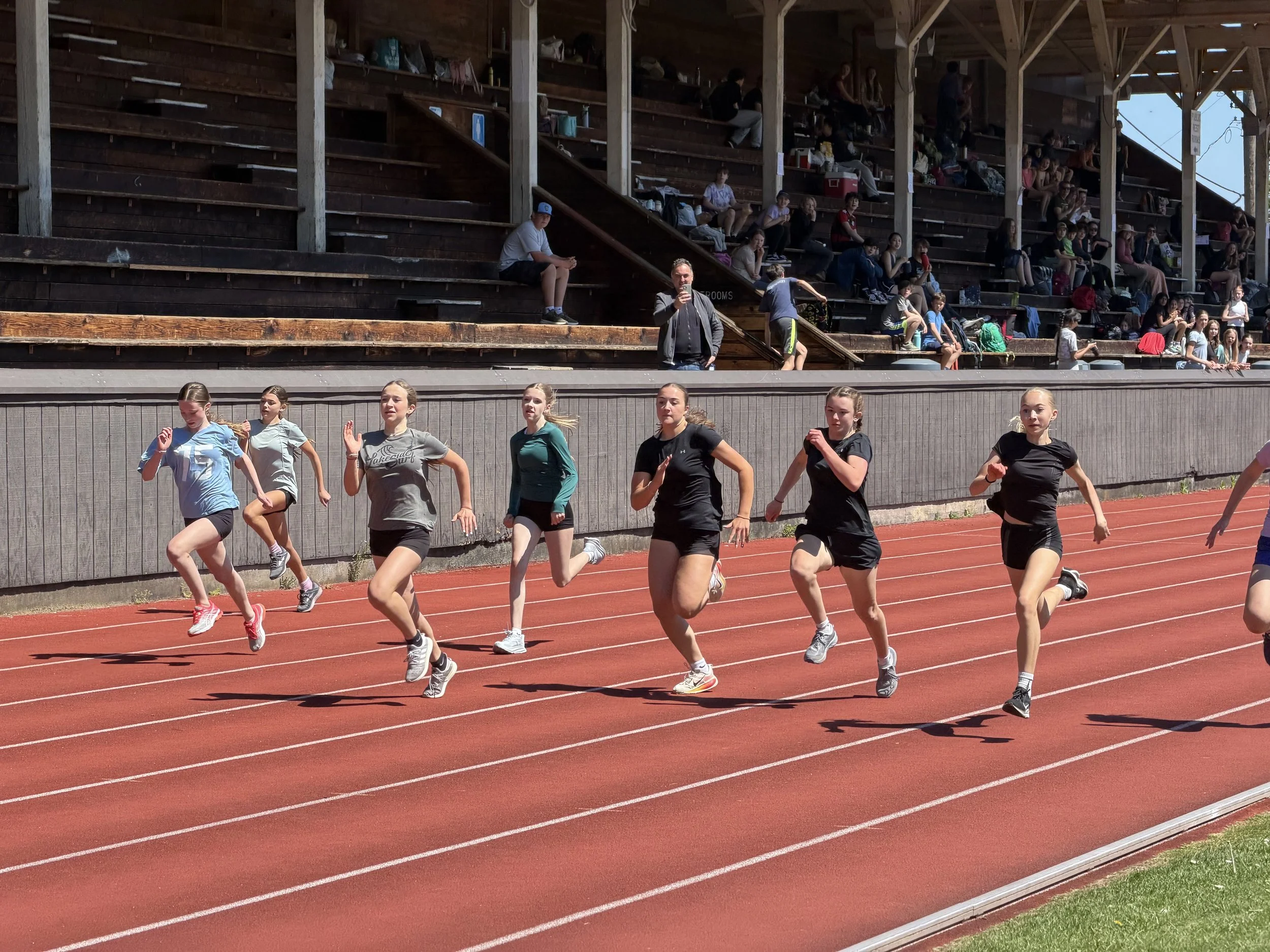
Seattle Track & Field Meet - After training in their Movement class, students compete against other Waldorf schools in a classic track meet with running, throwing, and jumping events. Always a highlight!
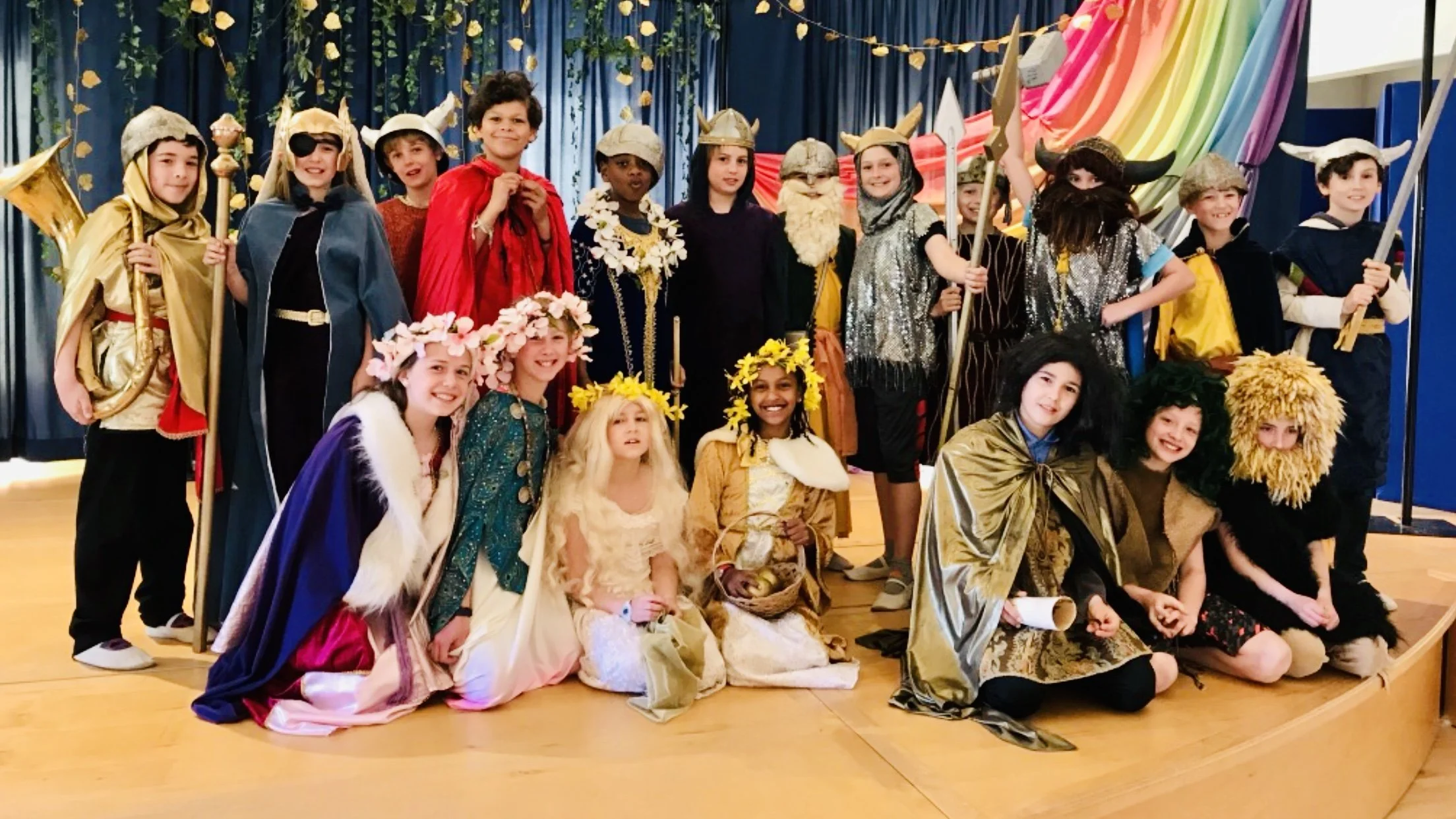
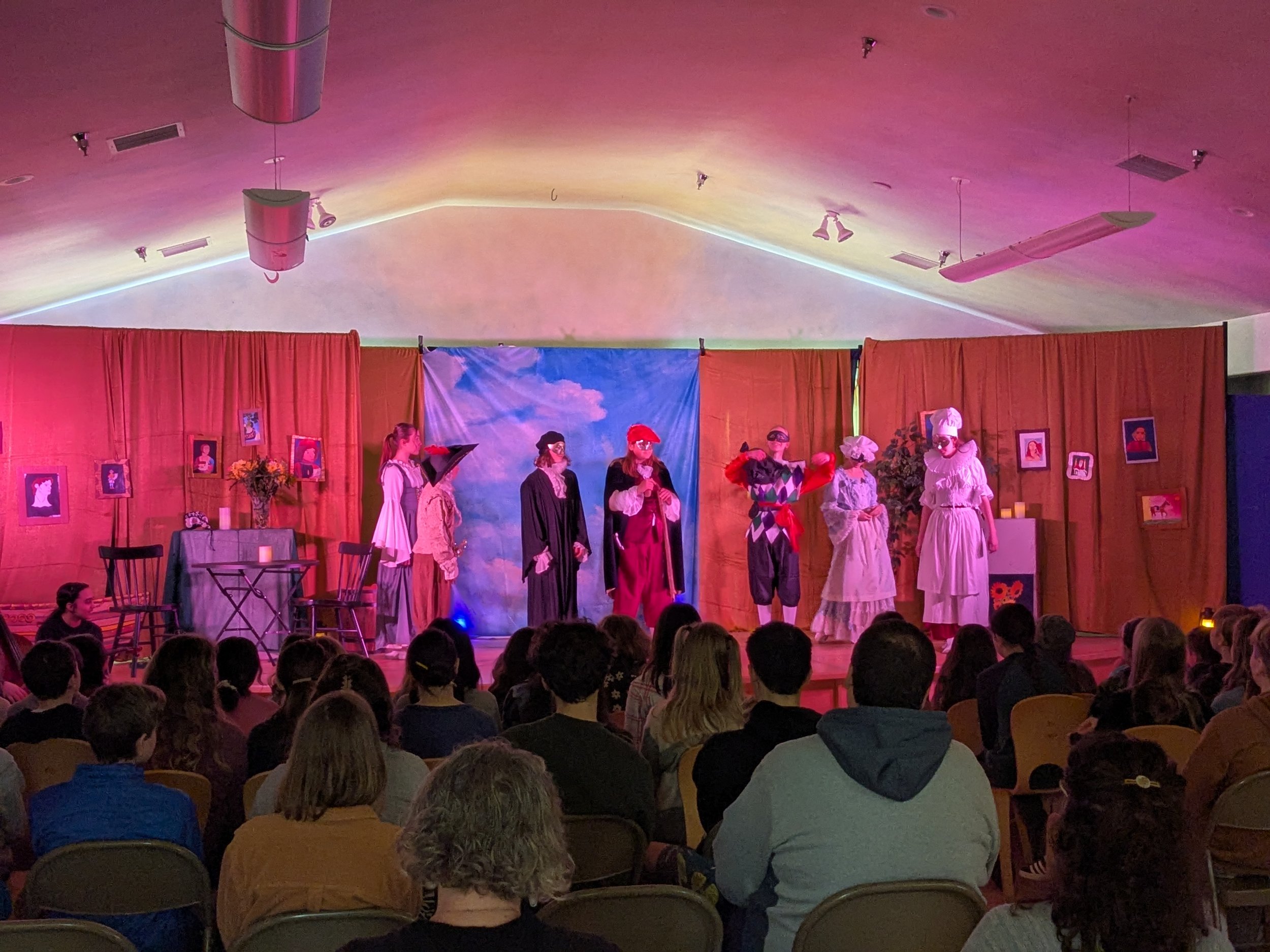
Renaissance Faire - Hosted at Whatcom Hills, the Renaissance Faire is a culmination of the students’ exploration of the Renaissance period and features a welcome banquet with a variety of performances and dances, followed by a day of Renaissance-inspired activities and exploration.
Middle School Dances - Multiple dances hosted by regional schools give students a chance to connect with other Waldorf students and deepen friendships built during other regional events, like Medieval Games, Greek Games, and the Renaissance Faire.
Sailing & Backpacking
Explorations by Land and Sea
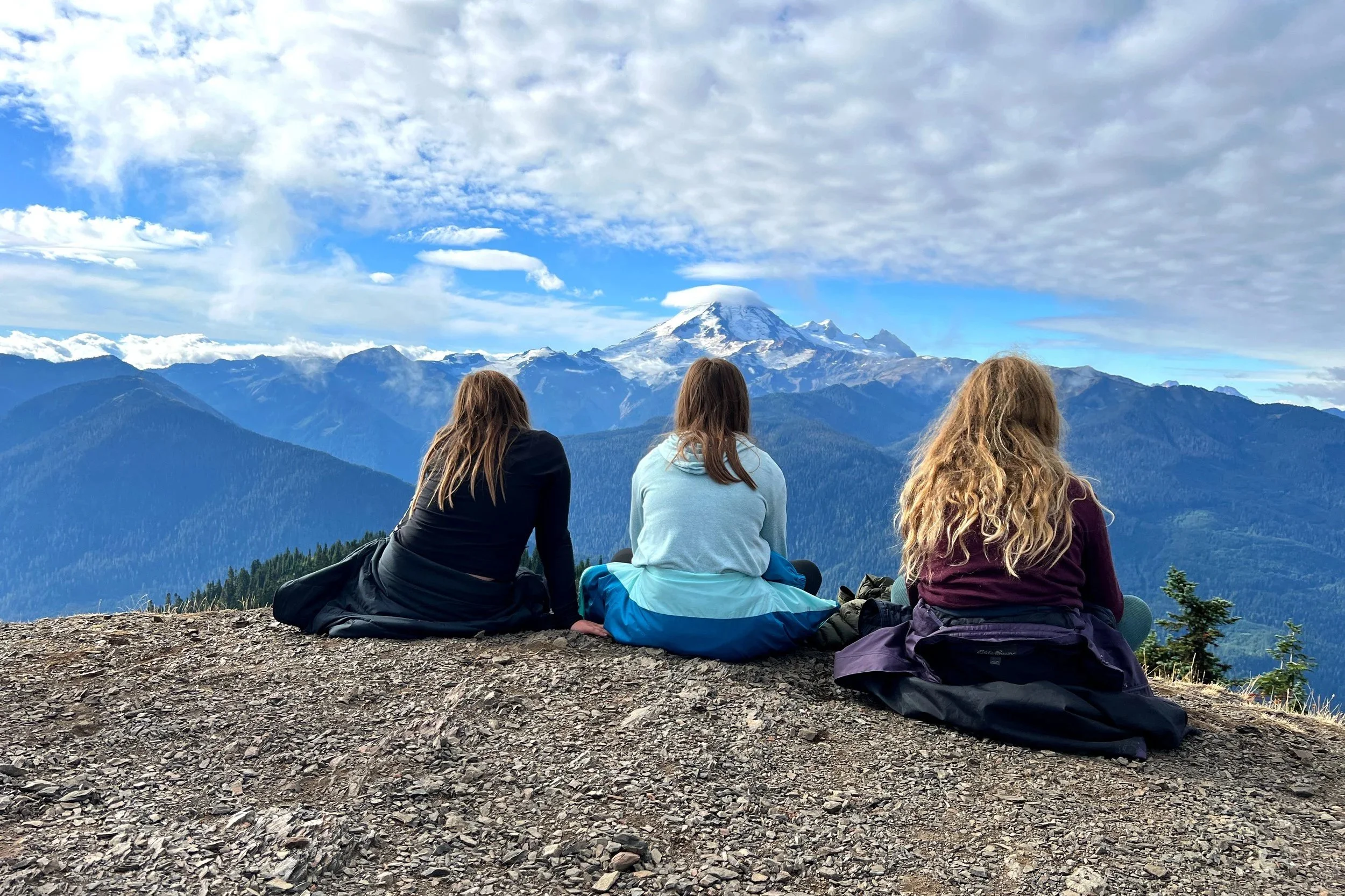
7th Graders begin the year with a backpacking trip into the North Cascades.
The capstone of their year of exploration comes aboard the schooner Adventuress, where they learn seamanship and navigational skills from a capable, dynamic crew. Students will haul ropes, climb the rigging, conduct night watches, sleep in bunks, and fully participate in the operation and upkeep of the historic wooden ship. Read more about the trip.
Read More
7th Grade in Pictures
Meet the Teaching Team
Classroom Teachers
Staff Photos
Specialty Teachers
Staff Photos