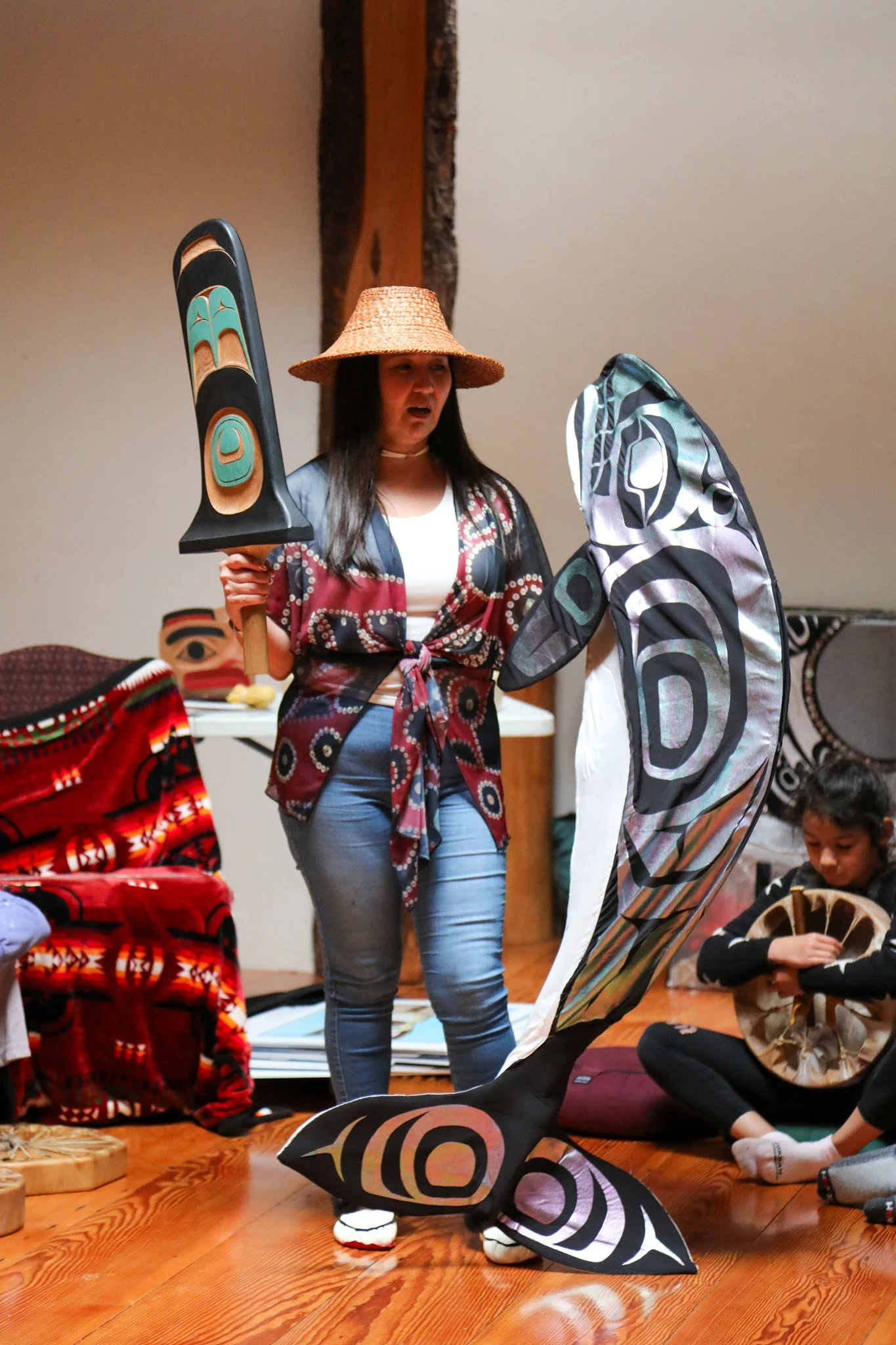
The Coast Salish Cultural Sharing: A Fourth Grade Milestone
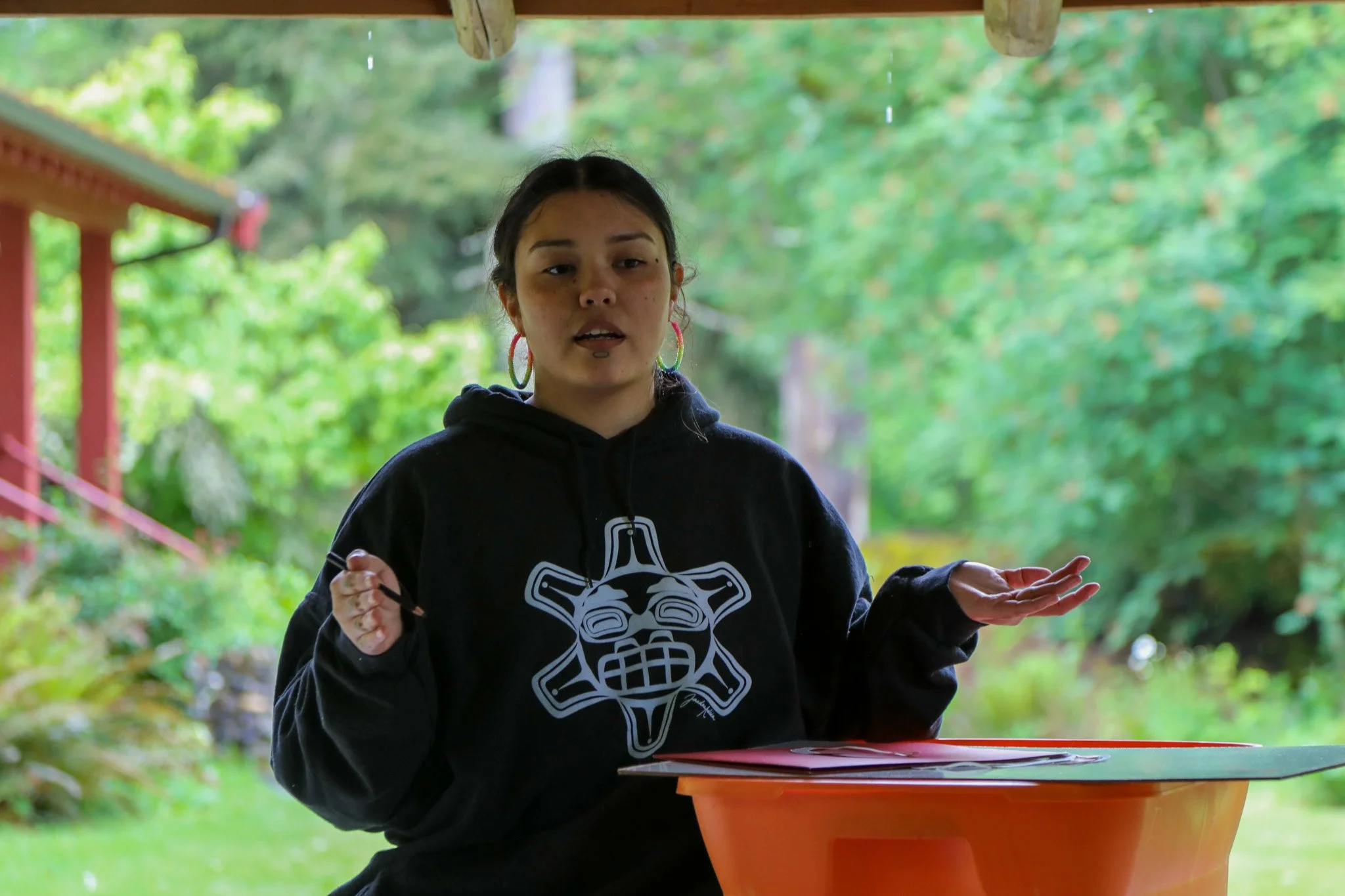
Each year, our fourth graders take part in the Coast Salish Cultural Sharing, a three-day gathering that immerses students in the history, culture, and living traditions of Washington State's First Peoples.
Why Fourth Grade?
As children's consciousness expands during this year, so does the scope of what they study, moving outward from home and neighborhood into local geography and history. Fourth graders are gaining a new cognitive awareness of their own separateness from others: an understanding that they exist in a particular time and place, with forebears who came before them. That same expanded awareness allows them to more fully grasp the reality of a culture different from their own — and to recognize that a different lived experience is just as rich and valuable.
The Coast Salish Cultural Sharing carries that thread forward, opening the door to a new culture through taste, sound, sight, art, song, and story — nurturing global citizenship and a genuine appreciation for those who walk a different path.
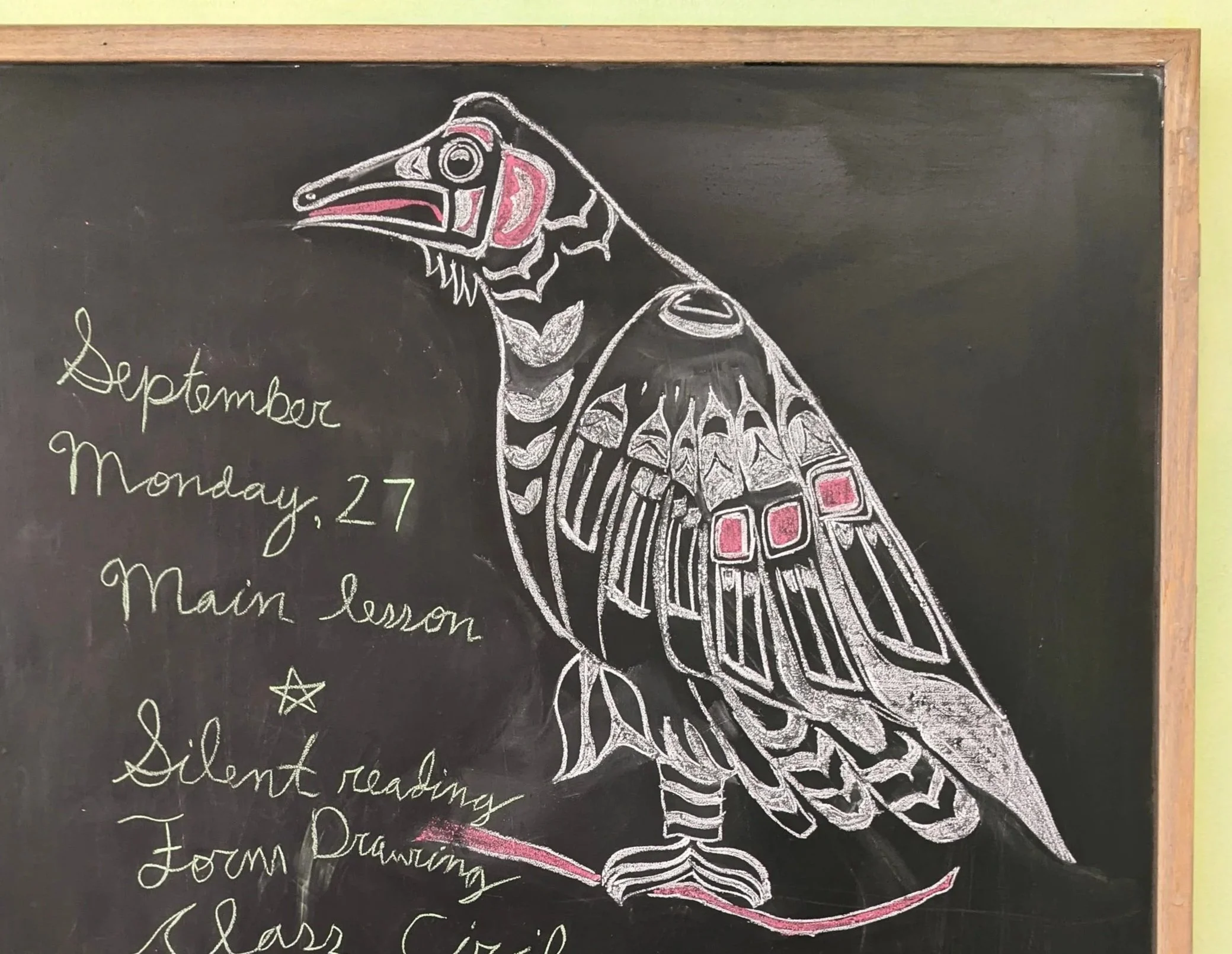
A Gathering Rooted in Relationship
The event traces its roots to a group of Waldorf teachers who wanted to give students an introduction to Washington's First Peoples and a taste of what it might have been like to attend a Potlatch — a traditional ceremonial gathering among Pacific Northwest First Peoples, centered on unity, acceptance, feasting, storytelling, and a closing Give Away of handmade gifts.
Over many years, deep relationships have grown between the organizing schools and First Nations Elders and the Tulalip Tribes, who have guided and transformed the event into an authentic, Native-led immersion experience for students, parents, and teachers alike. In recognition that a Potlatch is a sacred ceremony belonging to Coast Salish peoples, the event is no longer named after it. What students experience is educational, not ceremonial — created and led by Coast Salish First Nations people, in the spirit of the Potlatch's core teaching of a gift economy, but distinct from the sacred rite itself.
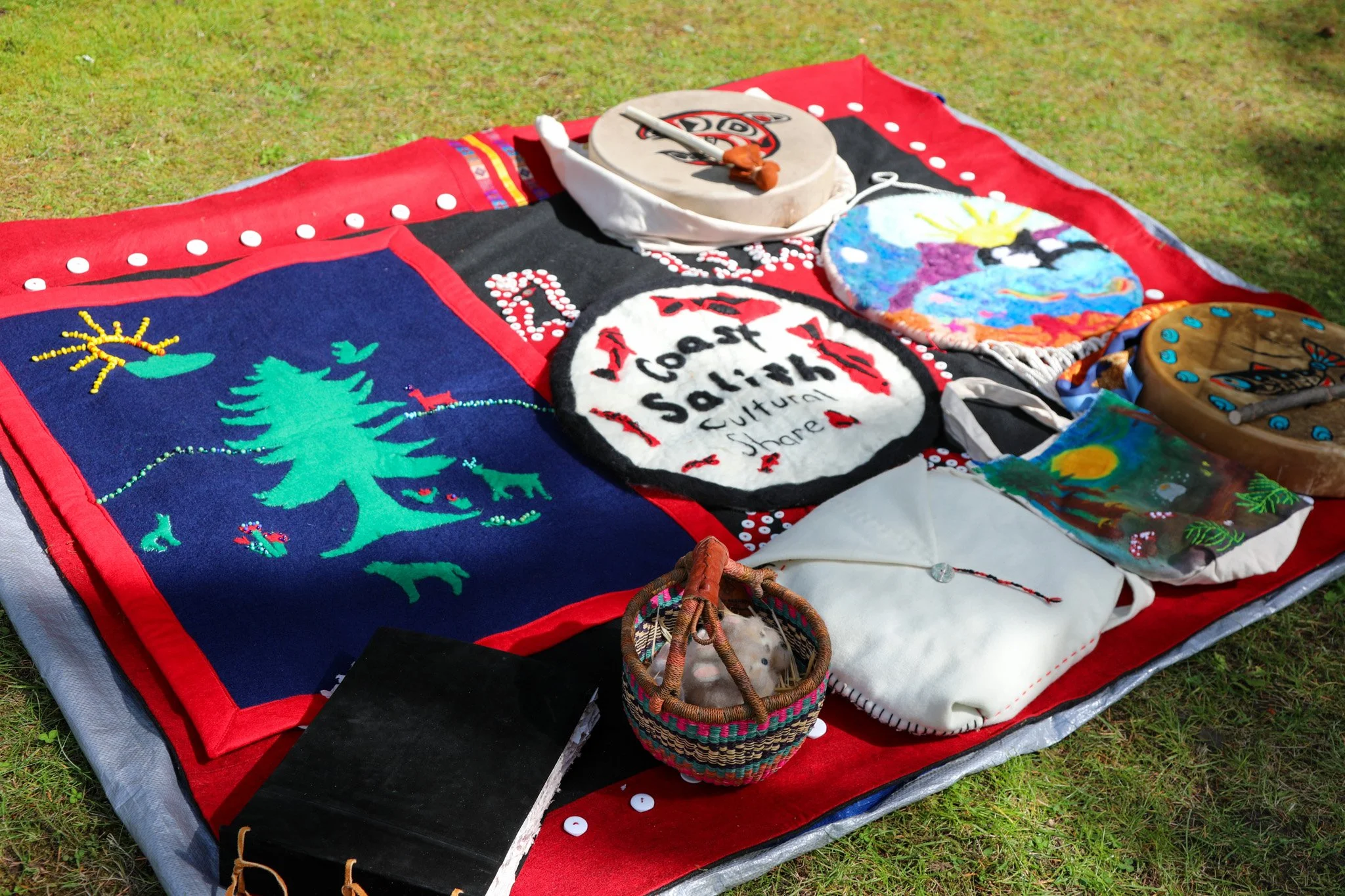
Three Days of Immersion
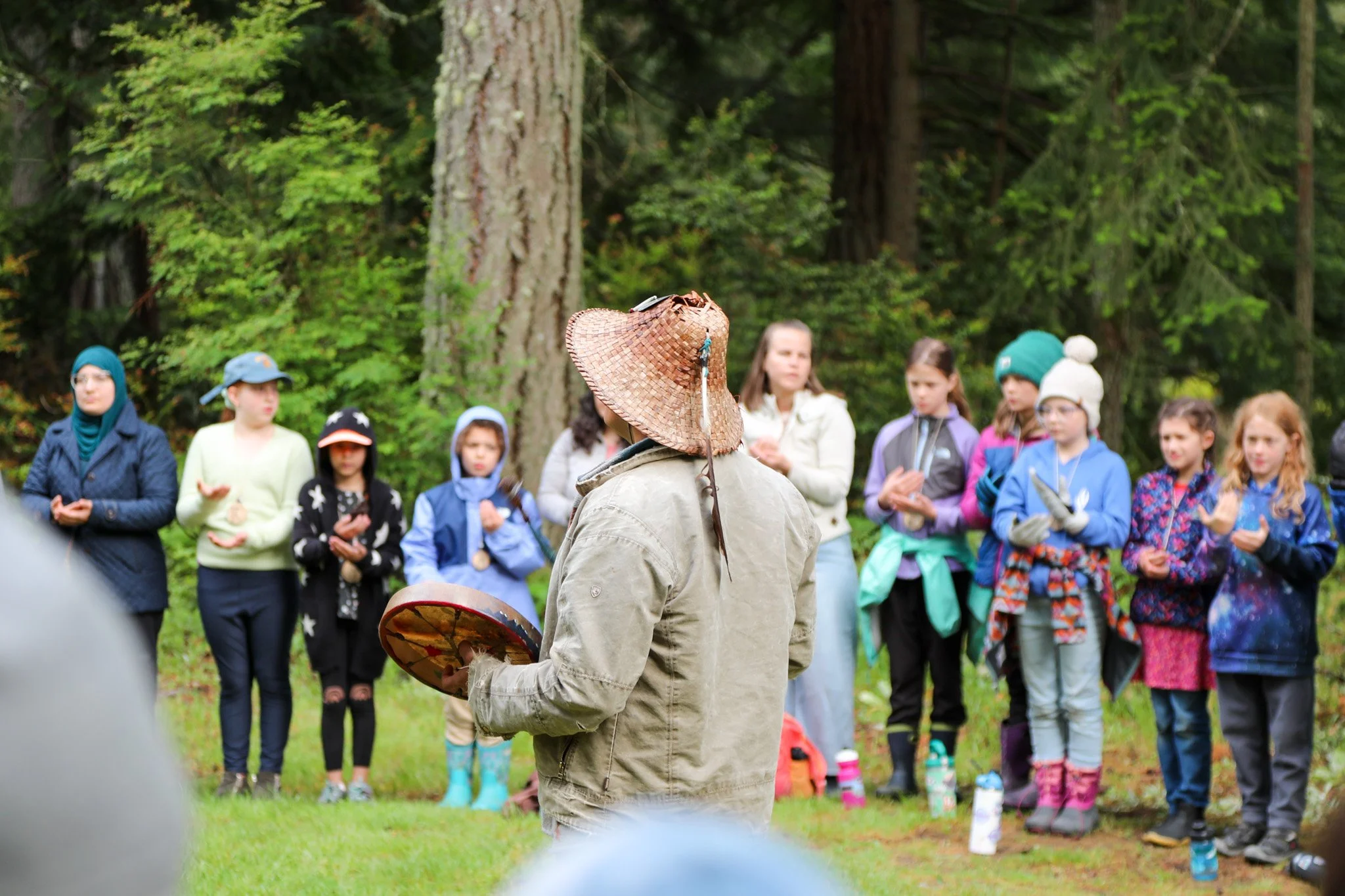
The gathering takes place over three days at Camp Killoqua, alongside fourth graders from other regional Waldorf schools. After settling into cabins, students are welcomed with introductions and a traditional blessing, then divided into groups for hands-on activities. In the evening, each school presents an artistic offering, whether a drama, song, dance, or recitation.
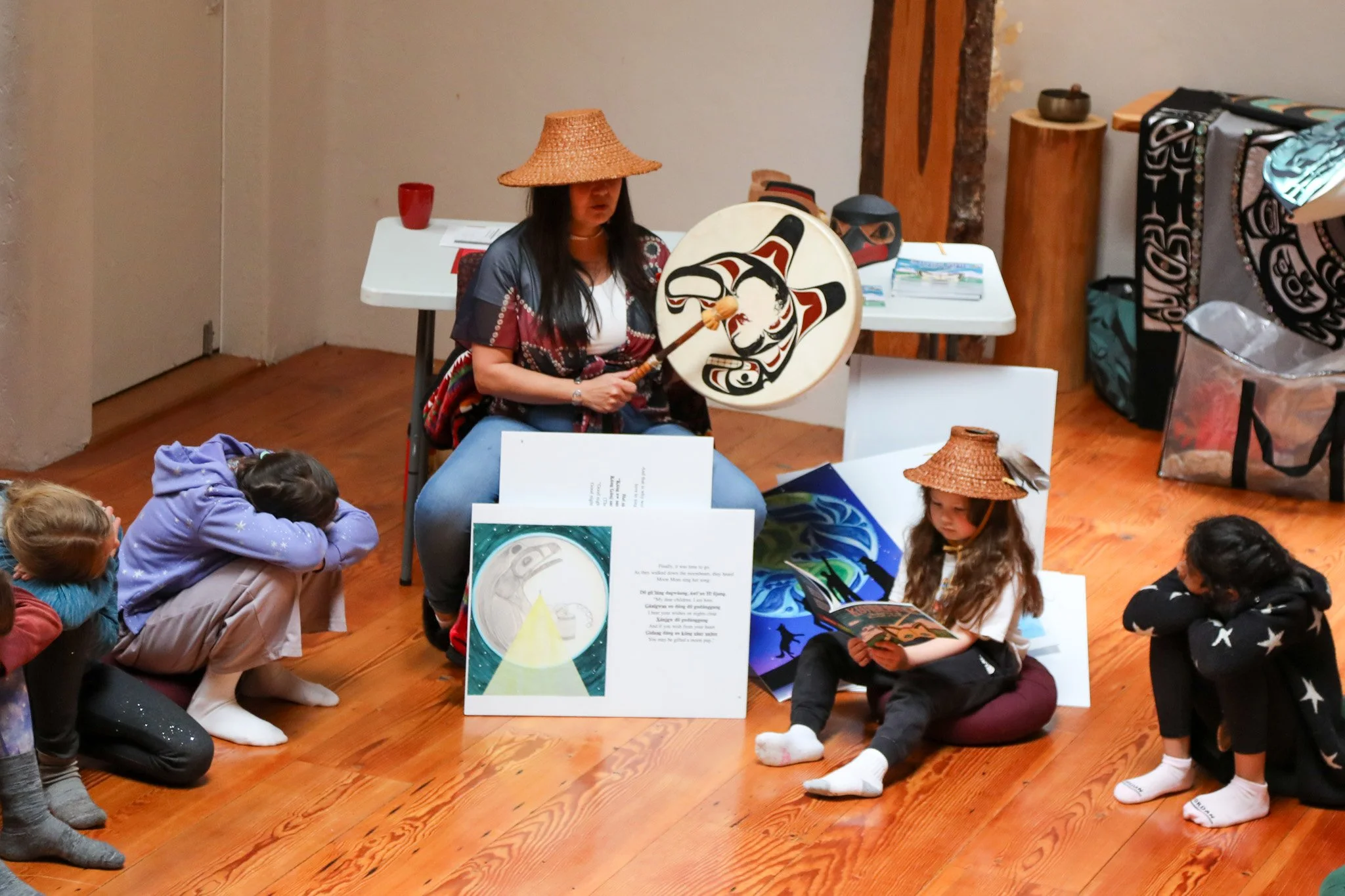
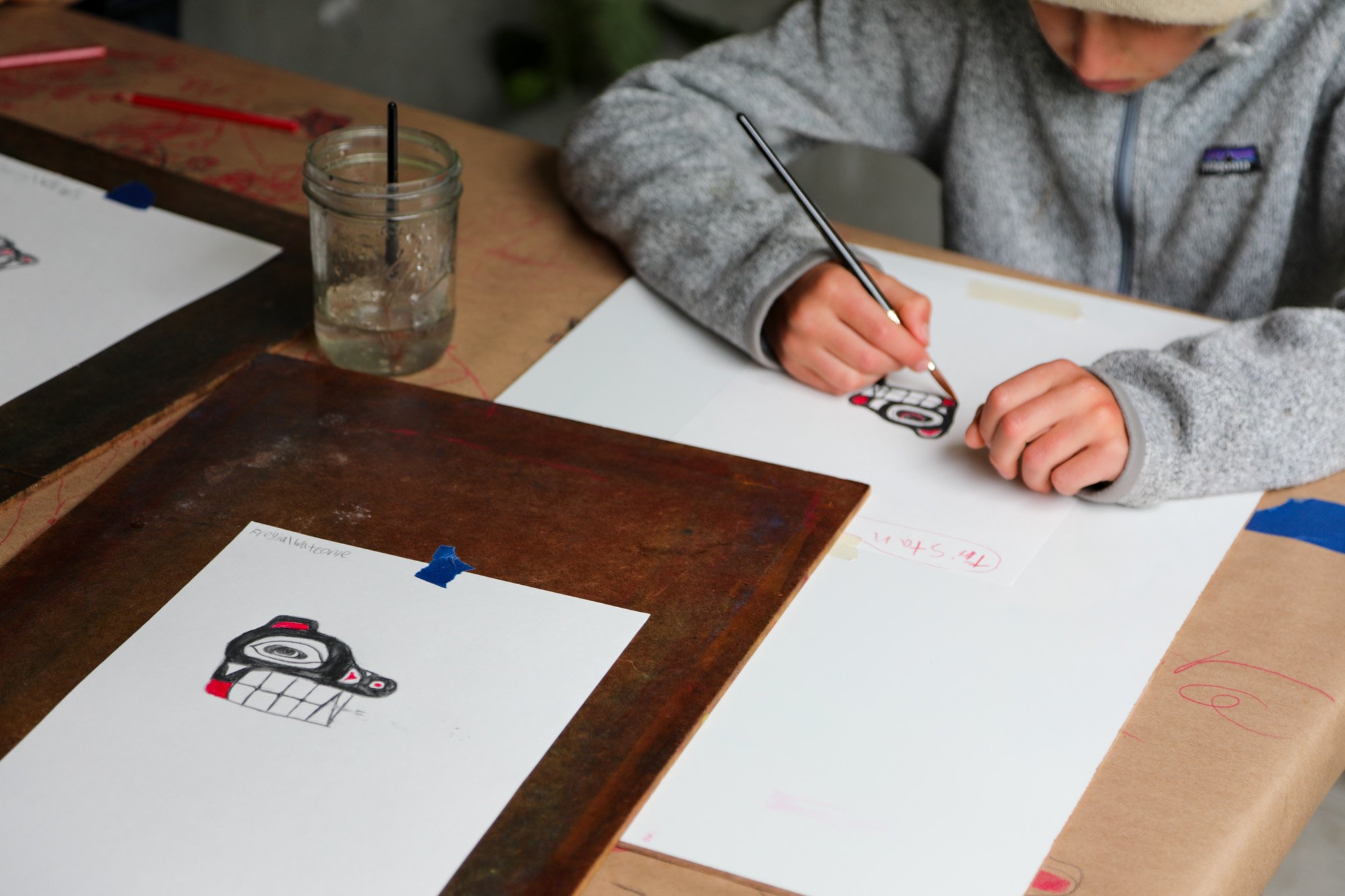
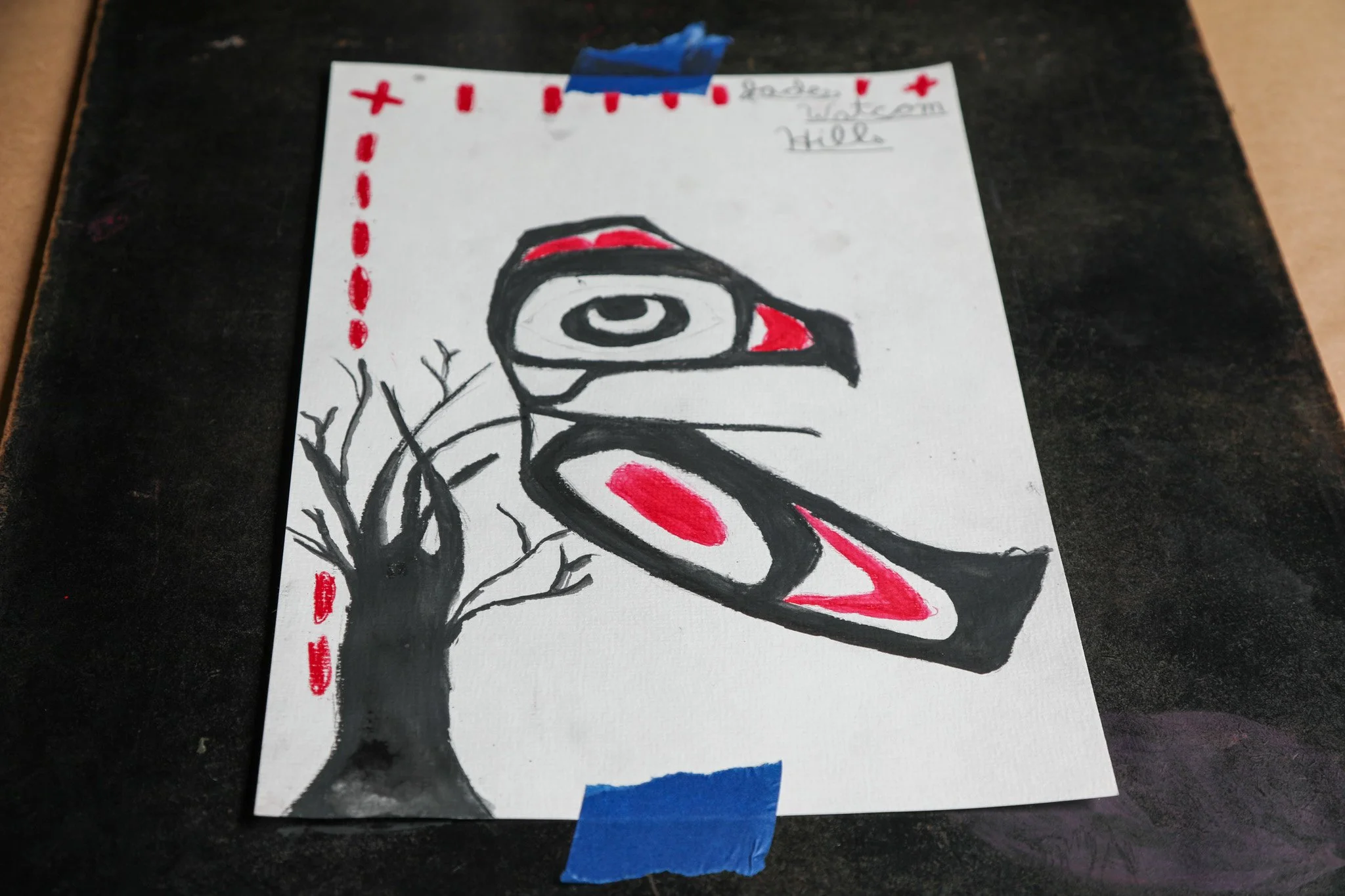
The following day is spent rotating through offerings led by visiting Elders: drumming, flute playing and traditional song, woodcarving, traditional games, dance, and history, depending on who is able to join that year. The day closes with a Salmon Feast and Give Away of handmade items crafted by each visiting school, echoing the spirit of unity and generosity at the heart of the tradition. On the final day, students gather once more for a closing blessing before heading home.
Learning From Those Who Carry the Culture
What makes this experience so powerful is who teaches it. Each year, respected Elders and culture-bearers join the gathering — Master of Ceremonies Paul Chiyokten Wagner, a Coast Salish flutist, storyteller, and cultural historian; Sondra Simone Segundo, a Haida singer, songwriter, and children's book author; Jamie Sheldon, a Tulalip cedar weaver with over 25 years of practice; Seri Sims, a Kaigani Haida formline artist and regalia maker; Kaiser Moses, a teacher of Native American games rooted in longhouse tradition; and Director Angela Zhaawanongkwe Lindstrom, who has organized the gathering for over two decades.
Students leave having learned directly from people actively living and passing on their traditions — a depth of experience and passion that stays with them long after the three days end. For fourth graders just beginning to understand their place within a wider, more diverse world, it's an unforgettable step toward genuine understanding, respect, and connection.