Why Handwriting Still Matters
A pencil, crayon, (or an ink pen), a page, and the unfolding of the whole child.
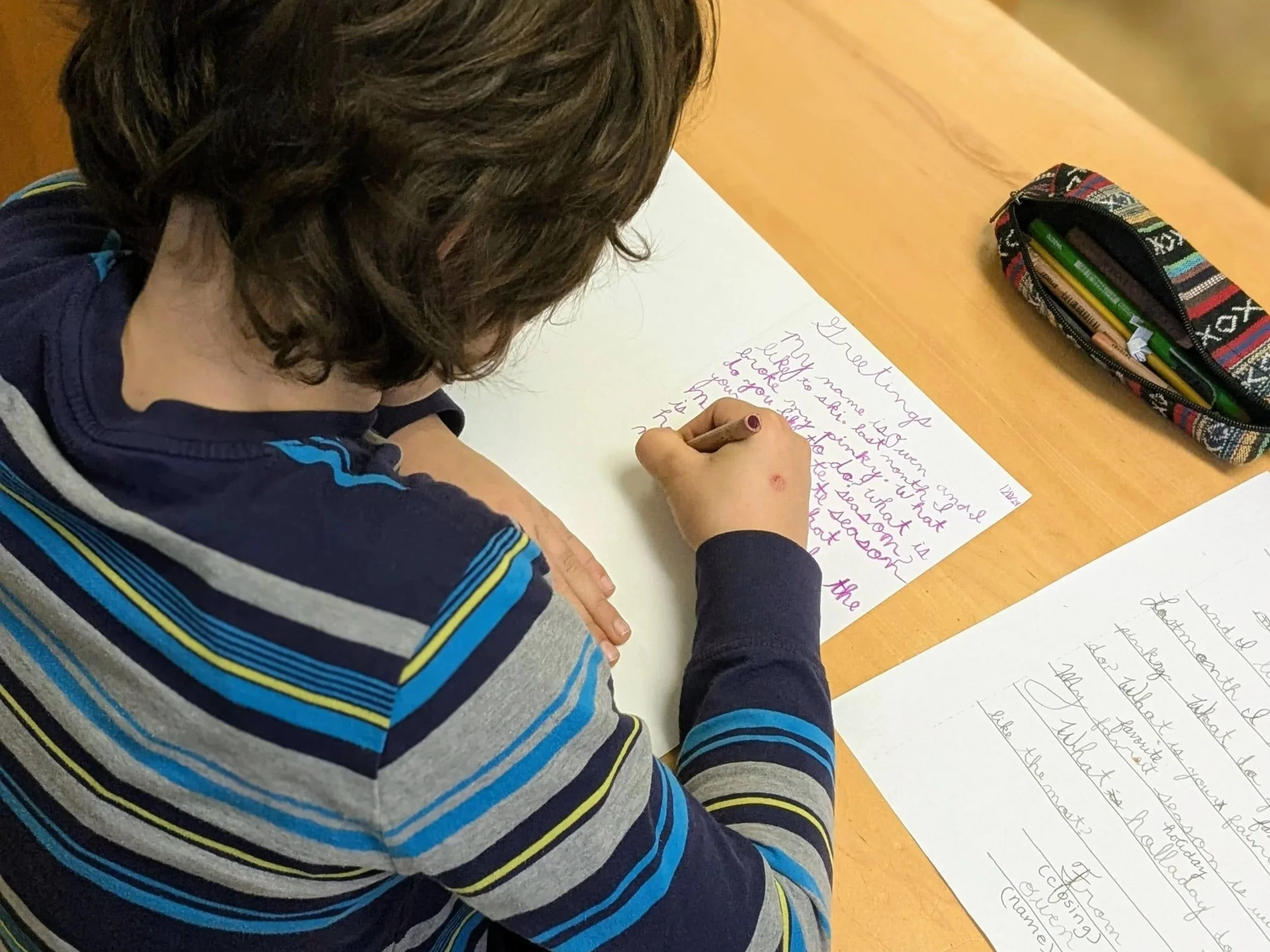
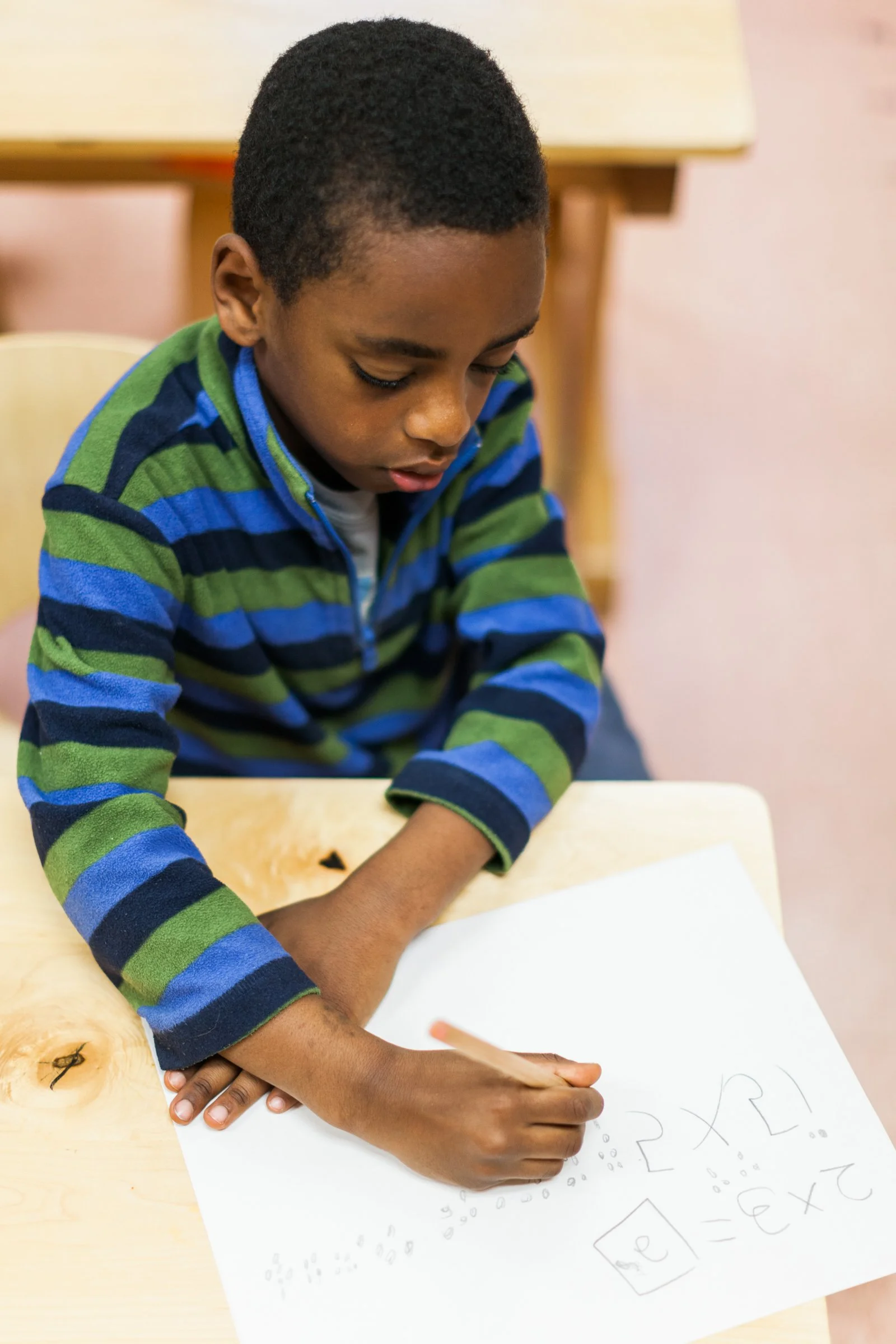
Watch a first grader carefully form a letter, tongue peeking out in concentration, and you'll witness something remarkable. They're not simply learning to write. They're developing coordination, strengthening neural pathways, cultivating patience, and discovering that their thoughts can take beautiful shape in the world.
In an age when children increasingly communicate through keyboards and touchscreens, handwriting can seem like a relic of another era. Yet at Whatcom Hills Waldorf School, handwriting remains an essential part of every child's educational journey, nurturing capacities that reach far beyond penmanship.
Writing by hand engages the head, heart, and hands all at once.
From Movement to Meaning
In Waldorf education, writing doesn't begin with a pencil. Long before children write letters, they are preparing for them.
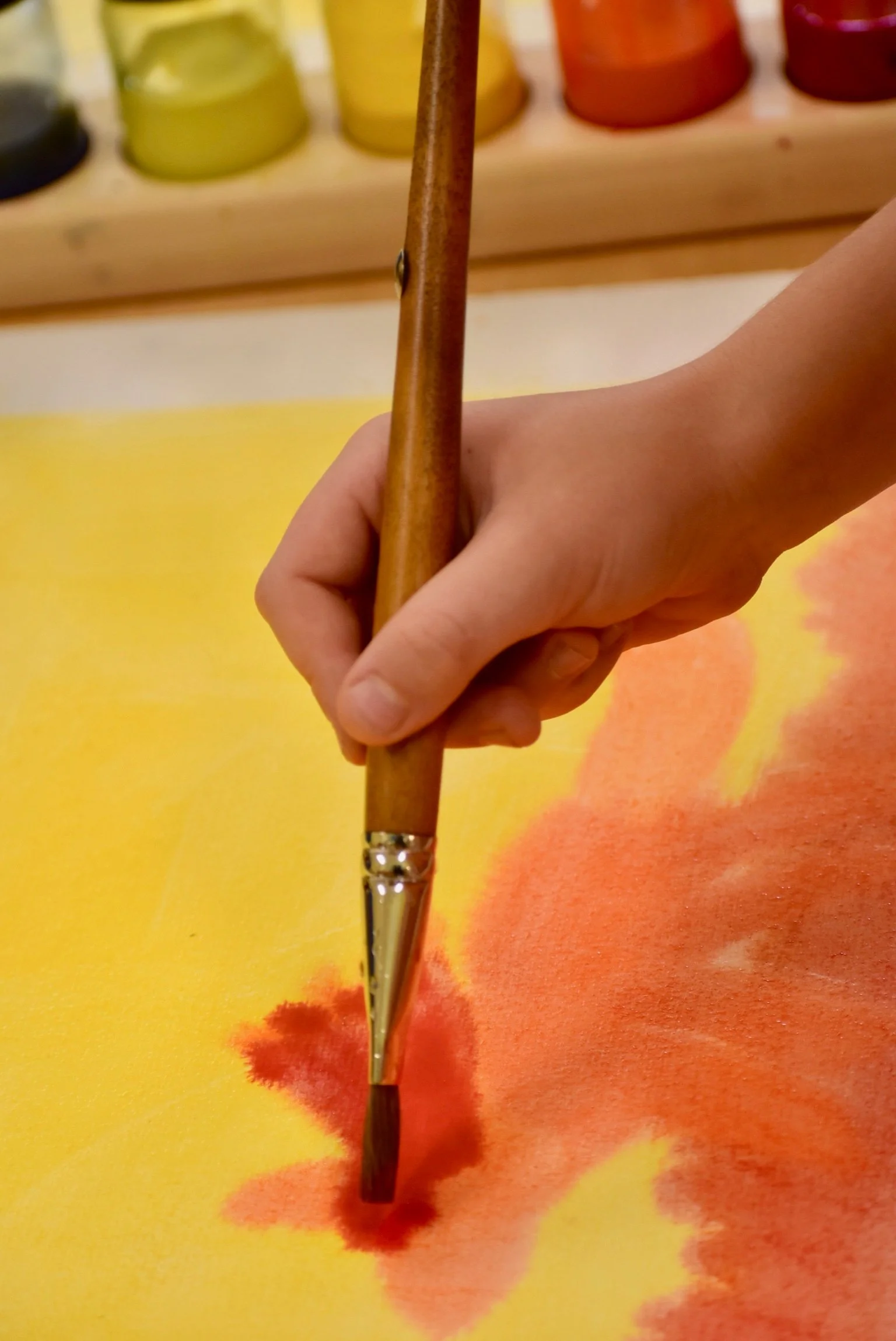
Young children strengthen their hands through kneading bread, finger knitting, beeswax modeling, watercolor painting, woodworking, climbing trees, digging in the garden, and countless hours of imaginative play. They practice crossing the body's midline, develop balance and coordination, and build the fine motor control that allows writing to emerge naturally when the time is right.
When formal writing begins, it grows from movement and experience.
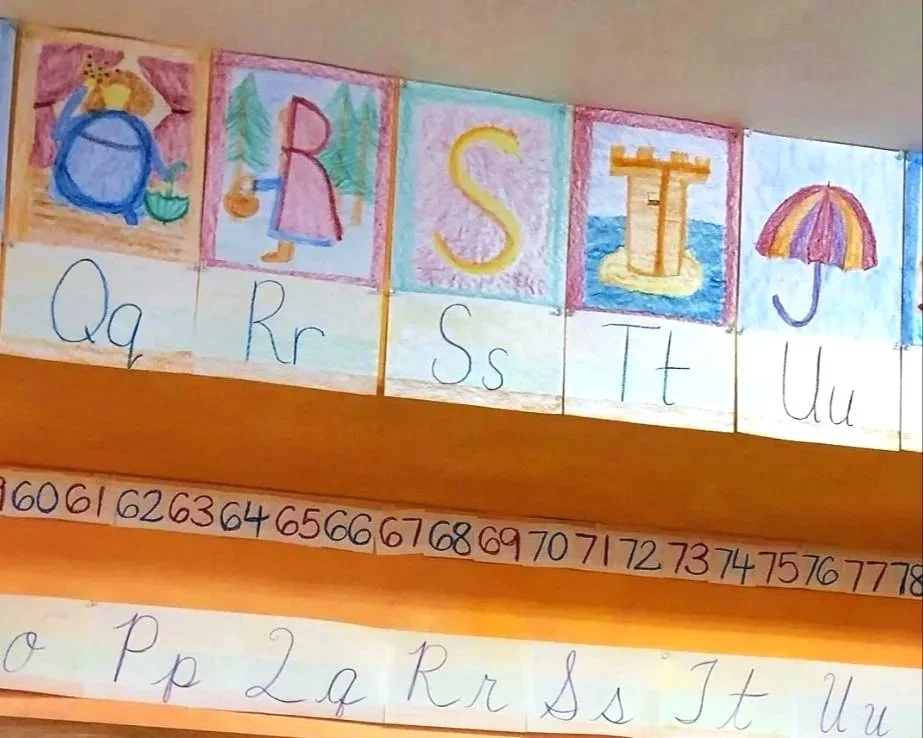
Letters are not introduced as abstract symbols to memorize, but as living forms that arise from stories, pictures, and the world around the child. Writing becomes another artistic language—a way of expressing what has first been experienced through imagination and feeling.
Writing Is Thinking Made Visible
Handwriting asks something different of us than typing.
Each letter requires intention. Every word asks for attention. The hand moves at the pace of thought, allowing ideas to unfold more slowly and more deeply.
Research increasingly supports what Waldorf educators have long observed: writing by hand activates broad networks throughout the brain that support memory, language, attention, and learning. Students are more likely to remember what they have written because they have actively participated in creating it—not simply recording information, but transforming it into their own understanding.
Recorded Learning
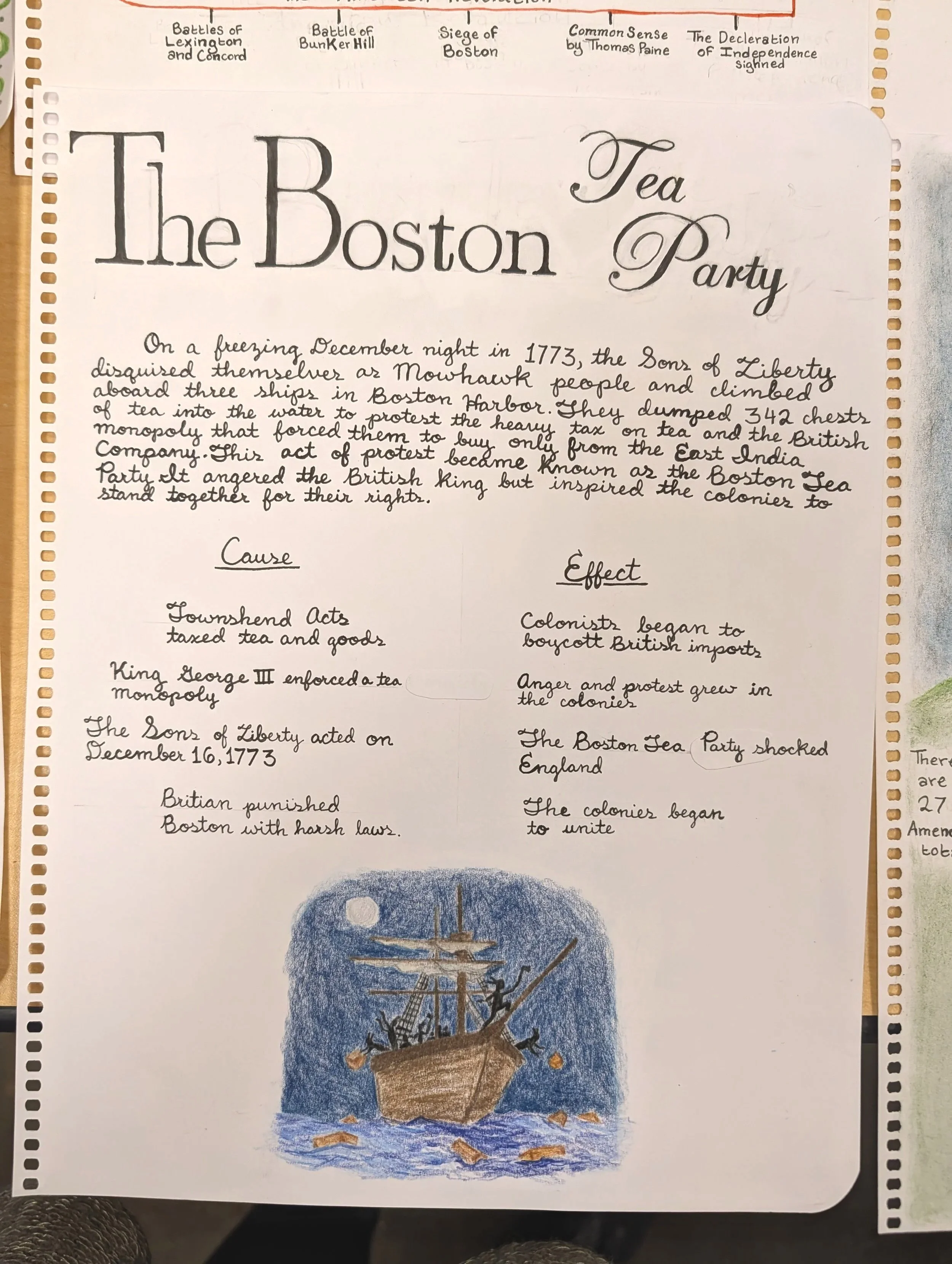
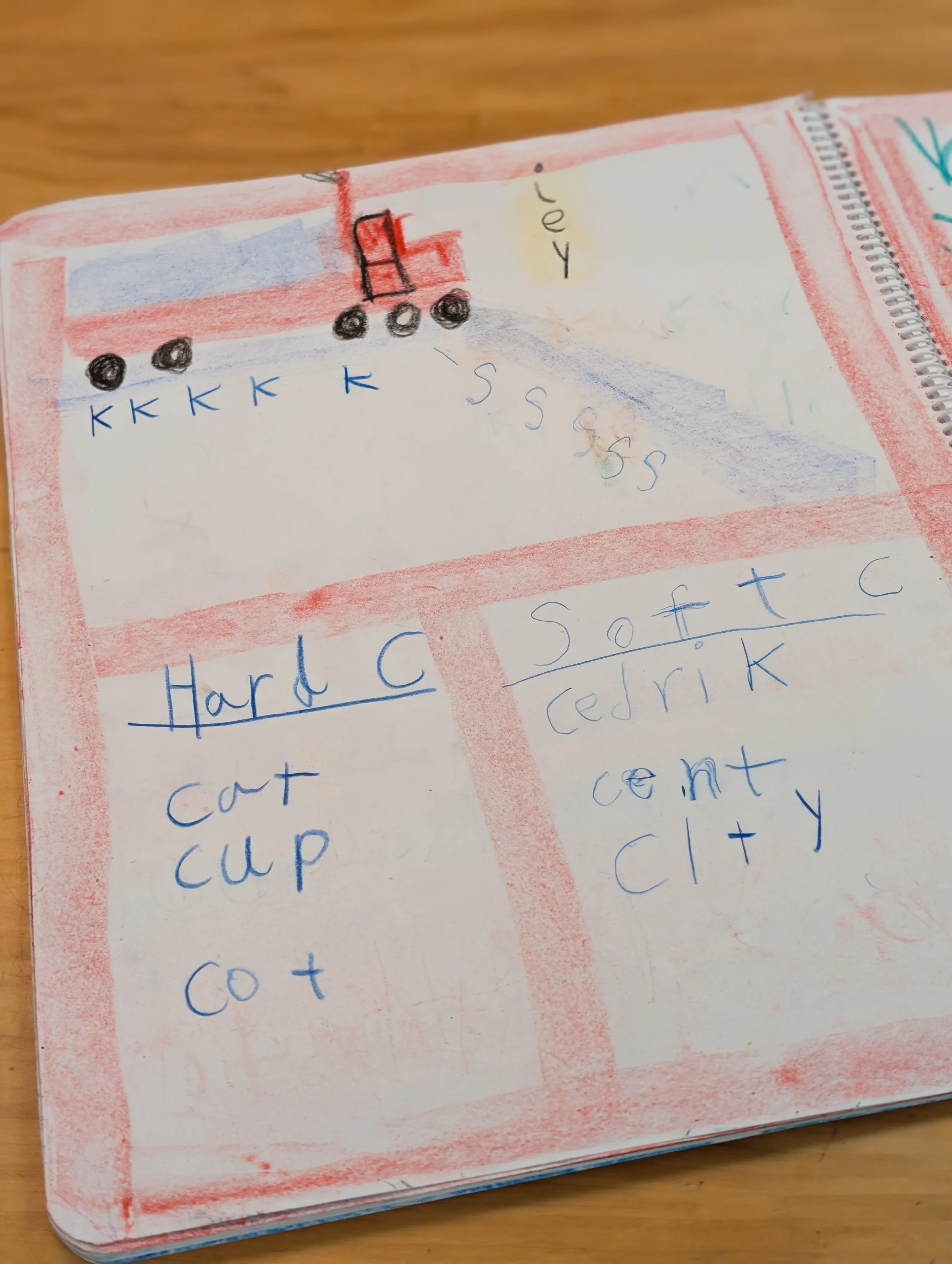
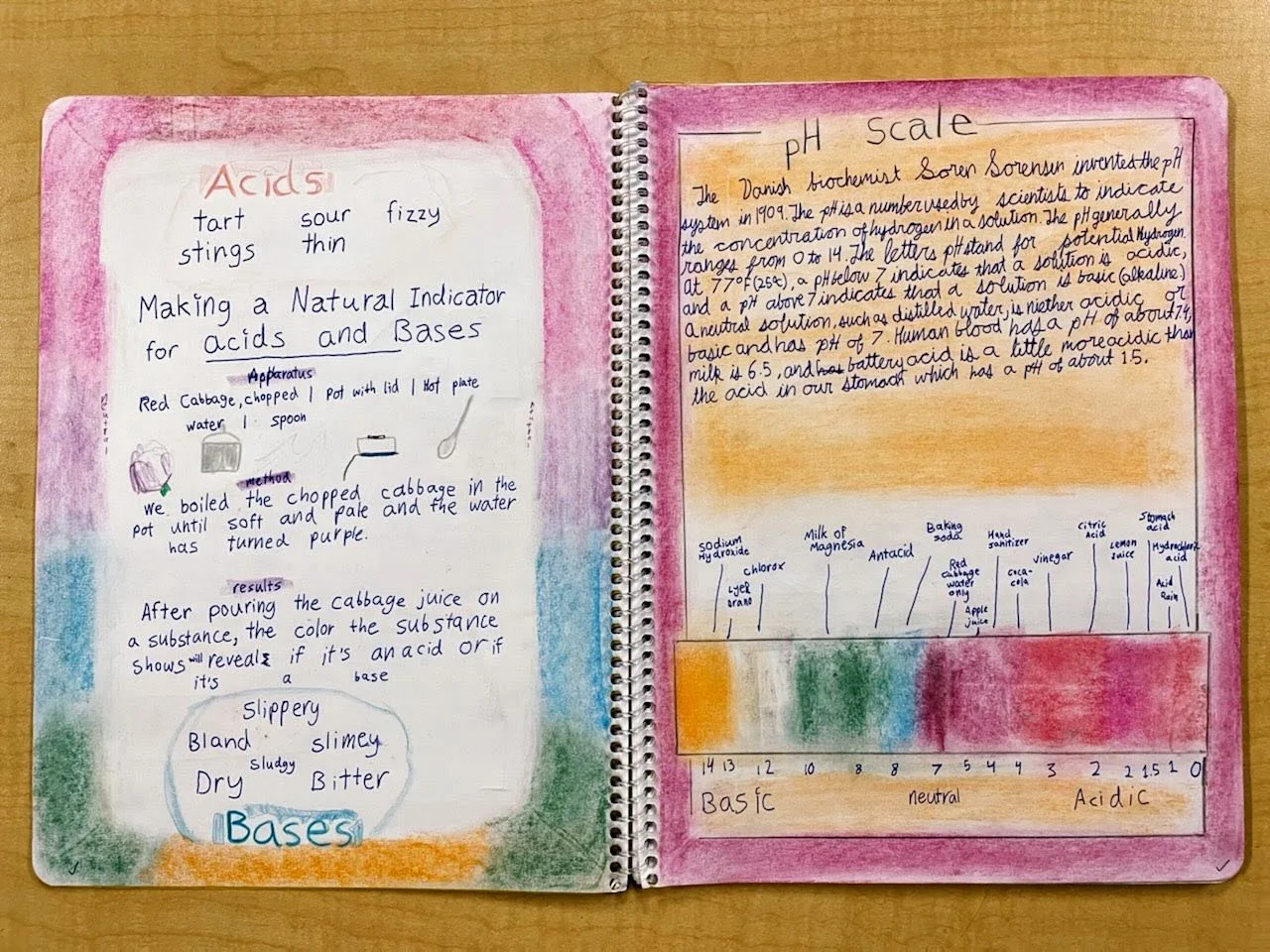
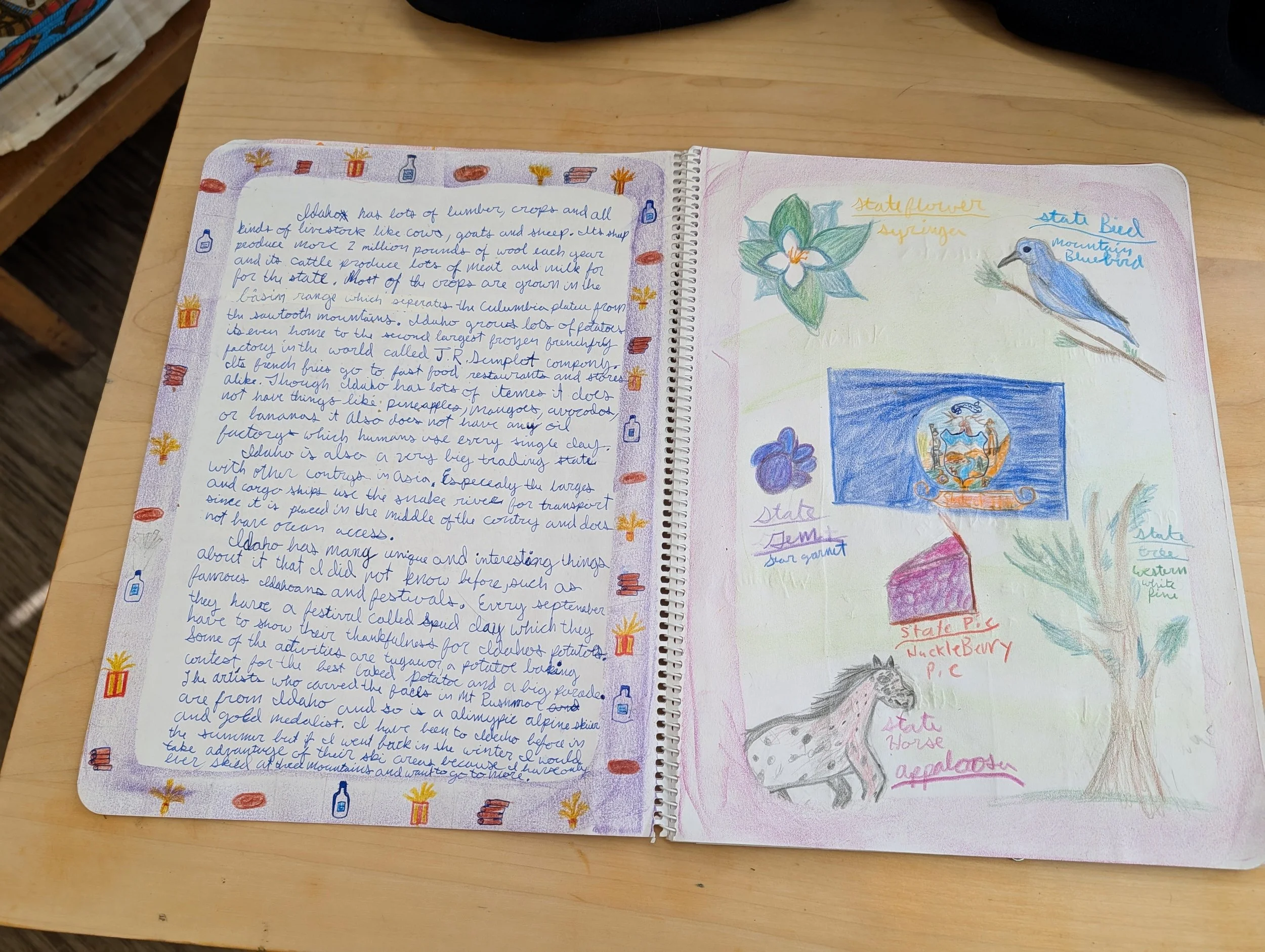
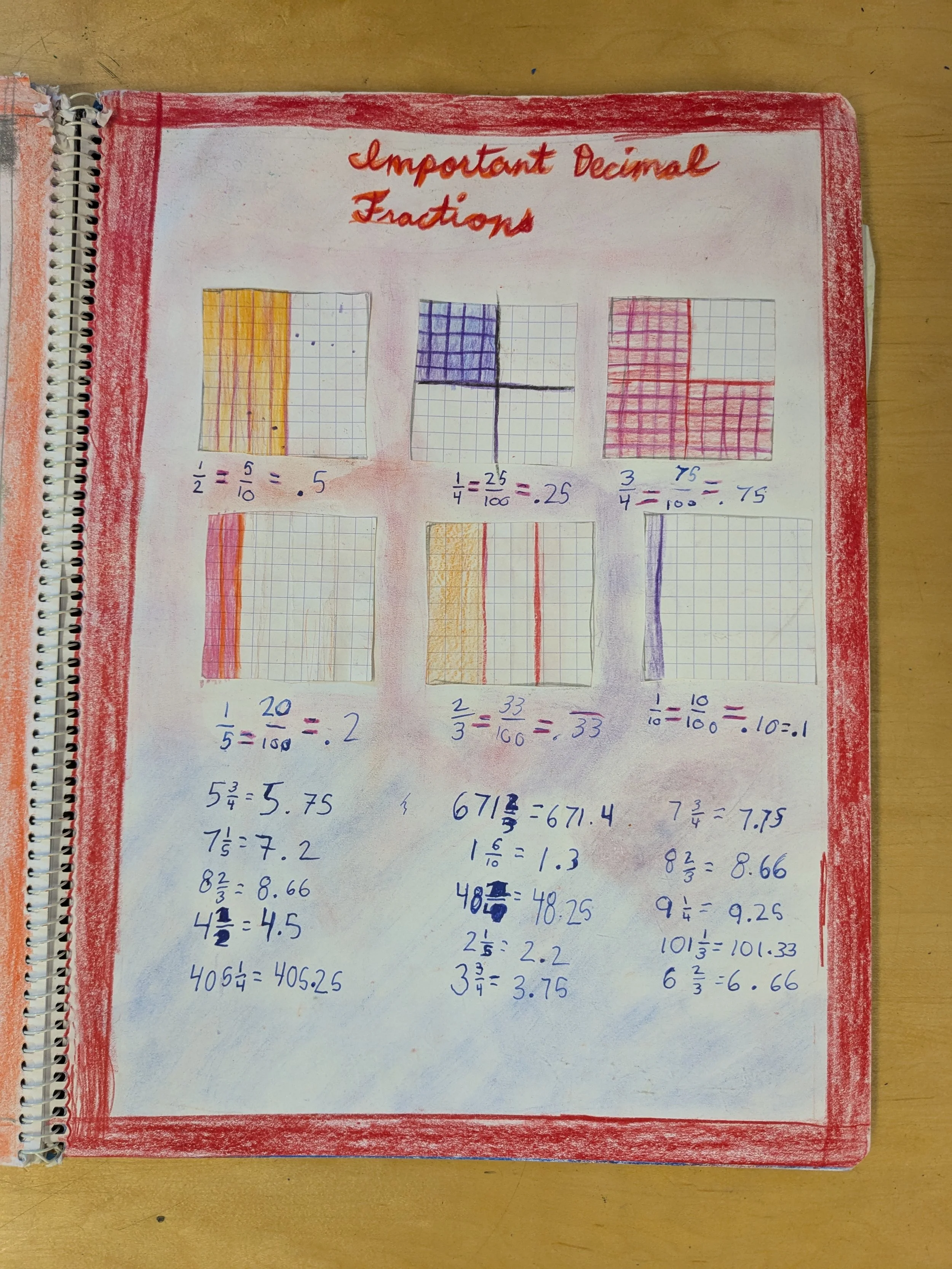
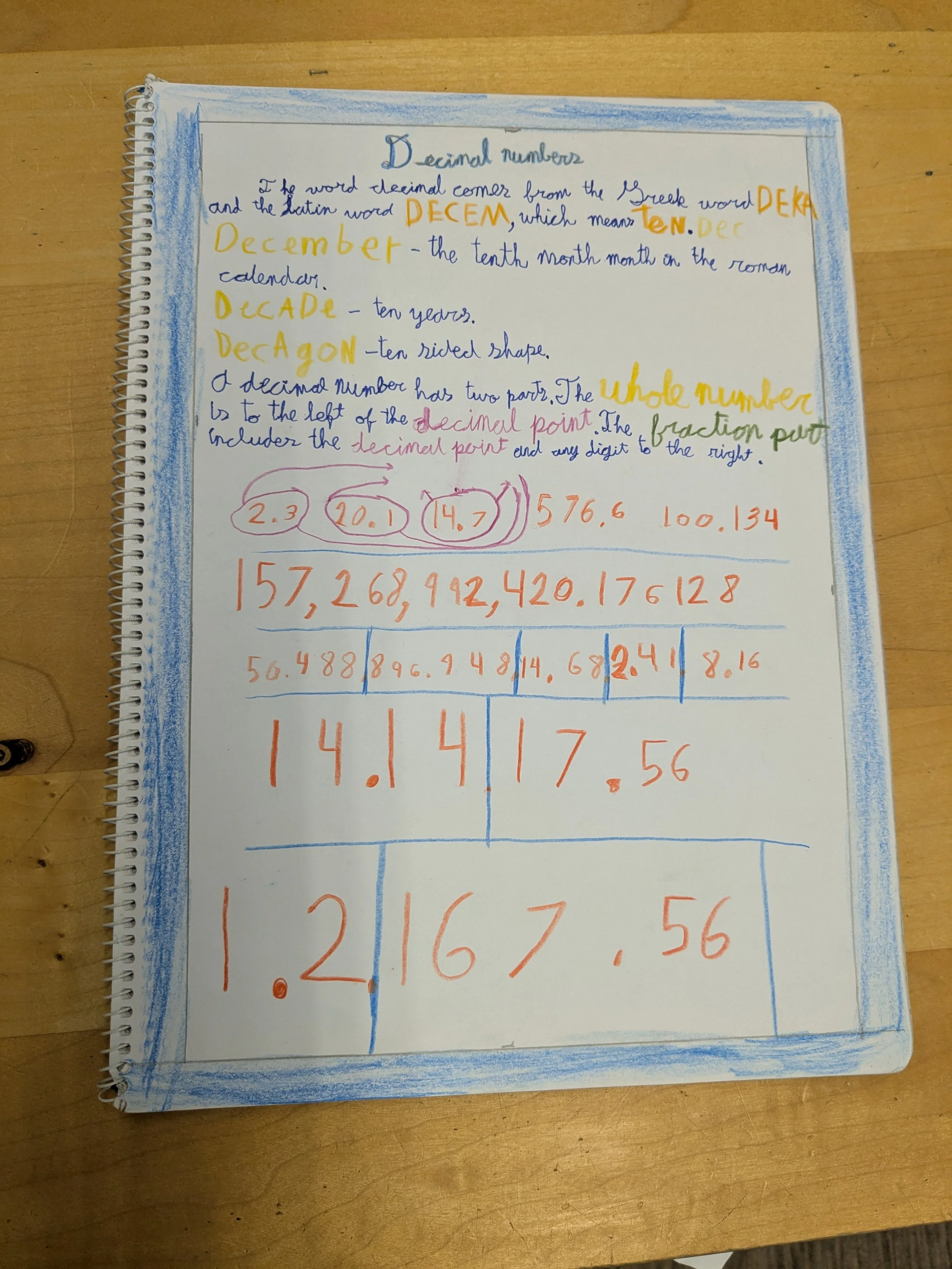
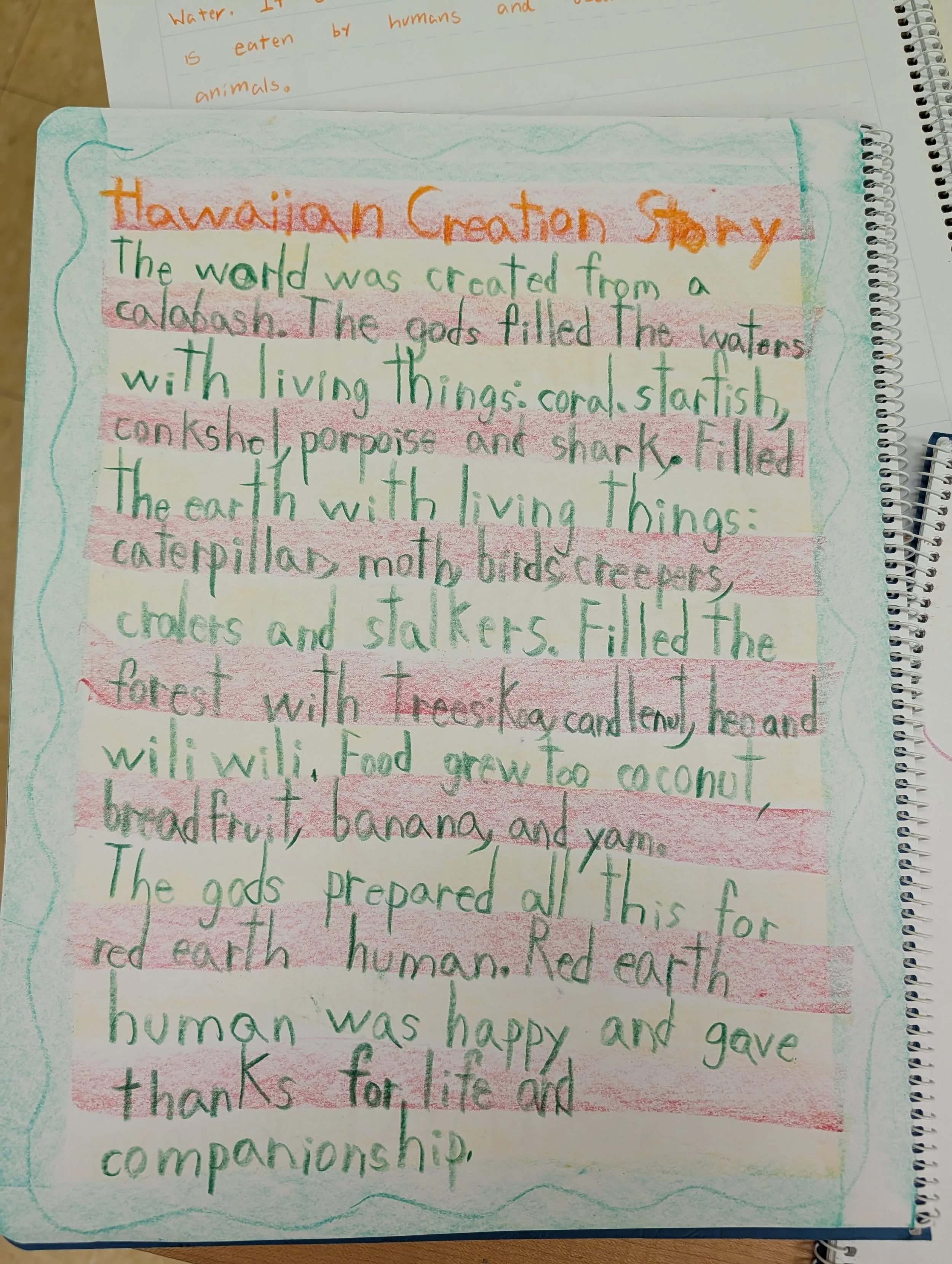
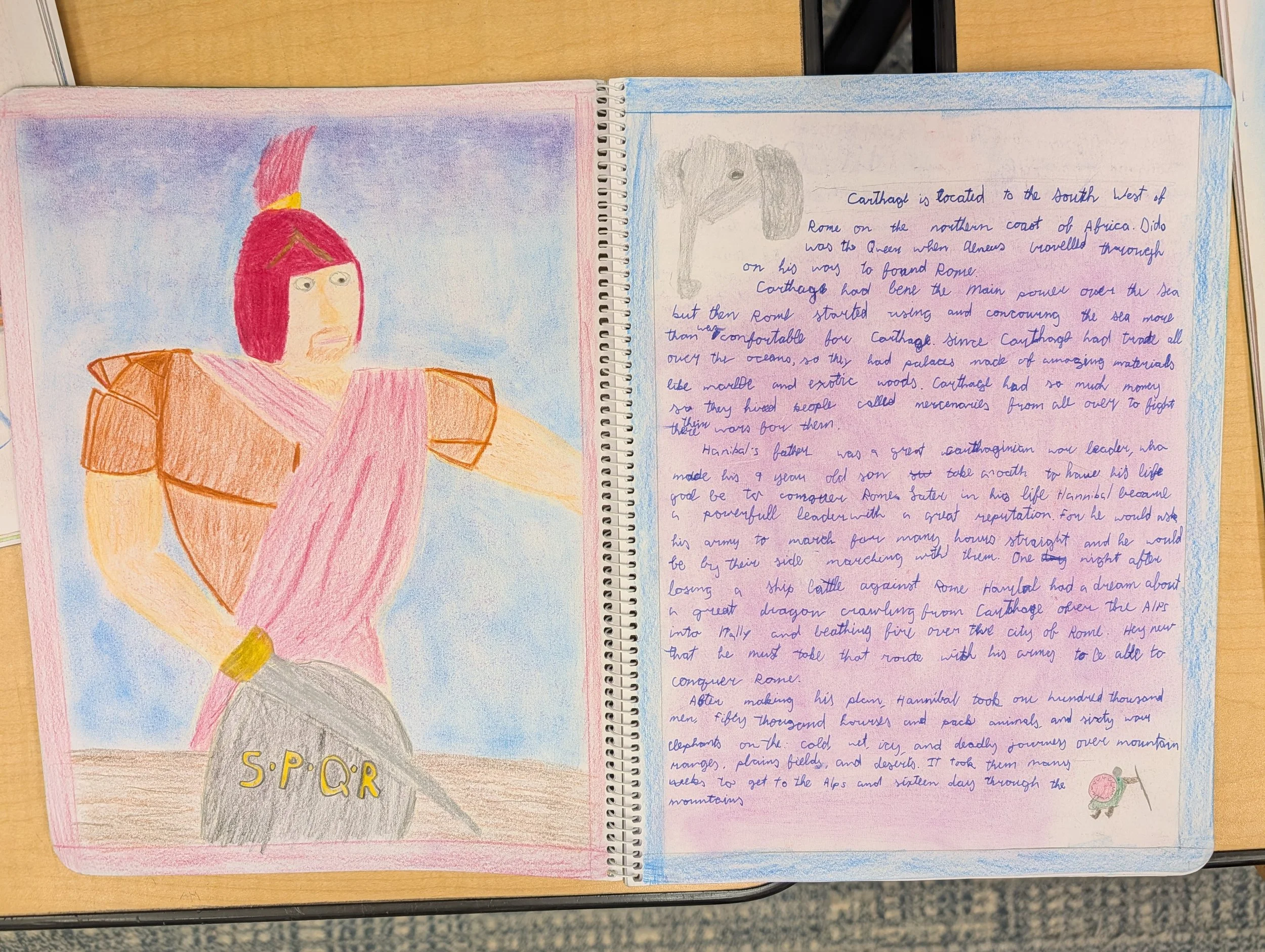
This critical synthesizing is why Waldorf students create Main Lesson Books rather than relying on preprinted textbooks or worksheets.
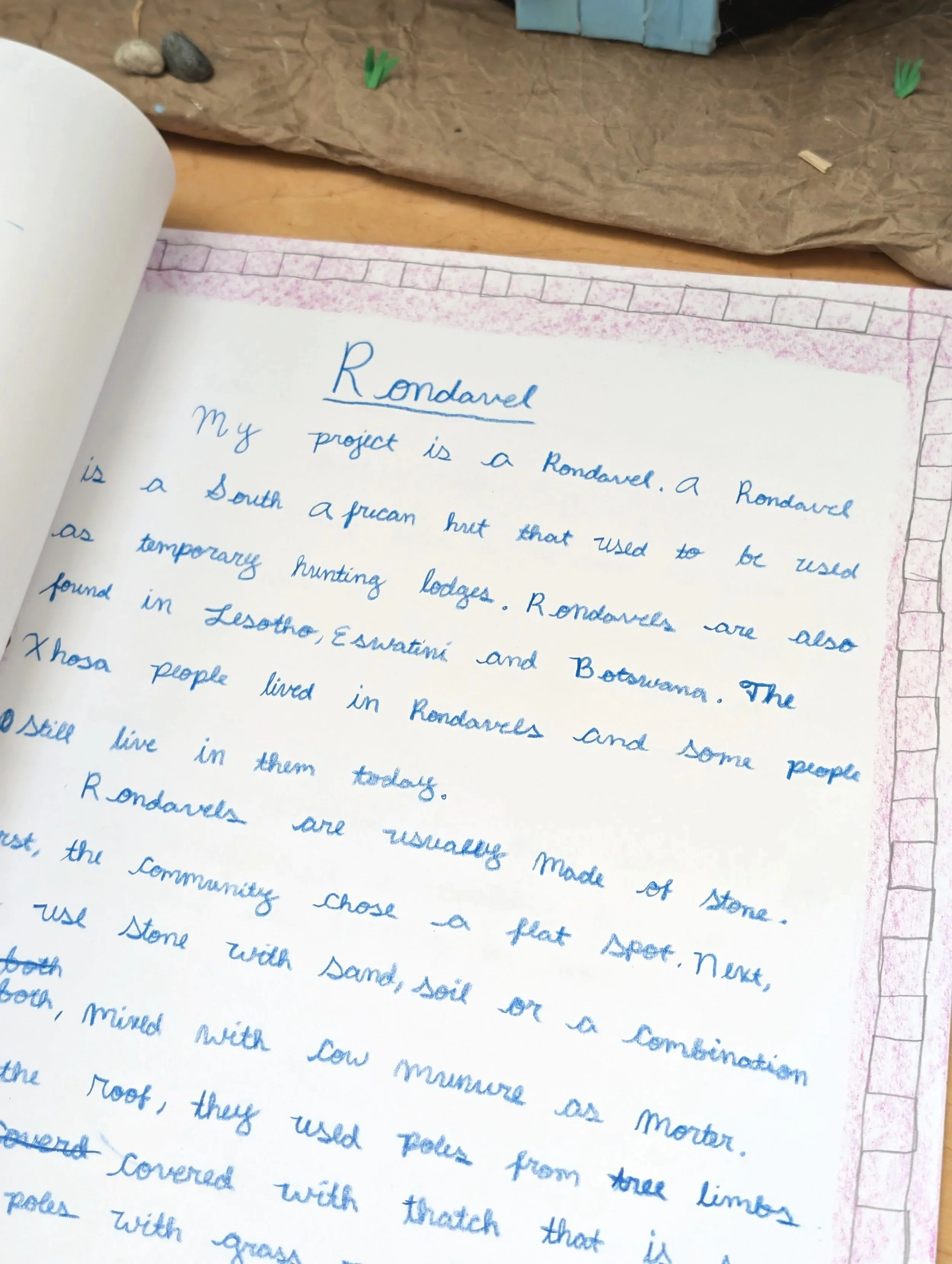
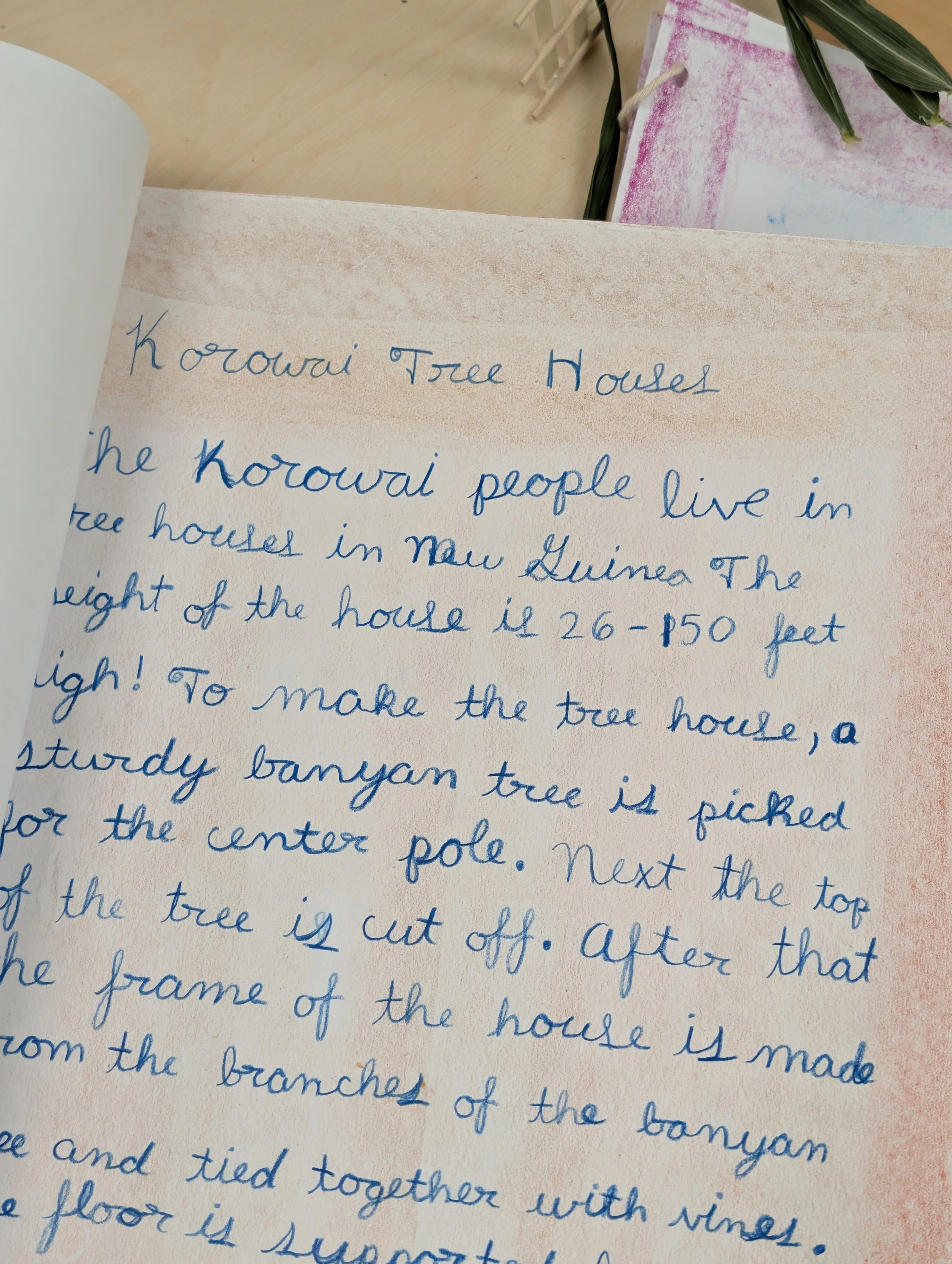
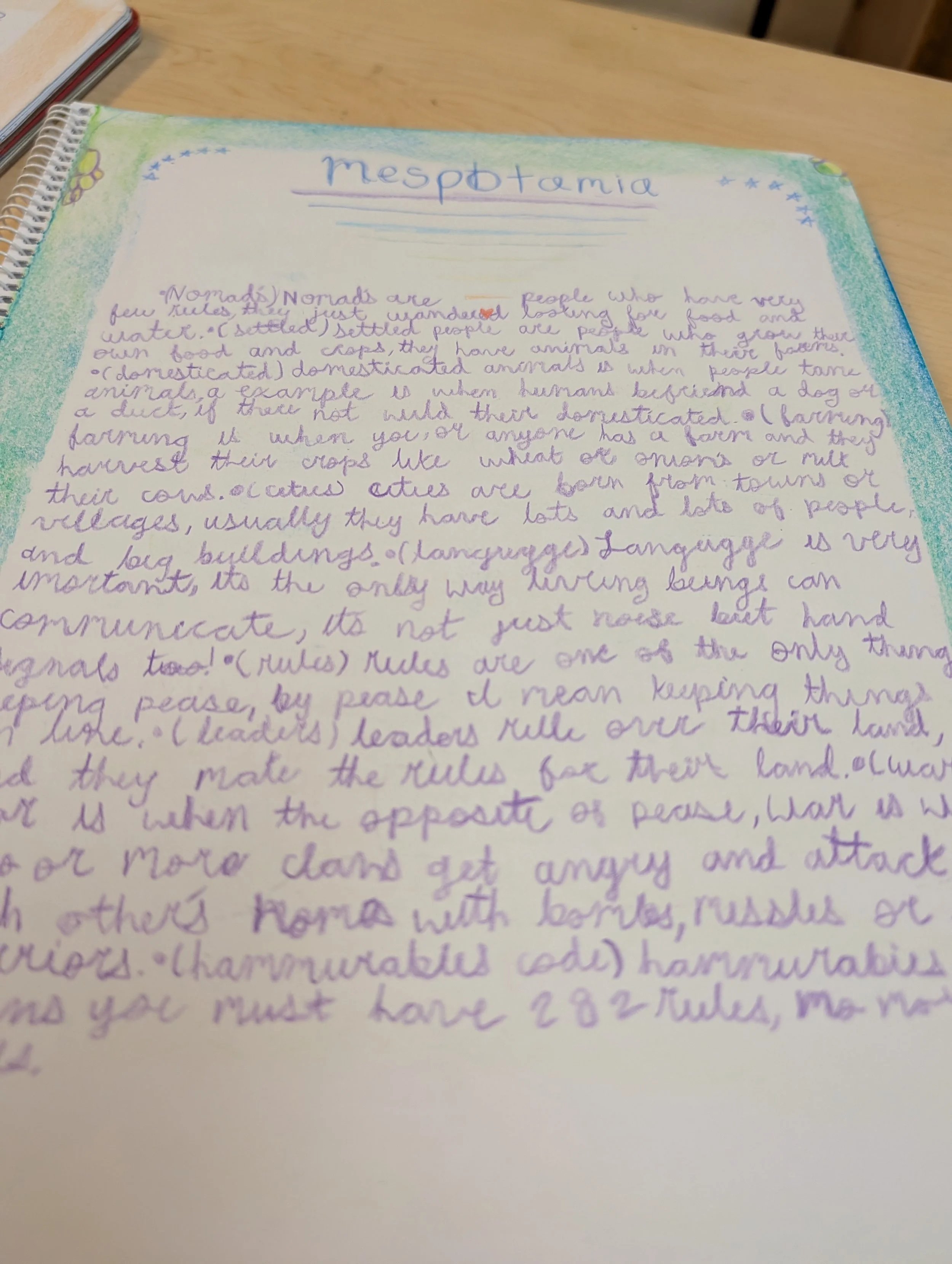
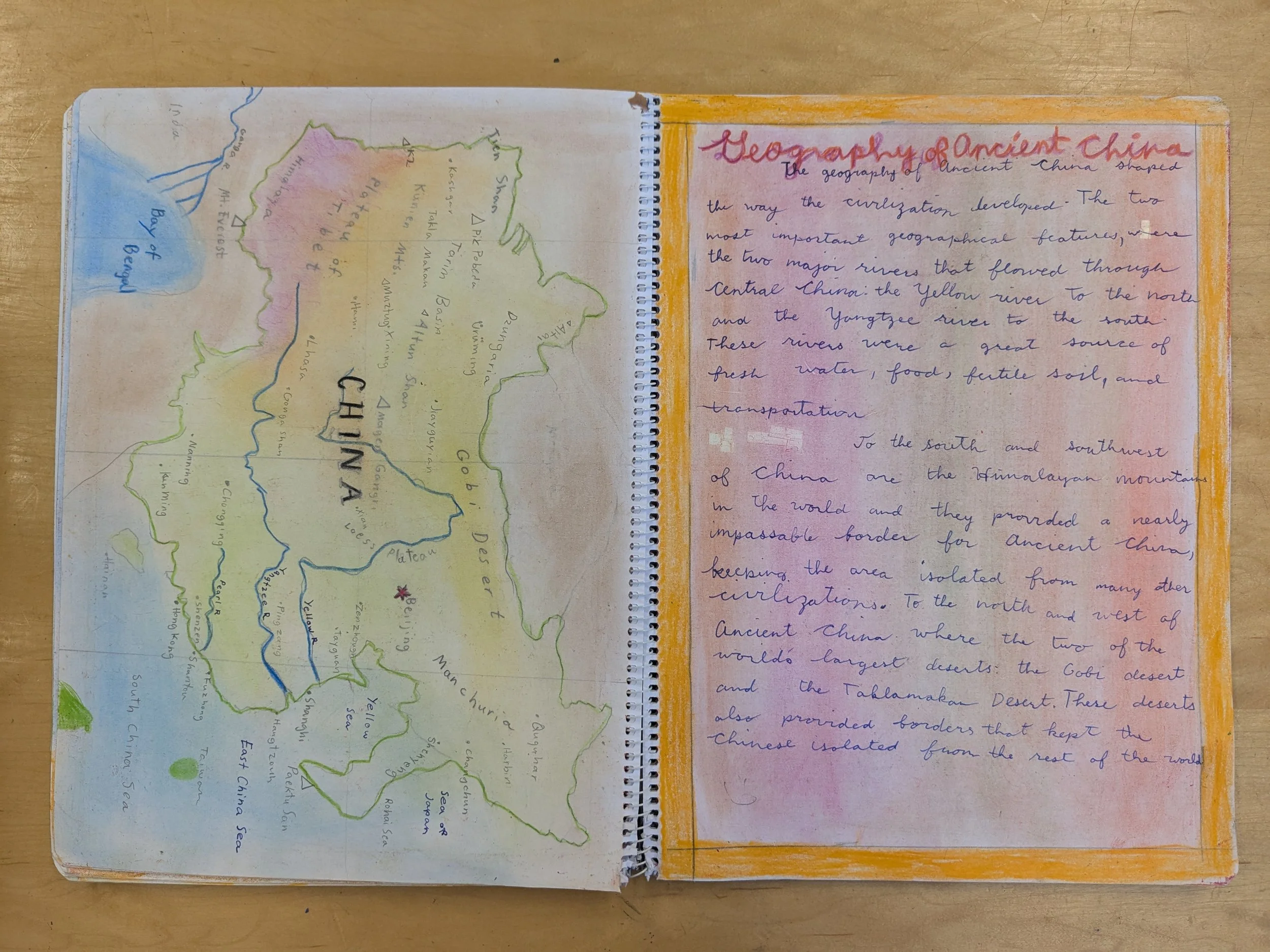
Each page becomes a personal record of learning—filled with original writing, illustrations, maps, scientific observations, poetry, mathematical discoveries, and artistic borders. As students carefully organize and illustrate their work, they are both documenting and deepening their learning.
The Beauty of Cursive
By second or third grade, students are ready to learn cursive. For many families, this can come as a surprise.
Isn't cursive becoming obsolete?
In Waldorf education, cursive writing is valued not simply for its beauty, but because it reflects a new stage of development.
Unlike printed letters, cursive flows. Each letter connects gracefully to the next, encouraging rhythm, coordination, continuity, and fluency. As writing becomes more fluid, students are freed to focus less on forming individual letters and more on expressing their thoughts.
Many students also discover that cursive simply feels more natural. The continuous movement creates a satisfying rhythm that supports both concentration and writing stamina.
Perhaps most importantly, cursive reminds us that writing is a human gesture. Every child's handwriting develops its own character over time, becoming as unique as their voice.
Slowing Down to Think
Modern technology offers remarkable tools, and Waldorf students learn to use them thoughtfully as they grow older. Yet there is also tremendous value in experiences that cannot be rushed.
Handwriting naturally slows us down. It invites careful observation, thoughtful reflection, and sustained attention—qualities that are increasingly rare and increasingly valuable.
When children spend time crafting a beautiful page, revising a sentence, or carefully illustrating an idea, they learn that worthwhile work takes patience. They discover the quiet satisfaction and pride that comes from creating something with care.
These habits of mind—perseverance, presence, creativity, and attention to detail—serve them long after the pencil has been set down.