Waldorf Music Curriculum: How Students Learn Strings from Elementary Through Middle School
Music at Whatcom Hills Waldorf School is woven thoughtfully through the grade school years, growing in depth and complexity as children themselves grow and change. Rooted in singing, movement, and listening, our music curriculum and strings program meets students developmentally—engaging the imagination in the early grades and gradually inviting greater focus, coordination, and intellectual understanding as they mature. Music is experienced first as a living art, fostering joy, confidence, and a deep sense of connection before formal technique and notation are introduced.
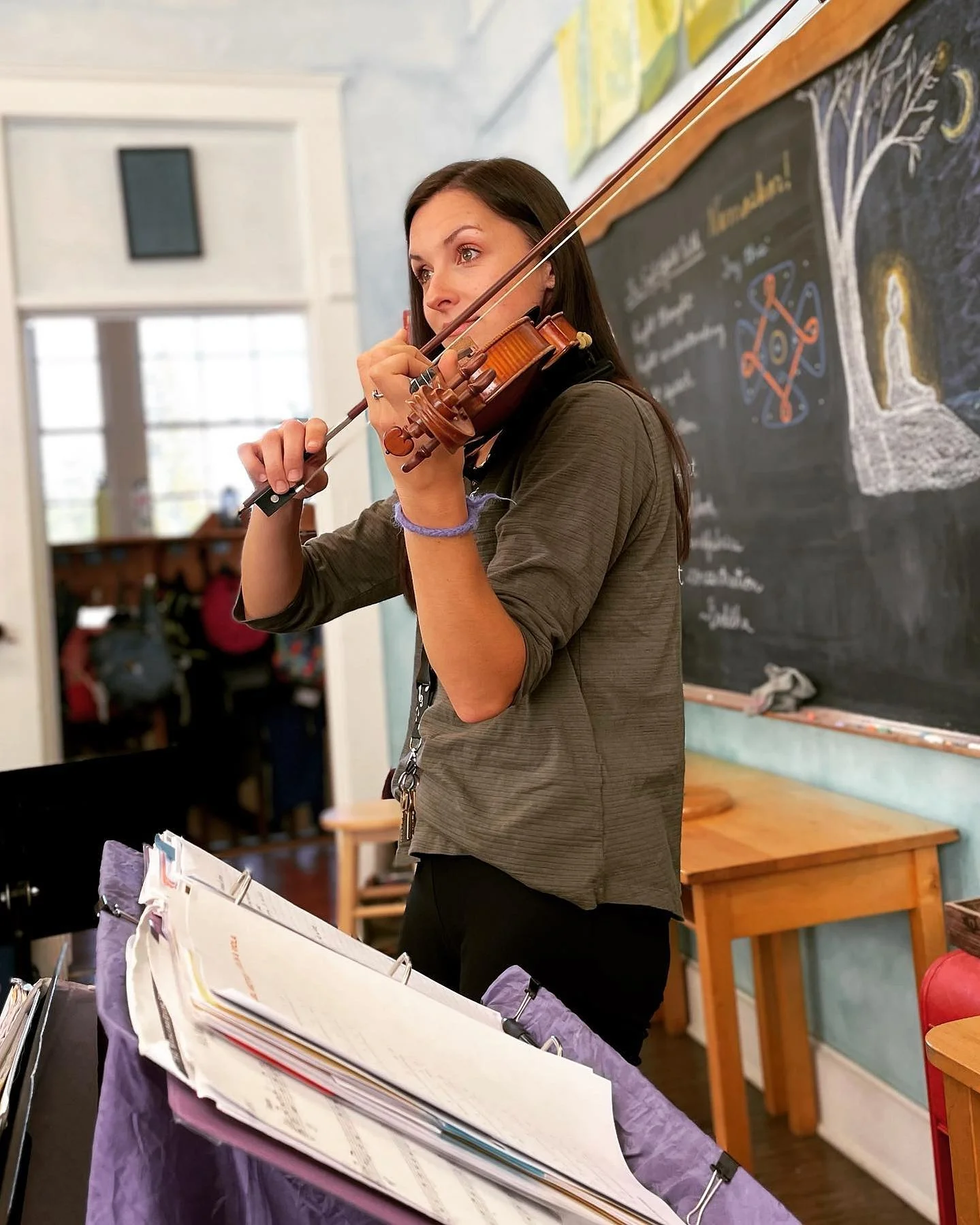
We are uniquely fortunate that our dedicated strings teacher, Liza Varon, is a Whatcom Hills Waldorf School alum herself, whose own Waldorf education informs and inspires the way music is taught and experienced in our community today! Her firsthand understanding of the developmental arc of Waldorf music education brings continuity, care, and authenticity to our classrooms.
Below is a closer look at how our strings curriculum unfolds across the grades—supporting not only musical skill, but also confidence, cooperation, and a lifelong relationship with beauty and artistic expression.
3rd Grade Music: Third grade students experience music through singing, movement, and playful exploration. Through folk songs, clapping games, and circle dances, they develop a strong sense of rhythm, phrasing, and musical form. Students are gently introduced to music notation, learning to recognize and work with basic rhythmic and melodic symbols. An exciting addition to their musical journey is the use of C flutes. Through improvisation and guided composition, students begin to create their own simple melodies and rhythms, laying the groundwork for future instrumental study.
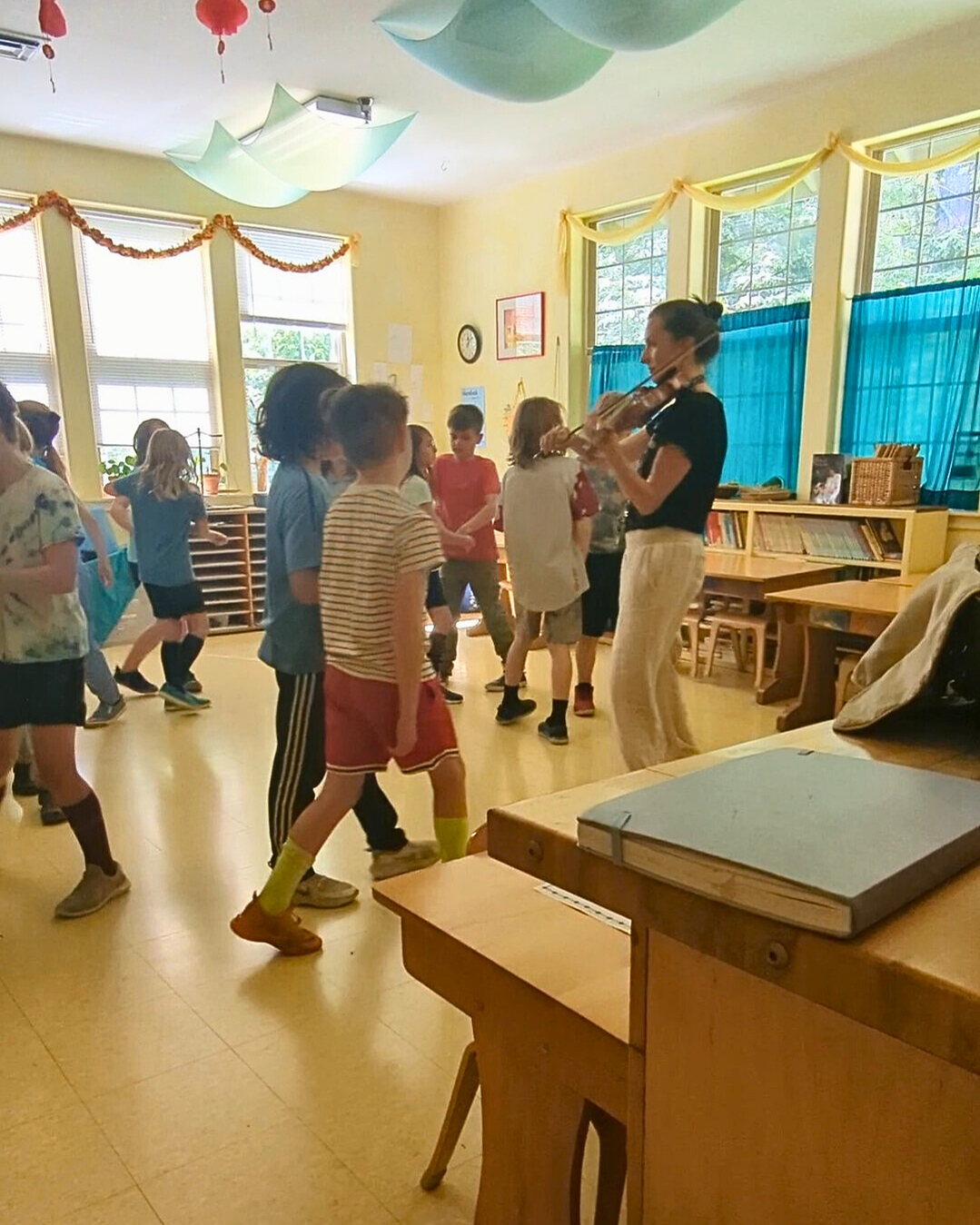
4th Grade Strings: Fourth grade students begin their formal journey into instrumental music by choosing and learning a string instrument - violin, viola, or cello. This year focuses on building strong foundations: posture, bow hold, tone production, and finger placement. Students spend time developing comfort and confidence with their instruments through listening, imitation, and ensemble work. While formal music notation is not yet utilized, students learn through ear training, repetition, and muscle memory. They play simple melodies in multiple parts together as an orchestra, laying the groundwork for future note reading and deeper musical understanding.
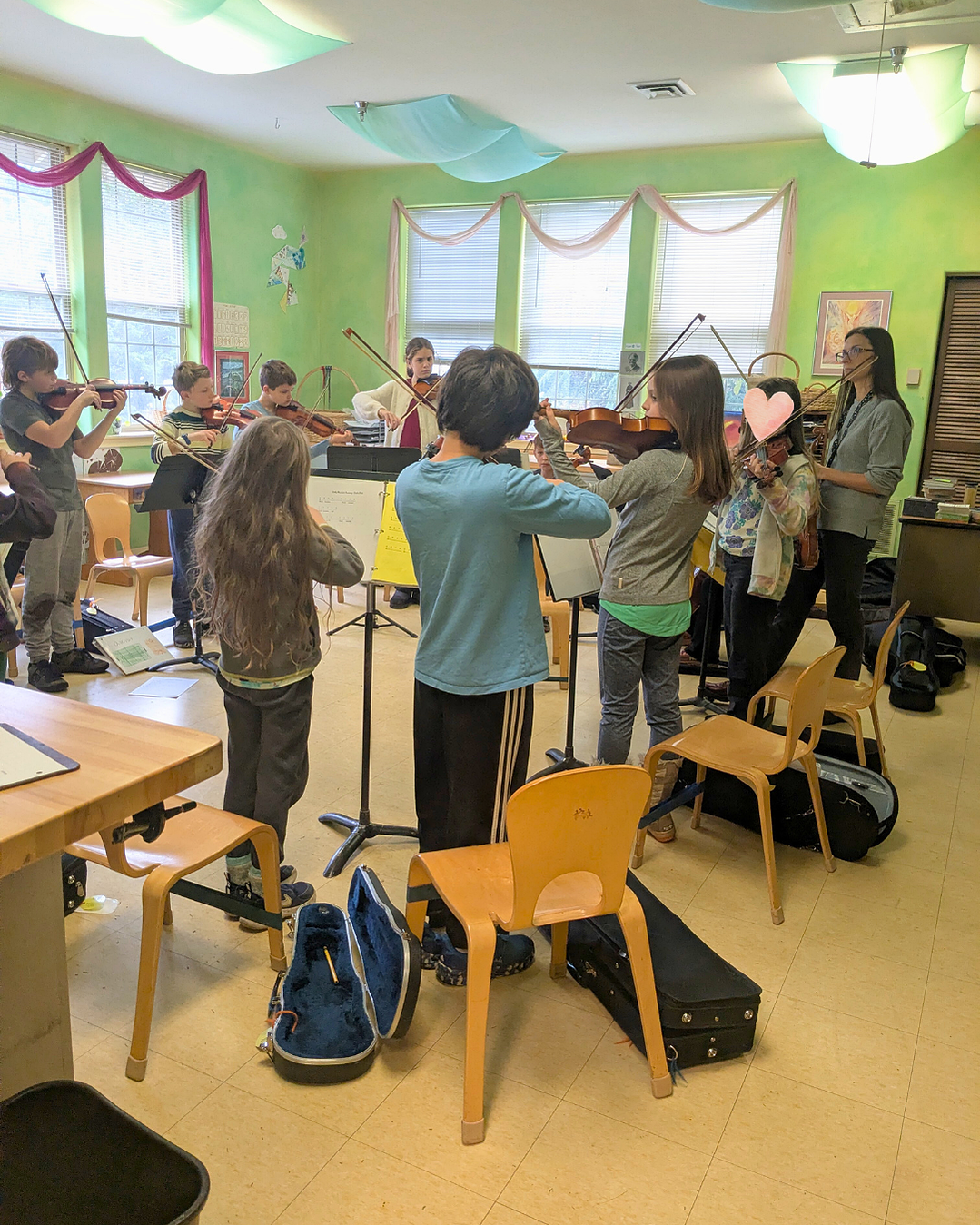
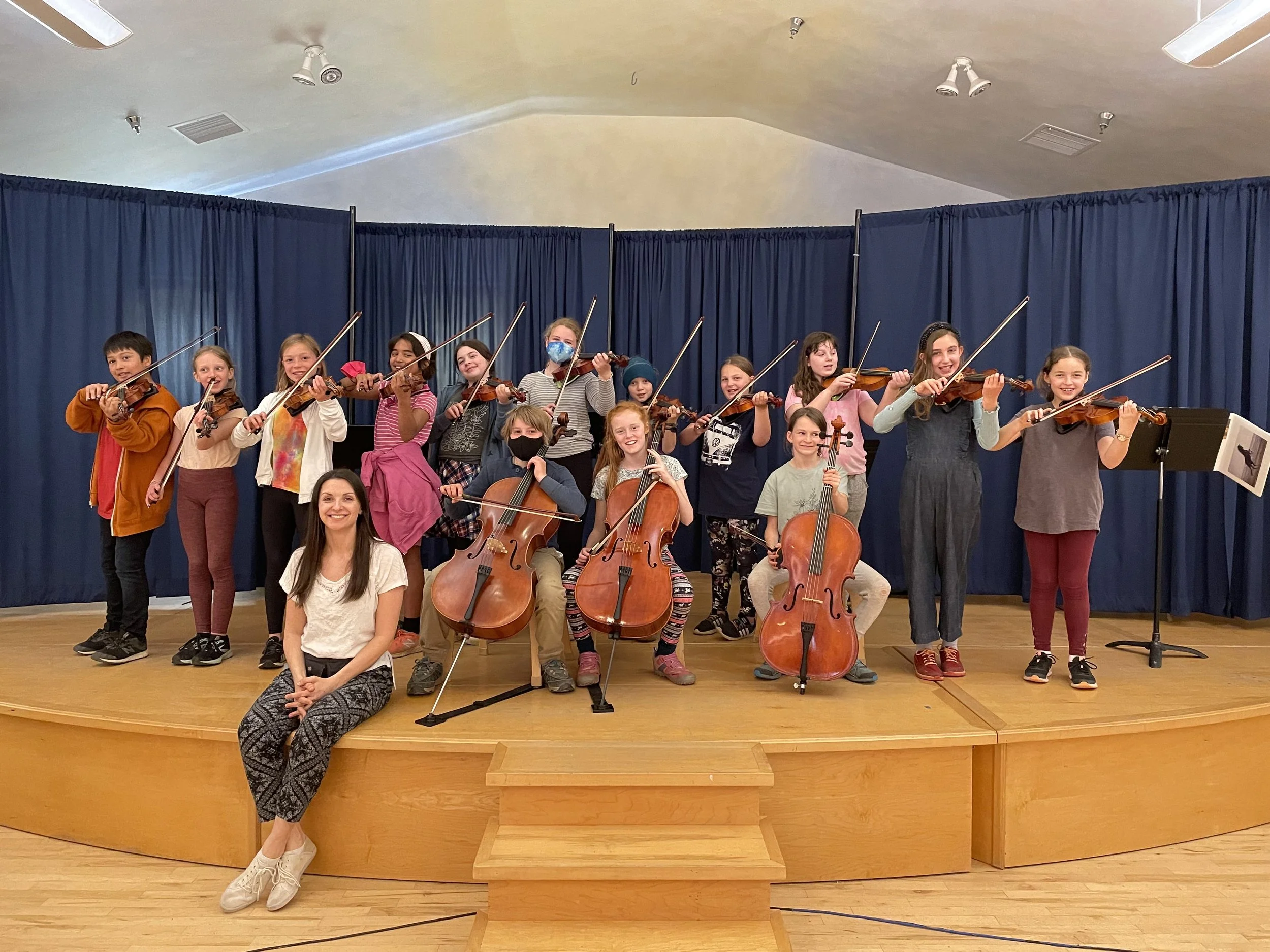
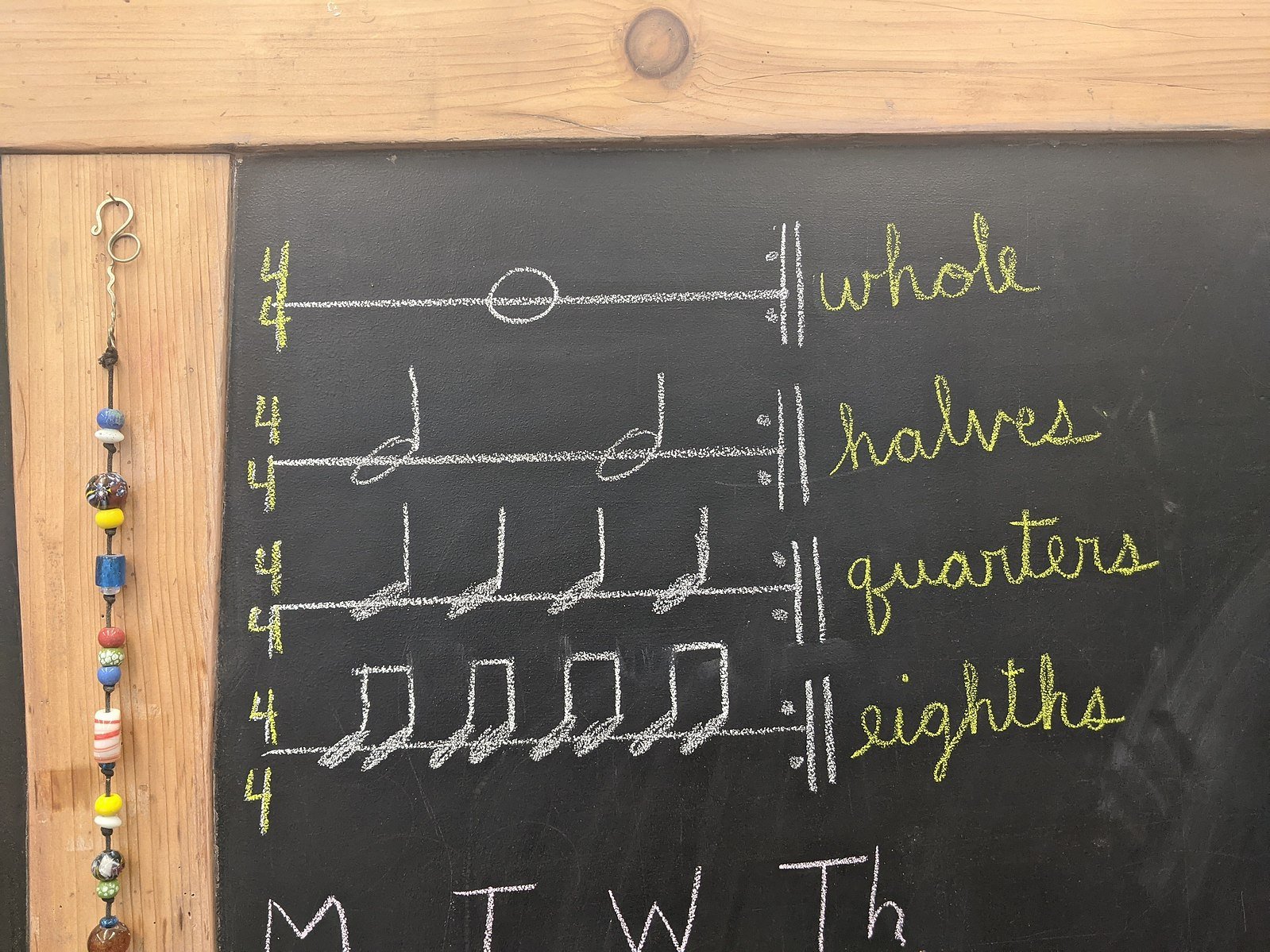
5th Grade Strings: Fifth grade students build upon their instrumental skills with growing independence and coordination. A key development is the introduction of music notation and note reading. Students begin reading music on the staff and applying it to their string instruments, reinforcing rhythm, pitch, and musical form. They also learn to play in multiple parts, developing their listening skills and sense of ensemble. The repertoire includes both folk and classical selections, offering opportunities for expression and teamwork.
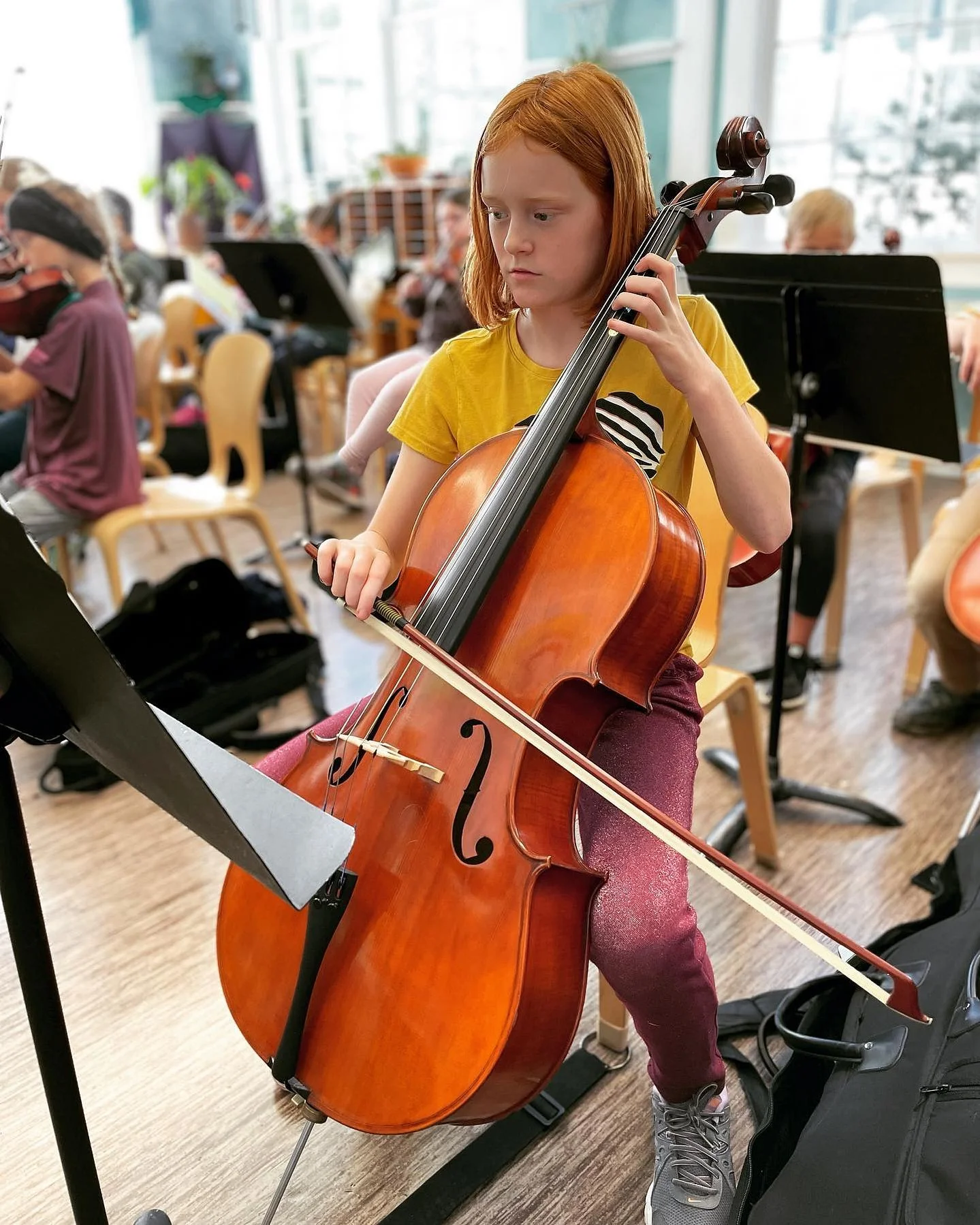
6th Grade Strings: Sixth grade strings brings a new level of refinement to students’ musical development. In this year they solidify their note reading skills across all strings and become more fluent in playing written music with accuracy and expression. Students expand their technique with early shifting and more complex bowing, while also exploring a wider dynamic range. Ensemble playing also grows stronger as students learn to balance their parts within the orchestra and respond more sensitively to the conductor and to one another. Musicality, expression, and awareness deepen throughout the year, as students begin to shape their sound with greater intention and musicality.
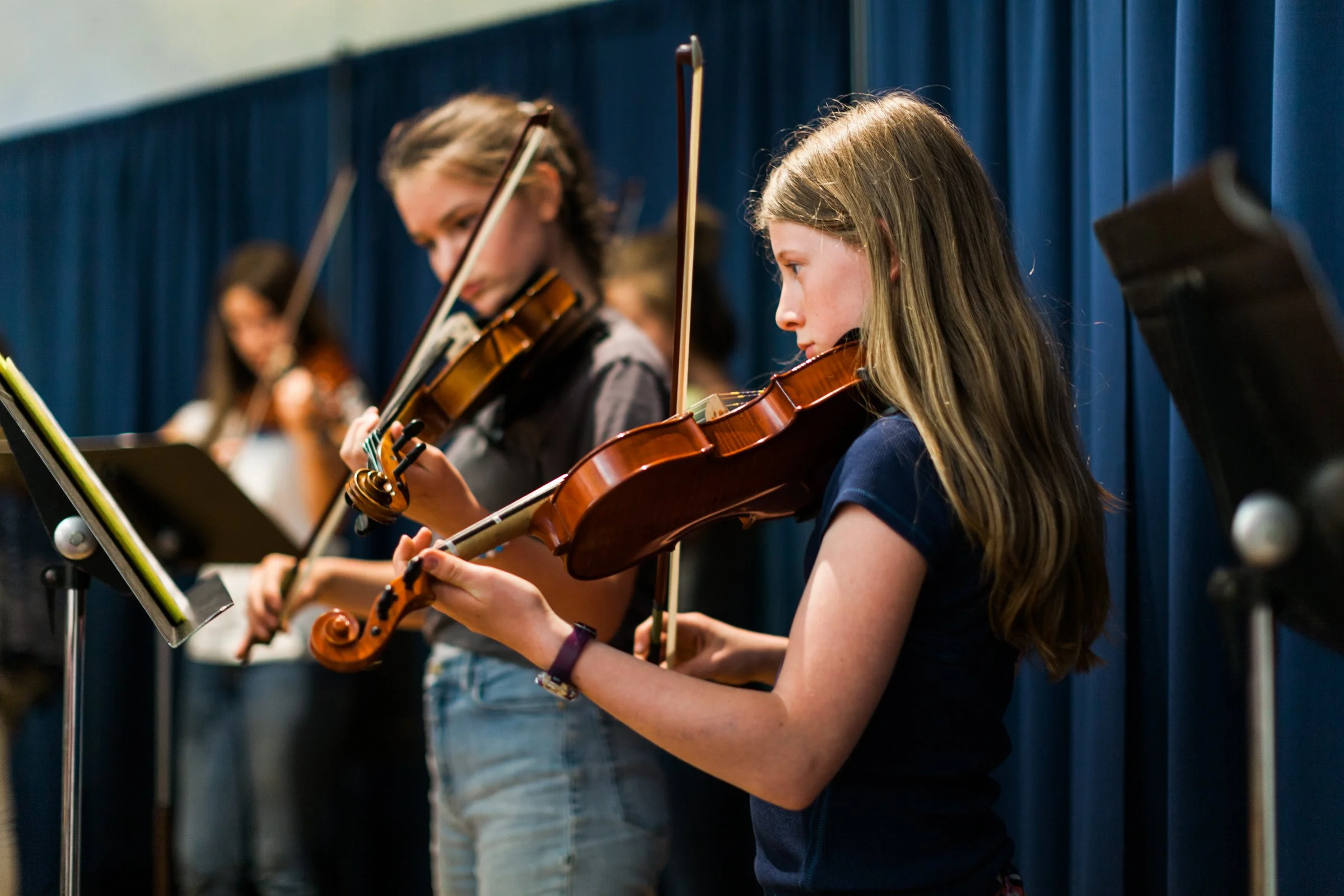
Middle School Orchestra: The 7th and 8th grade combined orchestra musicians bring maturity and depth to their ensemble work. With solid foundational skills in place, students explore a wide range of musical styles: from lyrical and expressive works to lively, rhythm-driven pieces. They expand their technical toolkit with new bowing techniques, shifting to higher positions, and greater attention to tone, dynamics, and articulation. The orchestra takes on more challenging repertoire that requires flexibility, strong listening, and ensemble coordination. Students work collaboratively, supporting one another as they develop both their individual voices and their collective sound. Through these experiences, they grow into confident, capable musicians who can engage with and contribute meaningfully to the musical world around them.
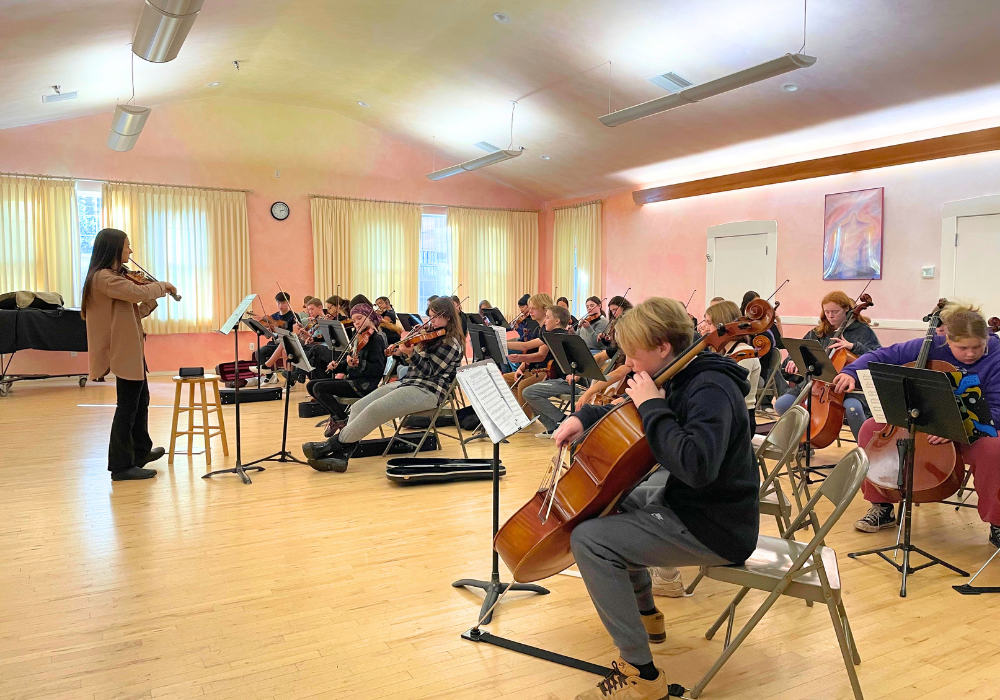
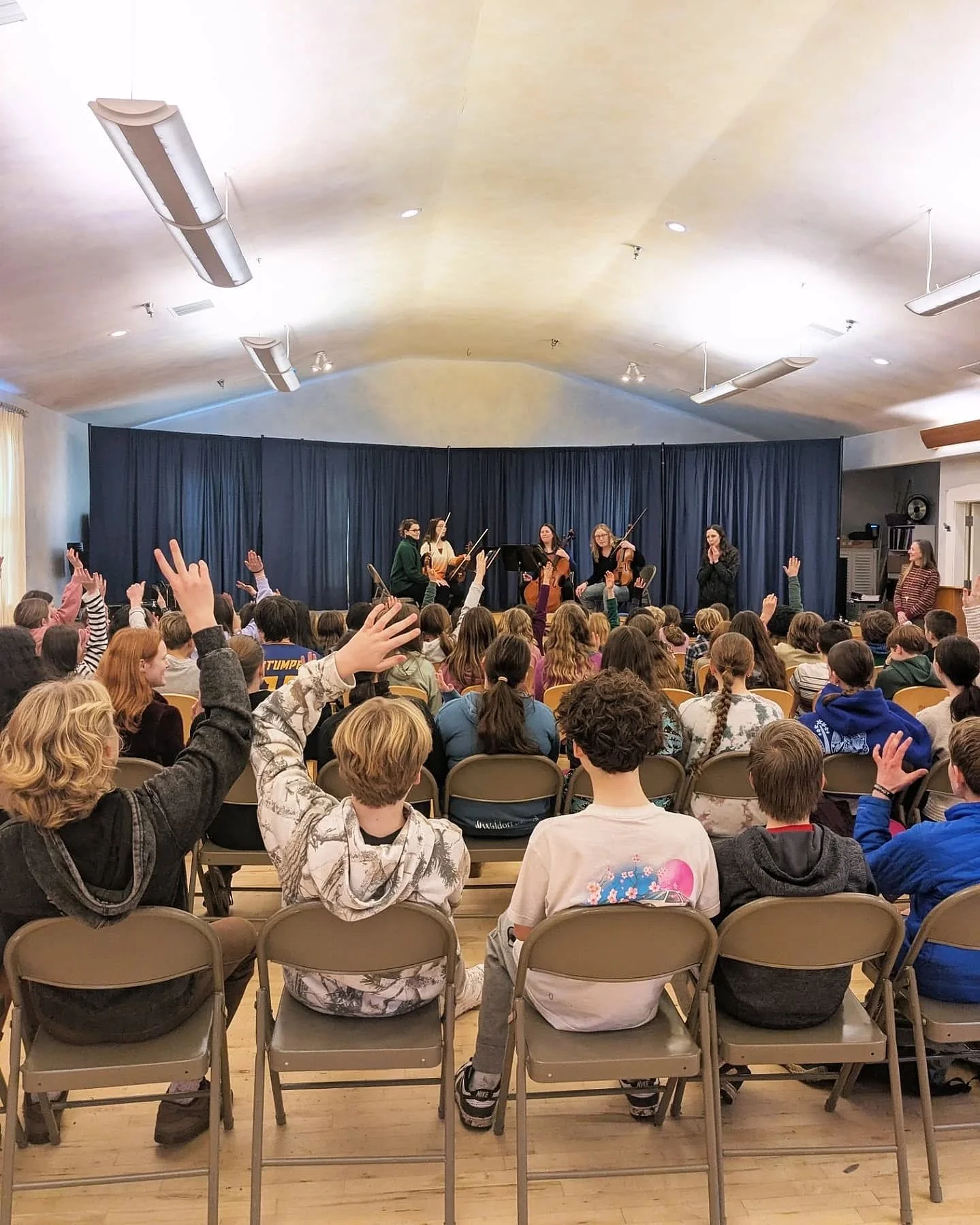
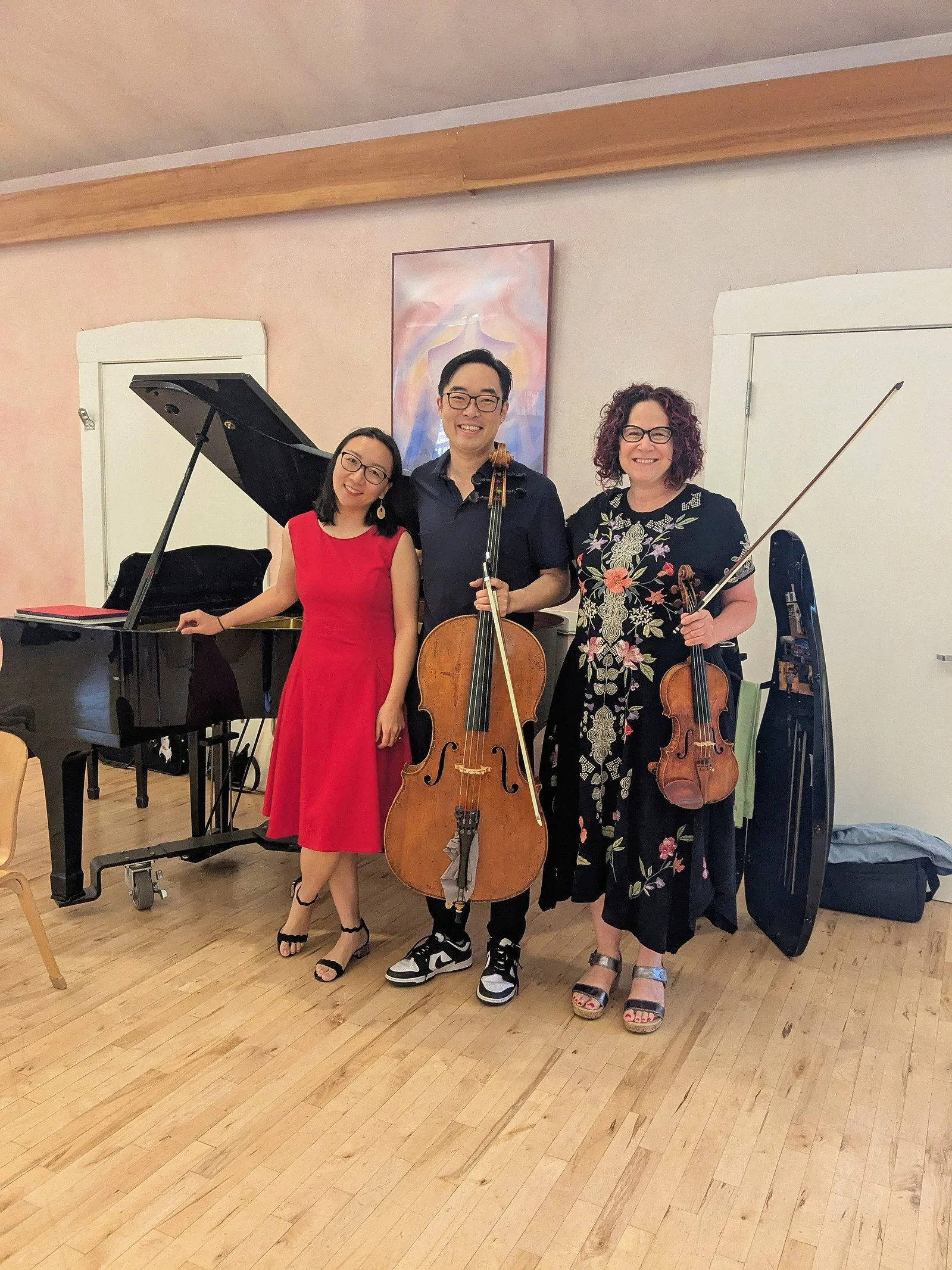
Throughout the year, our students also have opportunities to experience professional orchestra musicians, who come to our school to perform, demonstrate their instruments, and share their lived experience as working artists. These encounters offer students the opportunity to see and hear professional musicians up close, deepening their inspiration and helping them envision a future relationship with music that extends beyond their years at Whatcom Hills. Many of our students also play outside of school, through private lessons or participation in local youth symphonies!