
The Purpose of Form Drawing
Walk into a first grade classroom on a form drawing morning and you'll notice something. The room is quiet, but it isn't still. Children are tracing waves in the air with their whole arms, walking a curved path across the floor, or pressing a finger through a tray of sand. Only after all that do they pick up a crayon or pencil and draw.
If you've visited a Waldorf classroom, you may have seen rows of flowing lines, looping borders, or an intricate knot pattern and wondered what you were looking at. It's form drawing, and it is one of the foundations of our curriculum in the early grades.
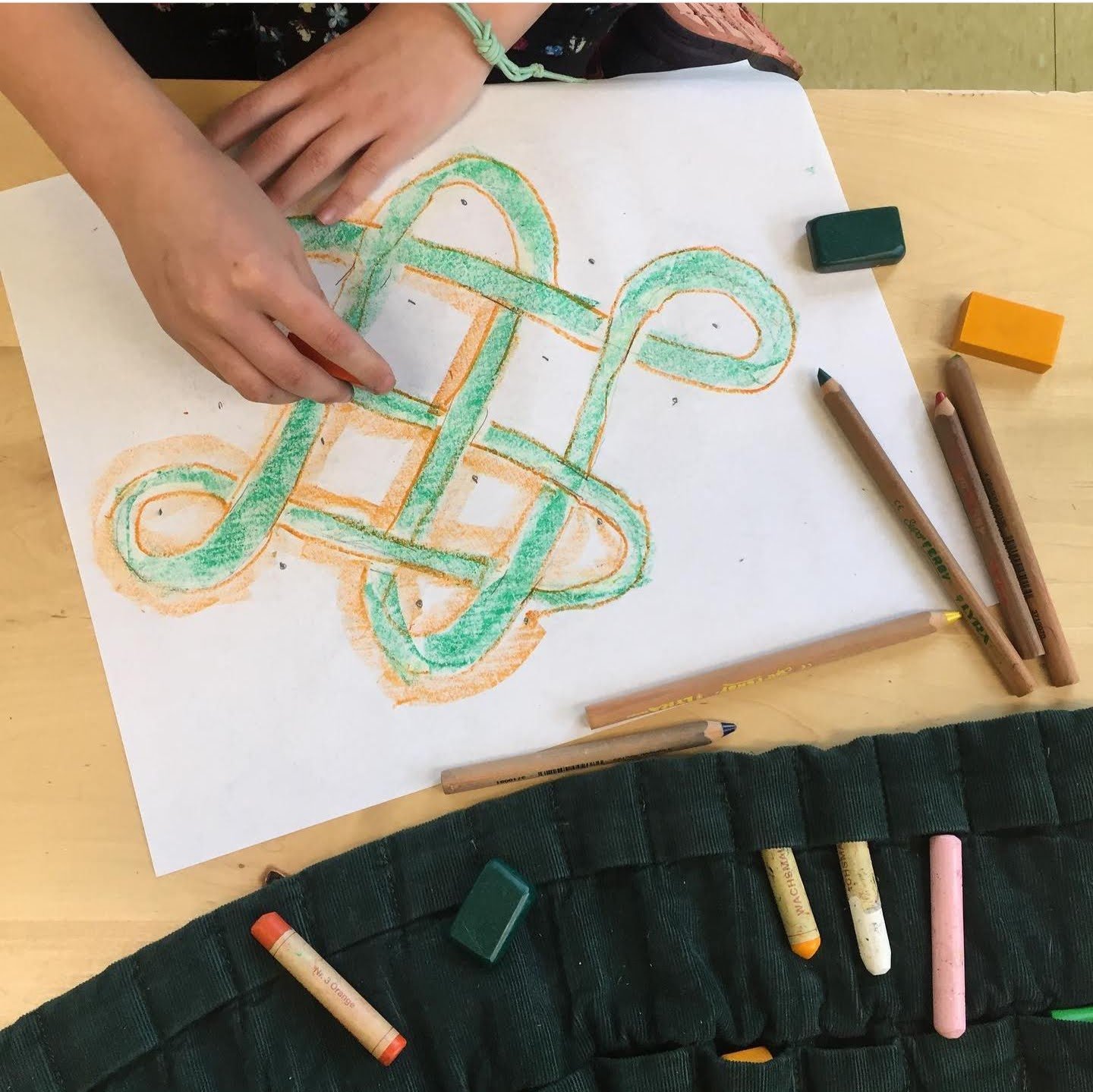
Lines with a purpose
Form drawing is the practice of drawing straight and curved lines, then patterns, symmetries, and flowing forms. Rudolf Steiner originally called it "dynamic drawing." It starts with the simplest elements there are, the straight line and the curved line, and grows more complex each year.
The idea is that a line is a path you can move along, and a child who has moved it understands it more deeply than one who has only copied it. The emphasis is on process, not on a finished picture. A child isn't trying to draw something. They're learning to move with care and attention, and to feel why a form is balanced and beautiful.
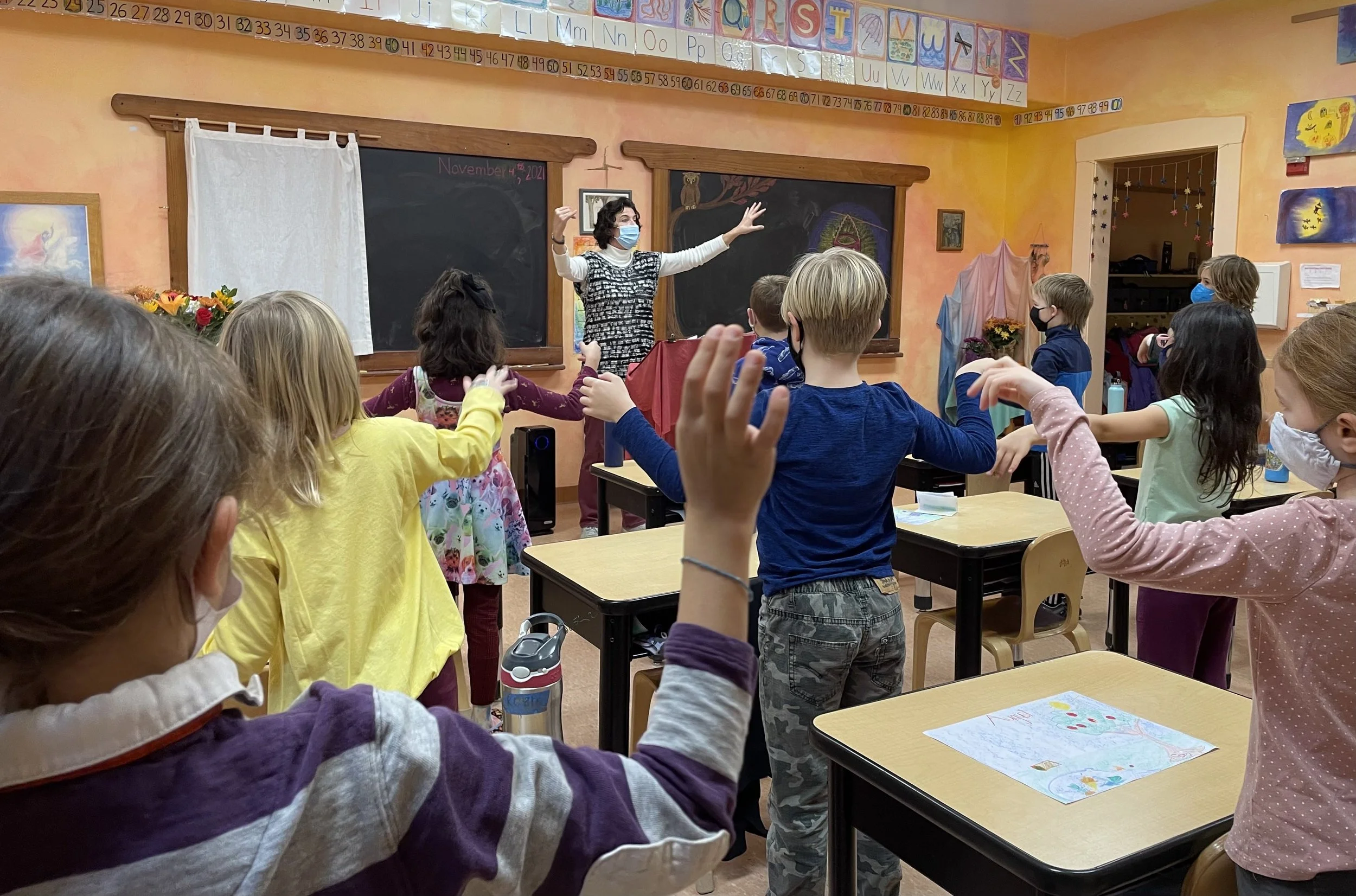
Why start with the body?
Teachers often introduce a new form through a story. A traveler crosses a choppy lake, and suddenly the wavy line has meaning. Children then experience the form in many ways before drawing it: walking it, tracing it in the air, shaping it in sand. By the time pencil meets paper, the movement is already alive and embodied in them.
Working with the senses
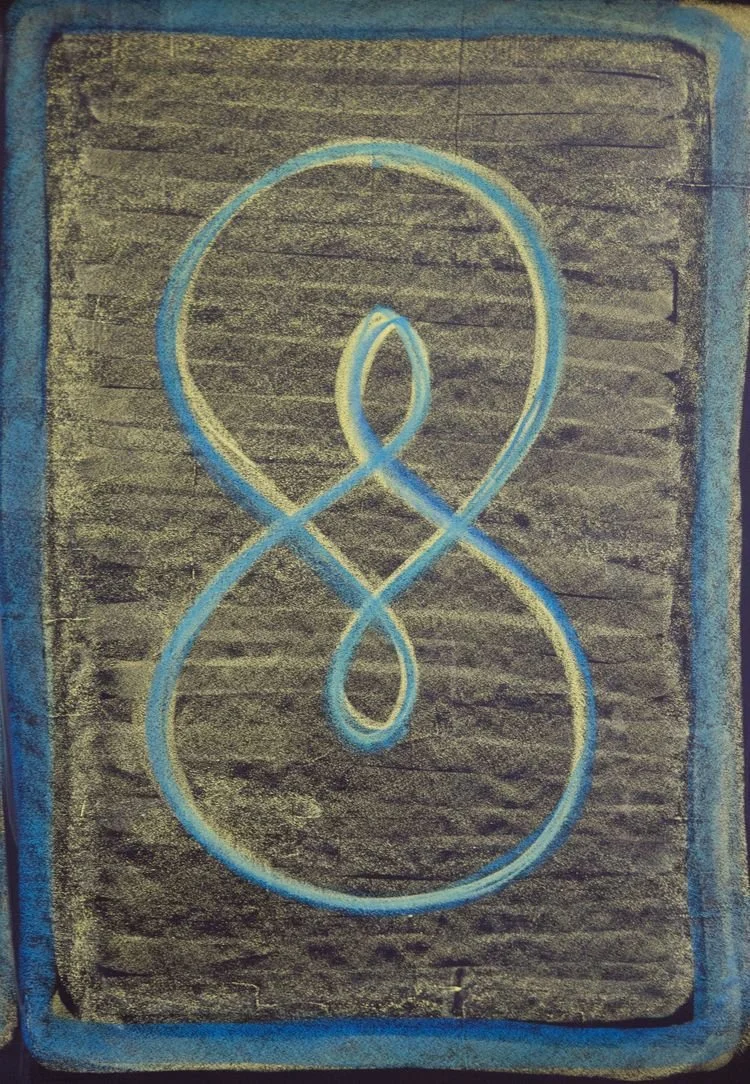
Waldorf education pays close attention to the senses. Beyond the familiar five, Rudolf Steiner described others, including a sense of balance, of movement, of rhythm, and of warmth. Form drawing exercises many of these at once. Up and down, left and right, center and edge are all felt before they are named, which helps children build a confident inner sense of where they are in space.
You could say the paper and pencil become a kind of lantern, lighting up how a child orients themselves inwardly and outwardly.
This multi-sensory approach does a lot of quiet work:
Crossing the midline. Drawing flowing, symmetrical forms encourages both sides of the body and brain to work together.
Hand-eye coordination. Steady, repeated practice strengthens the fine motor control that handwriting depends on.
Spatial sense. Children develop an early feeling for balance, proportion, and direction.
Focus and will. Completing a form that is accurate and pleasing takes real concentration, and that inner steadiness grows with practice.
A path that grows with the child
Form drawing begins in first grade and changes as students do:
First grade: straight and curved lines, which lead naturally into the shapes of letters.
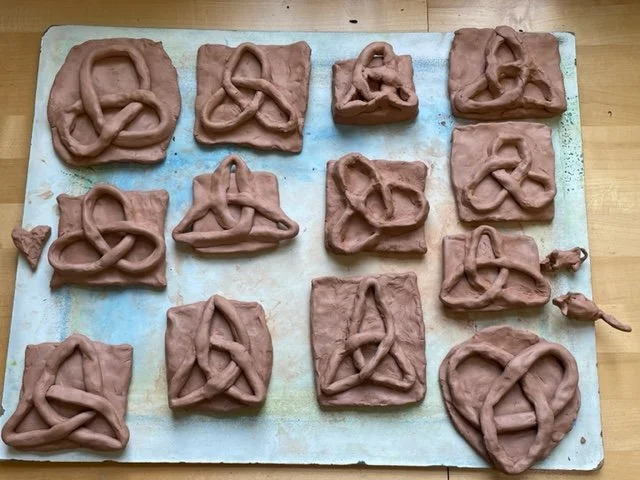
Fourth grade: interlacing Celtic knots, which call for patience and careful planning.
Middle school: the forms grow into geometry, with constructions built on everything that came before.
Before children begin to shape letters, they have already spent weeks learning the curves and strokes that letters are made from. The same attention to pattern, symmetry, sequence and beauty carries into geometry and mathematics in later grades.
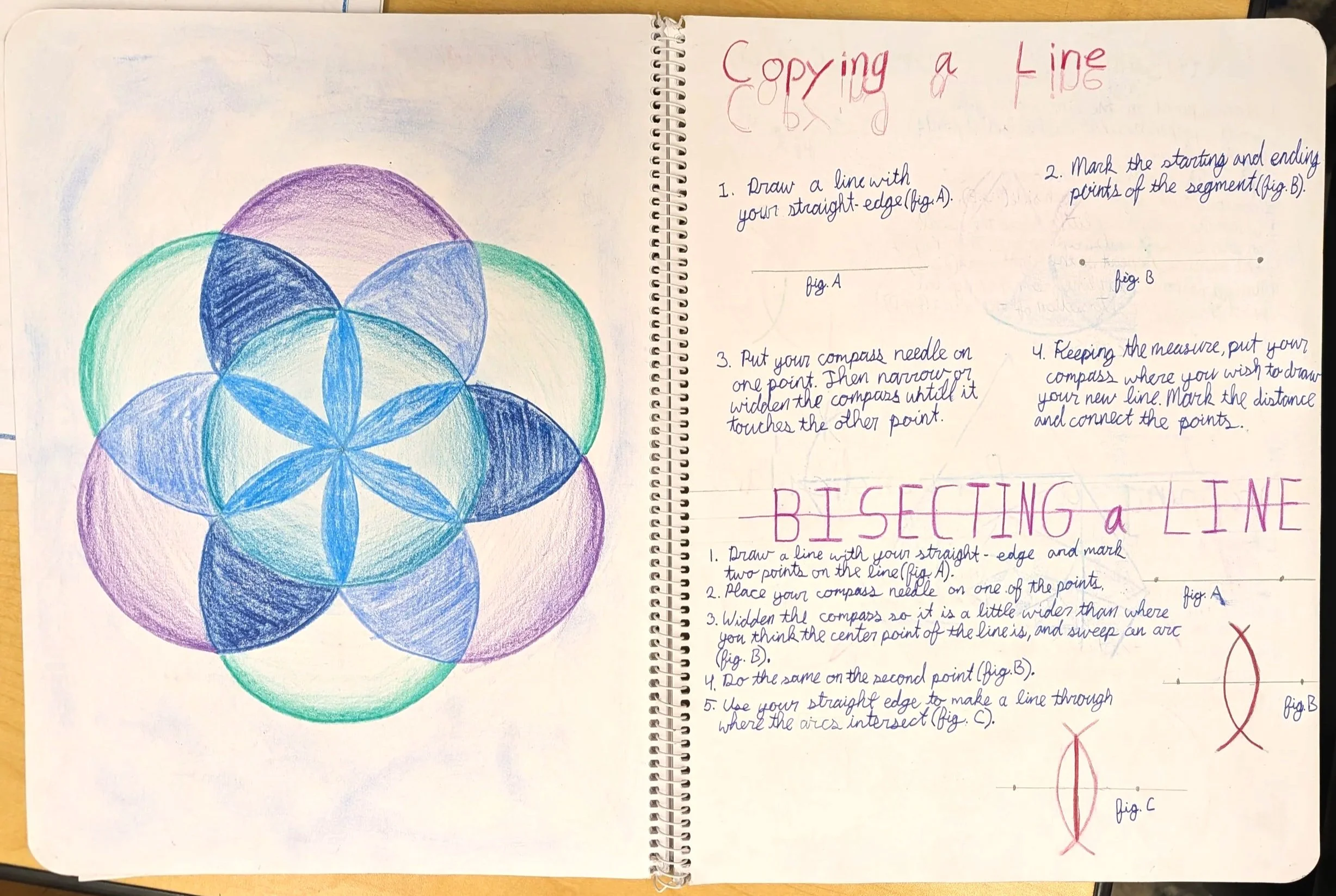
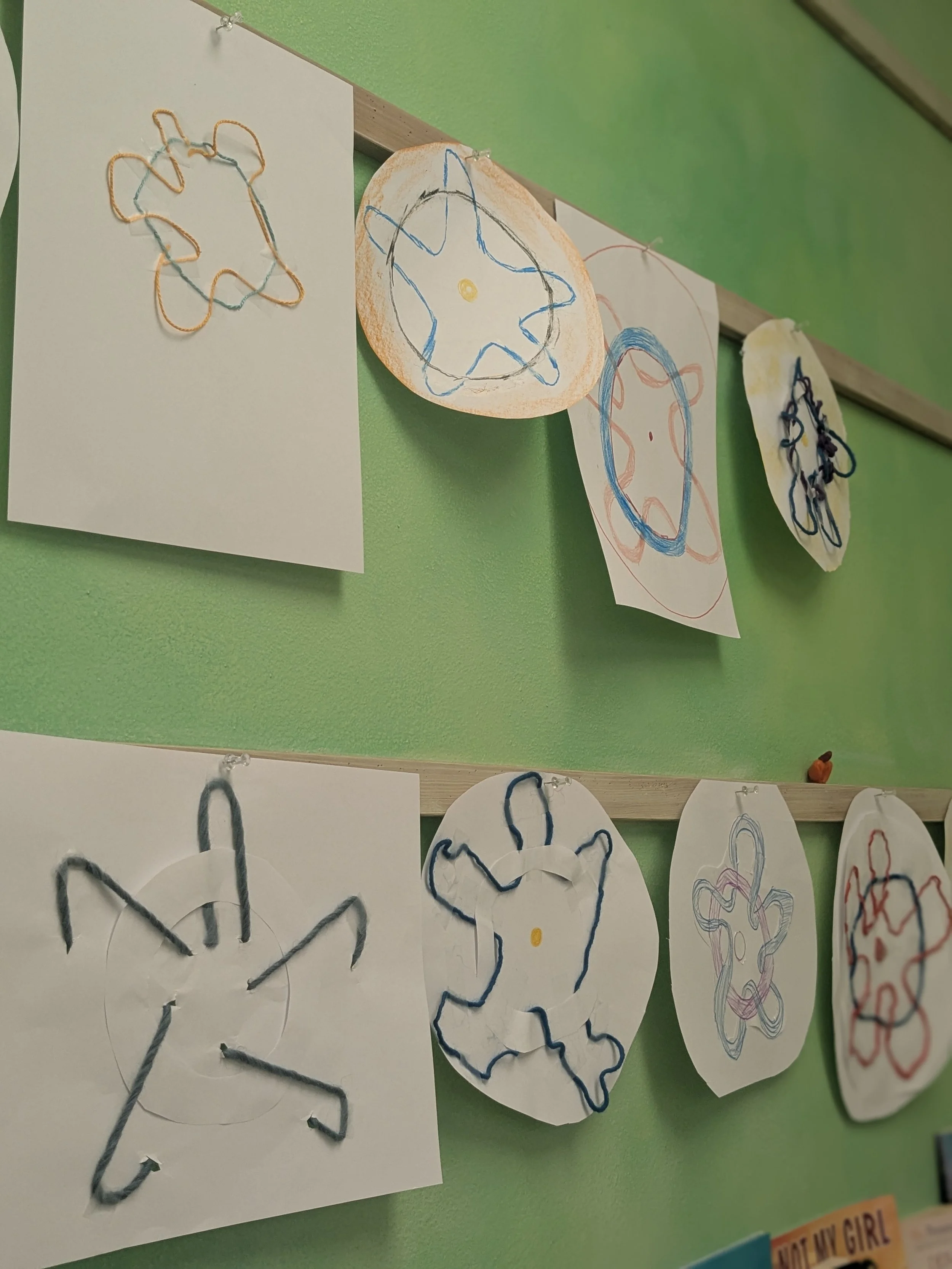
Students even practice with different materials to more deeply embody their sense of forms and how lines intersect.
It's about the journey
It's tempting to judge a form drawing by how perfect it looks. But the real value is in the doing: the focus, the rhythm, and the small adjustments a child makes along the way. A teacher can learn a great deal by watching how a student approaches a form, and it's also simply enjoyable. Children often look forward to it.
That's also why forms are revisited again and again. They aren't meant to be mastered and set aside. Each return brings something new.
Interested in seeing form drawing in action? We'd love to welcome you for a visit.