
Integrated Curriculum
Combining head, heart and hands for better learning outcomes
In a Waldorf classroom, each study block typically integrates multiple modes of learning, media, and experiences. Third graders don't just read about shelter-building — they build model structures from various cultures and then measure and cut lumber to construct their own class structure, folding math, science, and history into one connected experience. Second graders practice their multiplication tables while jumping rope. Middle schoolers don't just memorize the laws of physics and chemistry — they discover them through direct observation, like blacking out their classroom to study light, or burning a range of materials to better understand combustion, and then they draw the experiment in their main lesson books to represent it in their own words and pictures. The same phenomenological, hands-on approach runs through every block in every grade.
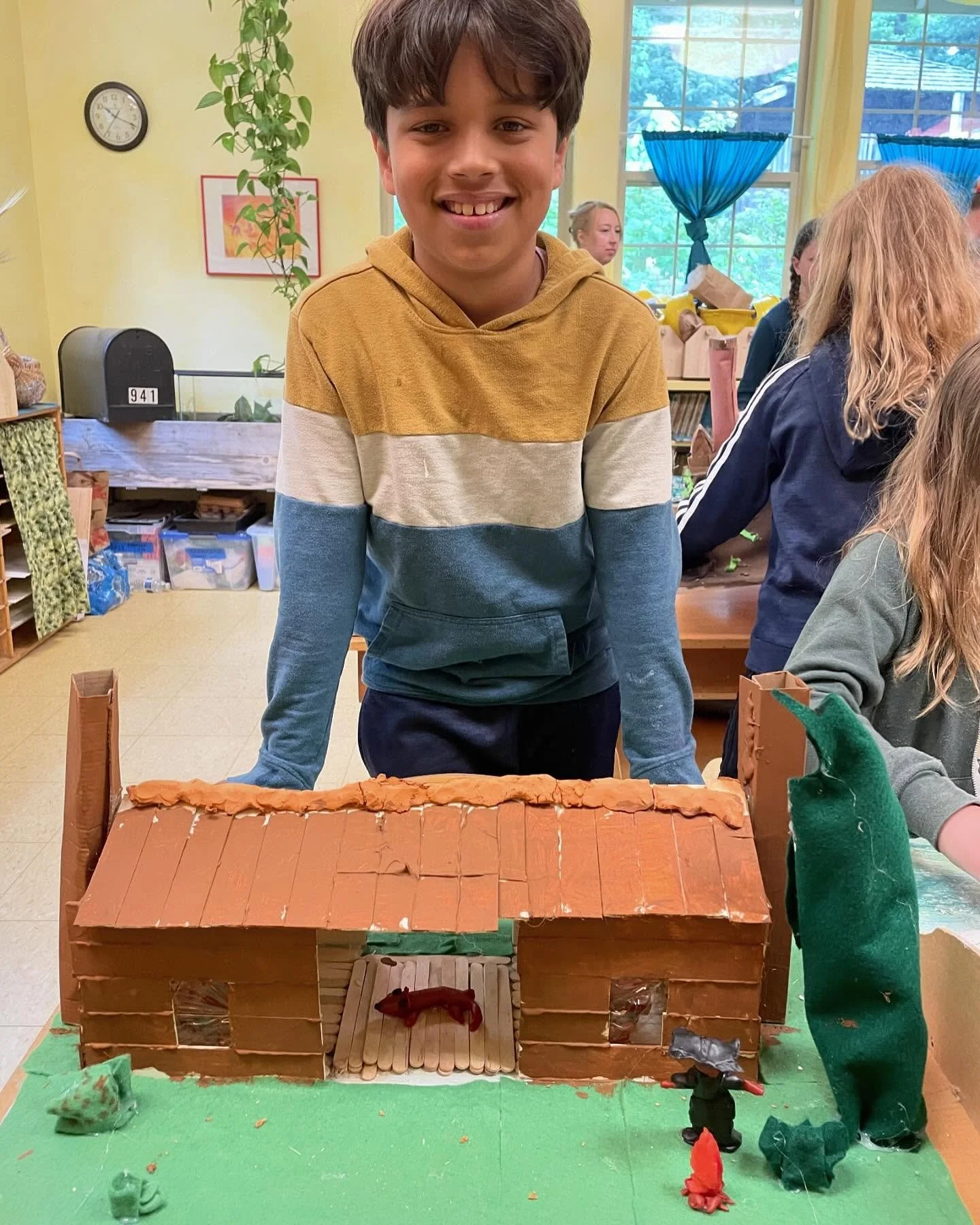
This isn't just a stylistic choice — as a growing body of research shows, when subjects are taught in connection with one another, students understand and retain the material more deeply than when the same content is taught in isolation. The evidence here is substantial. A large-scale 2024 meta-analysis of integrated STEM instruction found meaningfully higher academic achievement among students who learn through integrated, applied instruction compared to those taught the same subjects separately.¹ A broader synthesis of multiple studies reached a similar conclusion: integrated approaches frequently produced better comprehension not just of the target subject, but in related skills like reading comprehension and scientific inquiry that wouldn't have been the direct focus of a single-subject lesson.² The same holds true for the arts. One of the largest reviews of arts-integrated instruction, examining hundreds of studies, found improvements in reading and math achievement alongside gains in creativity and student engagement — benefits that showed up specifically because the arts were woven into academic learning, not taught alongside it as a separate subject.³
Part of the explanation is how the body and mind learn together. Research on embodied cognition has repeatedly found that physically engaging with a concept — building something, acting it out, manipulating real materials — creates a stronger, more durable understanding than reading or hearing about it alone. In one well-known study, young children who physically acted out sentences while reading showed dramatically larger gains in comprehension than children who simply reread the same text.⁴ This is precisely the logic behind a Waldorf block like third grade's shelter study, or the middle school's approach to physics: understanding a concept by building it, observing it, and living with it for weeks is simply a more powerful way to learn it than encountering it once in a textbook.

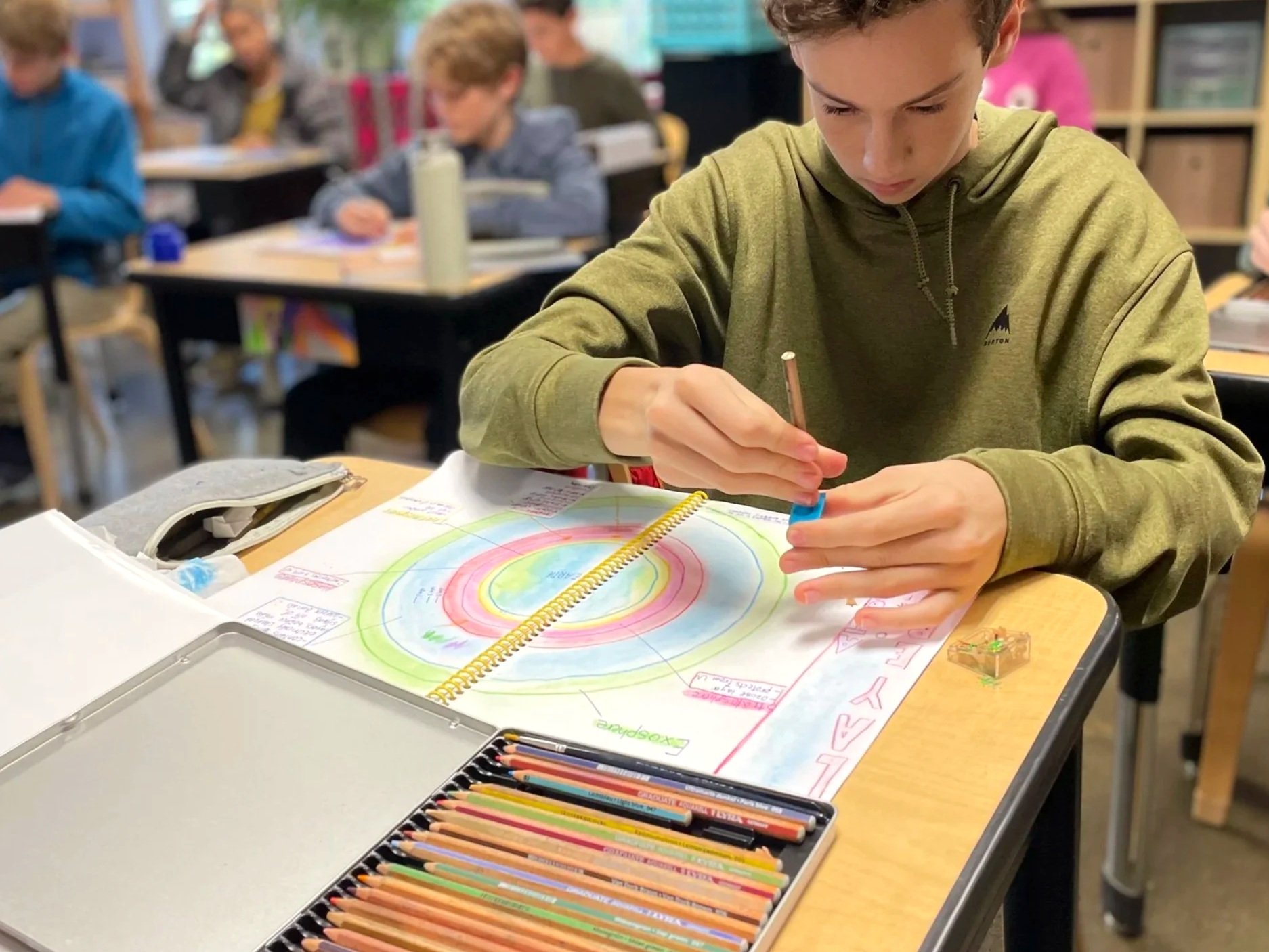
To be clear, integration is not always the easier path — some students can initially find integrated, applied material more demanding than single-subject instruction, precisely because it asks them to hold and combine multiple ideas at once. But that demand is the point. Waldorf's integrated curriculum isn't designed to make learning easier; it's designed to make it stick — building the kind of durable, connected understanding that a purely subject-based curriculum can't reach.
Additional Reading & Sources
Meta-analysis of STEM integration on student academic achievement (2024). Research in Science Education.
Kreijkes, P. et al. (2024). "Differential effects of subject-based and integrated curriculum approaches on students' learning outcomes: A review of reviews." Review of Education.
Robinson, A.H. (2013). Meta-analysis of arts integration research
Glenberg, A.M. et al. "Moved by Reading" research program on physical enactment and reading comprehension.