
A Deeper Picture of Student Growth: How Waldorf Schools Approach Assessment
In Waldorf education, assessment is about understanding each child’s unique journey as a learner. Rather than relying on standardized tests and traditional grading, teachers utilize observation, relationship, and student work, honoring individual development and ensuring both a broad and accurate picture of growth.
Waldorf offers a rich, balanced education free from the stress of high-stakes testing and competition, allowing children to learn at the appropriate developmental pace.
Why This Works
Because academic subjects are presented in artistic, hands-on, and deeply engaging ways, learning becomes driven by curiosity rather than external pressure to perform for a test or letter grade. Waldorf students are encouraged to discover the satisfaction of learning for its own sake, cultivating the inner motivation and joy that support lifelong learning.
Known Deeply: The Foundation of Meaningful Assessment
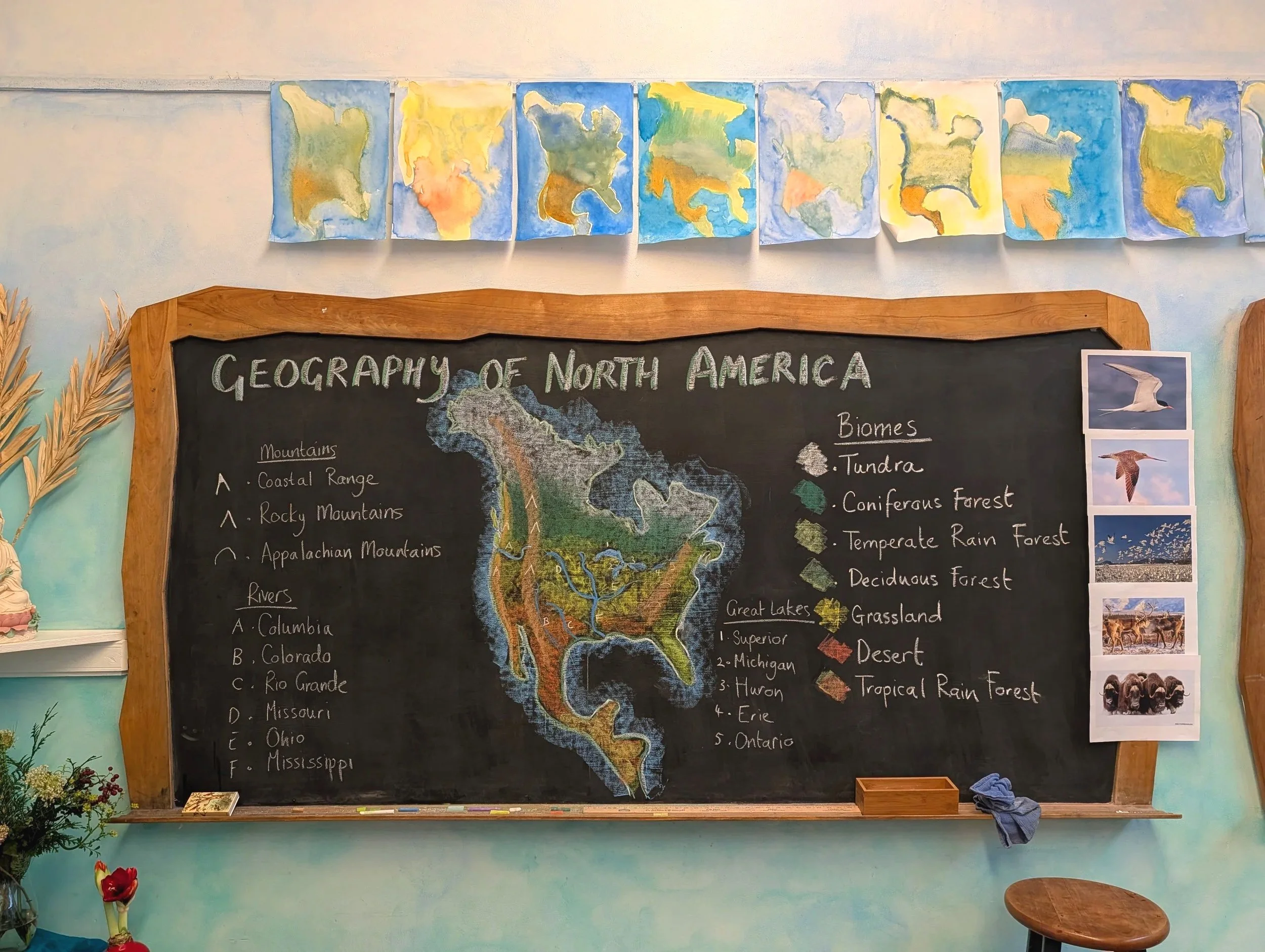
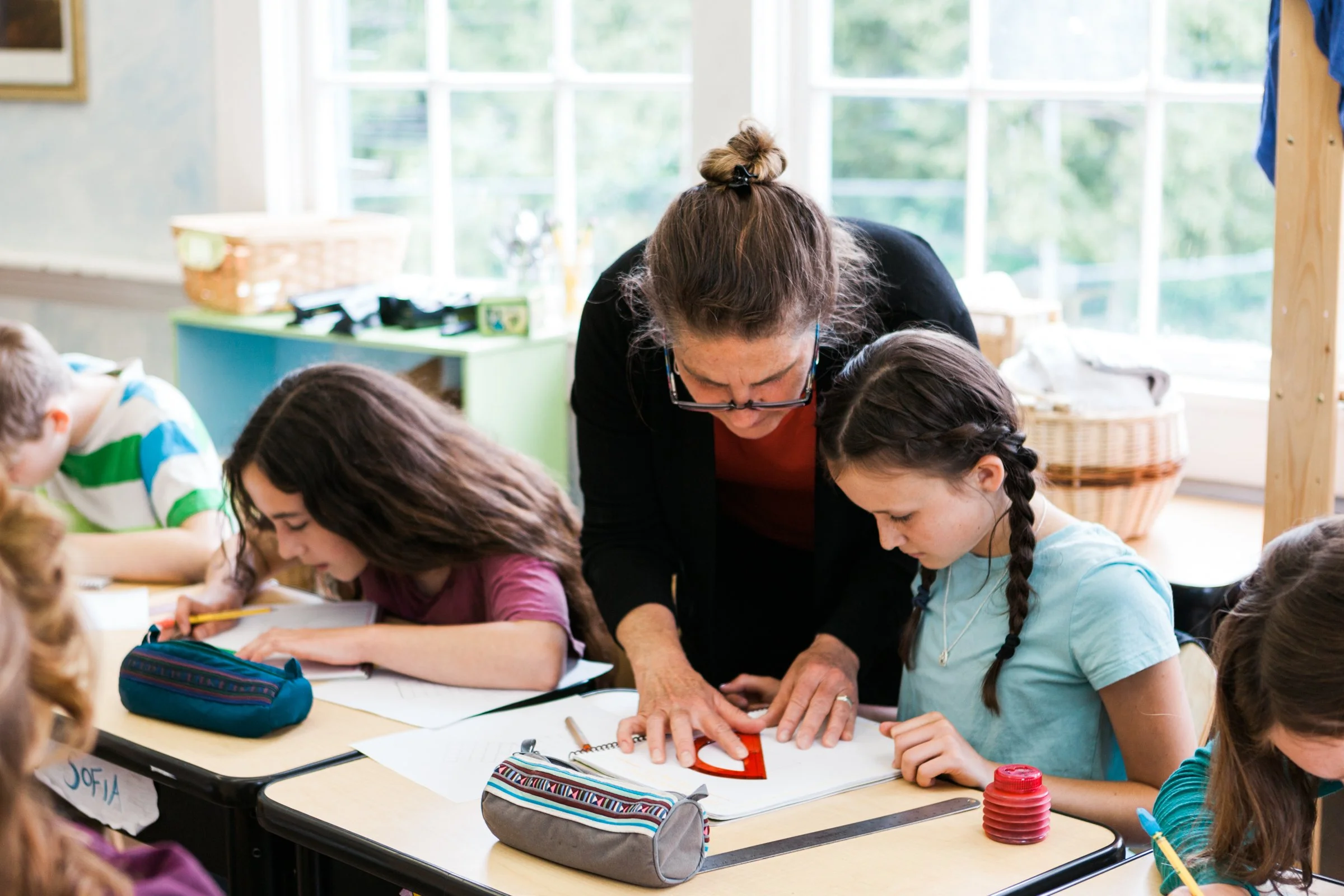
At the heart of Waldorf education is the relationship between teacher and student. Class teachers typically journey with the same group of students for multiple years, allowing them to develop a deep understanding of each child—their learning style, strengths, challenges, interests, and individual unfolding. This continuity creates a foundation of trust and connection, enabling teachers to notice growth over time and support each student in a whole-child way.
Student Work: Learning Made Visible
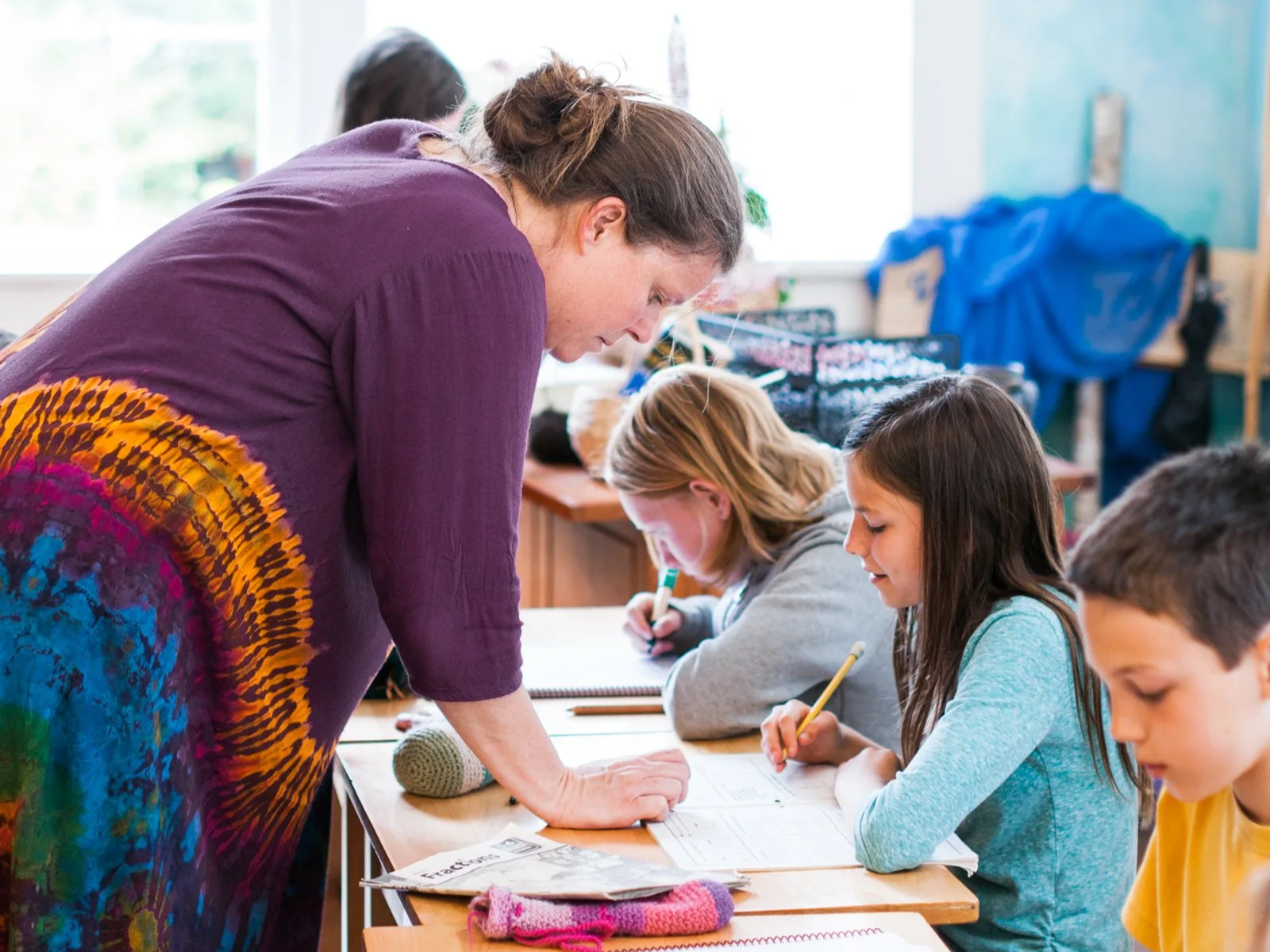
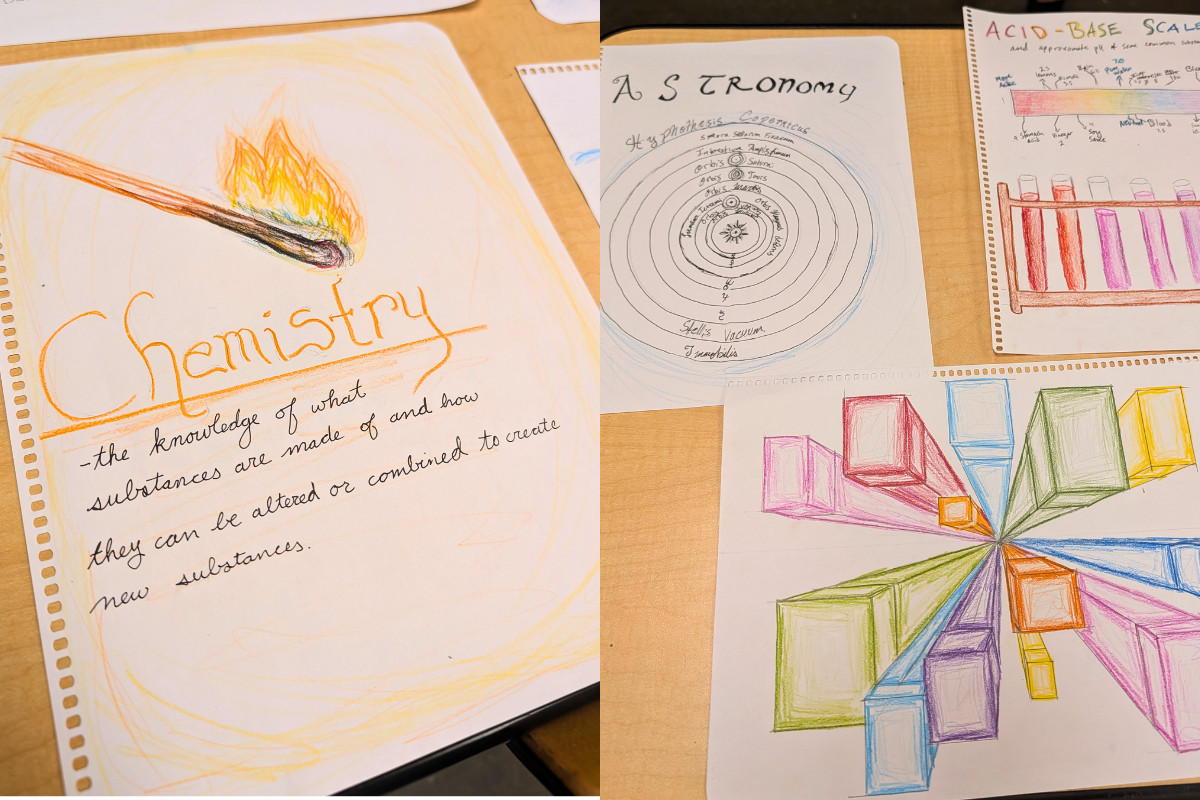
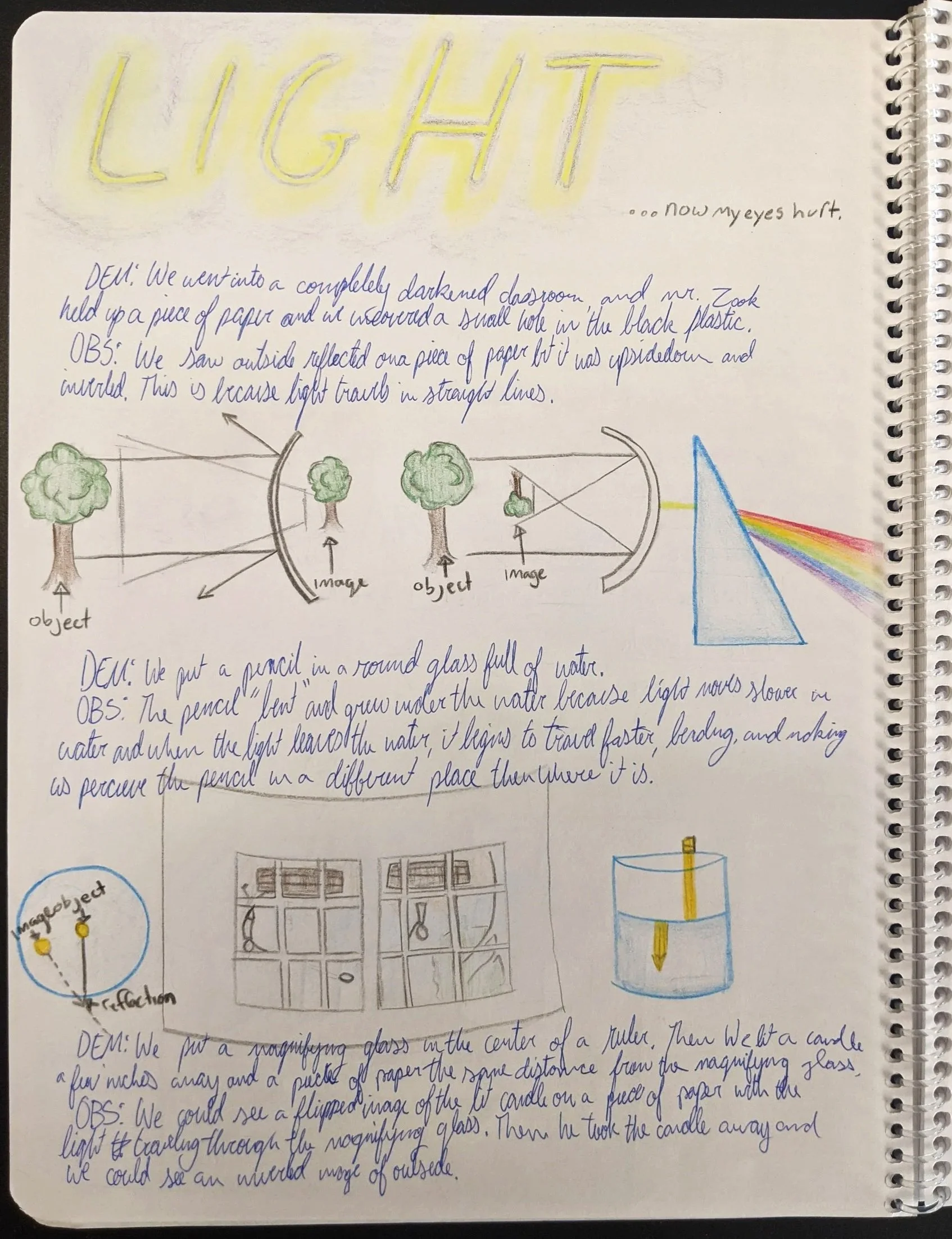
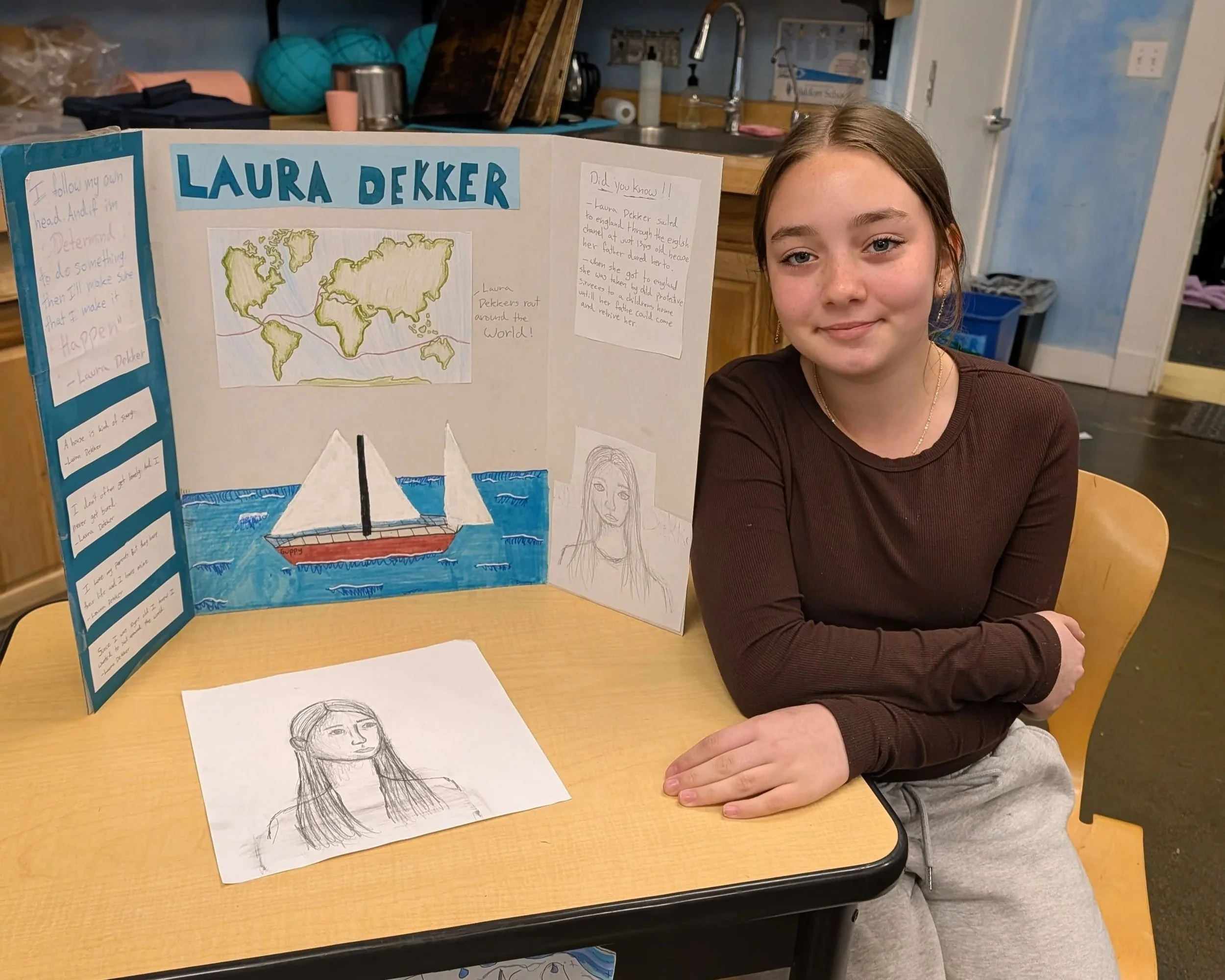
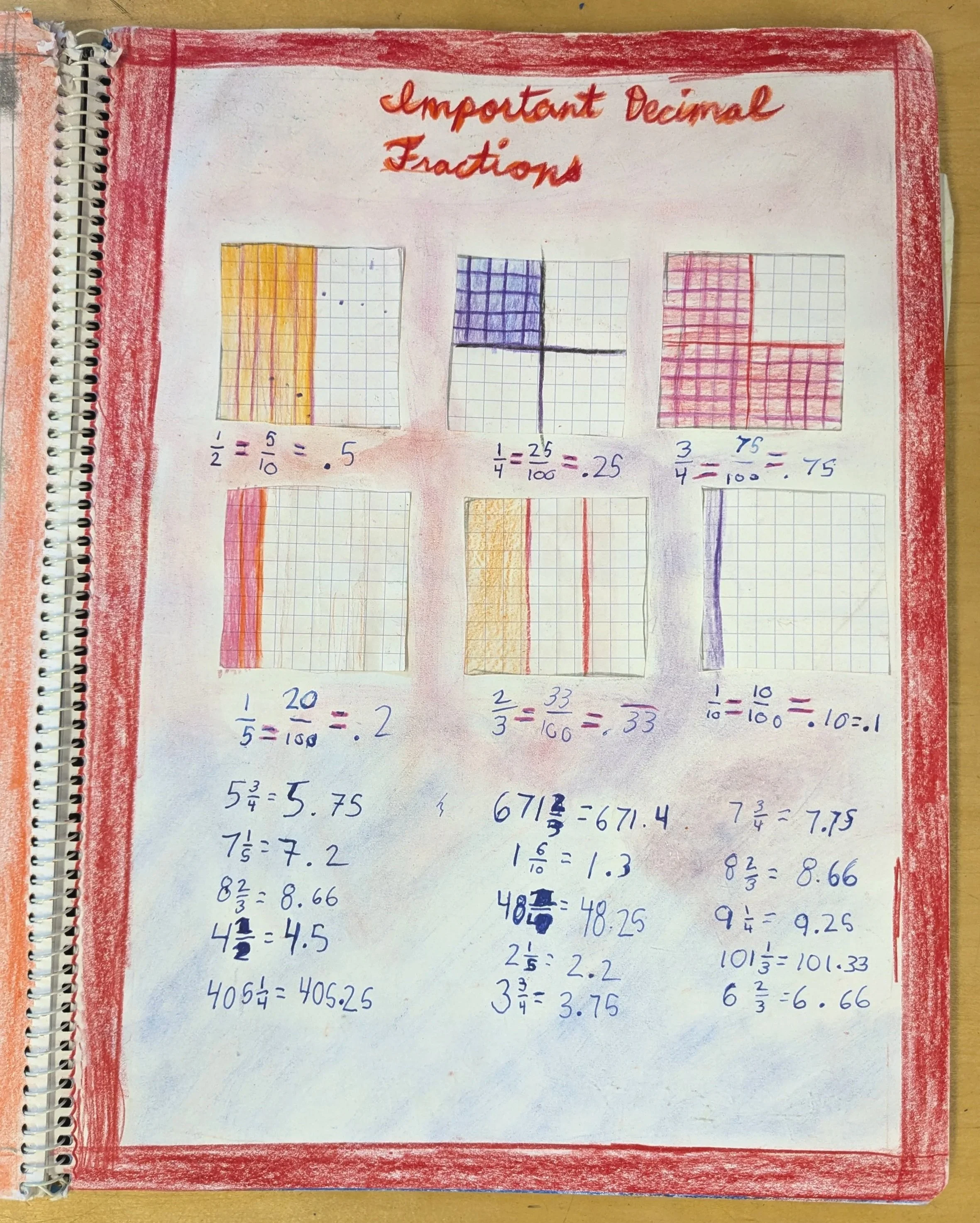
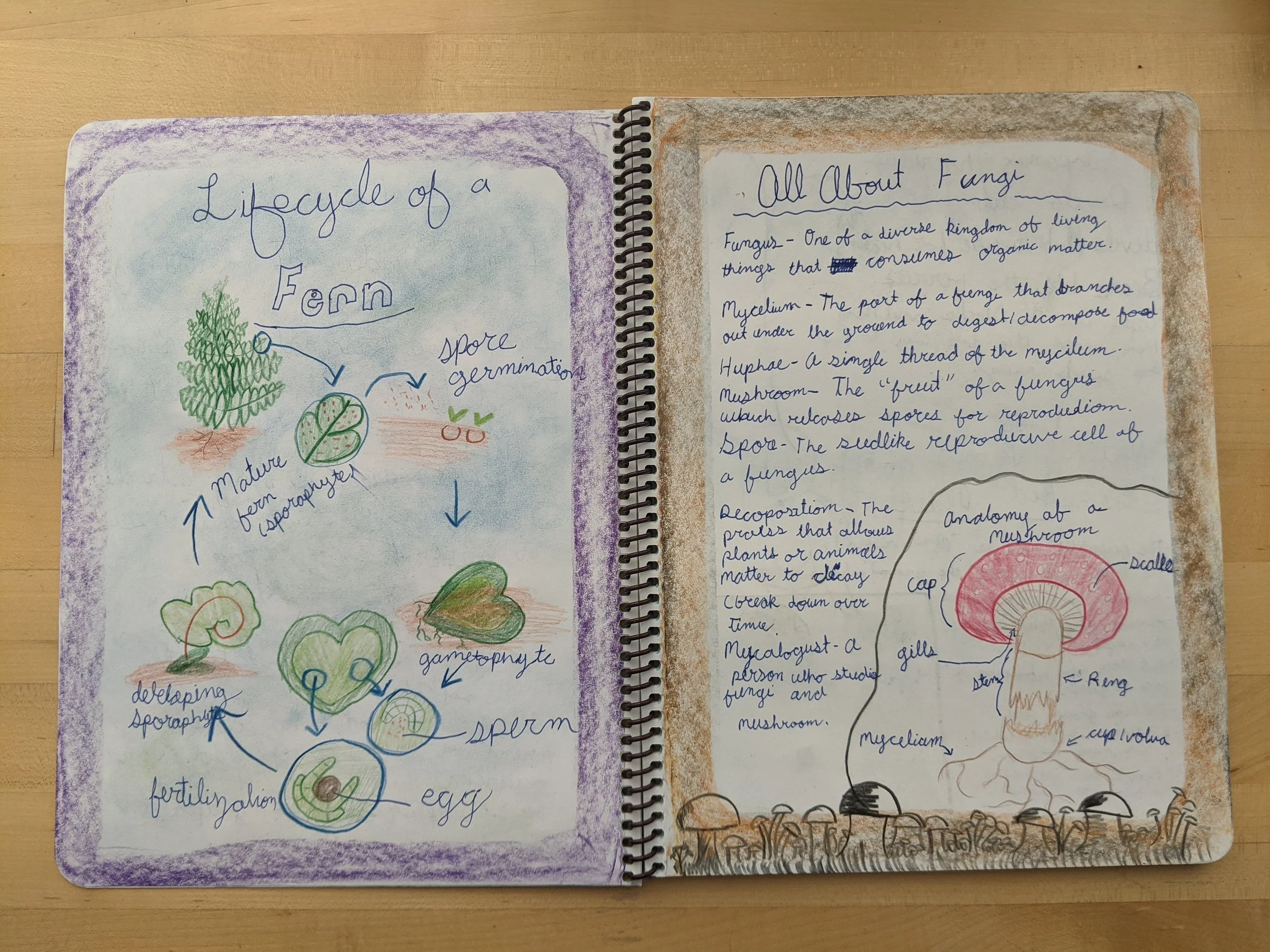
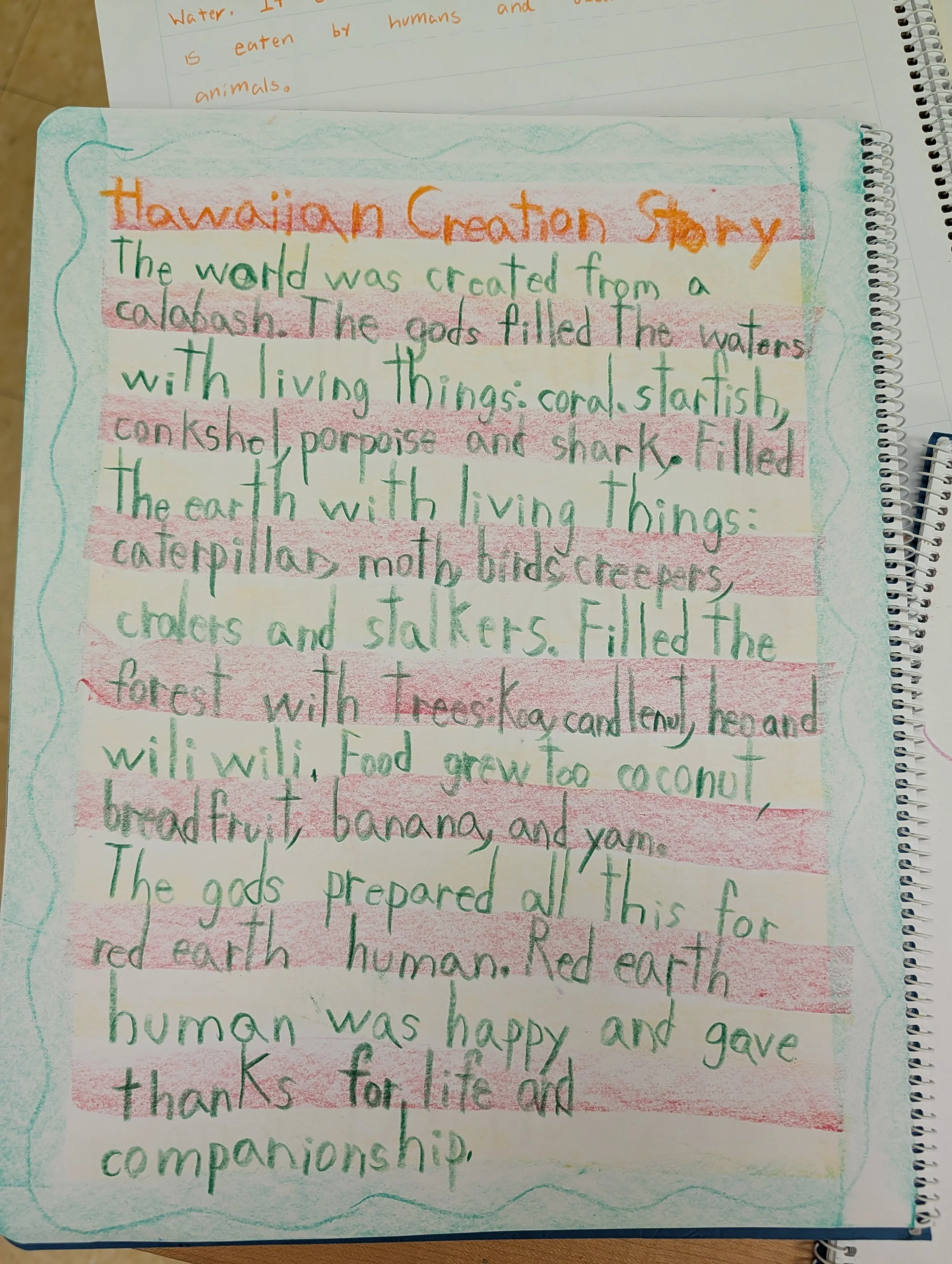
Throughout the year, students demonstrate their learning in practical ways, including richly detailed written reports, beautifully crafted Main Lesson Books, creative projects, presentations, discussions, and daily engagement in classroom work. These endeavors reveal not only what students know, but how they think, create, problem-solve, and connect with the world around them.


Narrative Reports: A Living Picture of Development
Throughout the year, teachers draw upon daily observations and their deep knowledge of each child to create holistic narrative reports that reflect the full picture of a student’s growth. These reports encompass academic progress, social relationships, emotional development, artistic capacities, and individual strengths—offering insight into both accomplishments and areas for continued growth.
Sharing the Picture: Parent-Teacher Conferences
Regular parent-teacher conferences provide an opportunity for families and teachers to come together around a shared understanding of the child—celebrating growth, recognizing challenges, and supporting each student’s continued unfolding. Rather than simply measuring achievement, teachers offer thoughtful reflections rooted in a deep, nuanced understanding of each child as a learner, individual, and member of the class community.
Prepared for What Comes Next
When Waldorf graduates step into high school and encounter traditional testing and academic benchmarks, they are prepared. Alongside strong foundational skills and confidence in their abilities, Waldorf students know how to learn. They have the courage to ask questions, the desire to use their resources, and the capacity to think independently.
Research and alumni experiences show that Waldorf graduates thrive in high school and beyond—often exceeding academic expectations.
Ultimately, this success reflects more than academic readiness. It reflects years of developing critical thinking, creative problem-solving, self-advocacy, and the confidence to engage deeply with the world around them—knowing they are seen and valued as whole human beings and not a letter on a test.