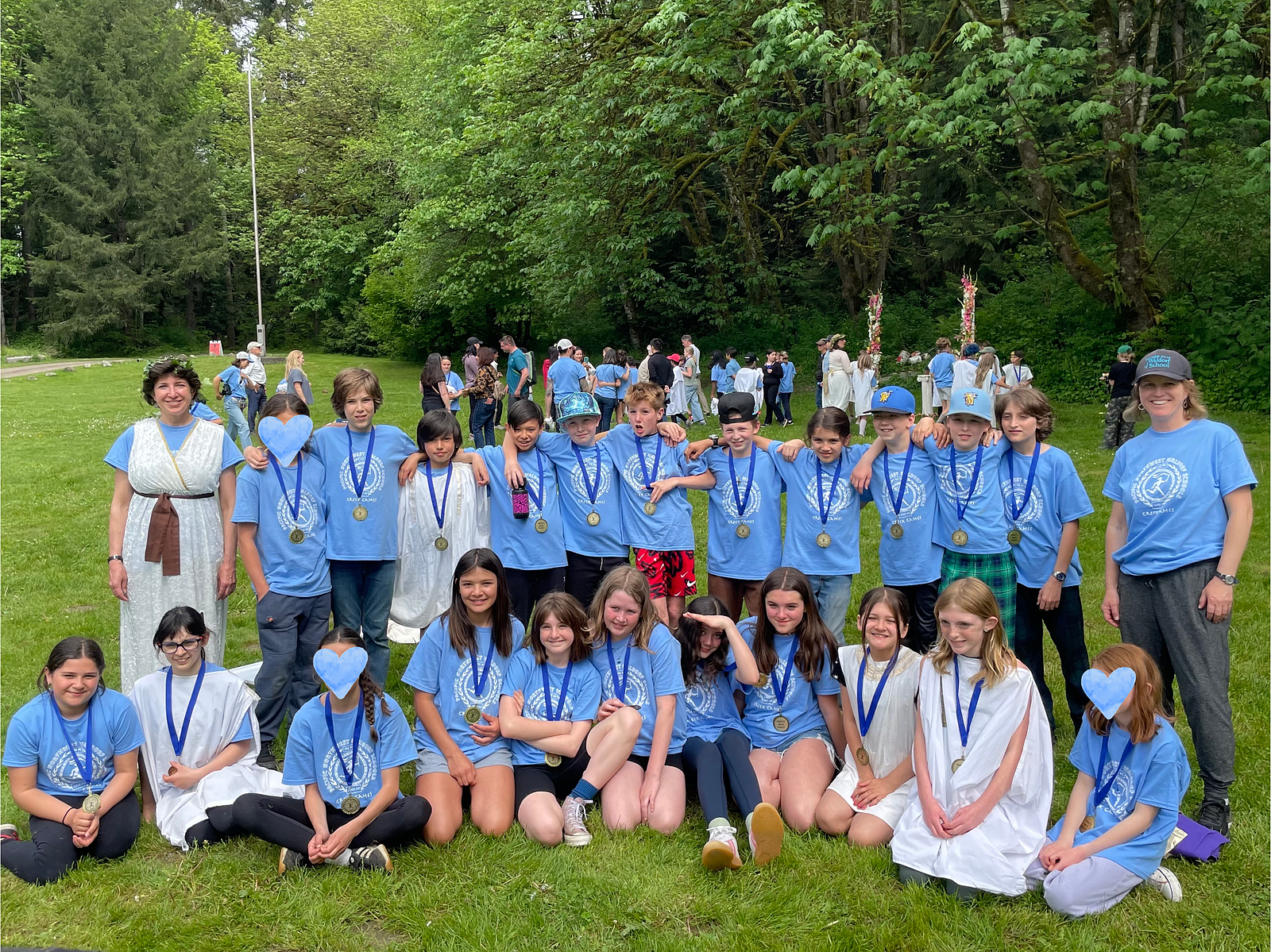
5th Grade Greek Games
The 5th Grade Greek Games: History Comes Alive
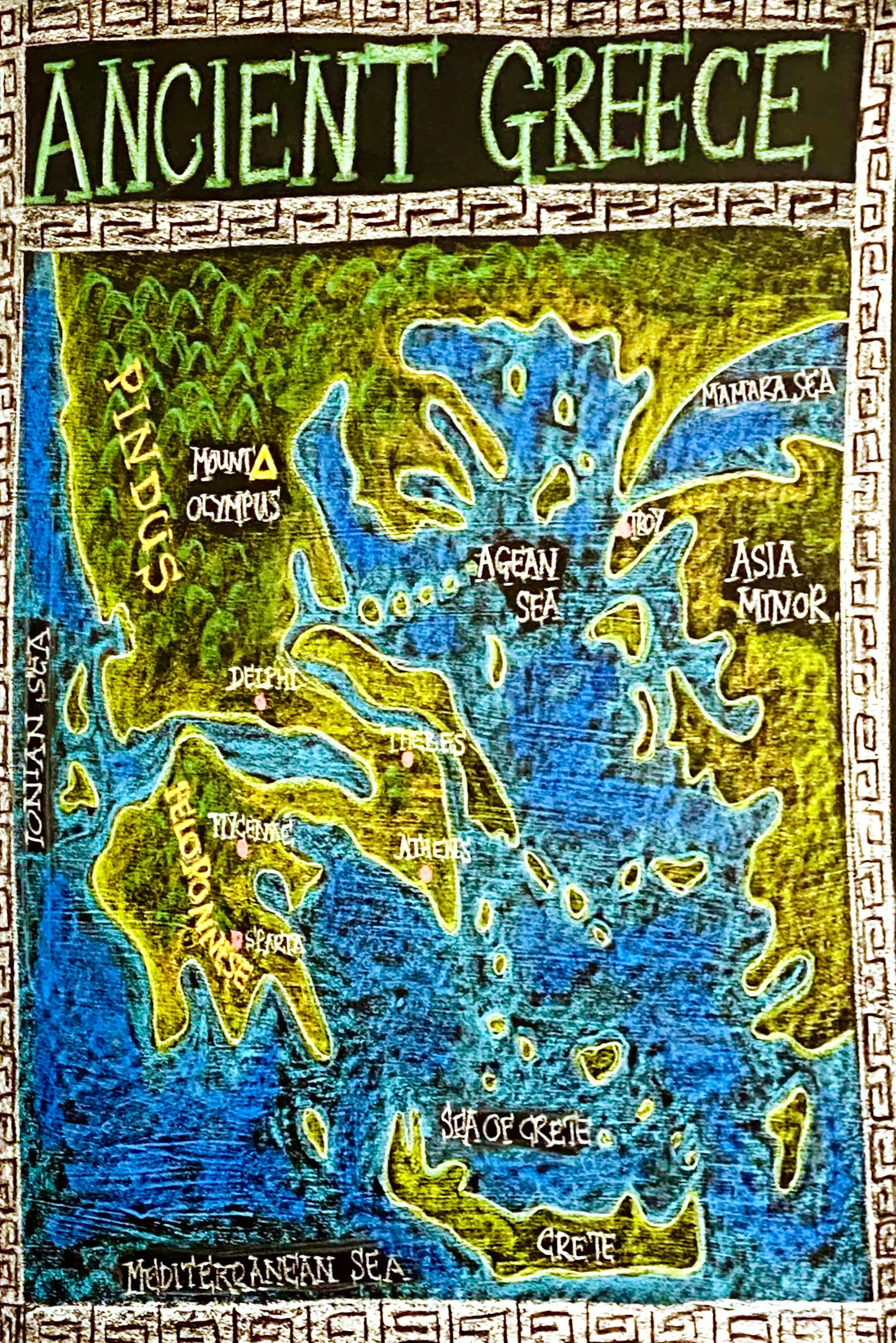
In Waldorf education, fifth grade marks a turning point in the study of the past. Children move out of the timeless, dreamlike world of mythology and into history itself — the true stories of real people and real civilizations. Over the course of the year, our fifth graders travel through the ancient world: India, Persia, China, Mesopotamia, Egypt, Mesoamerica, and finally Greece. Through biographies, classic stories, songs, and hands-on arts and crafts, students don't just learn facts about these cultures — they soak in them, coming to feel the striving and humanity of people who lived thousands of years ago as a mirror for their own.
Nowhere does this immersion come more fully to life than in the beloved 5th Grade Greek Games.
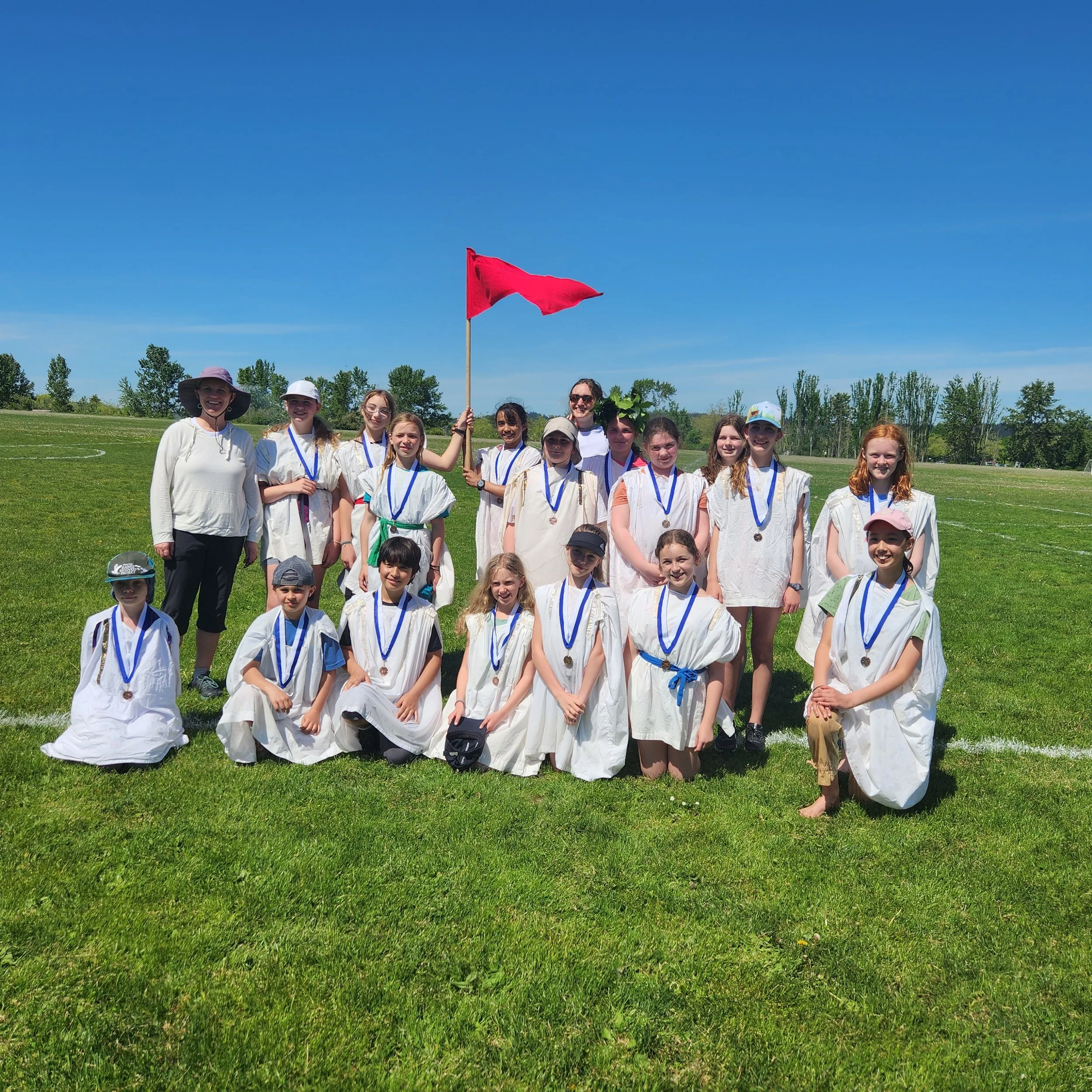
Each spring, our fifth graders step into the sandals of ancient athletes for a day modeled on the very first Olympic Games, held in Greece in 776 B.C. It's a tradition shared by Waldorf schools across the region and around the world: fifth graders gather, don simple white tunics, and are sorted into teams — Athens, Sparta, Corinth, and others — mingling with students from neighboring Waldorf schools to form new, temporary "city-states" of their own.
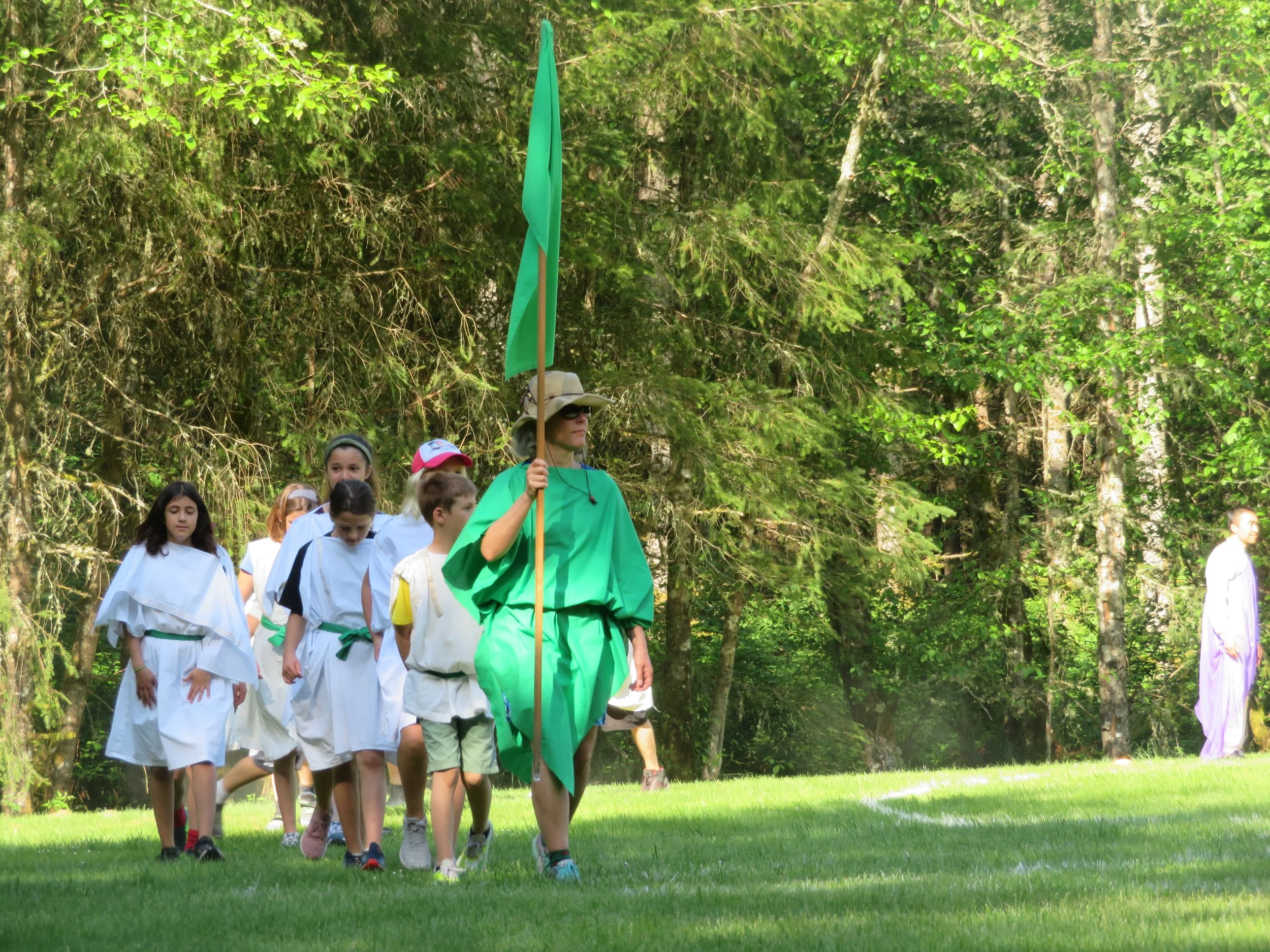
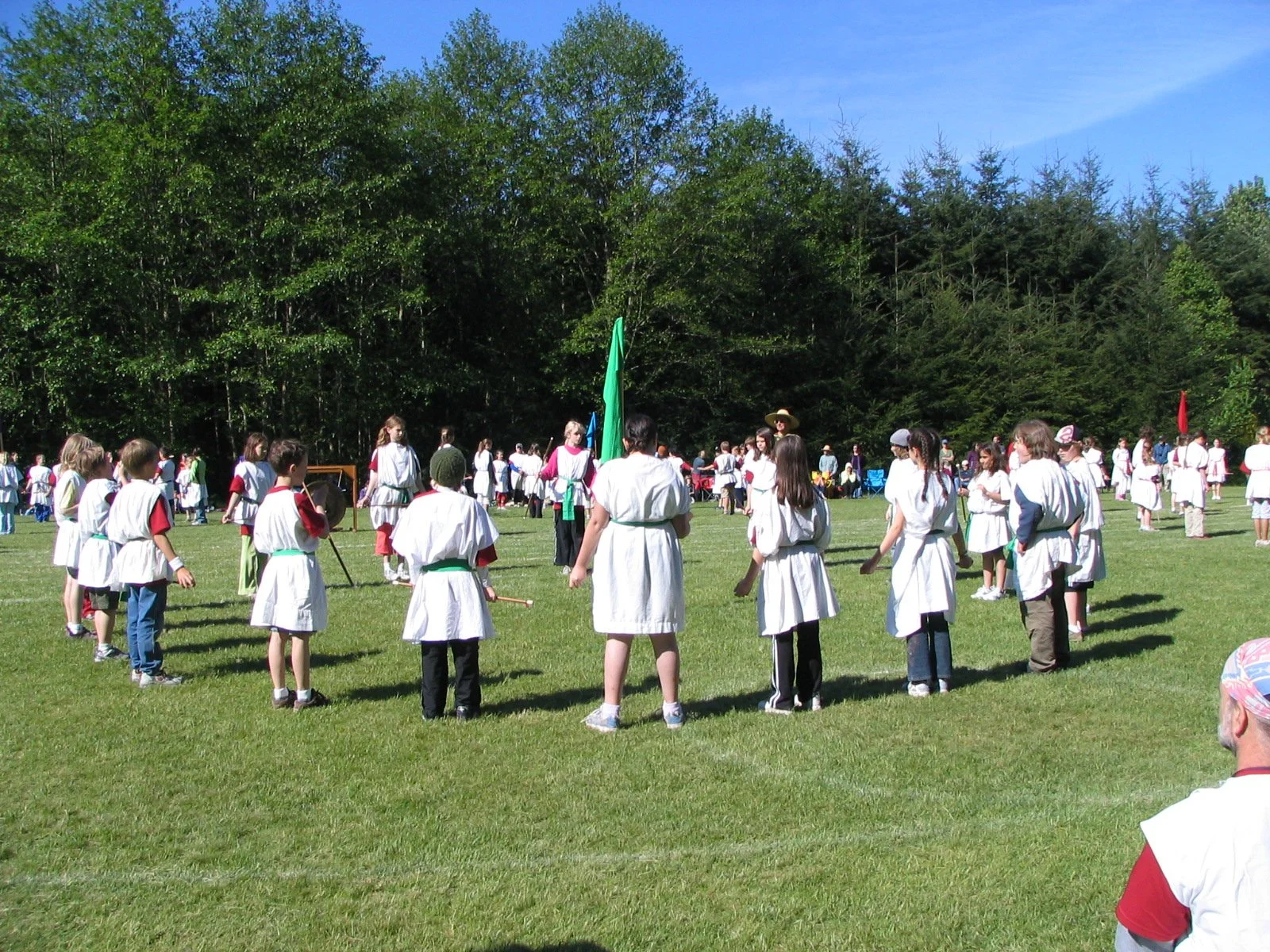
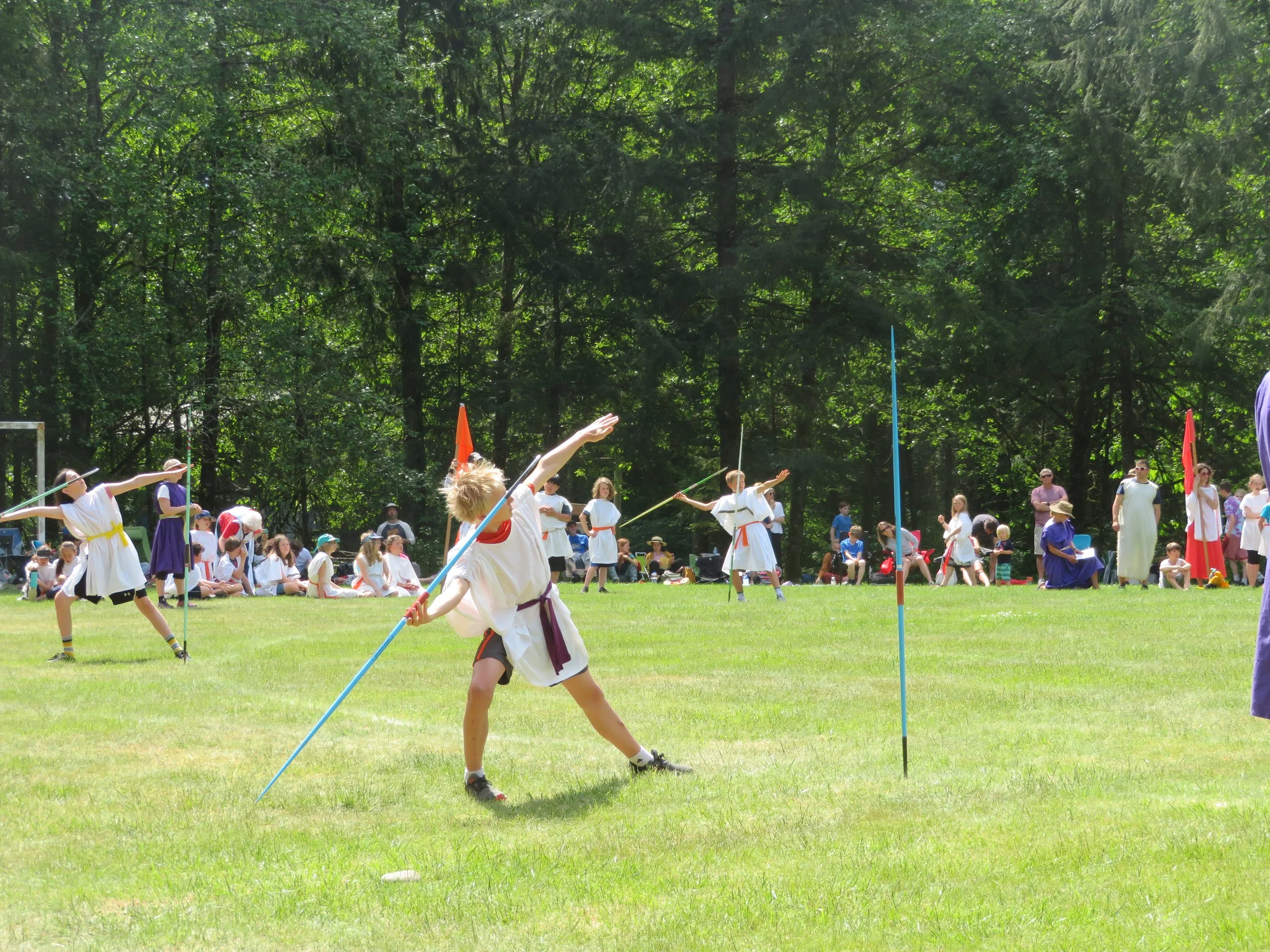
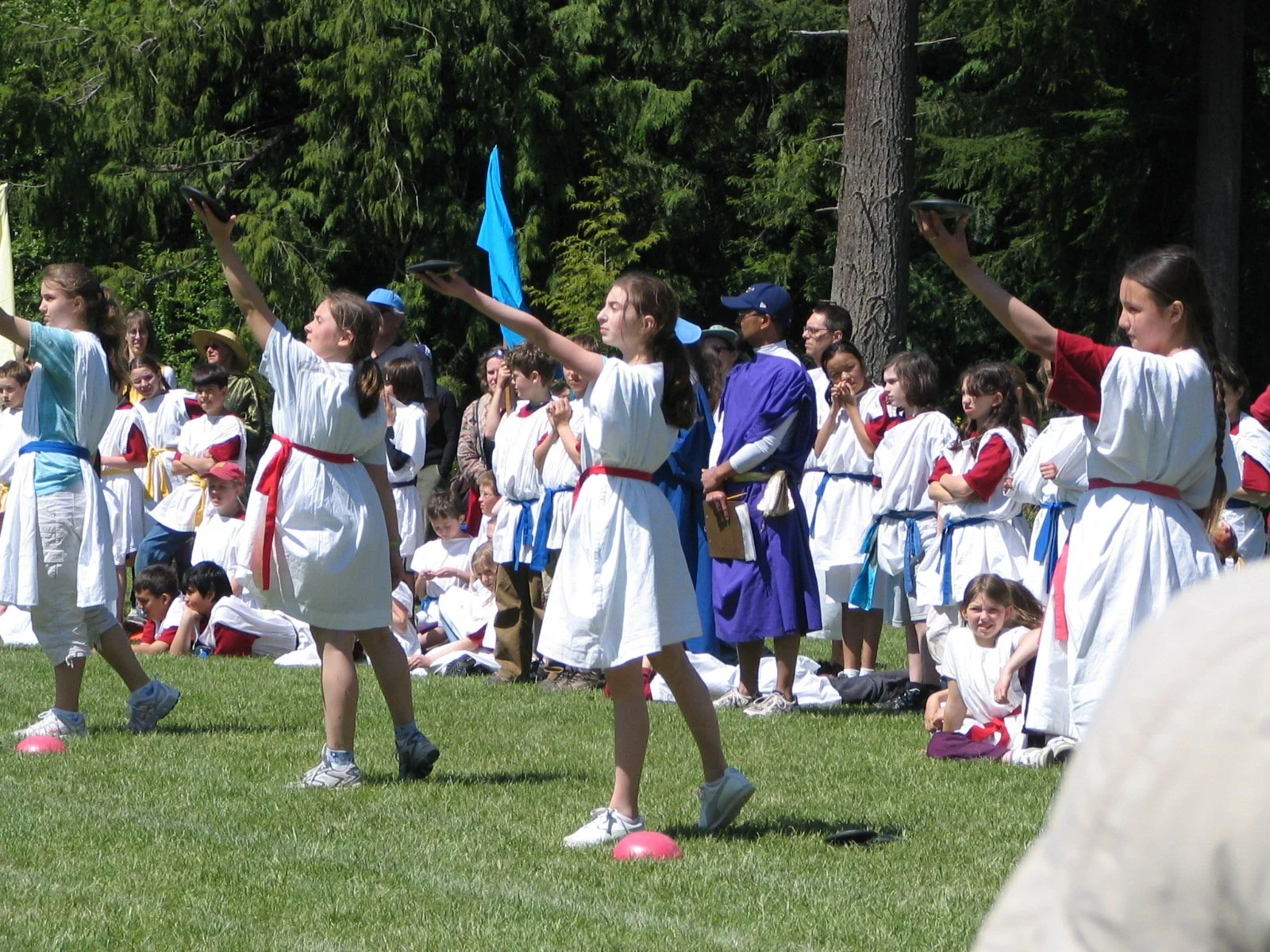
Throughout the day, students rotate through five classic events: javelin, discus, long jump, wrestling, and relay races — the same disciplines the ancient Greeks themselves prized. An Olympic torch is lit to open the festivities, and the day closes with a shared feast, echoing the communal spirit of the original games.
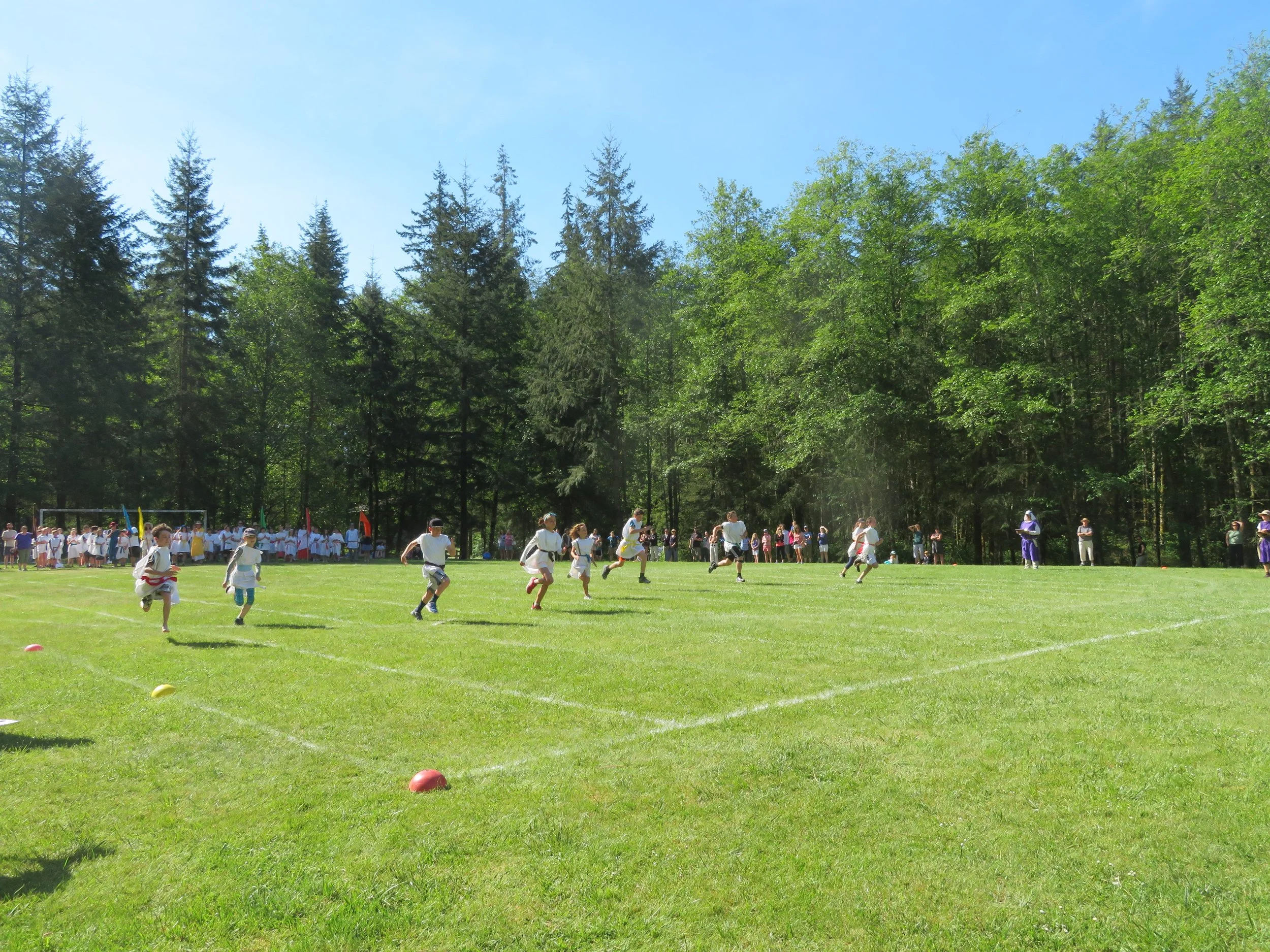
Athleticism and Beauty
What sets the Greek Games apart from a typical field day is the value placed on how the students perform, not just how far, how fast, or how well they score. In ancient Greece, physical excellence and beauty of form were held in equally high regard — a discus thrown with poor form was no true victory, no matter how far it flew. That same ideal guides our students today. The event is intentionally non-competitive at heart: children are coached to strive for grace, control, and honor toward their fellow athletes as much as for personal achievement.
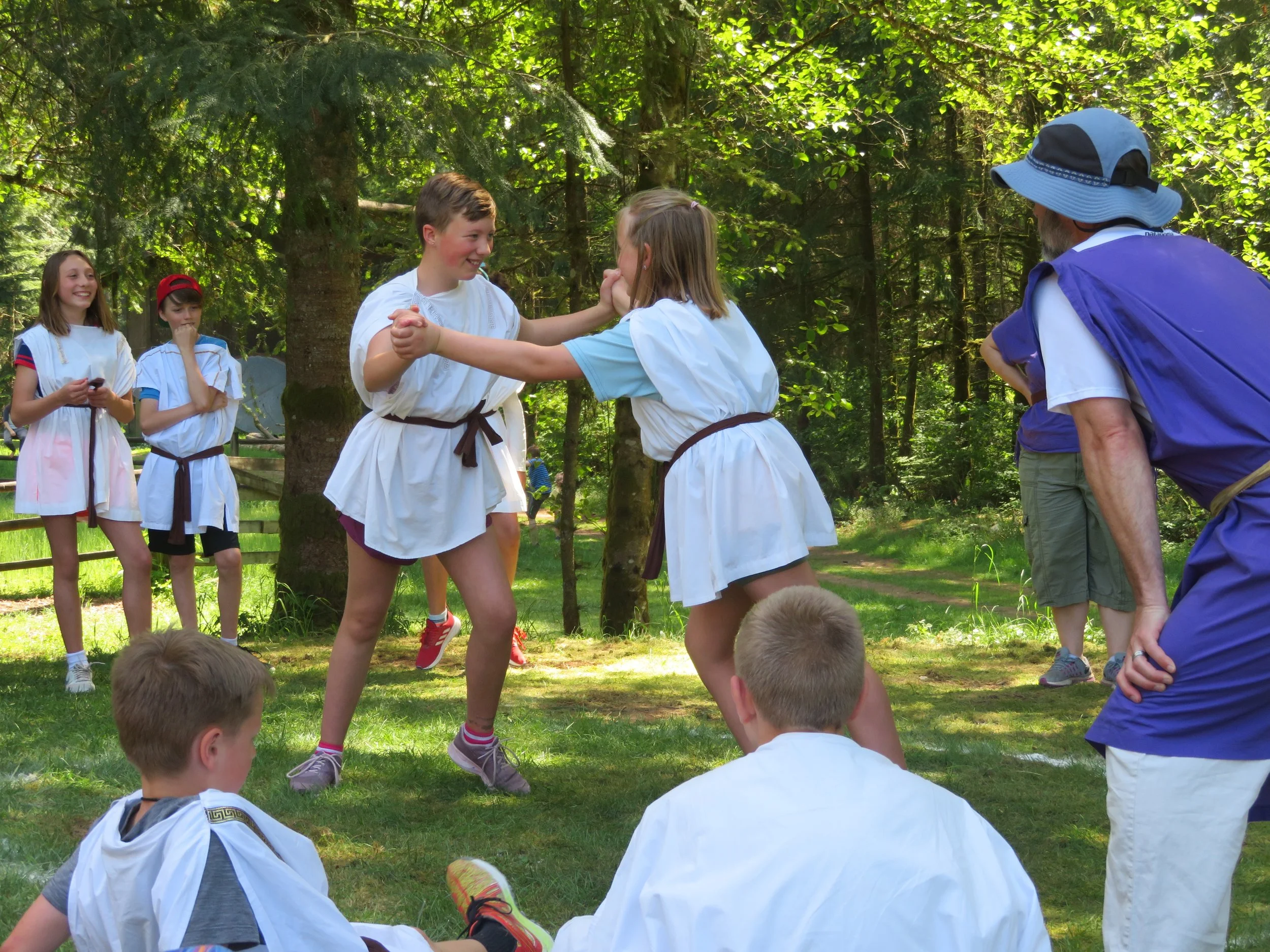
This is no accident of timing. By age eleven, most fifth graders are entering a new phase of physical development — greater coordination, a growing sense of their own bodies in space, and an emerging awareness of self. The Greek Games meet children exactly where they are, giving them a joyful, embodied outlet for these new capacities, while reinforcing lessons about fairness, teamwork, and honoring one another that will serve them well beyond the playing field.
Where History Meets the Body
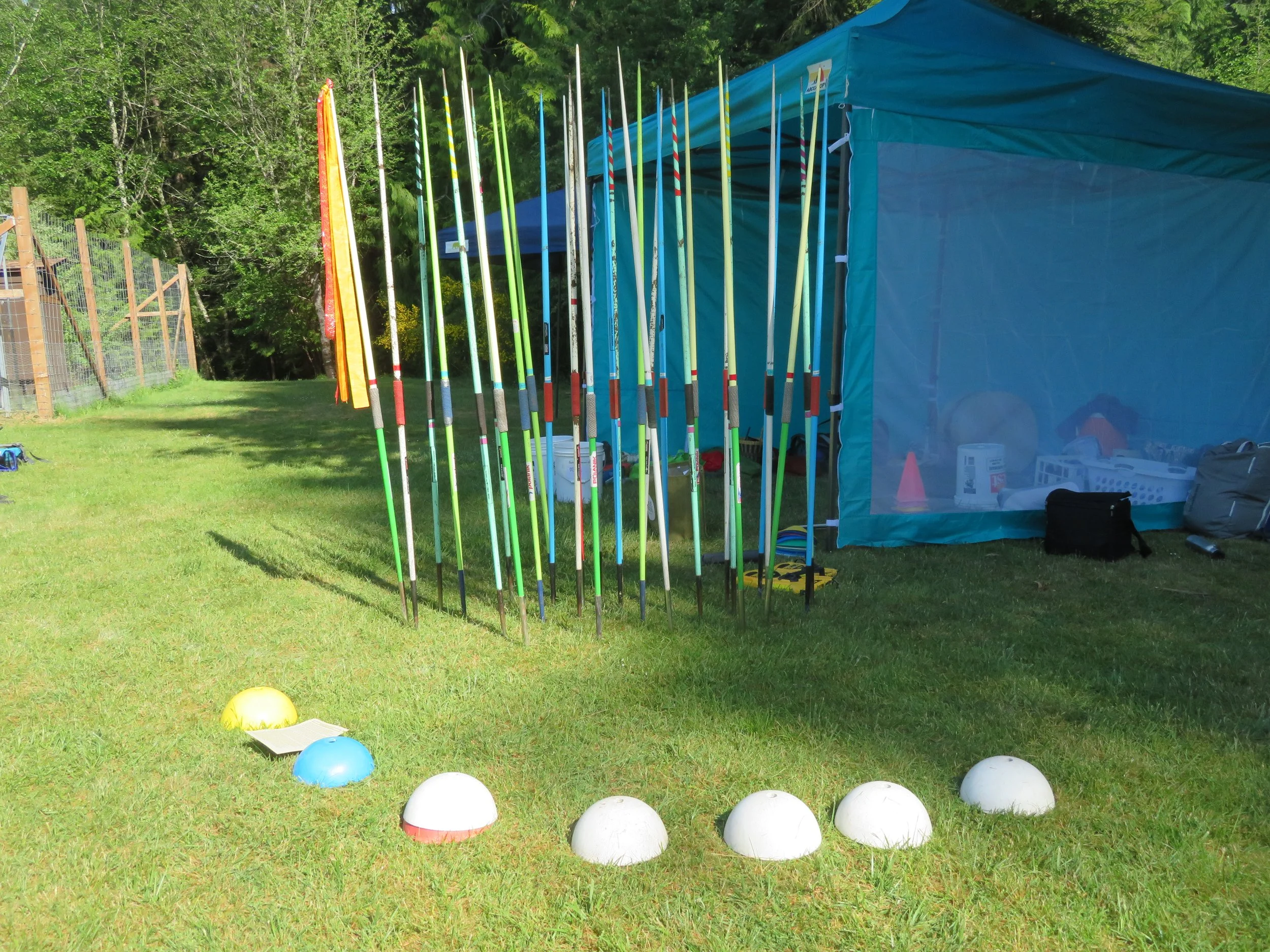
The Greek Games are the culmination of a full year of preparation, not just a few weeks of practice. All year long, our Movement curriculum builds the strength, coordination, and body awareness fifth graders need to meet this event with confidence — developing the throwing mechanics for javelin and discus, the footwork and endurance for relays and long jump, and the balance and control that Greek wrestling demands. By the time the actual day of the Games arrives, the myths and history they've studied in the classroom are no longer just stories in a book — they're something felt in muscle and breath, in the effort of a good throw, and in the camaraderie of newly formed teams cheering each other on.
It's a fitting way to close out a year spent journeying through the ancient world: not by reading about history, but by living a small piece of it.