
Learning at the Right Pace
The research and rationale behind developmentally-grounded teaching
Walk into a Waldorf kindergarten and you won't find flashcards, phonics worksheets, or iPads. You'll find children baking bread, listening to stories, and playing outside for hours at a time. To a parent accustomed to measuring progress by academic benchmarks, this can look like wasted time — as though the "real" learning is happening somewhere else, and will need to be rushed to “catch up” later. It isn't, and it won't. Waldorf education paces academics to match how children actually develop, not to a calendar set by standardized testing, and a growing body of research suggests this approach produces not just capable learners, but children who genuinely love learning.
Home builders know that putting up the walls and roof before finishing the foundation is a bad idea—the house might look more complete, but it probably won’t last. This is the fundamental concept behind Waldorf pacing: focus on building a strong foundation first so that concepts and skills will in turn be stronger and last longer.
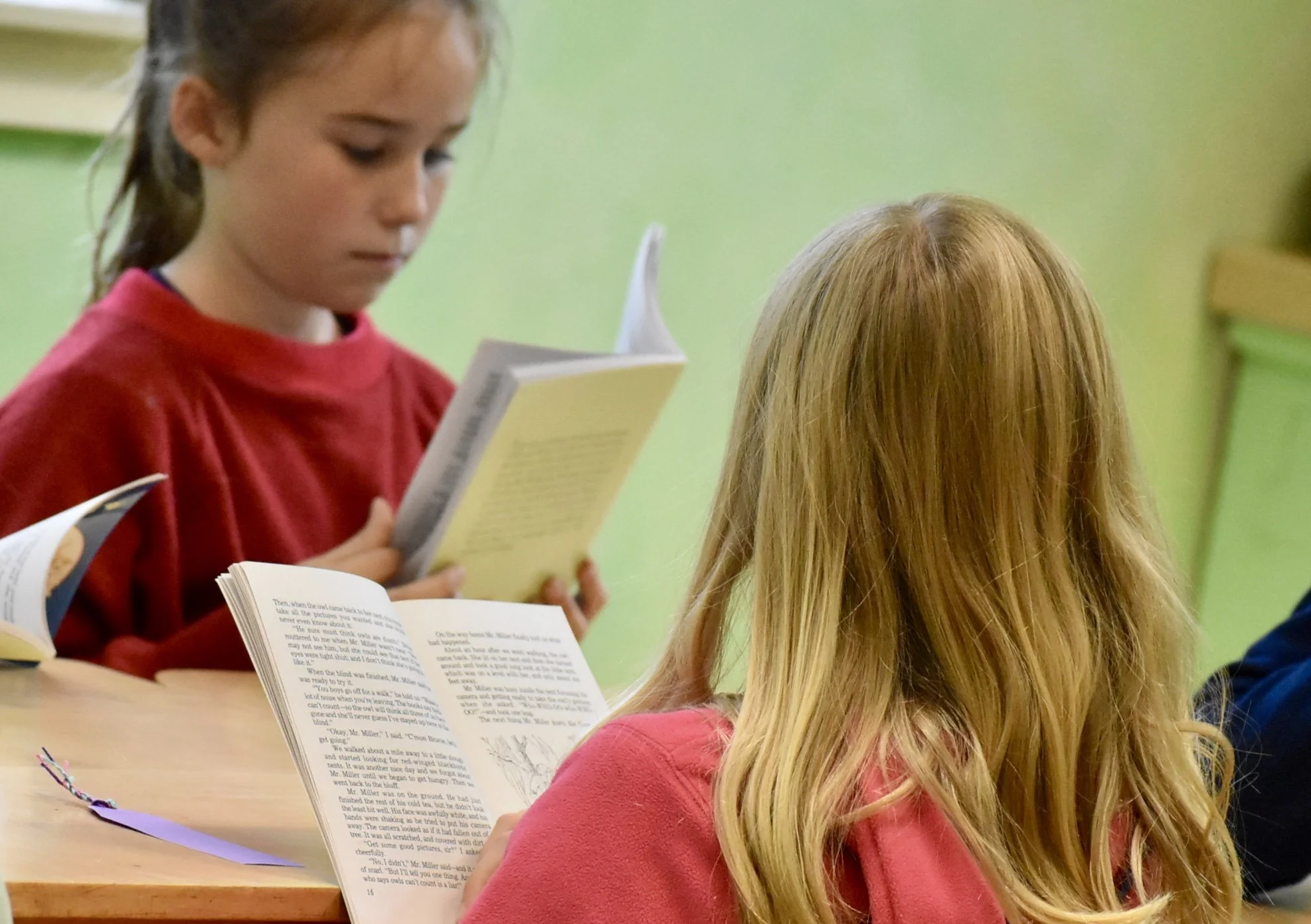
Take reading, a common example. In a Waldorf classroom, teachers are intentionally laying the foundations for reading in Preschool and Kindergarten but in a way that looks a bit different to a mainstream classroom. Children are immersed in oral language: told a multitude of stories, taught to listen closely, encouraged to retell stories in their own words, and given a rich vocabulary through shared play, songs, poems, and verse. Mainstream style reading instruction in the form of phonemic awareness, phonics, fluency, vocabulary building and comprehension begins in Grade 1— but the years leading up to it are laying the groundwork for stronger lifetime literacy. The absence of reading worksheets typically seen in a mainstream kindergarten doesn’t represent a pause before real learning starts; it's the foundation that the learning is built on.
Research bears this out: for example, a landmark longitudinal study in New Zealand compared children who began reading instruction at age five with Waldorf-educated children who began around age seven, and found that the later-starting group fully matched their peers in reading skill within a few years¹ — while related research suggests the early starters were more likely to develop less positive attitudes toward reading, along with weaker comprehension, by the time both groups reached similar skill levels.² In other words, focusing on the foundation first leads to deeper expertise and a love of reading.
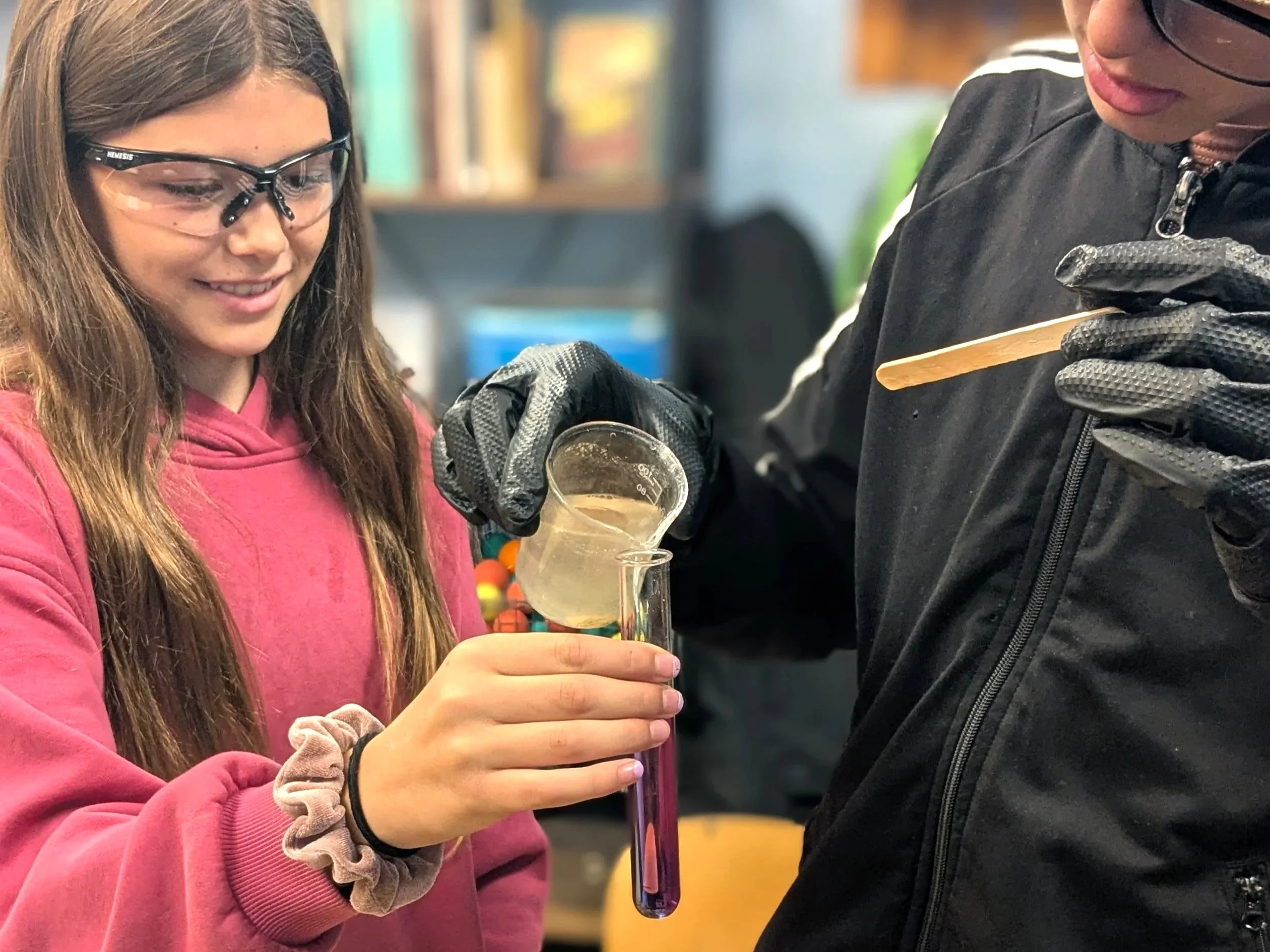
The same principle holds well beyond literacy. Waldorf schools’ approach to math, science, technology, and even physical coordination follows the same logic: meet the child where they are developmentally, and let expertise follow naturally rather than forcing it early. A kindergartener experiences the "quality" of numbers through movement and rhythm before ever picking up a pencil to add or subtract. A first grader strengthens the small muscles of the hand through knitting and finger games before formal handwriting is introduced. The sequence isn't arbitrary — it reflects decades of observation about how children's bodies and minds actually mature, and it reflects the reality that a skill built on a strong foundation will be more durable than one built ahead of schedule.
None of this means Waldorf students end up behind. Quite the opposite: our graduates typically enter mainstream high schools academically ahead of their peers; and national surveys of Waldorf graduates consistently show high rates of college acceptance, strong academic performance, and graduates who describe themselves as confident, curious, and well-prepared for what comes next.³ What Waldorf pacing protects isn't just a skill — it's the student’s relationship to reading, to numbers, to learning itself, built slowly enough that it lasts a lifetime rather than fading the moment the test is over.
Sources & Additional Reading
Suggate, S., Schaughency, E., & Reese, E. (2013). "Children learning to read later catch up to children reading earlier." Early Childhood Research Quarterly, 28(1), 33–48.
Suggate, S. (2013). "Does early reading instruction help reading in the long term? A review of empirical evidence." Research on Steiner Education.
"Into the World: How Waldorf Graduates Fare After High School" (2019 survey of Waldorf alumni, RSF Social Finance / OWL).