
A Thoughtful Approach to Technology
Waldorf schools have been taking a measured approach to technology for decades — and the research is now catching up to support that approach.
We're not anti-technology. We're a "Slow Tech — Not No Tech" curriculum. Our goal isn't to shield students from technology forever — it's to develop free-thinking individuals who can navigate the world confidently, online and off. Waldorf's rich, interdisciplinary education emphasizes hands-on experience, human relationships, creativity, social responsibility, and connection with nature — and we introduce technology deliberately, once students have the social and emotional foundation to use it as a tool, not be used by it.
There is mounting evidence that unfettered, unstructured access to screens and social media can have deeply negative consequences for children. Social psychologist Jonathan Haidt's widely discussed book The Anxious Generation connects the rise of childhood smartphone and social media use to rising rates of teen anxiety and depression, a concern echoed in psychologist Peter Gray's research linking the decline of unstructured childhood play to the same trends.¹ A major longitudinal meta-analysis tracking children's screen use over time found a relationship between heavy screen exposure and depressive symptoms.² And perhaps most telling: a recent New York Times investigation found that many of the engineers and executives building today's technology strictly limit or avoid screens for their own kids at home³ — a pattern that's held for over a decade, and one we see echoed by families at our own school.
Parents sometimes worry that waiting will leave their child behind technologically, but the research doesn't bear this out. Several studies have challenged the idea of the naturally tech-savvy "digital native," finding little relationship between how early a child is exposed to technology and how skilled they become with it later⁴ — what matters far more is thoughtful, direct instruction, delivered when a student is ready to learn it well.

Early Childhood and Elementary School
Classrooms are screen-free, focusing on experiential learning, art, movement, music, and plenty of time outdoors, so students build essential cognitive and social-emotional skills first. We also encourage parents to limit digital media and devices at home during these early years, since the habits and capacities built now are the foundation for everything that follows.
Middle School
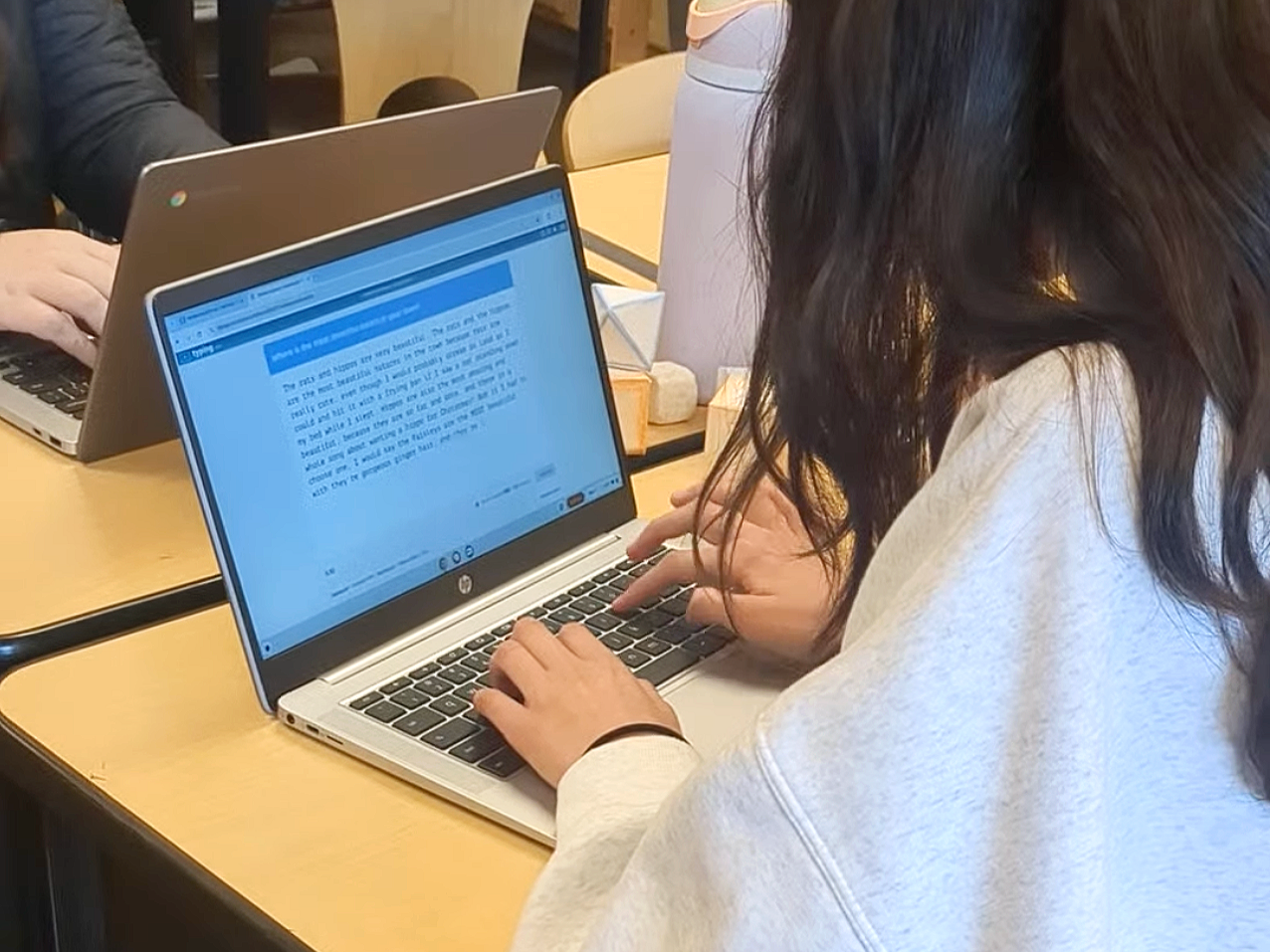
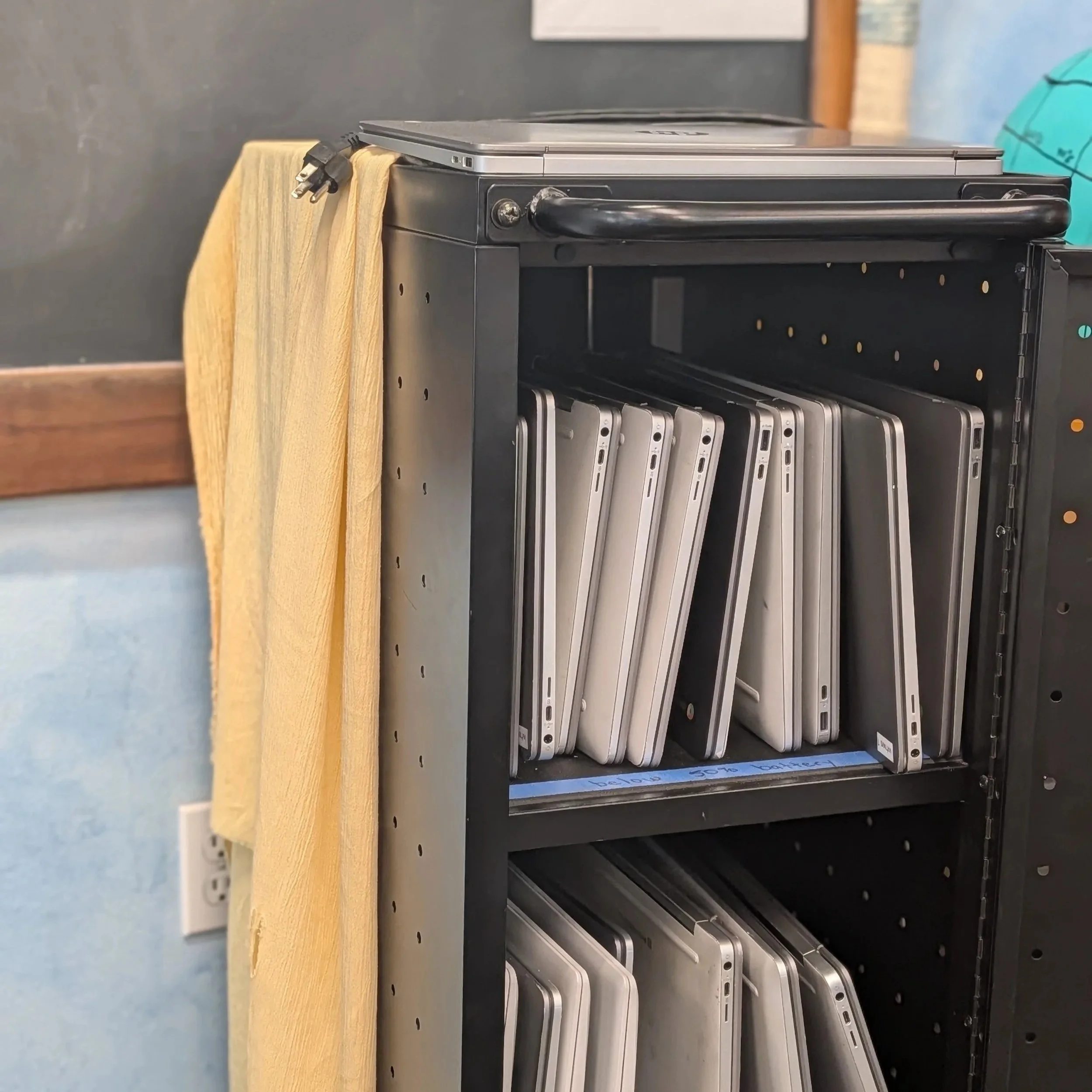
Laptops are introduced for research and keyboarding, alongside our Cyber Civics curriculum, which teaches students to use technology and media ethically and responsibly. Classrooms otherwise remain tech-free, keeping the focus on social-emotional learning, collaboration, and real-world problem-solving through applied arts and hands-on activities.
The result isn't a generation of students unprepared for a digital world — it's one that enters it with the focus, judgment, and self-possession to use it well.
Sources
Haidt, J. (2024). The Anxious Generation: How the Great Rewiring of Childhood Is Causing an Epidemic of Mental Illness; Gray, P. "The Decline of Play and the Rise of Mental Disorders" (TEDx talk).
Noetel, Michael, et al. "Electronic Screen Use and Children’s Socioemotional Problems: A Systematic Review and Longitudinal Meta-Analysis." Psychological Bulletin, vol. 151, no. 1, 2025, pp. 1–25. APA PsycNet, doi.org.
Streitfeld, D. (2026, August 18). "Silicon Valley Executives Are Tech Fans. Just Not for Their Own Kids." The New York Times.
Kirschner, P.A. & De Bruyckere, P. (2017). "The myths of the digital native and the multitasker." Teaching and Teacher Education; Hargittai, E. & Hinnant, A. (2008). "Digital Inequality: Differences in Young Adults' Use of the Internet." Communication Research.